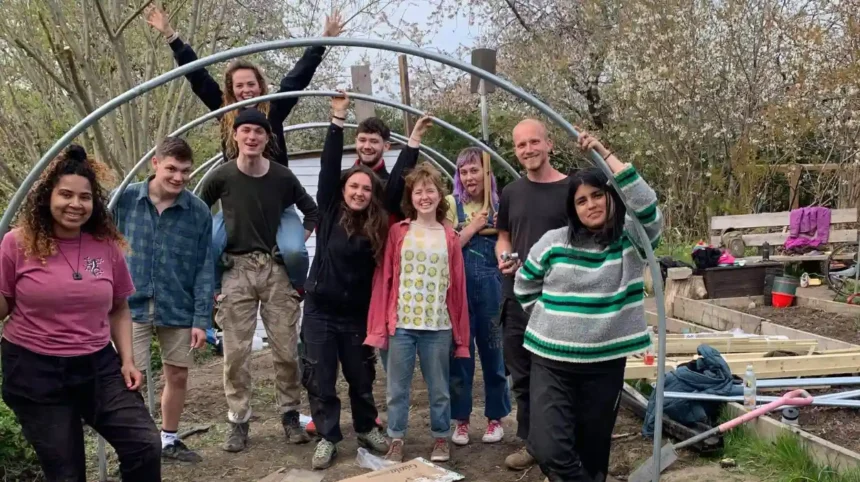
Headingley is a popular area of Leeds, West Yorkshire, known for its student population, independent businesses, community facilities and access to green spaces. Students living or studying in Headingley have opportunities to contribute to local life through community projects, environmental activities, charity work, educational support and volunteering with established organisations.
- Why Is Community Volunteering Important for Students in Headingley?
- How Does Volunteering Benefit Academic and Professional Development?
- How Does Student Volunteering Support Headingley Residents?
- Where Can Students Find Community Volunteering Opportunities in Headingley?
- Which University Services Help Students Find Voluntary Work?
- How Can Students Find Local Charities and Community Groups?
- Which Volunteering Directories Cover Headingley and Leeds?
- What Types of Community Volunteering Can Headingley Students Do?
- Can Students Volunteer in Environmental and Community Gardening Projects?
- How Can Students Volunteer With Charities and Donation Projects?
- Can Students Support Community Events and Local Activities?
- How Can Students Volunteer in Education and Youth Support?
- Can Students Help With Food Support and Community Wellbeing?
- Which Digital and Administrative Volunteering Roles Suit Students?
- How Can Students Balance Volunteering With University Studies?
- How Many Hours Should a Student Volunteer Each Week?
- Which Volunteering Roles Fit Around Exams and Coursework?
- How Can Students Plan a Sustainable Volunteering Schedule?
- What Requirements Must Students Meet Before Starting Volunteering?
- Do Student Volunteers Need DBS Checks?
- Are Volunteer Expenses Reimbursed?
- What Insurance, Safety and Confidentiality Rules Apply?
- How Should Students Apply for Volunteering Opportunities in Headingley?
- What Should Students Include in a Volunteering Application?
- What Questions Should Students Ask Before Accepting a Role?
- How Can Students Make the Most of Their Volunteering Experience?
- How Can Students Record Skills and Achievements?
- Can Volunteering Support Graduate Job Applications?
- How Can Students Build Long-Term Community Connections?
- What Should Students Remember When Choosing Community Volunteering in Headingley?
Community volunteering involves giving time and skills to support people, organisations or causes without receiving a regular wage for the work. Activities range from helping at charity shops and community events to supporting older residents, protecting the environment and assisting local groups with administration. Students benefit from practical experience, opportunities to develop transferable skills and stronger connections with the communities where they study.
For students at the University of Leeds, Leeds Beckett University and other educational institutions across the city, volunteering offers a structured way to contribute beyond academic life. Headingley’s location, community networks and public transport connections make it a useful starting point for finding local opportunities.
The most suitable volunteering role depends on a student’s timetable, interests, transport arrangements and preferred level of responsibility. Some opportunities involve a regular weekly commitment, while others focus on individual events or short-term projects. Understanding these differences helps students select meaningful activities without compromising lectures, coursework, examinations or paid employment.
Why Is Community Volunteering Important for Students in Headingley?
Community volunteering allows Headingley students to support local residents, develop practical skills and build connections outside university life. It provides experience in teamwork, communication and problem-solving while helping charities, community organisations and environmental projects deliver services that benefit people across Leeds.
Volunteering connects students with the social, cultural and environmental needs of the area. Headingley has a mixture of student accommodation, established residential streets, local shops, community venues and recreational spaces. Community organisations operate within this wider setting and rely on people who contribute time, knowledge and practical assistance.
Students bring useful skills to voluntary activities. A student studying marketing, for example, can help a small charity improve its promotional materials. Someone studying education can support supervised learning activities. Students with experience in computing can assist with digital tasks, while those interested in environmental science can participate in conservation projects.
Volunteering also introduces students to people from different age groups and backgrounds. This experience encourages communication across communities and helps participants understand issues affecting residents beyond the university environment.
How Does Volunteering Benefit Academic and Professional Development?
Volunteering provides practical experience that complements university study. Participants learn to organise tasks, communicate with different audiences, solve problems and work towards shared objectives. These skills are relevant to graduate employment, internships and future professional responsibilities.
A student applying for a community engagement role, for example, can describe experience coordinating an event or welcoming visitors. A student interested in social work can gain an introductory understanding of community support, subject to the role’s training and supervision requirements.
Volunteering also supports reflective learning. Students can record their responsibilities, challenges and achievements in a personal development portfolio. This record helps them explain what they learned during job applications and interviews.
Voluntary work does not automatically guarantee employment or academic credit. Its value depends on the responsibilities undertaken, the skills developed and the ability to explain those experiences accurately.
How Does Student Volunteering Support Headingley Residents?
Community organisations use volunteers to extend their capacity, maintain activities and connect with residents. Examples include helping at fundraising events, supporting community gardens, sorting donated goods and assisting with supervised recreational programmes.
These contributions help organisations direct more resources towards their core purposes. A volunteer who prepares event materials saves staff time for other responsibilities. A volunteer who helps organise donations supports the efficient operation of a charity shop.
Students also benefit from understanding the area’s local needs. They gain experience of community participation and develop a clearer picture of how charities, residents’ groups and public services work together.

Where Can Students Find Community Volunteering Opportunities in Headingley?
Students can identify volunteering opportunities through university volunteering teams, Leeds-based charities, local community organisations, environmental groups and established volunteering directories. Suitable starting points include the University of Leeds, Leeds Beckett University, Voluntary Action Leeds and organisations operating within Headingley and nearby neighbourhoods.
The first step is to identify organisations whose activities match a student’s interests and available time. Students should check official websites, volunteering pages and current recruitment notices rather than assume that a particular organisation has an immediate vacancy.
The University of Leeds and Leeds Beckett University are useful starting points for students seeking information about volunteering, community engagement and extracurricular development. Their student support services can direct eligible students towards relevant opportunities and explain any university-specific arrangements.
Another useful resource is Voluntary Action Leeds, which supports the voluntary and community sector across Leeds. Its resources help people understand local volunteering and connect with organisations seeking assistance.
Which University Services Help Students Find Voluntary Work?
University volunteering services help students discover opportunities, understand role requirements and identify activities that fit around academic commitments. Depending on the institution and programme, support includes volunteering listings, community projects, student-led initiatives and information about skills development.
Students should check whether an opportunity is open to all students or restricted to a particular university, faculty or programme. Some schemes have application periods, induction sessions or minimum participation requirements.
University societies also provide a practical route into volunteering. A society focused on environmental issues, for example, can organise litter-picking activities or awareness campaigns. A student-led fundraising group can support a selected charity through events and donation drives.
Students should confirm whether a society’s activities are formally supervised and whether any relevant training or insurance arrangements apply.
How Can Students Find Local Charities and Community Groups?
Local charities and community groups often advertise opportunities through their official websites, newsletters, community noticeboards and social media pages. Students can also contact organisations directly to ask about current vacancies and one-off activities.
Headingley Development Trust is a relevant local organisation to investigate for community-focused activities and information about projects in Headingley. Students should check its current programmes and contact details to establish whether specific volunteering roles are available.
Community centres, faith-based organisations, food support projects and local environmental groups also provide routes into voluntary work. Their activities and eligibility requirements differ, so students should confirm the details before committing.
A useful enquiry explains the student’s interests, available hours and relevant experience. It also asks about induction, supervision, safeguarding, travel expenses and the expected duration of the role.
Which Volunteering Directories Cover Headingley and Leeds?
Volunteering directories help students search beyond organisations they already know. They can reveal roles across community services, health and wellbeing, education, environmental protection, arts and culture, and fundraising.
Students should start with official university volunteering resources and Leeds-based voluntary-sector organisations. National directories can provide additional listings, particularly for structured placements or remote volunteering.
Searches should use both location and activity terms. Examples include “student volunteering Headingley”, “community volunteering Leeds”, “environmental volunteering Leeds” and “charity volunteer roles near Headingley”.
A directory listing is not a guarantee that a vacancy remains open. Students should confirm availability, location, eligibility and application deadlines directly with the organisation.
What Types of Community Volunteering Can Headingley Students Do?
Headingley students can explore several volunteering categories, including environmental conservation, charity retail, community events, educational support, food assistance and digital projects. Examples include maintaining a community garden, sorting donated items, supporting supervised activities and helping charities with communications.
The variety of voluntary work makes it possible to choose an activity that matches different academic subjects, interests and schedules. Some roles involve practical tasks, while others rely on specialist knowledge, interpersonal skills or administrative support.
Students should distinguish between general volunteering and roles requiring professional qualifications. Helping an established organisation with event preparation differs from providing regulated health advice or working independently with vulnerable people. Organisations determine which responsibilities volunteers can undertake.
Can Students Volunteer in Environmental and Community Gardening Projects?
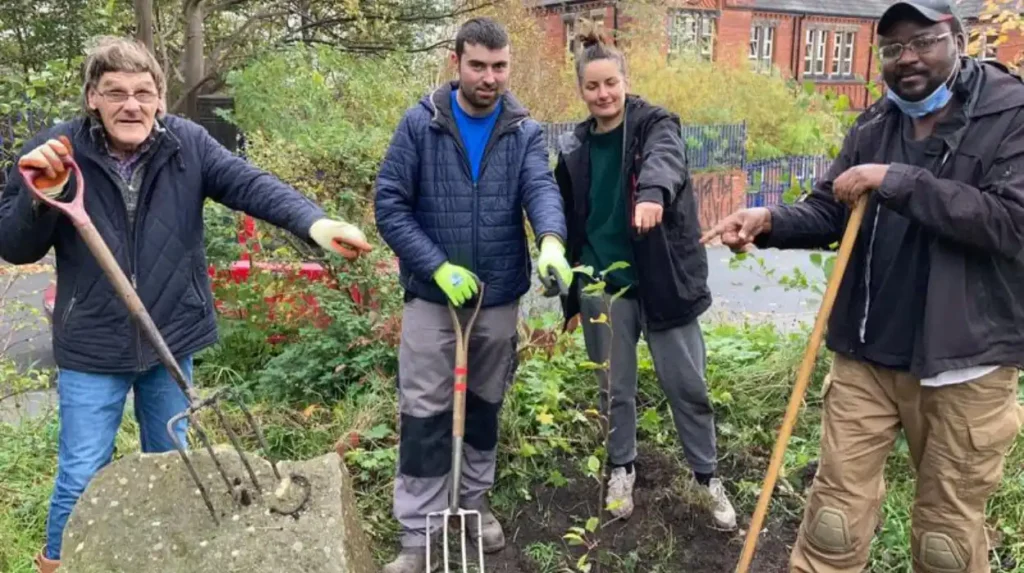
Environmental volunteering gives students opportunities to support green spaces and local sustainability initiatives. Activities include litter picking, planting, maintaining community gardens, removing invasive plants under supervision and participating in habitat improvement projects.
Headingley and surrounding parts of Leeds contain parks, residential green spaces and community sites that support outdoor activities. Students can investigate local conservation groups, community gardens and organised environmental projects to find appropriate opportunities.
Environmental work is particularly relevant to students studying ecology, geography, environmental science and sustainability. However, these activities are also suitable for people without specialist academic knowledge when the organisation provides appropriate instructions.
Volunteers should follow site rules and safety guidance. Activities involving tools, watercourses, chemicals or protected habitats require appropriate supervision and risk assessment.
Students interested in the area’s development should also explore its heritage. As you participate in modern community activities, you are engaging with a neighbourhood shaped by generations of residents. Read the [Headingley Local History and Heritage Guide] to understand the area’s historical development and the communities that shaped its identity.
How Can Students Volunteer With Charities and Donation Projects?
Charity volunteering includes sorting donations, arranging stock, preparing fundraising materials, welcoming customers and supporting community collection events. Charity shops offer practical experience in customer service, organisation and teamwork.
Students should ask whether a local shop accepts volunteers and whether it requires a minimum weekly commitment. Some roles involve fixed shifts, while event-based activities provide more flexibility.
Donation projects also require care and organisation. Volunteers must follow the charity’s rules for accepting, sorting and storing donated items. They should not promise that an organisation accepts particular goods without checking its current donation policy.
Students interested in communications can offer support with approved promotional materials, event announcements or fundraising campaigns. Organisations should retain control over sensitive information, donation handling and financial decisions.
Can Students Support Community Events and Local Activities?
Event volunteering involves practical support before, during and after public activities. Tasks include setting up venues, directing visitors, registering participants, distributing materials and helping organisers maintain an orderly environment.
Headingley community events, cultural activities, fundraising initiatives and neighbourhood gatherings provide potential opportunities. Availability depends on the organisers’ schedules and recruitment needs.
Event-based volunteering suits students who cannot commit to the same weekly shift throughout a term. A student can select an activity during a quieter academic period and reduce commitments during examinations.
Before accepting an event role, students should confirm the start and finish times, expected duties, travel arrangements and the name of the supervising organiser. Roles involving children, crowd management or restricted areas require additional instructions and appropriate checks where applicable.
How Can Students Volunteer in Education and Youth Support?
Educational volunteering includes supervised reading support, homework assistance, language practice, activity preparation and mentoring schemes. These opportunities allow students to contribute to learning while developing communication and organisational skills.
Students interested in teaching, psychology, languages or youth work can investigate established programmes that match their experience. Organisations set eligibility requirements and determine the level of supervision needed.
Working with children requires particular attention to safeguarding. Safeguarding means the measures used to protect children and adults at risk from harm, abuse and neglect. Relevant organisations explain their safeguarding policies, reporting procedures, training requirements and suitability checks.
Students must not assume that academic achievement alone qualifies them to provide specialist educational or therapeutic services. Volunteers should work within the role description and refer concerns to the designated supervisor.
Can Students Help With Food Support and Community Wellbeing?
Food support volunteering includes sorting donations, preparing food parcels, organising collections and assisting with community meals. Other wellbeing activities involve welcoming visitors, helping with approved administrative tasks and supporting community information sessions.
Students should search for established food banks, community kitchens and support organisations operating in Headingley and nearby areas. Each organisation determines the tasks available, food-handling requirements and minimum commitment.
Volunteers must respect the privacy and dignity of people using these services. They should not disclose personal information, photograph service users without permission or make promises about benefits and support outside their responsibilities.
Food preparation and distribution activities also require compliance with the organisation’s hygiene procedures. Students should complete any required training before undertaking these tasks.
Which Digital and Administrative Volunteering Roles Suit Students?
Digital volunteering allows students to contribute skills in writing, design, data organisation, website maintenance and communications. Tasks include updating approved website content, preparing newsletters, organising event information and helping charities improve accessible digital materials.
These roles suit students studying computing, journalism, marketing, business, design and communications. They also provide practical experience for students who prefer structured tasks over public-facing work.
Organisations should define the task, deadline, approval process and access permissions before work begins. Volunteers must protect confidential records, use authorised accounts and follow data protection procedures.
Remote tasks can reduce travel time, but students should confirm whether the organisation supports remote participation. Some activities require in-person meetings, supervised access or collaboration during agreed hours.
How Can Students Balance Volunteering With University Studies?
Students can balance volunteering with university studies by choosing realistic weekly hours, checking assessment deadlines and agreeing clear commitments with the organisation. Flexible event-based roles, short projects and occasional shifts provide alternatives to regular weekly volunteering.
Academic responsibilities should determine the amount of time available for volunteering. Students need to account for lectures, seminars, independent study, coursework, examinations, paid employment and personal commitments before accepting a role.
A manageable commitment is more useful than an ambitious schedule that becomes difficult to maintain. Students should explain their availability honestly and ask whether the organisation offers flexible shifts or temporary breaks during assessment periods.
How Many Hours Should a Student Volunteer Each Week?
There is no universal weekly volunteering requirement for students. The appropriate number of hours depends on the course, employment commitments, travel time, personal circumstances and the organisation’s expectations.
A student starting a first voluntary role can begin with a short shift or an occasional activity. This approach provides an opportunity to assess the workload before agreeing to a regular commitment.
Students should include preparation and travel in their time estimates. A two-hour activity that requires a long journey and additional training involves more than two hours of total commitment.
Some organisations require a fixed weekly schedule because their services depend on continuity. Students should choose these roles only when they can reliably attend the agreed sessions.
Which Volunteering Roles Fit Around Exams and Coursework?
Flexible roles include one-off fundraising events, seasonal projects, occasional environmental activities and remote tasks with agreed deadlines. Examples include helping at a weekend community event, participating in a scheduled clean-up or designing an approved poster.
Students with demanding timetables should discuss examination periods before starting. Some organisations accommodate temporary reductions in hours, while others require consistent attendance.
A clear agreement prevents misunderstandings. Students should notify their supervisor as early as possible when coursework or illness affects their availability. Organisations can then arrange cover and maintain essential services.
Students should avoid accepting multiple roles without understanding their combined workload. One reliable commitment often produces better results than several incomplete commitments.
How Can Students Plan a Sustainable Volunteering Schedule?
A sustainable schedule begins with an accurate weekly calendar. Students should mark lectures, assessment dates, employment shifts and travel time before identifying suitable volunteering periods.
They should then agree a realistic pattern with the organisation. A recurring weekend shift, for example, creates a predictable routine, while a short project offers greater flexibility.
Students should review the arrangement after the first few sessions. If the commitment affects attendance, coursework quality or wellbeing, they should discuss adjustments with the supervisor.
Volunteering organisations benefit from early communication because it helps them plan staffing and allocate responsibilities. Reliable attendance, honest communication and respect for agreed boundaries are important parts of responsible volunteering.
What Requirements Must Students Meet Before Starting Volunteering?
Students should check eligibility, role descriptions, induction requirements, supervision arrangements, safeguarding rules and any necessary background checks before volunteering. They should also confirm expenses, insurance, confidentiality obligations and the process for reporting concerns to the organisation.
Volunteering requirements depend on the activity and the organisation. General event assistance often involves a simple application and induction, while work with children or adults at risk requires more detailed safeguards.
An induction explains the organisation’s purpose, expected conduct, practical procedures and responsibilities. It also identifies the supervisor and explains how volunteers report problems or request assistance.
Students should obtain a clear role description before beginning. This document helps establish the limits of the role and prevents volunteers from taking on tasks that require specialist training or formal authorisation.
Do Student Volunteers Need DBS Checks?
A Disclosure and Barring Service (DBS) check is a criminal record check used in England and Wales for eligible roles. The level of check depends on the duties performed and the relevant legal eligibility criteria.
Not every volunteer needs a DBS check. Organisations determine whether a role qualifies for a particular level of check and arrange the appropriate process where required.
Students should not assume that a check is optional simply because a role is unpaid. They should also avoid requesting a higher-level check when the position is not legally eligible for it.
Official DBS guidance explains the different checks and eligibility requirements. Organisations working with children or adults at risk should explain the relevant safeguarding procedures before a volunteer begins the applicable duties.
Are Volunteer Expenses Reimbursed?
Some organisations reimburse reasonable expenses, such as approved travel costs, while others have limited budgets and cannot cover every expense. Students should ask about the policy before accepting a position.
Expense reimbursement is different from receiving a wage. Organisations generally set procedures for claiming eligible costs and provide guidance about receipts, travel limits and approval.
Students should consider the total cost of participating. Transport, meals and equipment affect whether an opportunity is financially sustainable, especially for those managing rent and study costs.
An organisation’s inability to reimburse expenses does not automatically make a role unsuitable. However, students should choose opportunities that fit their budget and should never feel pressured to incur costs they cannot afford.
What Insurance, Safety and Confidentiality Rules Apply?
Volunteer arrangements differ between organisations. Students should ask whether appropriate insurance covers the activity, what safety procedures apply and who is responsible for supervision.
Activities involving manual work, food preparation, public events or outdoor environments require instructions appropriate to the task. Volunteers should report hazards and follow the organisation’s risk assessment and emergency procedures.
Confidentiality is equally important. Community organisations often handle personal details about service users, donors and staff. Students must follow relevant privacy procedures and the organisation’s data protection policies.
The UK General Data Protection Regulation and the Data Protection Act 2018 form part of the UK’s data protection framework. Volunteers who access personal information must follow the organisation’s instructions and use only authorised systems.
How Should Students Apply for Volunteering Opportunities in Headingley?
Students should identify a suitable organisation, review its current vacancies, prepare a concise application and attend any required induction. A strong application explains relevant skills, available hours, motivation and willingness to follow the organisation’s procedures.
The application process depends on the role. Some organisations use online forms, while others ask applicants to email a coordinator or attend an introductory session.
Students should read the role description carefully before applying. This helps them identify the skills required, expected commitment and any eligibility restrictions.
An application should focus on relevant experience rather than simply listing academic qualifications. Experience in a university society, part-time job, group project or community activity can demonstrate reliability and communication skills.
What Should Students Include in a Volunteering Application?
A volunteering application should explain why the student is interested in the organisation and what they can contribute. It should state their availability clearly and describe relevant skills or previous experience.
Students without previous volunteering experience can highlight transferable skills. Customer service experience demonstrates communication, group assignments show collaboration, and coursework can demonstrate research or digital skills.
Applicants should be honest about their experience and avoid claiming qualifications they do not hold. Roles involving specialist responsibilities require the qualifications and training specified by the organisation.
A brief, tailored application is more effective than a generic message sent to many organisations. Students should check spelling, provide accurate contact details and respond promptly to follow-up requests.
What Questions Should Students Ask Before Accepting a Role?
Students should clarify the duties, working hours, location, training and supervision arrangements before agreeing to a position. They should also ask about expenses, minimum commitment and procedures for changing availability.
For a role involving children or adults at risk, applicants should ask about safeguarding training, suitability checks and reporting procedures. For an outdoor activity, they should confirm equipment requirements and safety arrangements.
Students should establish the main point of contact and understand how to report absence. Clear expectations help both the volunteer and the organisation plan effectively.
If an organisation cannot explain the role or its safety arrangements, students should seek clarification before starting. A responsible volunteering arrangement includes appropriate support and a clear understanding of responsibilities.
Explore More Area Guide
Headingley History Societies and Local Research Resources
Headingley Nature Conservation Groups: Local Volunteering Guide
How Can Students Make the Most of Their Volunteering Experience?
Students gain more from volunteering when they agree clear responsibilities, attend reliably, seek feedback and reflect on the skills they develop. Keeping a simple record of activities and achievements helps them demonstrate their contribution in future applications and professional discussions.
Volunteering is most productive when the student understands how their work supports the organisation’s purpose. A clear task, suitable training and regular communication help volunteers contribute effectively.
Students should treat their commitments professionally. They should arrive on time, respect other volunteers and follow the agreed procedures. When a task is unfamiliar, asking the supervisor for guidance prevents avoidable mistakes.
How Can Students Record Skills and Achievements?
Students can maintain a volunteering log that records dates, responsibilities, training and completed tasks. The log should focus on practical achievements rather than general statements about participation.
For example, a student who helps organise an event can record responsibilities such as preparing materials, communicating with participants or coordinating approved tasks. They should include measurable results only when the organisation provides reliable figures.
Students can use this record when preparing CVs, placement applications and interviews. They should also ask permission before publishing photographs, internal documents or information about service users.
Can Volunteering Support Graduate Job Applications?
Volunteering can strengthen a graduate application by providing examples of practical skills and community involvement. Employers assess the relevance of that experience alongside qualifications, work history and the requirements of the position.
Students should explain what they did, how they approached a task and what they learned. A specific example of resolving a scheduling problem or helping a team deliver an event provides clearer evidence than simply stating that they volunteered.
Volunteering does not guarantee a job or replace required professional qualifications. Its contribution depends on the experience gained and the student’s ability to connect that experience to the position.
How Can Students Build Long-Term Community Connections?
Students can build lasting community connections by maintaining professional relationships with supervisors and fellow volunteers. Consistent participation helps organisations plan their activities and gives volunteers opportunities to understand local priorities.
When a placement ends, students should provide appropriate notice, complete outstanding tasks and thank the people who supported them. They can ask whether the organisation offers occasional events or future opportunities.
Some students continue volunteering after graduation, while others use their experience to explore different community roles. Both approaches help maintain a connection between university life and the wider Leeds community.
What Should Students Remember When Choosing Community Volunteering in Headingley?
Students should select volunteering opportunities that match their interests, available time and skills while meeting the organisation’s eligibility, safety and supervision requirements. Official university resources, Leeds voluntary-sector organisations and local community groups provide reliable starting points for finding suitable roles.
Headingley offers a practical base for students who want to contribute to community life while completing their studies. Opportunities range from environmental activities and charity support to education, community events, food assistance and digital projects.
The best starting point is a realistic assessment of time and interests. Students should identify a suitable role, confirm its current availability and ask about training, expenses and responsibilities before making a commitment.
Official resources provide the most reliable information about active vacancies and requirements. The University of Leeds, Leeds Beckett University, Voluntary Action Leeds and relevant local organisations are useful places to begin the search.
Community volunteering is not limited to students with previous experience or specialist qualifications. Many organisations provide induction and task-specific guidance for suitable applicants. Students who communicate clearly, respect safeguarding requirements and maintain reliable commitments can contribute constructively to the area.
By choosing a manageable role and approaching it responsibly, students can support local organisations, gain practical experience and develop a stronger understanding of community life in Headingley and across Leeds.
Where can students find volunteering opportunities in Headingley?
Students can find volunteering opportunities through the University of Leeds, Leeds Beckett University, Voluntary Action Leeds and local community organisations. Opportunities include charity work, environmental projects, fundraising events and community support activities.