Garforth is a suburban town located six miles east of Leeds city centre in West Yorkshire, England. It forms part of the City of Leeds metropolitan borough, possessing a population of approximately 22,000 residents according to national census data.
- What is the History of Garforth’s Development?
- What are the Main Attractions in and Around Garforth?
- Where are the Best Cafés and Work Hubs for Digital Nomads in Garforth?
- What are the Best Walking Routes and Green Spaces in Garforth?
- What Local Food and Drink Experiences Define Garforth?
- How Can Visitors Access and Navigate Garforth?
- What Seasonal Events and Community Experiences Take Place in Garforth?
- What are the Practical Travel Details and Accommodation Options in Garforth?
- What is the Future Economic and Tourism Outlook for Garforth?
Garforth serves as a vital commuter town and a distinct visitor destination within the Leeds City Region. The settlement sits at the intersection of major transport networks, including the A63 trunk road and the M1 motorway at Junction 46. Geographically, the area rests on the edge of the Yorkshire coalfield, a factor that dictated its physical growth and layout throughout the nineteenth and twentieth centuries. Today, it operates as a commercial hub for the surrounding smaller villages of Aberford, Kippax, Micklefield, and Scholes.
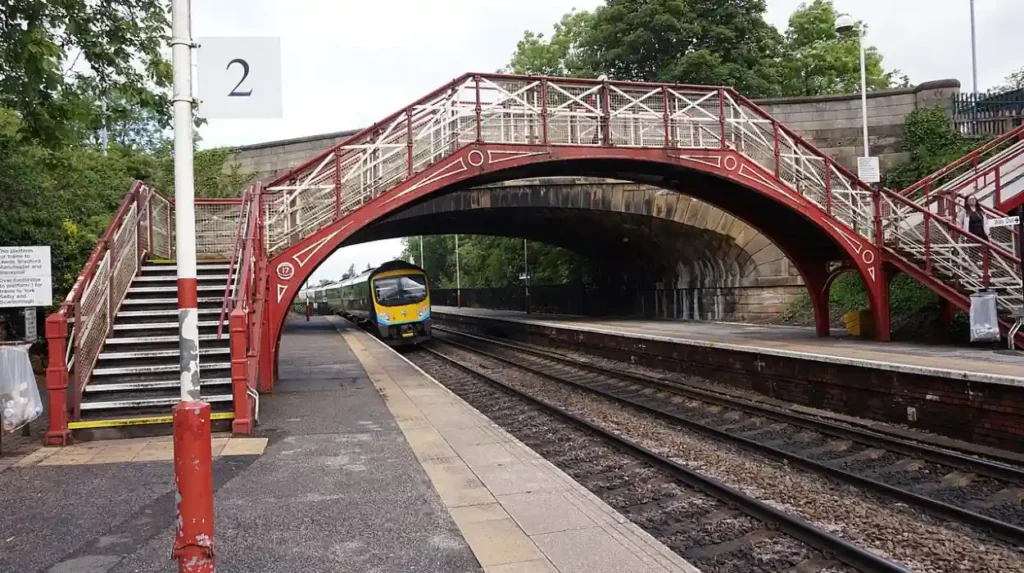
The town functions as an accessible destination for domestic leisure travellers, business visitors, and digital nomads due to its strategic position. It features two dedicated railway stations: Garforth Station, located on the TransPennine route, and East Garforth Station. These transport hubs provide direct, high-frequency rail links to major Northern economic centres, specifically Leeds, York, Newcastle, and Hull. The local infrastructure supports a thriving high street, extensive public green spaces, and a growing independent hospitality sector that caters to both day-trippers and corporate visitors seeking alternatives to city-centre accommodation.
What is the History of Garforth’s Development?
Garforth developed from an agricultural hamlet mentioned in the 1086 Domesday Book into a prominent nineteenth-century coal mining centre. The town transitioned into a residential suburban hub following the closure of its last commercial colliery in nineteen thirty.
The origins of the settlement date back to the Anglo-Saxon period, with its name deriving from the Old English terms Gereford or Gereforda, indicating a ford near a triangular piece of land. The 1086 Domesday survey records the area under the ownership of Ilbert de Lacy, a prominent Norman nobleman. For centuries, the economy relied entirely on arable farming and small-scale surface quarrying. The local landscape changed during the Industrial Revolution when the Isabella, Trench, and Sisters pits opened under the management of the Gascoigne family, who owned the nearby Lotherton Hall estate.
The expansion of coal extraction necessitated advanced transport infrastructure. In 1834, the Garforth-to-Aberford Railway, locally known as the Fly Line, opened to transport coal from the pits to the Leeds and Selby Railway line. As you explore the modern site, you are crossing land with a deep heritage. Read about the full [Garforth Coal Mining and Industrial Heritage] to understand its origins. The cessation of mining activities in 1930 triggered a structural shift. Local authorities redeveloped the former industrial brownfield sites into housing estates during the 1960s and 1970s, establishing the current suburban character of the town.
What are the Main Attractions in and Around Garforth?
The primary attractions in Garforth include the historic Town Street shopping district, the Garforth Country Profile walking trails, and nearby heritage estates. Visitors experience a blend of independent retail, preserved natural ecosystems, and industrial archaeological sites within a three-mile radius.
Town Street serves as the central focal point for visitors, hosting over fifty independent businesses, specialty boutiques, and traditional markets. This commercial avenue retains its traditional architectural facades while housing modern retail experiences. Notable municipal landmarks along this stretch include the Garforth Library and One Stop Centre, which acts as a community information point for tourists seeking maps and local event schedules.
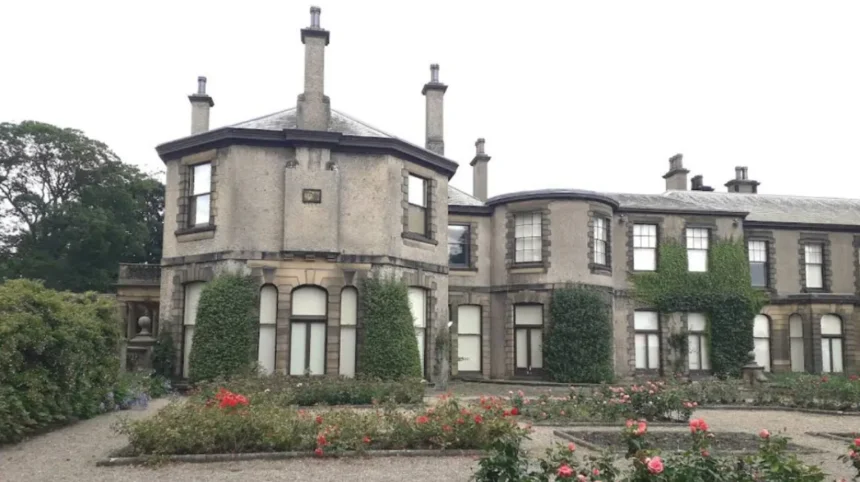
Beyond the urban centre lie significant cultural and historical assets. St Mary’s Parish Church, designed by architect George Gilbert Scott and completed in 1845, features a distinctive 150-foot spire that dominates the local skyline. Located three miles east of the town centre is Lotherton Hall, an Edwardian country house estate managed by Leeds Museums and Galleries. The estate includes:
- An expansive historic house museum displaying fine art
- Wildlife World, a conservation zoological park housing penguins and flamingos
- Formal Edwardian gardens
- A dedicated deer park
Where are the Best Cafés and Work Hubs for Digital Nomads in Garforth?
The best cafés and work hubs in Garforth are concentrated along Main Street and Town Street, featuring establishments like Quirky CoCo, The Greengrocer’s Dilemma, and the Garforth Liberal Club network. These venues offer high-speed internet connectivity and dedicated work spaces.
The local hospitality sector caters directly to remote workers, digital nomads, and business travellers seeking professional environments outside of traditional offices. Quirky CoCo provides a structured environment equipped with charging stations, stable Wi-Fi, and artisanal food options. The establishment enforces quiet zones during peak business hours, making it suitable for remote meetings and focused tasks.
Alternative venues offer varying amenities tailored to professional needs. The Greengrocer’s Dilemma operates as a daytime café and evening bistro, providing large, open-plan tables suitable for collaborative sessions or laptop work. For visitors requiring structured silence, the Garforth Library provides free access to public computers, scanning facilities, and dedicated study desks. Local hospitality venues observe standard UK operating hours, typically opening at eight thirty and closing at seventeen hours, ensuring consistent access throughout the standard working day.
What are the Best Walking Routes and Green Spaces in Garforth?
The best walking routes in Garforth comprise the Lines Way nature trail, the Garforth Jubilee Meadow, and the Barley Hill Park trail networks. These paths connect the urban centre to the wider West Yorkshire ecological corridors.
The Lines Way represents the premier outdoor recreation route in the area. Developed on the disused trackbed of the former Garforth-to-Aberford railway line, this 5.2-mile linear pathway is managed by the Yorkshire Wildlife Trust. The trail is fully paved, flat, and accessible for wheelchairs, prams, and bicycles. It cuts through several important nature reserves, including Townclose Hills and Hollinhurst Wood, providing a habitat for diverse flora and fauna, such as marsh orchids, common lizards, and various bird species.
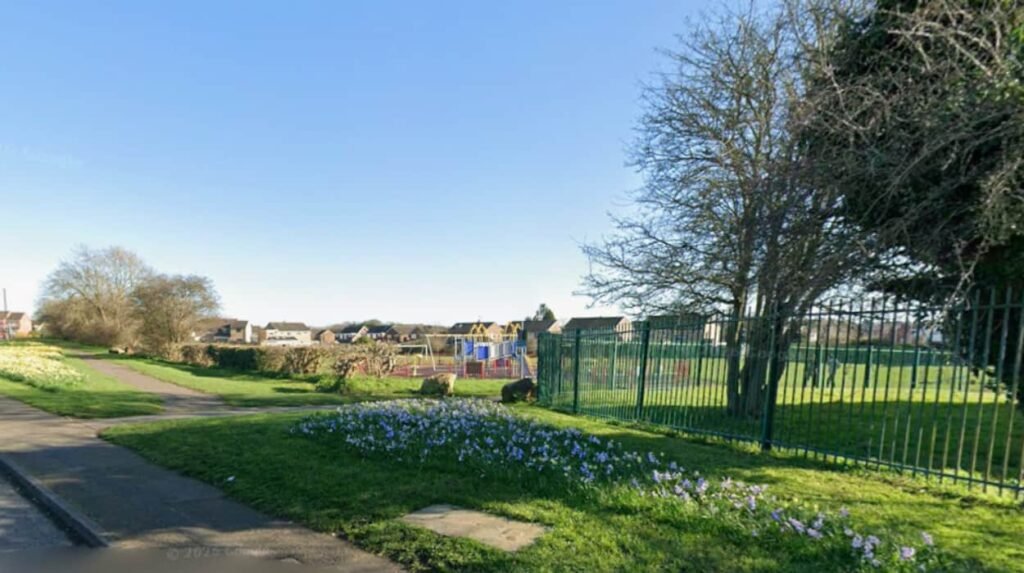
Within the town borders, Barley Hill Park serves as the primary municipal green space. It contains:
- Crown green bowling facilities
- Four resurfaced tennis courts
- Structured walking loops
- Dedicated play areas
Adjacent to the urban boundary sits the Garforth Jubilee Meadow, a community-managed environmental project dedicated to restoring native Yorkshire wildflowers. This site features curated walking paths accompanied by educational signage detailing local insect populations and small mammal habitats.
What Local Food and Drink Experiences Define Garforth?
Garforth’s food and drink landscape is defined by traditional Yorkshire pubs, independent micro-bars, and multi-national dining options located along the central thoroughfare. The culinary scene emphasizes locally sourced ingredients and regional craft ales produced within Yorkshire.
The town hosts a diverse gastronomic sector that bridges traditional British pub culture with contemporary international dining. Establishments like The Gaping Goose and The Miners Arms represent the historic drinking houses of the area, serving cask ales from regional breweries like Timothy Taylor’s and Samuel Smith’s. These venues preserve historical interior layouts and serve standard British pub fare, including Yorkshire pudding wraps, fish and chips, and Sunday roasts.
Complementing these historic venues is a modern selection of independent eateries and micro-bars. The Wellesian offers a rotating menu of craft beers, organic wines, and small-plate dining options sourced from West Yorkshire farms. International cuisines are represented by highly rated establishments including pride-of-place Italian trattorias, contemporary Indian restaurants, and authentic Turkish grills. This variety ensures that business travellers and tourists have access to diverse dining options throughout their stay.
How Can Visitors Access and Navigate Garforth?
Visitors access Garforth via the M1 motorway, the A63 highway, or direct rail lines running from Leeds City Station and York Station. Internal navigation relies on a grid-like bus network and pedestrian-friendly town centre footpaths.
Transport logistics form a key advantage for individuals visiting Garforth. Rail travel provides the fastest connectivity, with journeys from Leeds City Station taking eleven minutes and running approximately every fifteen minutes. The primary railway station sits at the northern end of Main Street, allowing immediate pedestrian access to the commercial district. East Garforth station serves the residential eastern sectors, providing alternative access points for commuters and visitors staying in local guest houses.
For road users, extensive parking facilities exist across the town. The municipal car parks at Barley Hill Road and Main Street offer short-stay and long-stay options, with designated spaces for electric vehicle charging. The local bus infrastructure is managed by the West Yorkshire Metro, with the 163 and 166 bus routes providing direct, regular connections between Leeds city centre, Garforth, and Castleford. The compact nature of the commercial core ensures that all major shops, cafés, and restaurants sit within a fifteen-minute walking radius of each other.
What Seasonal Events and Community Experiences Take Place in Garforth?
Garforth hosts several annual cultural events including the Garforth Arts Festival, the Christmas Lights Switch-On, and the weekly community allotment markets. These events showcase regional artistic talent, agricultural produce, and community heritage initiatives.
The cultural calendar is anchored by organized community events that draw visitors from across the Leeds metropolitan district. The Garforth Arts Festival, traditionally held during the summer months, brings professional musicians, theatrical performers, and visual artists to various venues across the town, including schools, churches, and public parks. This festival emphasizes community participation, workshops, and outdoor performances that highlight the creative output of the region.
Winter tourism is driven by the annual Garforth Christmas Festival and Lights Switch-On. This event transforms Town Street into a pedestrianized market zone featuring outdoor stalls operated by local traders, craft makers, and food producers. The event includes live performances by local brass bands and school choirs, generating significant footfall for brick-and-mortar retail businesses. Throughout the year, the Garforth Allotments and Garden Association holds seasonal plant and vegetable sales, offering visitors an authentic insight into local agricultural traditions.
Explore More Area Guide
Ultimate Tourist Guide: The Best Things to Do in Garforth
Best Places to Visit in Garforth for First-Time Tourists
What are the Practical Travel Details and Accommodation Options in Garforth?
Practical travel options in Garforth include boutique guest houses, business hotels situated near the M1 junction, and short-term holiday rentals. Tourist services are supported by local civic facilities and digital information portals.
Visitors planning an overnight stay possess several distinct accommodation options tailored to different budgets and travel intents. For business travellers and motorists, large-scale commercial hotels located near Junction 46 of the M1 offer modern amenities, including conference rooms, gym facilities, and on-site dining. These hotels provide reliable bases for exploring both Garforth and the wider Leeds area.
Leisure travellers seeking a localized experience utilize independent bed-and-breakfast properties or self-catering holiday apartments situated within the residential avenues close to Town Street. These options provide direct access to local dining and transport links. Practical amenities across the town include multiple banking facilities, automated teller machines, pharmacies, and urgent care medical services at the Garforth Medical Centre, ensuring a safe and fully supported travel environment.
What is the Future Economic and Tourism Outlook for Garforth?
The future economic and tourism outlook for Garforth involves structured sustainable transport expansions, green infrastructure investments, and the continuous regeneration of the independent retail sector under local development frameworks.
Garforth features prominently in the Leeds Core Strategy, which outlines urban development goals extending into the next decade. The strategy prioritizes the preservation of the town’s distinct identity while absorbing planned housing allocations and commercial expansions. Key infrastructure upgrades focus on enhancing the carbon-neutral transport capacity of the town, including the installation of additional electric vehicle infrastructure at rail stations and the expansion of dedicated cycle lanes linking Garforth to the Leeds Academic and Innovation Zone.
Tourism development focuses heavily on eco-tourism and heritage trail consolidation. The Yorkshire Wildlife Trust and local volunteer networks continue to invest in habitat restoration along the Lines Way, preparing the route for increased visitor numbers. Simultaneously, investments by the local business forum aim to position Town Street as a regional destination for sustainable shopping and experiential dining, ensuring Garforth retains its status as a vibrant, economically resilient West Yorkshire community.
Where is Garforth located?
Garforth is a suburban town located about six miles east of Leeds city centre in West Yorkshire, England, within the City of Leeds metropolitan borough.