
Garforth is a suburban town located six miles east of Leeds city centre in West Yorkshire, England. Geographically positioned on a high ridge between the River Aire and the River Wharfe, the town functions as an important outer-core commercial and leisure hub within the City of Leeds metropolitan borough. Tourism in the region is driven by a combination of protected industrial heritage paths, ecological restoration projects, and modern indoor leisure facilities.
- What historical and heritage attractions can tourists visit in Garforth?
- What are the best outdoor activities and nature spaces in Garforth?
- What indoor entertainment and family leisure options are available in Garforth?
- Where should tourists go for shopping, dining, and remote work in Garforth?
- What major attractions are located immediately around Garforth?
- How can tourists travel to and navigate around Garforth?
Historically recorded in the Domesday Book of 1086, Garforth evolved from an agricultural settlement into a major coal mining center following the Enclosure Act of 1810. The extraction of minerals, controlled primarily by the Gascoigne family of nearby Lotherton Hall, shaped the infrastructure, transport links, and topographic layout of the area. Today, the town serves as an accessible base for domestic and international travelers seeking a blend of West Yorkshire history, nature reserves, and transport connectivity via the Leeds-Selby railway line.
What historical and heritage attractions can tourists visit in Garforth?
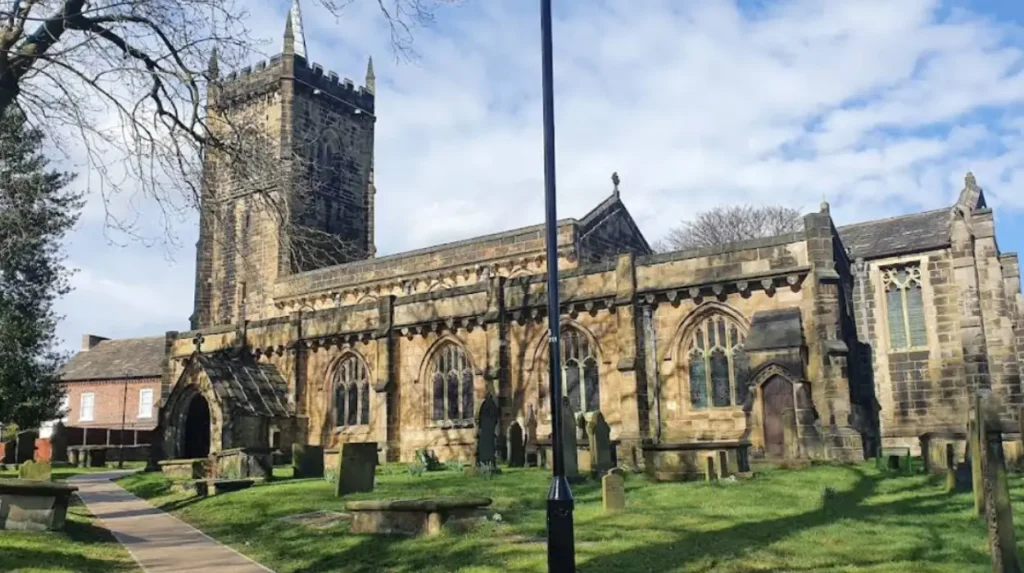
Tourists can visit several historical assets in Garforth including the Grade II listed St Mary’s Church, the preserved routes of the 19th-century Fly Line railway, and the Garforth Working Men’s Club, which dates back to 1865.
The architectural and industrial landscape of Garforth is defined by its deep ties to the regional coal mining industry and nineteenth-century engineering. St Mary’s Church, located on Church Lane, stands as a central historical landmark. Designed by architect George Gilbert Scott and completed in 1845, the structure features a distinctive spire that is visible across the lowland ridge. The churchyard contains grave markers of local colliery workers, offering direct genealogical and social context into the working-class history of the parish.
Beyond religious architecture, the town retains clear physical remnants of its industrial infrastructure. The Isabella Pit, opened in 1833, and the Sisters Pit, opened in 1843, drove the spatial expansion of East and Moor Garforth respectively. While the physical shafts are closed, the transport corridors built to service them remain accessible. The historic Fly Line was a dedicated mineral railway line constructed by Richard Oliver Gascoigne to transport coal from local pits to the nearby village of Aberford. As you explore the modern site, you are crossing land with a deep heritage. Read about the full [Industrial Mining and Railway Heritage of Garforth] to understand its origins. This network established the foundational transport links that allowed the town to transition from an isolated mining outpost into a well-connected industrial hub.
Social history enthusiasts can also view the exterior of the Garforth Working Men’s Club on Main Street. Built in 1865, the institution was funded by the Gascoigne family as a direct reward for miners who refused to participate in the regional strikes of that year. The building originally housed the first public library in Garforth, serving as an early center for community lectures, educational events, and social assembly.
What are the best outdoor activities and nature spaces in Garforth?
The best outdoor activities in Garforth are walking along The Lines Way, exploring the wetlands at RSPB St Aidan’s Nature Park, and utilizing the recreational infrastructure at Garforth Linear Park and Barley Hill Park.
Outdoor tourism in Garforth centers on environmental reclamation projects that converted old industrial assets into biodiversity corridors. The primary example of this ecological transition is The Lines Way. This a three-mile linear wildlife path follows the route of the former Garforth-to-Castleford railway line, which ceased train operations in 1969. Managed by the Yorkshire Wildlife Trust, this corridor connects several distinct green spaces and serves as a vital public footpath and cycleway. The path features specific native chalk-loving flora, old limestone railway cuttings, and diverse bird populations.
Directly accessible from this trail network is the RSPB St Aidan’s Nature Park, located two miles south of the town center. This 400-hectare site was formerly an open-cast coal mine that suffered a catastrophic river avulsion in 1988, when the River Aire burst its banks and flooded the pit. Following extensive remediation by the Royal Society for the Protection of Birds, the site now functions as a major wetland reserve. The park contains multiple aquatic habitats including reedbeds, open lakes, and wet meadows. These environments support rare bird species such as the black-necked grebe, bitterns, and marsh harriers. The park features approximately 12 kilometers of designated walking and cycling trails, making it a primary regional destination for eco-tourists and birdwatchers.
Within the urban boundary of the town, tourists can access two major public parks. Garforth Linear Park offers designated walking trails, open meadows, and a children’s play area, following a natural valley through the town. Barley Hill Park, situated closer to the main commercial district, features managed sports pitches, community bowling greens, and the Garforth Skate Park. Opened in 2012, the skate park incorporates concrete street elements and transition ramps, accommodating skateboards, BMX bikes, and scooters.
What indoor entertainment and family leisure options are available in Garforth?
Garforth offers high-quality indoor leisure options including the Clip ‘n Climb aerial adventure center, the Monkey Maze soft play complex, and regular community events hosted at the Garforth Public Library.
Indoor leisure facilities in Garforth cater extensively to families, rainy-day travelers, and business commuters seeking active recreation. Clip ‘n Climb Garforth, located within the East Side Retail Park on Aberford Road, is a primary indoor attraction. The facility features over 20 distinct climbing challenges utilizing automated belay systems, which ensure safety without requiring manual belaying partners. The climbing walls vary in structural difficulty and are designed to test spatial awareness, balance, and physical agility for participants from four years of age up to adulthood. The venue operates a dedicated workspace and café area, which serves as a functional hub for digital nomads and remote workers.
For younger travelers, Monkey Maze on Ninelands Lane provides a large-scale, multi-tiered indoor soft play arena. The facility spans three levels and incorporates physical obstacles, including spiral slides, cargo nets, ball pools, and plastic climbing tubes. The indoor environment is highly regulated for safety and hygiene, operating scheduled play sessions alongside dedicated party facilities for private group bookings.
Cultural and educational indoor activities are centered at the Garforth Public Library on Main Street. Originally established in its modern building in 1963, the library forms part of the Leeds Libraries network. It holds regular public programming including historical exhibitions, children’s craft workshops, and local author readings. The interior features permanent public artwork created by regional artists in collaboration with the local youth community, providing visitors with immediate insight into contemporary civic culture.
Where should tourists go for shopping, dining, and remote work in Garforth?
Tourists should visit Main Street for independent retail shops, traditional public houses, and cafes, while the Garforth Garden Centre on Selby Road offers extensive retail and dining options.
The commercial core of Garforth is concentrated along Main Street, a pedestrian-accessible thoroughfare lined with nineteenth-century architecture and modern storefronts. The street retains a high density of independent retail businesses, including traditional butchers, bakeries, clothing boutiques, and specialty gift shops. For dining, Main Street contains an array of culinary options ranging from traditional British public houses to international restaurants. Prominent establishments include The Briggate, a large public house operated by JD Wetherspoon that occupies a historically significant plot known locally as Long Curtain Row, and Saffron Garforth, which specializes in contemporary Indian cuisine.
For digital nomads, business travelers, and remote workers, Main Street features several independent coffee shops equipped with high-speed Wi-Fi and power accessibility. The Good Food Store functions as both a delicatessen and a workspace hub, supplying locally sourced West Yorkshire produce alongside artisanal espresso. These venues offer a quiet, practical environment for professionals needing to maintain productivity while traveling through the Leeds metropolitan district.
On the southern periphery of the town lies the Garforth Garden Centre, situated on Selby Road. Operated by the Klondyke Group, this expansive commercial site is a major regional retail attraction. Beyond horticultural goods and gardening equipment, the center features a large home-and-gift department, an outdoor furniture showroom, and a farm shop selling regional Yorkshire food items. The onsite café provides indoor and outdoor seating, serving hot meals, afternoon teas, and light refreshments to hundreds of visitors daily. The venue also hosts rotating seasonal markets and community events throughout the fiscal year.
What major attractions are located immediately around Garforth?
Immediately around Garforth, tourists can explore Lotherton Hall, an Edwardian country estate featuring Wildlife World, and Xscape Yorkshire, a massive regional sports and entertainment complex.
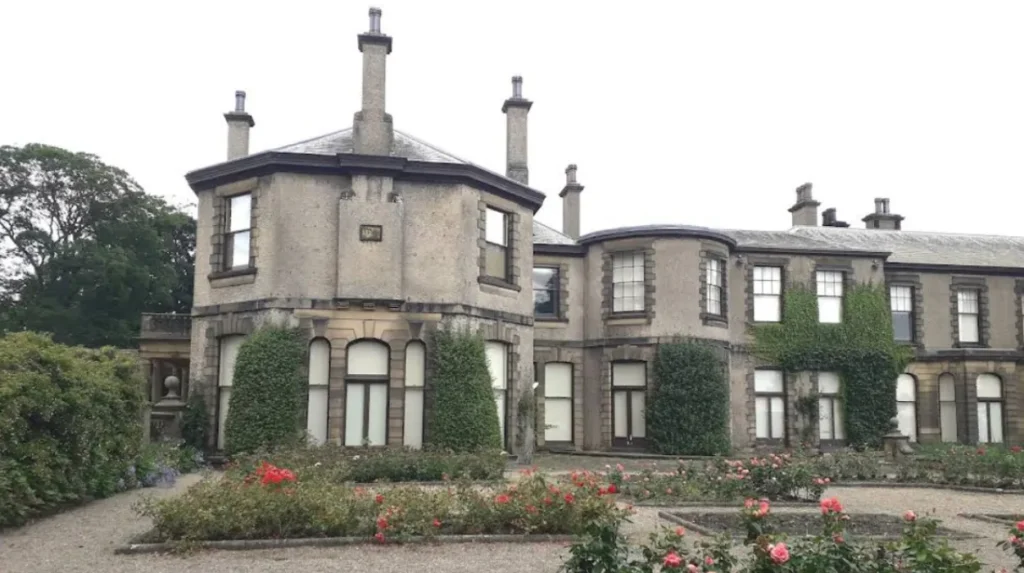
Garforth’s geographical position makes it a strategic jumping-off point for premier attractions in the wider West Yorkshire and Leeds area. Located just three miles northeast of the town center in Aberford is Lotherton Hall. This historic Edwardian estate was the long-term ancestral country home of the Gascoigne family before being gifted to the City of Leeds in 1968. The attraction includes a fully preserved country house museum displaying fine art, historic costume collections, and Edwardian furniture. The estate is surrounded by formal gardens, wooded walking trails, and an adventure playground.
A central highlight within the Lotherton estate is Wildlife World, a modern, conservation-led zoological park. The facility focuses on global biodiversity and captive breeding programs for endangered species. Visitors can view a variety of animals, including a colony of Humboldt penguins, flamingos, tapirs, and dynamic bird species housed in a walkthrough aviary. The attraction provides formal educational workshops regarding habitat destruction, ecosystem preservation, and climate impacts, making it highly relevant for educational tourism.
Five miles south of Garforth via the easily accessible M1/M20 motorway link sits Xscape Yorkshire in Castleford. This major regional entertainment destination provides large-scale adventure sports infrastructure. The complex houses Snozone, a premier indoor snow slope featuring real snow for skiing, snowboarding, and sledging activities. Additional attractions within the Xscape footprint include a multi-screen cinema, an indoor gravity trampoline park, automated bowling alleys, laser tag arenas, and a diverse range of national restaurant chains. This concentration of high-adrenaline leisure options complements the more relaxed, heritage-focused activities found within Garforth proper.
How can tourists travel to and navigate around Garforth?
Tourists can easily access Garforth via its two dedicated railway stations, East Garforth and Garforth, as well as via Junction 46 and 47 of the M1 motorway.
Transport accessibility is one of Garforth’s defining structural advantages for domestic and international visitors. The town is split by the historic Leeds-Selby railway line, which opened in 1834. Today, Northern Trains and TransPennine Express operate frequent direct services through the town. Garforth Railway Station, located on Station Road, connects travelers directly to Leeds City Station in under 12 minutes, and to York National Rail station in approximately 20 minutes. This high-frequency rail connectivity permits tourists to use the town as a cost-effective, suburban base for exploring the broader Yorkshire region. East Garforth Station provides secondary localized access to the eastern residential and commercial zones of the town.
For travelers utilizing personal or rental vehicles, the town features direct highway links to the national motorway network. Garforth sits immediately adjacent to the A63 Selby Road and the A642 Wakefield Road. Junction 46 of the M1 motorway provides immediate access to the south of the town, while Junction 47 connects directly to the north, linking vehicles seamlessly to the A1(M) corridor. This road infrastructure allows rapid travel times to Leeds city centre, Wakefield, and the commercial business parks of West Yorkshire.
Navigating within the town itself is highly efficient due to its compact layout and dedicated pedestrian pathways. Local bus services, coordinated by the West Yorkshire Metro network, run frequent routes connecting Main Street with surrounding villages such as Kippax, Micklefield, and Allerton Bywater. Secure public parking facilities are available at both rail stations, on Main Street, and at the major retail parks, facilitating seamless transitions between vehicular, rail, and pedestrian modes of travel.
What is Garforth known for?
Garforth is known for its coal mining heritage, historic railway links, and its role as a commuter town near Leeds. It also offers parks, nature reserves, and family leisure attractions.