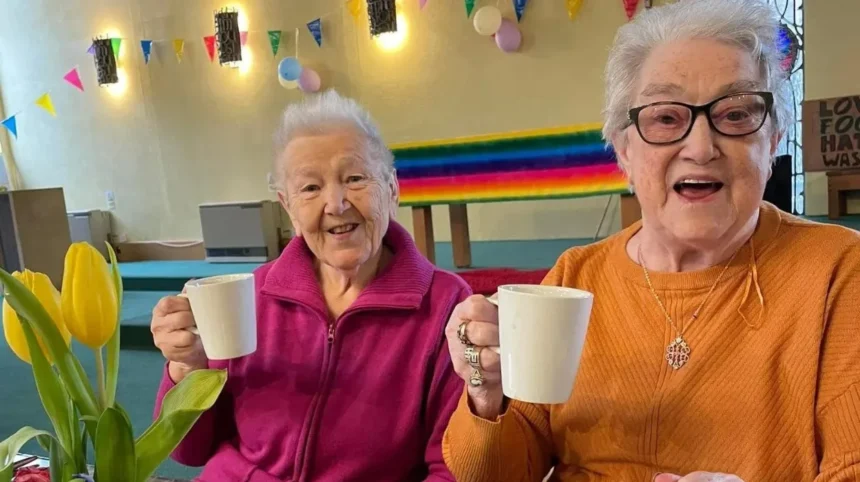
Headingley, a residential and commercial area in north-west Leeds, West Yorkshire, offers access to community organisations, health services, social activities and practical assistance for older residents. Local support connects older people with advice, social contact, accessible activities and services that help them maintain independence.
- What community support is available for older residents in Headingley?
- How does Headingley’s community infrastructure support older people?
- Which organisations help older residents in Headingley?
- Where can older residents find social activities and companionship in Headingley?
- Community centres and neighbourhood venues
- Faith communities
- Exercise and creative activities
- Volunteering and intergenerational activities
- How can older people in Headingley access befriending and loneliness support?
- What health and wellbeing services can older residents access in Headingley?
- GP practices and primary care
- Pharmacies
- NHS urgent and emergency services
- Community health and rehabilitation
- Adult social care assessments
- What financial advice and benefits support is available to older residents?
- How can older residents access transport and mobility assistance in Headingley?
- What housing and home support services help older people remain independent?
- Home care and personal assistance
- Home adaptations
- Disabled Facilities Grants
- Housing advice and repairs
- Support for unpaid carers
- How can older residents stay safe and access safeguarding support?
- How can families and carers find the right support for an older resident?
- How does Headingley’s history shape its community support today?
- What challenges affect access to community support for older residents?
- How can older residents get started with community support in Headingley?
Community support for older residents includes organised social groups, befriending services, welfare advice, transport assistance, healthcare, home support and opportunities for volunteering. These services address common challenges associated with ageing, including loneliness, reduced mobility, financial pressure and difficulty accessing essential services.
Headingley benefits from its position within Leeds, a major city with public services and voluntary organisations supporting older people across different neighbourhoods. Residents can use local community facilities and wider Leeds services to find appropriate assistance. Family members, carers and visiting relatives also benefit from knowing where to find reliable information.
What community support is available for older residents in Headingley?
Community support in Headingley includes social activities, welfare advice, healthcare, befriending and practical assistance for older residents. Local community organisations provide opportunities for social contact, while Leeds-wide services help people access care assessments, financial guidance, housing support and information about independent living.
Support is available through different organisations, depending on an individual’s circumstances. Some services focus on preventing loneliness, while others address physical health, financial difficulties or care needs.
Community centres, faith organisations, voluntary groups and local charities provide important routes into neighbourhood support. Activities include social gatherings, exercise sessions, lunch clubs and organised events. These activities help older residents maintain social connections and participate in community life.
Leeds City Council provides information about adult social care, independent living and support for carers. Its services help residents understand eligibility for assessments and identify assistance suited to their needs. Voluntary organisations complement statutory services by providing information, companionship and practical help.
Older residents do not need to wait until they experience a serious problem before seeking support. Contacting a community organisation early helps people identify suitable activities, build relationships and understand available services.
The most appropriate starting point depends on the type of help required. Someone seeking companionship benefits from a social group or befriending service. Someone struggling with daily activities needs information about adult social care and practical support.
How does Headingley’s community infrastructure support older people?
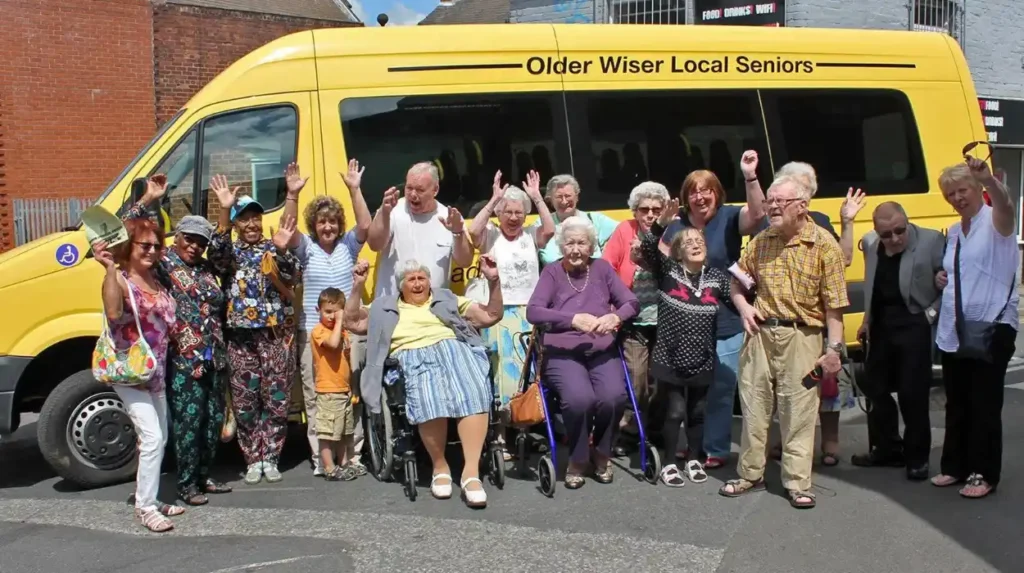
Headingley’s community infrastructure includes public transport, neighbourhood shops, healthcare facilities and community venues. These local amenities help older residents reach essential services, maintain everyday routines and participate in social activities, particularly when organisations provide accessible facilities and information.
Headingley sits within the wider Leeds urban area and has established residential streets, commercial premises and public transport connections. This setting gives residents access to everyday amenities without requiring every service to operate exclusively within the neighbourhood.
Local shops, pharmacies, cafés and other businesses provide places to complete daily errands. Community venues create opportunities to meet other residents and participate in organised activities. Accessible entrances, seating, suitable toilets and clear information improve the usability of these facilities for people with mobility or sensory impairments.
Public transport also influences access to support. Bus connections along major routes through Headingley link residents with other parts of Leeds, including healthcare facilities, shopping areas and community organisations. Passengers should check current routes, timetables and accessibility information before travelling.
Older residents who have difficulty walking long distances benefit from planning journeys around the location of bus stops, seating and accessible entrances. Family members and carers can help identify practical routes for regular appointments and social activities.
Community infrastructure is most effective when services coordinate with residents’ actual needs. Clear referral information, accessible venues and reliable communication help older people discover support without navigating unnecessary administrative barriers.
Which organisations help older residents in Headingley?
Older residents in Headingley can approach Leeds City Council, Age UK Leeds, local voluntary organisations and community groups for information about support. Each organisation has a different role, ranging from adult social care and benefits advice to companionship, practical assistance and social participation.
Finding the correct organisation depends on the issue involved. Statutory services assess eligible care needs, while charities and voluntary groups provide additional forms of support.
Leeds City Council
Leeds City Council is the local authority responsible for adult social care and a range of public services across Leeds. Its adult social care information helps residents understand care assessments, support options and routes to professional advice.
Older people who struggle with washing, dressing, preparing meals or managing everyday tasks should contact the council’s adult social care service. A needs assessment establishes the difficulties a person faces and identifies appropriate support.
The council also provides information about safeguarding, which means protecting adults at risk of abuse or neglect. Anyone concerned about an older person’s safety should use the council’s official safeguarding channels or contact emergency services when immediate danger exists.
Age UK Leeds
Age UK Leeds is a local charity supporting older people in Leeds. Its work connects older residents with information, advice and opportunities to improve wellbeing.
Older residents and their families can contact the organisation to ask about current services, available advice and local activities. Assistance depends on the service offered, eligibility requirements and current availability.
Age UK Leeds is a useful contact for people who need help understanding where to start. Its advice services also help older people and carers identify other organisations when a particular issue falls outside the charity’s remit.
Leeds Older People’s Forum
Leeds Older People’s Forum is an organisation that supports older people’s participation in decisions affecting their lives. It connects older residents, community groups and organisations working on issues affecting later life.
Its work includes promoting older people’s voices and encouraging collaboration between organisations. This role is particularly relevant to residents interested in community consultations, local campaigns and improving services.
Older people who want to contribute to neighbourhood discussions can use the forum’s information to explore participation opportunities and relevant initiatives.
Local voluntary and faith organisations
Voluntary organisations and faith communities provide additional routes to social connection and practical support. Examples include community coffee mornings, befriending initiatives, shared meals and volunteer-led activities.
Availability differs between venues, and not every group offers dedicated services for older people. Residents should confirm opening hours, accessibility, costs and referral requirements before attending.
A local organisation can also help someone contact a larger charity or council service when the required assistance falls outside its own activities.
Where can older residents find social activities and companionship in Headingley?
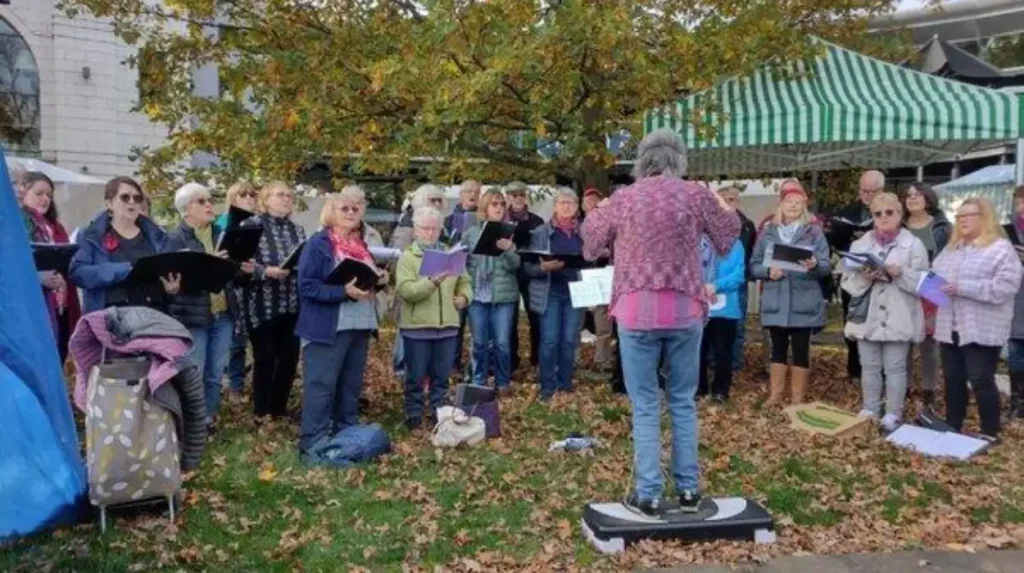
Older residents can find companionship through community centres, faith groups, volunteering opportunities, social clubs and organised activities in Headingley and neighbouring Leeds communities. Regular participation helps people establish friendships, maintain routines and discover further support through trusted local contacts.
Social participation is an important part of healthy ageing. Retirement, bereavement, reduced mobility and changes in family circumstances sometimes reduce opportunities for everyday conversation. Community activities offer structured ways to reconnect with other people.
Community centres and neighbourhood venues
Community venues provide space for gatherings, classes, meetings and local events. Some host activities suitable for older adults, while others welcome residents of different ages.
Residents should ask venue organisers about existing groups, session times, accessibility and any membership requirements. A venue that offers a general community programme can still provide useful opportunities for older residents to meet neighbours.
Faith communities
Churches and other faith communities often organise social gatherings, pastoral visits, shared meals and volunteer activities. These activities can provide a familiar setting for people who value community relationships.
Residents do not necessarily need to participate in religious services to ask whether a community offers suitable social activities. Organisers can explain attendance arrangements and whether activities welcome people from outside the congregation.
Exercise and creative activities
Suitable group activities include gentle exercise, walking groups, crafts, music sessions and educational classes. Examples include seated exercise for people with limited mobility, art workshops for creative engagement and guided walks for residents who can manage outdoor routes.
Older participants should choose activities appropriate to their health, mobility and confidence. Anyone with specific medical or mobility concerns should seek advice from a relevant healthcare professional before beginning a new exercise programme.
Volunteering and intergenerational activities
Volunteering gives older residents opportunities to share knowledge, develop friendships and contribute to neighbourhood projects. Examples include helping at community events, supporting charity activities and sharing professional or practical skills.
Intergenerational activities bring younger and older people together through shared tasks, learning or conversation. These programmes encourage community participation and create opportunities for people of different ages to learn from one another.
Before joining any activity, residents should confirm whether the organiser accommodates mobility aids, hearing difficulties, dietary requirements or other access needs.
How can older people in Headingley access befriending and loneliness support?
Older people experiencing loneliness can seek support through local charities, community groups, faith organisations and befriending services operating across Leeds. Depending on availability and eligibility, support includes telephone conversations, regular visits, group activities and help connecting with community resources.
Loneliness describes the distress associated with a lack of satisfying social connection. Social isolation refers to having limited social contact or relationships. The two experiences are related but not identical.
An older person who lives alone does not automatically experience loneliness. Equally, someone living with family can feel isolated when meaningful social contact is limited.
Befriending services aim to provide consistent social contact. A volunteer or trained befriender typically offers conversation and companionship according to the organisation’s arrangements. Some services use telephone calls, while others organise visits or group activities.
Availability varies, and services sometimes require a referral, an introductory assessment or a waiting period. Residents should contact the organisation directly to confirm whether it accepts new participants in Headingley.
Family members, neighbours and carers can also help by identifying interests and arranging manageable social opportunities. Regular contact, attendance at a weekly activity or participation in a community meal creates a predictable routine.
People experiencing persistent low mood, distress or loss of interest in everyday activities should also speak to a healthcare professional. Social support complements healthcare but does not replace professional assessment when mental health concerns require attention.
A useful first step is to contact Age UK Leeds or Leeds Older People’s Forum to identify relevant local opportunities and current initiatives.
What health and wellbeing services can older residents access in Headingley?
Older residents in Headingley can access NHS primary care, pharmacy services, community health support and adult social care through local and Leeds-wide providers. The appropriate route depends on whether a person needs routine medical care, urgent treatment, ongoing assistance or help managing daily activities.
Healthcare and community support address different needs, although they often work together. A GP assesses health concerns, while adult social care focuses on how physical, cognitive or other difficulties affect daily living.
GP practices and primary care
General practitioners provide first-contact medical care, manage long-term conditions and refer patients to specialist services when appropriate. Residents should use their registered practice for routine medical concerns and medication reviews.
People who have difficulty attending appointments should explain their access needs to the practice. Staff can clarify available arrangements and advise on suitable services.
Pharmacies
Community pharmacies provide access to prescribed medicines and advice about their appropriate use. Pharmacists also explain medication instructions and direct patients to other healthcare services when necessary.
Older residents managing several prescriptions should maintain an up-to-date medication list and ask a pharmacist or GP about questions concerning interactions, missed doses or changes to treatment.
NHS urgent and emergency services
The correct healthcare route depends on the seriousness of the symptoms. NHS 111 provides guidance for urgent medical problems that are not immediately life-threatening. A life-threatening emergency requires a call to 999.
Community health and rehabilitation
Some older people need help recovering mobility after illness, injury or hospital treatment. Depending on clinical assessment, support includes rehabilitation, physiotherapy and other community health services.
Healthcare professionals determine which services are appropriate and explain referral arrangements. Family members should share relevant information about mobility, medication management and difficulties with everyday activities.
Adult social care assessments
An adult social care assessment considers how a person’s circumstances affect everyday life. It identifies care and support needs, personal goals and relevant options.
Residents should contact Leeds City Council when daily tasks become difficult to manage independently. The council explains the assessment process and any applicable eligibility and financial assessment requirements.
What financial advice and benefits support is available to older residents?
Older residents in Headingley can seek financial guidance through government services, Citizens Advice, Age UK Leeds and relevant welfare advice organisations. Support covers benefit eligibility, pension questions, household costs, debt concerns and assistance understanding official forms or application processes.
Financial difficulties affect access to heating, food, transport, housing and social activities. Early advice helps residents understand their entitlements and identify appropriate support.
Pension Credit
Pension Credit is a means-tested benefit that provides additional financial support to eligible people who have reached State Pension age. Eligibility depends on income and circumstances, including relevant savings, housing costs and household arrangements.
Receiving Pension Credit also provides access to certain additional forms of assistance, subject to the rules for each scheme. These include potential entitlement to help with housing costs and other support.
Attendance Allowance
Attendance Allowance is a benefit for eligible people who have reached State Pension age and need help with personal care or supervision because of a disability or health condition. Eligibility depends on the person’s care needs rather than simply the name of their diagnosis.
The benefit has specific rules, including requirements relating to the duration of care needs. Residents should review the official criteria before applying.
Citizens Advice
Citizens Advice provides information and guidance on issues including benefits, debt, housing and consumer problems. Its advisers help people understand their options and identify appropriate next steps.
Older residents who struggle with forms, correspondence or benefit decisions should ask about available advice arrangements. Service delivery and appointment availability differ between locations.
Council tax and housing costs
Some older residents qualify for Council Tax Reduction, depending on their circumstances and the local scheme’s rules. Other forms of assistance depend on income, household composition, property circumstances and benefit entitlement.
People concerned about rent, mortgage payments or housing costs should seek advice before arrears become difficult to manage. Leeds City Council and Citizens Advice provide starting points for identifying relevant support.
Residents should use official application channels and avoid sharing bank details or passwords with unsolicited callers claiming to provide benefits assistance.
How can older residents access transport and mobility assistance in Headingley?
Transport assistance helps older residents reach medical appointments, shops, social activities and community services. Options include accessible public transport, eligible concessionary travel, community transport schemes and journey planning support, subject to current service availability, local rules and individual eligibility.
Reliable transport supports independence by connecting people with essential services and social opportunities. However, the most suitable option depends on mobility, journey distance, cost and whether assistance is needed during the trip.
Concessionary bus travel
Eligible older residents can apply for a concessionary travel pass under the English National Concessionary Travel Scheme. The scheme generally provides free off-peak local bus travel in England, subject to applicable rules and restrictions.
The qualifying age usually follows the State Pension age for women. Residents should check their eligibility and the precise conditions applying to their pass.
Accessible public transport
Bus operators provide route and accessibility information to help passengers plan journeys. Residents should check whether a particular service accommodates their mobility needs and whether stops provide suitable access.
For people using walking aids or wheelchairs, advance planning reduces uncertainty about boarding, interchange points and the distance between stops and destinations.
Community transport
Community transport services provide specialised travel arrangements for people who struggle to use ordinary public transport. Examples include pre-booked journeys to medical appointments, accessible group transport and volunteer-supported transport where local schemes offer these services.
Eligibility, charges, booking deadlines and service areas differ between providers. Older residents should contact relevant local organisations to confirm whether transport is available in Headingley.
Blue Badge parking
The Blue Badge scheme supports eligible people with severe mobility difficulties and certain other qualifying disabilities. It provides parking concessions under the scheme’s rules.
Age alone does not qualify someone for a Blue Badge. Applicants must meet the relevant eligibility criteria.
What housing and home support services help older people remain independent?
Housing and home support help older residents manage everyday tasks, maintain safe living conditions and remain independent where appropriate. Assistance includes care assessments, adaptations, housing advice and information about repairs, equipment and support for people experiencing difficulties at home.
Remaining at home depends on the suitability of the property, the person’s care needs and the availability of appropriate support. A housing problem sometimes requires practical repairs rather than personal care, while other situations need a combination of services.
Home care and personal assistance
Home care supports people who need assistance with daily activities. Depending on assessed needs and arrangements, this includes help with washing, dressing, preparing meals and maintaining routines.
Residents who struggle with these activities should contact adult social care for information about assessment and available options. Funding and eligibility depend on the applicable rules and individual financial circumstances.
Home adaptations
Adaptations improve safety and accessibility inside the home. Examples include grab rails, improved lighting, accessible bathing facilities and changes that reduce difficulties moving between rooms.
An occupational therapist assesses functional difficulties and recommends suitable equipment or adaptations where appropriate. Some assistance is available through council services or other relevant programmes.
Disabled Facilities Grants
A Disabled Facilities Grant helps eligible disabled people pay for qualifying adaptations to their home. In England, the grant is administered through the local authority and is subject to eligibility, assessment and financial rules.
Examples of eligible work include adaptations that improve access to essential facilities. Approval and the scope of funding depend on the circumstances and the proposed work.
Housing advice and repairs
Older residents experiencing damp, unsafe conditions, disrepair or difficulty managing housing costs should seek appropriate advice. The correct route depends on whether the property is privately rented, social housing or owner-occupied.
Leeds City Council provides housing information, while Citizens Advice helps residents understand relevant rights and options. Tenants should retain written records of repair requests and important correspondence.
Support for unpaid carers
An unpaid carer is someone who provides care or practical assistance to a family member, friend or neighbour without being employed to do so in that role.
Carers often need information about assessments, respite arrangements and help balancing responsibilities. Leeds City Council provides information about carers’ assessments and relevant support options.
Family members should seek advice before caring responsibilities become unmanageable. Early planning helps identify practical assistance and protect the wellbeing of both the carer and the older person.
How can older residents stay safe and access safeguarding support?
Older residents who experience abuse, neglect, exploitation or unsafe living conditions need access to appropriate safeguarding services. Leeds City Council provides adult safeguarding information, while emergency services respond to immediate danger and healthcare professionals address urgent medical concerns.
Adult safeguarding means protecting an adult’s right to live safely, free from abuse and neglect. It includes recognising concerns, reporting them through appropriate channels and coordinating responses where required.
Abuse takes different forms, including physical harm, emotional abuse, financial exploitation, neglect and coercive control. Financial abuse includes taking money without permission or pressuring someone to change financial arrangements.
Warning signs include unexplained financial losses, repeated injuries, untreated health problems or another person preventing an older adult from communicating independently. These signs require careful attention and an appropriate response.
Anyone concerned about an older person’s safety should contact Leeds City Council’s adult safeguarding service for guidance. If someone faces immediate danger or requires urgent emergency assistance, call 999.
Older people should also take precautions against scams. Unsolicited callers, unexpected messages and requests for passwords or banking details require caution. Residents should verify organisations through official contact details rather than using contact information supplied in suspicious messages.
Friends, relatives and neighbours can help by listening without judgement and respecting the older person’s dignity. Safeguarding responses should account for the person’s circumstances, wishes and applicable legal protections.
How can families and carers find the right support for an older resident?
Families and carers can identify suitable support by discussing the older person’s needs, contacting the relevant service and checking eligibility, costs and accessibility. Starting with adult social care, Age UK Leeds or a trusted healthcare professional helps clarify the next steps.
A clear assessment of needs makes referrals more effective. Families should identify the difficulties involved, the type of assistance required and whether the situation is urgent.
For example, an older person experiencing loneliness needs a different response from someone unable to prepare meals safely. A person struggling with bills needs financial guidance, while someone with increasing care needs requires information about adult social care.
When contacting an organisation, prepare basic information about the problem, the preferred contact method and any access requirements. Avoid sharing unnecessary personal information until the organisation’s identity and purpose have been confirmed.
The following approach helps families organise their search:
- Identify the main concern, such as companionship, healthcare, benefits or home support.
- Contact the organisation responsible for that type of service.
- Ask about eligibility, waiting times, costs and referral requirements.
- Explain mobility, communication or accessibility needs.
- Record agreed actions and follow up when necessary.
The older person’s preferences should remain central to the process. Families can provide practical help, but support arrangements should respect the person’s independence, privacy and ability to make decisions.
Where several needs overlap, ask the relevant professional or organisation about coordinated support. A GP, social worker or advice service can explain suitable referral routes.
How does Headingley’s history shape its community support today?
Headingley’s development from a historic settlement into a busy Leeds neighbourhood has shaped its residential character, local institutions and connections with the wider city. Its established community infrastructure provides a setting for modern services, voluntary activities and neighbourhood participation among older residents.
Headingley has historical roots that pre-date its present role as an urban neighbourhood. Its development reflects changes in settlement patterns, transport, housing and the expansion of Leeds.
Older buildings, established streets and long-running institutions contribute to the area’s local identity. Community life also changes as residents’ needs, housing arrangements and service provision evolve.
For older residents, local history provides context for understanding neighbourhood identity and the importance of community relationships. Historical societies, libraries and local heritage activities also offer opportunities for learning and social participation.
As you explore the modern neighbourhood, you are crossing an area with a long and distinctive heritage. Read the full [Insert Anchor Text for Headingley History Article Here] to understand how Headingley’s past shaped its present-day community.
This single historical cross-link connects the current support guide with a dedicated history article, helping readers discover related information without shifting the main focus away from older residents’ needs.
Explore More Area Guide
Headingley Food Banks and Community Food Support Guide
Headingley Guide to Reusable Household Products and Eco-Friendly Shopping
What challenges affect access to community support for older residents?
Older residents sometimes face barriers involving mobility, digital access, transport costs, complex application procedures and limited awareness of available services. Clear information, accessible venues, telephone contact options and coordinated referrals help organisations make support easier to find and use.
A service is useful only when people can access it. Residents who do not use the internet regularly need telephone numbers, printed information or assistance from trusted people.
Physical accessibility is another important consideration. Venues with steps, inadequate seating or inaccessible toilets create difficulties for people with mobility impairments. Organisers should explain access arrangements before a person attends.
Financial barriers also affect participation. Transport fares, activity charges and household expenses limit some residents’ choices. Residents should ask whether an organisation offers concessions, free sessions or assistance with transport.
Service availability can change because of funding, staffing and volunteer capacity. An organisation’s website does not guarantee that every listed activity currently accepts participants. Direct confirmation remains important.
Communication barriers affect people with hearing loss, sight loss or cognitive difficulties. Organisations can improve access by providing clear written information, suitable communication formats and additional time for conversations.
Families and community workers can help older residents navigate these barriers. However, assistance should preserve the person’s dignity and avoid making decisions on their behalf without appropriate authority.
How can older residents get started with community support in Headingley?
Older residents should begin by identifying their main support need and contacting a suitable local or Leeds-wide organisation. Leeds City Council, Age UK Leeds, Leeds Older People’s Forum and NHS services provide starting points for care, advice, companionship and health-related concerns.
The most effective route depends on the problem. Social activities and befriending services address companionship, while adult social care assessments help people understand support for daily living. Benefits advisers explain financial entitlements, and healthcare professionals assess medical concerns.
Residents should confirm current service availability, eligibility, costs and opening hours before making plans. They should also ask about accessibility and alternative contact methods when travelling or communicating presents difficulties.
Community support works best when people seek assistance early and receive information suited to their circumstances. A conversation with a trusted organisation helps clarify options, identify appropriate referrals and establish a manageable next step.
Headingley residents benefit from combining neighbourhood relationships with the wider support network available across Leeds. By using verified information and appropriate services, older people, families and carers can find practical assistance while supporting independence, safety and meaningful participation in community life.
What community support is available for older residents in Headingley?
Older residents in Headingley can access social activities, befriending services, welfare advice, healthcare, home care and community groups. Leeds City Council, Age UK Leeds and local voluntary organisations help residents find appropriate support.