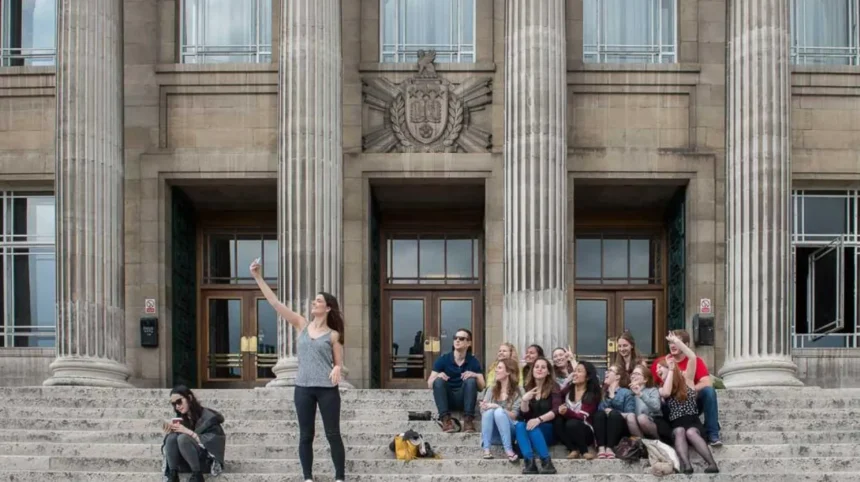
Headingley is one of Leeds’s major student areas and provides access to a wide range of university societies for students interested in art, music, writing, photography, performance and other creative activities. The area sits close to major higher education campuses and has strong transport links to Leeds city centre, where many student events and cultural organisations operate.
- What are university societies for creative students?
- Which creative university societies can students find near Headingley?
- How do creative societies support artistic development?
- How can students join creative societies in Leeds?
- What happens at creative society meetings and events?
- Why are creative societies important for students living in Headingley?
- What creative opportunities exist beyond university societies?
- How do creative societies help students build professional skills?
- How can visitors and non-students experience Headingley’s student creativity?
- What should creative students consider before choosing a society?
- What is the long-term value of Headingley’s creative student community?
- How can students make the most of creative opportunities in Headingley?
University societies are student-led groups organised around shared interests, activities or identities. Creative societies give students structured opportunities to practise skills, meet collaborators, organise events and participate in artistic projects outside formal academic study.
For visitors and leisure travellers, Headingley’s student culture also explains much of the area’s independent character. Cafés, music venues, bookshops, community spaces and cultural events serve a population with strong links to Leeds’s universities. Residents, digital nomads and business travellers can also encounter public exhibitions, performances and creative events connected with student communities.
The University of Leeds and Leeds Beckett University are major higher education institutions in Leeds. Their student communities support societies covering a broad range of creative interests. Leeds University Union and Leeds Beckett Students’ Union provide important structures for student activities, although individual societies operate with their own committees, programmes and membership arrangements.
Creative participation also connects Headingley’s modern student identity with the area’s longer development. As you explore the modern neighbourhood, you are moving through a place shaped by changing communities and institutions. Read about the full [Insert Anchor Text for History Article Here] to understand its origins.
What are university societies for creative students?
University societies for creative students are organised groups that bring together people with shared artistic interests. They provide regular activities, practical learning, social connections and opportunities to create public work through events, workshops, performances, publications and collaborative projects.
A university society operates separately from a degree course. Academic programmes provide assessed teaching and qualifications, while societies generally focus on voluntary participation and student-led activities.
Creative societies cover both established art forms and specialist interests. Common categories include visual arts, such as drawing, painting and illustration; performing arts, such as theatre, dance and comedy; written arts, such as creative writing, poetry and journalism; and media activities, such as photography, filmmaking and radio.
Each category contains different practical activities. A photography society can organise photo walks and image critiques. A creative writing group can run writing sessions and readings. A theatre society can stage productions and manage auditions, technical work and publicity.
The student-led structure is an important feature. Many societies have elected committees responsible for administration. Typical committee roles include a president, secretary and treasurer. Larger societies can also appoint officers for events, welfare, publicity or specific creative activities.
This structure gives members experience beyond the artistic activity itself. Students learn how to organise meetings, manage budgets, promote events and work with venues. These practical responsibilities support creative projects while developing transferable organisational skills.
Which creative university societies can students find near Headingley?
Students living in or visiting Headingley can access creative communities linked to Leeds universities, including groups focused on visual art, music, writing, photography, film, theatre, dance and media production. Available societies and programmes change through student demand and annual registration.
The University of Leeds has a large student population and a substantial student activities programme. Its societies cover cultural, creative, academic and recreational interests. Leeds Beckett University also supports student activities across its campuses and maintains student communities connected with creative subjects and wider leisure interests.
Visual arts societies provide one route into regular creative practice. Activities often include group drawing sessions, workshops and collaborative projects. These groups are particularly useful for students whose academic courses do not include studio-based art.
Music societies cover different forms of participation. Examples include instrumental ensembles, singing groups and specialist music communities. Activities can include rehearsals, concerts and social events. Public performances also connect university music with wider audiences in Leeds.
Writing societies create spaces for producing and discussing written work. Examples include creative writing groups, poetry communities and student publications. Members can share drafts, attend workshops and contribute to magazines or online platforms.
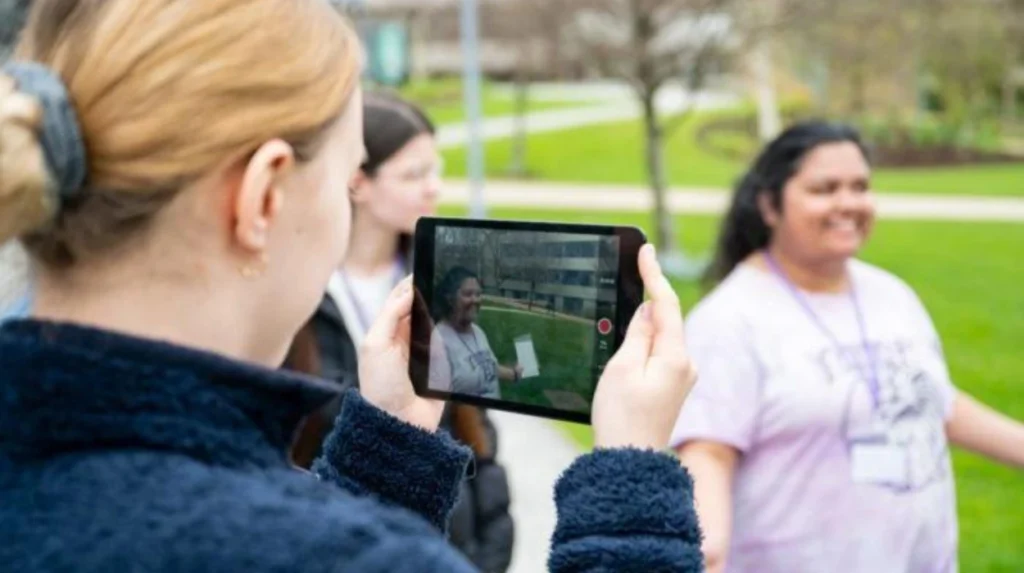
Photography and film societies focus on visual storytelling and technical production. Typical activities include photo walks, editing sessions, screenings and collaborative shoots. These groups often bring together beginners and experienced participants.
Performing arts societies cover several disciplines, including theatre, dance and comedy. Productions require performers and backstage contributors. Students can therefore participate through acting, directing, lighting, costume, stage management or event promotion.
Headingley’s location makes these activities relevant to a wider local audience. Visitors can look for public performances, exhibitions and screenings organised by university groups. Residents can also follow university event listings when activities are open beyond the student membership.
How do creative societies support artistic development?
Creative societies support artistic development through regular practice, peer feedback, practical workshops and collaborative production. Members develop technical skills while working with people from different academic backgrounds, levels of experience and creative disciplines.
Regular participation is central to skill development. A student who attends a weekly drawing session spends more time practising observation and technique. A musician who attends rehearsals develops ensemble skills. A writer who receives structured feedback gains experience revising work for an audience.
Peer feedback provides another important mechanism. University societies bring together participants with different levels of knowledge. Constructive discussion helps members identify strengths and areas for improvement.
Workshops provide more focused learning. A photography workshop can cover camera settings or editing software. A theatre workshop can address performance techniques. A writing session can examine structure, dialogue or editing.
Collaborative production adds another level of experience. Creative work often requires several contributors. A student film requires performers, camera operators and editors. A stage production requires performers and technical teams. A publication requires writers, editors and designers.
These activities also create a practical portfolio. A portfolio is a collection of work that demonstrates skills and experience. Examples include photographs, recorded performances, published articles, short films and exhibition pieces.
Portfolio development is relevant to students seeking employment in creative industries. It also gives participants a documented record of work completed outside their formal course.
How can students join creative societies in Leeds?
Students generally join university societies through their institution’s student union or activities system. Registration requirements, membership fees, eligibility rules and event schedules differ between organisations, so students should check current official society information before participating.
The joining process usually begins with identifying a society that matches a student’s interests. Student union directories and activities platforms list registered groups and provide information about membership.
Freshers’ events are another common introduction point. Universities traditionally hold activities fairs where societies promote their programmes and meet prospective members. These events give students direct access to committee members and current participants.
Membership arrangements differ. Some societies charge an annual fee to cover administration, equipment or activities. Others charge additional fees for specific workshops or events. Students should review the full cost before joining.
A society’s eligibility rules also matter. Some activities are designed primarily for enrolled students, while public events can welcome visitors. External participation depends on the individual organisation and the venue.
Students do not need to limit themselves to one activity. Someone studying a non-creative subject can participate in photography and theatre. A creative arts student can join a writing group to develop another discipline.
The most effective approach is to review current programmes at the beginning of the academic year and continue checking event calendars throughout the year. Society activities change as committees organise new projects.
What happens at creative society meetings and events?
Creative society meetings range from informal practice sessions to structured workshops and public events. Members can create work, learn techniques, receive feedback, plan projects and collaborate on performances, exhibitions, publications or media productions.
A regular meeting often focuses on participation. An art group can set a drawing activity. A writing group can use a prompt and discuss completed work. A photography group can review images taken during a previous event.
Workshops usually have a defined learning objective. A specialist speaker or experienced member can introduce a technique and guide participants through practical exercises.
Social events also form part of society activity. These events help members build relationships outside formal creative sessions. Collaboration becomes easier when participants understand each other’s interests and skills.
Public events create a connection between student groups and the wider city. Examples include exhibitions, concerts, performances, screenings and readings. These events can take place on university premises or in independent venues.
Event production requires planning. Organisers need to secure a venue, manage schedules and communicate with participants. Public events also involve accessibility, safety and promotion requirements.
For leisure travellers visiting Headingley, public university-linked events provide an additional route into Leeds’s cultural calendar. Event access depends on ticketing and venue policies, so visitors should always confirm current details before travelling.
Why are creative societies important for students living in Headingley?
Creative societies provide students in Headingley with organised social and cultural activities beyond academic study. They connect students across courses, encourage regular participation and create opportunities to engage with Leeds’s wider arts, music and cultural environment.
Headingley has long been associated with student accommodation because of its location and transport connections. Students therefore need activities that extend beyond classrooms and private housing.
Societies provide a structured setting for meeting people. This is particularly important for students arriving in a new city. A shared activity creates a direct reason for regular contact.
Creative participation also supports a balanced student routine. University study involves lectures, independent reading and assessment. Artistic activities introduce practical and social experiences into the weekly schedule.
Leeds has a large cultural sector that includes theatres, galleries, music venues and independent creative businesses. Student societies connect participants with this wider environment through events, collaborations and audiences.
The benefits also extend beyond students. Public performances and exhibitions add activity to the city’s cultural calendar. Independent venues can work with student organisers and reach new audiences.
For local residents, university societies represent part of the wider community infrastructure. They bring young people into neighbourhood activities and create opportunities for cultural exchange.
What creative opportunities exist beyond university societies?
University societies are one part of Leeds’s creative landscape. Students can also participate in independent workshops, public cultural events, community arts organisations, volunteering programmes and informal creative groups across Headingley and the wider city.
Independent creative activity gives students additional ways to develop interests. Leeds contains galleries, libraries, cultural venues and community organisations that host workshops and events.
Public libraries support access to books, study spaces and community activities. Cultural institutions provide exhibitions, performances and educational programmes. Independent businesses can host creative workshops or informal meetings.
Volunteering is another route into the sector. Arts organisations require support for events, audience services and community programmes. These roles give participants direct experience of cultural operations.
Informal groups also play a role. Not every creative activity requires formal membership. People meet for sketching, writing, photography and other interests through local networks and public venues.
Students should distinguish between university societies and independent groups. University societies are connected to a student institution and often operate under student union rules. Independent organisations set their own membership, safeguarding and participation arrangements.
Using both routes expands the available opportunities. A student can belong to a university photography society while attending public exhibitions and local workshops.
How do creative societies help students build professional skills?
Creative societies build professional skills by combining artistic practice with teamwork, communication, project management and event organisation. Students gain evidence of practical experience through completed work, committee responsibilities, performances and collaborative productions.
Creative careers require more than technical ability. Many projects involve deadlines, budgets and communication between contributors.
A society committee provides direct experience of these responsibilities. The treasurer manages financial records. The events officer coordinates activities. The publicity officer communicates with members and promotes events.
Creative projects also require teamwork. A publication has writers, editors and designers. A film has performers and production staff. A performance requires creative and technical contributors.
Students learn to explain ideas clearly. They also learn to accept feedback and revise work. These skills apply across creative employment and other professional sectors.
Completed projects provide concrete evidence of participation. An employer or collaborator can assess a published article, exhibition contribution or production credit more easily than a general claim of interest.
Leadership opportunities increase this value. Students who organise events or lead projects demonstrate responsibility alongside creative skills.
Professional development therefore becomes an indirect but significant outcome of society participation. The primary purpose remains shared creative activity, but the experience also creates documented skills and work.
How can visitors and non-students experience Headingley’s student creativity?
Visitors and non-students can experience Headingley’s student creativity by attending public events, following local cultural listings and exploring venues that host exhibitions, music, performance and other artistic activities. Access depends on each event’s audience and ticketing arrangements.
University societies are primarily student organisations, so general membership is not automatically available to visitors. Public-facing events provide the clearest route for non-students to engage with student creative activity.
Performances are particularly accessible. Theatre productions, concerts and comedy events often use ticketed venues. Exhibitions and screenings also provide public opportunities.
Headingley itself offers a useful base for exploring Leeds. Its transport connections link the area with university campuses and the city centre.
Visitors should check the organiser rather than relying on older event information. Society committees change each academic year, and programmes are regularly updated.
This approach also benefits business travellers. A short stay can include an evening performance, exhibition or cultural event alongside work commitments.
Digital nomads can use Headingley as a base for combining work with local cultural exploration. Public venues, cafés and libraries provide different environments, subject to each location’s facilities and access rules.
The key distinction is between discovering student culture and joining a student society. Public events are designed for broader audiences when organisers advertise them as open. Membership remains subject to institutional rules.
What should creative students consider before choosing a society?
Creative students should compare activities, costs, meeting times, commitment levels and opportunities for participation before joining a society. The best choice depends on the student’s interests, available time, experience level and preferred form of creative practice.
The first consideration is the type of activity. Students should identify whether they want regular practice, formal performances, technical training or social creative sessions.
Time commitment is equally important. Some societies meet weekly. Production-based groups can require additional rehearsals or preparation before a major event.
Costs should be checked in advance. Membership fees and event charges affect the overall commitment. Specialist activities can also involve personal equipment or materials.
Experience level matters. Many university societies welcome beginners, but some activities require specific knowledge or auditions for particular roles. Current entry requirements should always be confirmed directly with the organisation.
Students should also consider the opportunity to participate actively. A large organisation can offer extensive events but a more specialised role. A smaller group can provide closer involvement in planning and production.
Trying an introductory event helps students assess the format. Societies often provide opportunities to meet existing members before committing significant time.
Creative interests also change. Students can review their activities during the academic year and join new groups when their schedules allow.
Explore More Area Guide
Headingley Graduation Day Guide for Visiting Families
Headingley Exam Preparation Resources and Study Spaces
What is the long-term value of Headingley’s creative student community?
Headingley’s creative student community contributes to Leeds by connecting education, cultural participation and local activity. University societies develop new creative work, support social networks and introduce successive student populations to the city’s established cultural infrastructure.
University students form a changing population. New cohorts arrive each year, while graduating students leave university and often enter employment or further study.
Creative societies provide continuity within this cycle. Committees pass responsibilities to new members. Activities continue even as individual participants change.
This process supports the wider creative economy. Students gain experience, attend cultural events and form professional networks. Some graduates remain in Leeds and contribute to its businesses and cultural organisations.
The relationship between universities and the city is therefore significant. Higher education institutions provide students and resources, while the wider city provides venues, audiences and professional opportunities.
Headingley benefits from this relationship through its role as a major student neighbourhood. Its streets, businesses and public spaces form part of the daily environment in which students socialise and organise activities.
For travellers and residents, understanding university societies adds useful context to Headingley’s identity. The neighbourhood is not only a residential and leisure destination. It is also connected to a large network of student-led cultural activity across Leeds.
How can students make the most of creative opportunities in Headingley?
Students can make the most of creative opportunities by exploring official society information, attending introductory activities, maintaining regular participation and combining university groups with Leeds’s wider cultural events. Consistent involvement produces stronger skills, connections and completed creative work.
A clear starting point is to identify one or two interests. Students should then review current university society directories and event programmes.
Attending an introductory meeting provides practical information that a directory cannot always show. Participants can understand the group’s atmosphere, meeting format and expected commitment.
Regular participation is more valuable than occasional attendance for skill development. A consistent schedule creates time for practice and collaboration.
Students should also look beyond their immediate course. Creative societies bring together people studying different subjects. This creates opportunities for interdisciplinary projects and broader social networks.
Documenting completed work is important. Students should retain copies of publications, photographs, recordings and project information. This creates a personal record of creative development.
Public events provide a final stage for participation. Attending, performing, exhibiting or volunteering connects individual creative activity with a wider audience.
Headingley’s position within Leeds makes this combination practical. Students can participate in campus-based societies while exploring cultural opportunities across the city.
Creative university societies remain an important part of student life because they combine learning with participation. They offer a structured route into artistic activity while giving students control over the projects and communities they build.
For anyone discovering Headingley, these societies also reveal an important part of the neighbourhood’s wider identity. Student creativity reaches beyond university buildings through performances, events, collaborations and connections with Leeds’s cultural life. The result is a continuing network of artistic activity shaped by each new generation of students.
What creative university societies are available near Headingley?
Students near Headingley can access creative societies connected with Leeds universities. Activities include art, music, photography, filmmaking, creative writing, theatre, dance, comedy and student media. Current society options vary each academic year.