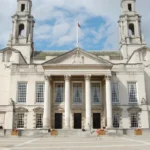
Neighbourhood consultation and local decision-making shape how communities such as Headingley develop, operate and respond to local needs. Residents have formal and informal opportunities to contribute to decisions about planning, transport, public spaces, housing, environmental issues and community services.
- What is neighbourhood consultation in Headingley?
- Who makes local decisions affecting Headingley?
- How can residents take part in local consultations?
- How does planning consultation work in Headingley?
- What happens after a public consultation closes?
- How can people influence decisions before a formal consultation begins?
- Why is accessible consultation important for local democracy?
- What makes an effective response to a local consultation?
- How do petitions and public meetings contribute to local decision-making?
- How can visitors and temporary residents understand local decisions?
- What is the future of neighbourhood consultation and local decision-making?
- Why should Headingley residents understand neighbourhood consultation?
Headingley is a major neighbourhood in north-west Leeds, within the metropolitan area administered by Leeds City Council. Its large student population, long-established residential communities, independent businesses, sports venues and transport connections create a diverse range of local interests. Consultation provides a structured process for gathering views before, during or after important decisions.
Local decision-making is wider than voting in elections. It includes public consultations, planning representations, council meetings, neighbourhood forums, petitions, community engagement and direct contact with elected representatives. Understanding how these systems work helps residents identify the correct route for raising concerns and contributing evidence.
What is neighbourhood consultation in Headingley?
Neighbourhood consultation in Headingley is a structured process through which councils, public bodies, developers and community organisations seek local views before making or implementing decisions affecting the area, its residents, services, buildings, streets and public spaces.
Consultation is a central part of democratic and administrative decision-making. It allows organisations to collect local knowledge, identify concerns and understand how proposals affect different groups.
A consultation normally sets out a specific proposal or question. It also provides a period during which people can submit comments. The organisation running the consultation then considers the responses alongside legal duties, available evidence, budgets and wider policy requirements.
In Headingley, consultation topics can include planning applications, road changes, parking arrangements, transport services, housing policies, environmental projects and public facilities. The responsible organisation depends on the subject.
Leeds City Council leads consultations on many local authority services and policies. Other public bodies consult on matters within their own responsibilities. Private developers also undertake community engagement when preparing significant development proposals.
Consultation does not mean that every suggestion becomes policy. Its purpose is to ensure that relevant views and evidence are considered within the decision-making process.
Why local knowledge matters
Residents and regular users of an area have direct knowledge of streets, facilities and everyday conditions. This information can identify practical issues that are not obvious from maps, technical reports or administrative data.
For example, a proposed change to a road can affect pedestrian movements, bus access, deliveries and residential parking. Local responses can provide evidence about how the area operates at different times of day.
This local evidence becomes more useful when it is specific. A response that identifies a location, explains the issue and describes the effect provides clearer information than a general statement of support or opposition.
Consultation and engagement are different
Consultation usually asks for views on a defined issue or proposal. Community engagement is a broader process of communication and participation.
Engagement can take place before a formal proposal exists. It can include public meetings, workshops, exhibitions, surveys and discussions with community groups.
Both processes contribute to local decision-making. Consultation is generally more structured and time-limited, while engagement can continue throughout the development or delivery of a project.

Who makes local decisions affecting Headingley?
Local decisions affecting Headingley are made by elected councillors, Leeds City Council officers, public authorities, planning bodies, government organisations and other responsible institutions, with each organisation holding powers over specific services, policies and statutory responsibilities.
The United Kingdom uses several levels of government and administration. Different decisions are made by different bodies.
Leeds City Council is the principal local authority for Headingley. It is responsible for a wide range of functions, including local planning, highways, waste services, environmental services and many community-related responsibilities.
Elected councillors represent geographical areas called wards. Councillors make decisions through the council’s democratic structure and represent the interests of people living in their areas.
Council officers are professional employees who administer services, provide specialist advice and implement approved decisions. Officers work within the legal and policy framework established by the council and national legislation.
Some decisions also involve national government departments, transport bodies, health organisations, education providers and other statutory institutions.
How the council decision-making structure works
Local authorities use formal committees, executive arrangements and delegated powers to make decisions.
Council meetings address major policies and constitutional matters. Executive or cabinet arrangements deal with many strategic decisions and service priorities. Committees consider specific areas of responsibility.
Planning decisions follow a separate statutory process. Some applications are determined by planning officers under delegated authority. Others are considered by planning committees, particularly where an application meets criteria requiring elected member consideration.
Meeting agendas, reports and published decisions create an important public record. Residents can use these documents to understand what decision is being considered, what evidence has been presented and which organisation is responsible.
The role of local representatives
Councillors provide a direct connection between residents and local government. They can raise local issues, represent concerns and explain council processes.
Contacting a councillor is appropriate when a person needs help understanding a local issue or wants an elected representative to be aware of a community concern.
However, formal procedures still apply to matters such as planning applications, licensing decisions and statutory consultations. A direct conversation does not replace submitting a response through the official process when a formal representation is required.
How can residents take part in local consultations?
Residents can take part in local consultations by reading official information, completing surveys, submitting written representations, attending public events, responding to planning notices and providing evidence through the consultation channels identified by the responsible organisation.
The first step is identifying the official consultation. Public consultations usually explain the subject, purpose, closing date and method for responding.
A consultation document should be read before submitting comments. It sets out the proposal and identifies the questions being asked.
Responses are strongest when they address the specific consultation topic. Relevant evidence improves the usefulness of a submission.
For example, a resident commenting on a transport proposal can describe a regular journey, identify a specific crossing or explain a documented access problem.
Following consultation deadlines
Formal consultations have closing dates. A response submitted after the deadline can be excluded from the main consultation analysis.
Residents should check dates as soon as they become aware of a consultation. Some processes run for several weeks, while statutory procedures follow specific legal timetables.
Planning consultations also have published periods for comments. The deadline and relevant application details are normally available through the local planning authority’s public information system.
Keeping a record of the consultation reference number and submission confirmation helps residents follow the process after responding.
Attending local events
Some consultations include exhibitions, public meetings or drop-in sessions. These events allow participants to ask questions and examine proposals in greater detail.
Attendance does not always count as a formal written response. Where an official representation process exists, residents should follow the stated submission method to ensure their views are recorded.
Public events are particularly useful when proposals include technical drawings, maps or several connected changes that require explanation.
How does planning consultation work in Headingley?
Planning consultation allows residents and organisations to comment on proposed development before Leeds City Council determines a planning application, with decisions based on planning law, adopted policies, material planning considerations and relevant evidence.
Planning is one of the most visible forms of local decision-making. Development proposals can affect housing, businesses, heritage, traffic, design and the use of land.
A planning application normally contains information about the proposed development. Documents can include application forms, plans, drawings, supporting statements and specialist reports.
The local planning authority publicises applications and provides an opportunity for representations.
What is a material planning consideration?
A material planning consideration is an issue relevant to deciding a planning application. Examples include the effect on highway safety, residential amenity, heritage assets, design and local planning policies.
Personal preference for or against a development is not, by itself, a planning consideration.
A useful planning representation explains the relevant issue and links it to the proposal. For example, comments about overlooking should identify the affected properties or spaces and explain the relationship shown on the plans.
Planning decisions are also guided by adopted development plans and national planning policy.
Understanding the wider history of development
Modern planning decisions sit within the historical development of Headingley. The area’s buildings, streets and community institutions reflect changes in housing, education, transport and leisure over many generations.
As residents consider new proposals, historical context helps explain why particular buildings, streets and places have continuing significance. Read about the full [Insert Anchor Text for Headingley History Article Here] to understand its origins.
Historical context does not automatically prevent development. It provides information that can be relevant when decisions involve heritage, character and the established pattern of an area.

What happens after a public consultation closes?
After a public consultation closes, the responsible organisation reviews responses, analyses evidence, considers legal and policy requirements, publishes findings where required and makes or recommends a decision through its established governance process.
The end of a consultation period is not the end of the decision-making process.
Responses are collected and analysed. Organisations often identify recurring themes, levels of support and specific concerns.
The weight given to responses depends on the type of decision and the legal framework. A consultation response is one source of evidence. Decision-makers also consider professional advice, financial information, equality duties and statutory obligations.
Consultation reports and published outcomes
Many public bodies publish consultation summaries or reports. These documents explain the process and describe the main issues raised.
A published response can also explain changes made after consultation. In some cases, the original proposal proceeds without substantial changes because other legal or policy considerations determine the outcome.
Residents should distinguish between consultation and a referendum. Most consultations collect evidence and views rather than creating a binding public vote.
Decisions and accountability
Once a decision has been made, public records can show how the process developed.
Council reports, meeting minutes and decision notices provide evidence about formal decisions. Planning decisions are generally accompanied by reasons explaining why permission was granted or refused.
These records support transparency. They also help residents understand which issues influenced the final decision.
How can people influence decisions before a formal consultation begins?
People can influence local decisions before formal consultation by raising issues with councillors, participating in community organisations, attending meetings, sharing local evidence and contributing to early engagement when public bodies are developing policies or projects.
Formal consultation is not the only opportunity to participate.
Many policies and projects develop over an extended period. Early engagement helps organisations understand local priorities before proposals become fixed.
Residents can raise issues through elected representatives and established community channels. A local problem supported by clear evidence is easier to define and investigate.
For example, repeated concerns about a street can be documented through dates, locations, photographs where appropriate and descriptions of the effect on residents or visitors.
Community organisations and local networks
Community organisations provide another route for collective participation. Residents’ groups, voluntary organisations, local charities and neighbourhood associations often bring together people with shared interests.
These organisations do not replace individual participation. They can, however, identify common concerns and organise evidence.
Headingley also has a varied local population. Consultation processes need to recognise that students, families, older residents, workers, visitors and business owners can experience the same area differently.
Broad participation improves the evidence available to decision-makers.
Why is accessible consultation important for local democracy?
Accessible consultation ensures that people with different circumstances can understand proposals and submit views, supporting fair participation by providing clear information, reasonable response methods and consideration of equality, language, disability and digital access needs.
A consultation is most effective when affected people can understand the information and use the response process.
Public bodies have legal duties relating to equality and fair administration. Consultation arrangements should recognise barriers that prevent participation.
Digital systems are important, but not everyone has the same access to technology. Clear information and alternative communication methods support wider participation.
Clear information supports informed responses
Technical language can make a consultation difficult to understand. Important documents should explain the proposal, identify the decision being considered and state how people can respond.
Maps and plans require sufficient context. A drawing without a clear location or scale can be difficult for non-specialists to interpret.
Organisations also need to explain whether the consultation concerns an early idea, a preferred option or a final proposal.
This distinction helps participants understand how much scope exists for changes.
Equality and representation
Different groups can experience the same decision in different ways. A change to a public space can affect people with mobility requirements, parents using prams, older residents and people travelling with luggage.
Consultation evidence should reflect these different experiences.
Participation from a wider range of people does not guarantee agreement. It ensures that decision-makers have access to a broader set of relevant information.
What makes an effective response to a local consultation?
An effective consultation response identifies the relevant proposal, gives clear evidence, explains the practical local impact, addresses the questions asked and distinguishes factual information from personal preference, enabling decision-makers to assess the submission accurately.
A concise response can be more effective than a long statement that does not address the consultation.
The strongest starting point is the official question or proposal. Each point should be connected to a specific issue.
Facts should be accurate and clearly described. Where a response refers to a location, service or published policy, it should identify it precisely.
Using evidence
Evidence can include official data, published reports, direct observations and relevant local records.
For example, a response about pedestrian safety can identify a crossing point, the time when problems occur and the nature of the safety concern.
Evidence should not be exaggerated. Accurate information gives decision-makers a clearer basis for assessment.
Residents should also separate issues that belong to different processes. A concern about a specific planning application should normally be submitted through the planning representation process rather than a general council complaint.
Remaining focused
A consultation response does not need to address every local issue.
Each process has a defined purpose. Staying focused helps ensure that the submission is relevant to the decision being made.
Where several issues exist, separate headings or short sections can make a response easier to assess.
How do petitions and public meetings contribute to local decision-making?
Petitions and public meetings contribute to local decision-making by demonstrating organised public concern, creating opportunities for discussion and placing issues within democratic processes, although their formal effect depends on the rules and responsibilities of the receiving authority.
A petition collects support for a defined request. Public meetings provide an opportunity to discuss issues and hear information.
These methods serve different purposes from formal consultation.
A petition can demonstrate that an issue has attracted support from a number of people. The receiving organisation then handles it according to its published procedures.
A public meeting allows questions and discussion. It can improve public understanding but does not automatically create a formal decision.
Choosing the correct participation route
The correct route depends on the issue.
A planning application requires a planning representation. A published consultation requires a consultation response. A service problem often requires a report through the responsible service.
Using the correct channel helps ensure that the issue reaches the people with the authority to act.
Residents can also use several routes when they serve different purposes. For example, a person can submit a formal consultation response while also discussing the wider issue with an elected representative.
How can visitors and temporary residents understand local decisions?
Visitors, students, business travellers and temporary residents can understand local decisions by following official public information, checking consultation notices and recognising that local changes to transport, public spaces and services can affect their everyday use of Headingley.
Local decision-making affects more than permanent residents.
Visitors use streets, public transport, parks, shops and community facilities. Students often live in Headingley for several years and have direct experience of housing and local services. Business travellers and remote workers also use local infrastructure.
Formal participation rights depend on the process. Some consultations are open to anyone with relevant evidence, while others define particular groups or geographical areas.
Staying informed during a visit or temporary stay
Official council information provides the most reliable starting point for current proposals and decisions.
Local libraries, community venues and public notice systems can also provide information about meetings and local activity.
People who are temporarily based in Headingley can still provide useful factual evidence about how a service or place is used.
A regular user of a transport route, for example, has direct knowledge of its practical operation even if they are not a long-term resident.
Explore More Area Guide
Headingley Council Services Guide | Leeds City Council
Reporting Street Problems in Headingley: Leeds Local Guide
What is the future of neighbourhood consultation and local decision-making?
The future of neighbourhood consultation depends on transparent information, accessible digital services, meaningful community participation and clear accountability, as local authorities increasingly combine online engagement with formal democratic procedures and evidence-based decision-making.
Digital technology has changed how consultations are published and how responses are collected. Online systems allow documents to reach a large audience quickly.
However, digital participation does not remove the need for clear governance.
Decision-makers still need reliable evidence, transparent procedures and published reasons for significant decisions.
Combining digital and local participation
Online surveys and consultation portals improve access for many people. Physical events and alternative formats remain important for inclusive participation.
The most effective systems use several methods to reach people with different needs and levels of digital access.
Headingley is likely to continue experiencing change through development, transport planning, environmental priorities and shifting patterns of housing and work.
Local participation will remain important because decisions work best when responsible authorities understand how policies and projects operate in real places.
Building long-term civic awareness
Understanding local government processes is a practical skill.
Residents who know where to find consultation information can respond before a decision is final. People who understand planning procedures can distinguish between relevant planning evidence and broader objections.
Long-term participation also improves accountability. Published agendas, consultation reports and decision records allow the public to follow how an issue progresses from proposal to outcome.
Why should Headingley residents understand neighbourhood consultation?
Understanding neighbourhood consultation helps Headingley residents identify decisions early, contribute relevant evidence through the correct channels, follow official outcomes and take an informed role in shaping the services, places and policies that affect everyday life.
Neighbourhood consultation is part of a wider system of local democracy and public administration.
A consultation gives people a defined opportunity to contribute, but effective participation begins before a response is submitted. People need to understand who is responsible for the issue, what decision is being considered and which process applies.
Headingley’s diverse population makes this understanding particularly important. Local decisions affect permanent residents, students, businesses and people using the area for work, leisure and travel.
Clear, evidence-based participation strengthens the information available to decision-makers. It also helps residents understand why decisions are made and how they can continue to engage with future issues.
The most useful approach is to stay informed, use official sources, respond within published deadlines and provide specific information relevant to the decision. These steps create a clear connection between neighbourhood experience and the formal systems that shape local life in Headingley.
What is a neighbourhood consultation in Headingley?
A neighbourhood consultation is a process used by Leeds City Council, developers, public bodies or community organisations to collect local views on proposals that affect Headingley. Topics can include planning, transport, public spaces, housing and local services.