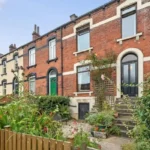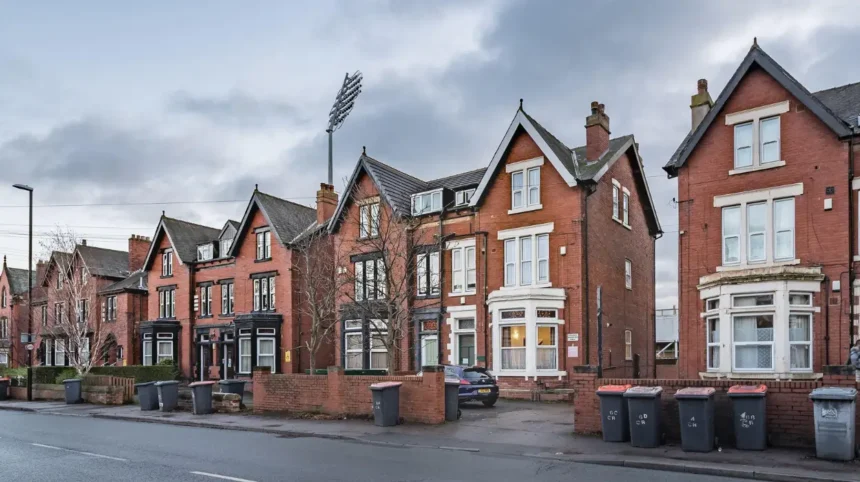
Headingley is a popular residential and student neighbourhood in north-west Leeds, known for its Victorian and Edwardian houses, terraced streets, converted flats, student accommodation and independent properties. Its varied housing stock creates different opportunities for improving energy efficiency, reducing household energy consumption and lowering everyday living costs.
- Why Is Energy Efficiency Important for Homes in Headingley?
- How Does Energy Efficiency Affect Household Expenses?
- How Does Energy Efficiency Support Sustainable Living?
- What Types of Homes in Headingley Need Different Energy-Efficiency Improvements?
- Victorian and Edwardian Terraced Houses
- Converted Houses and Shared Student Accommodation
- Modern Flats and Residential Developments
- How Can Homeowners Identify Energy Loss in a Headingley Property?
- What Is an Energy Performance Certificate?
- Which Areas of a Home Lose the Most Heat?
- Why Should Residents Monitor Energy Bills?
- Which Insulation Improvements Make Headingley Homes More Energy Efficient?
- How Can Heating Systems and Smart Controls Reduce Energy Consumption?
- Programmers and Room Thermostats
- Thermostatic Radiator Valves
- Smart Heating Controls
- Boiler Maintenance and Heating Efficiency
- What Everyday Changes Help Reduce Electricity and Gas Bills?
- Replace Traditional Bulbs with LED Lighting
- Reduce Electricity Consumption from Appliances
- Use Washing Machines Efficiently
- Improve Cooking Efficiency
- Reduce Hot-Water Consumption
- Are Double Glazing and Draught-Proofing Worthwhile for Older Headingley Houses?
- Can Solar Panels and Heat Pumps Improve Energy Efficiency in Headingley?
- Solar Photovoltaic Panels
- Solar Battery Storage
- Air-Source Heat Pumps
- Government Support for Heat Pumps
- What Energy-Efficiency Grants and Support Are Available in Leeds?
- Leeds Warm Homes: Local Grant
- Home Plus Leeds
- Energy Company Obligation
- Boiler Upgrade Scheme
- West Yorkshire Home Energy Support
- How Can Tenants and Landlords Improve Energy Efficiency in Headingley?
- What Should Tenants Check Before Renting?
- What Are Landlords Responsible For?
- How Can Students Reduce Energy Bills?
- How Can Residents Create an Energy-Efficient Home Office in Headingley?
- How Does Headingley’s Historic Housing Character Affect Energy Improvements?
- Why Do Traditional Buildings Need Specialist Assessments?
- How Can Residents Preserve Architectural Features?
- What Is the Importance of Sustainable Retrofitting?
- How Can Households Measure the Results of Energy-Saving Improvements?
- What Is the Future of Energy-Efficient Housing in Headingley?
- The Growth of Low-Carbon Heating
- Increasing Importance of Residential Retrofitting
- Smarter Domestic Energy Management
- Better Energy Performance and Property Value
- What Practical Steps Should Headingley Residents Take to Make Their Homes More Efficient?
- Start with Low-Cost Improvements
- Prioritise Insulation and Heating
- Investigate Funding and Professional Advice
- Maintain Improvements Regularly
- Building More Energy-Efficient Homes in Headingley
Energy-efficient homes use less electricity and heating fuel to maintain comfortable indoor temperatures. Effective insulation, efficient heating systems, modern lighting, controlled ventilation and responsible appliance use help households reduce unnecessary energy consumption. These improvements also support better indoor comfort, lower carbon emissions and more sustainable residential communities.
For homeowners, landlords, tenants, students and people renting accommodation in Headingley, understanding household energy efficiency is an important part of managing property costs. Energy-saving improvements range from simple behavioural changes to larger investments such as loft insulation, double glazing, solar panels and low-carbon heating systems.
The Leeds City Council energy-efficiency programme provides information about home improvements, funding opportunities and advice for eligible households. National government initiatives also support insulation, heating upgrades and the transition towards cleaner domestic energy.
Why Is Energy Efficiency Important for Homes in Headingley?
Energy efficiency helps Headingley households reduce heating and electricity consumption while maintaining comfortable indoor temperatures. Better insulation, efficient appliances and effective heating controls lower avoidable energy use, improve property performance and support wider environmental objectives across Leeds and the United Kingdom.
Household energy efficiency refers to how effectively a property uses energy for heating, lighting, cooking, hot water and electrical appliances. An efficient home requires less energy to provide the same level of comfort and everyday functionality.
Headingley’s residential environment includes different property types, including traditional terraces, larger period houses, purpose-built flats and converted student accommodation. Each property has different insulation requirements, heating arrangements and maintenance considerations.
Older houses frequently have solid external walls, traditional roof structures and original architectural features. These characteristics influence how heat moves through the building. Poorly insulated walls, unsealed gaps and inefficient windows increase heat loss during colder months.
Modern flats and newer residential developments generally incorporate more contemporary building standards. However, energy consumption still depends on heating controls, appliance efficiency, ventilation and residents’ daily habits.
How Does Energy Efficiency Affect Household Expenses?
Heating and hot water represent important parts of domestic energy consumption. When a property loses heat quickly, its heating system needs to operate for longer to maintain the required temperature.
Insulation reduces the amount of heat escaping through the building structure. Efficient heating controls prevent unnecessary operation, while LED lighting and efficient appliances reduce electricity consumption.
The financial benefits depend on the property’s starting condition, energy tariff, household size and improvements installed. Households should compare installation costs with realistic savings rather than assume every improvement produces the same financial return.
How Does Energy Efficiency Support Sustainable Living?
Domestic energy consumption contributes to greenhouse gas emissions, particularly when homes rely on fossil-fuel heating and electricity generated from carbon-intensive sources.
Reducing unnecessary consumption lowers demand for energy generation and supports the UK’s wider transition towards lower-carbon buildings.
Energy-efficient housing also contributes to neighbourhood resilience. Better-insulated properties retain heat more effectively during cold weather and maintain more stable indoor temperatures.
For Headingley, improving residential energy performance supports a more sustainable housing environment while helping residents manage long-term household expenses.
What Types of Homes in Headingley Need Different Energy-Efficiency Improvements?
Headingley’s housing stock includes Victorian terraces, Edwardian properties, converted houses, modern flats and student accommodation. Each building type requires an appropriate energy assessment because wall construction, roof design, glazing, ventilation and heating systems determine suitable energy-saving improvements.
The age and construction of a property influence its energy performance. Understanding the building structure helps homeowners and landlords select improvements that address actual sources of heat loss.
Victorian and Edwardian Terraced Houses
Traditional terraced houses are a recognisable feature of Headingley’s residential landscape. Many were constructed before modern insulation requirements became standard.
Solid brick walls are common in older properties. Unlike cavity walls, they do not contain an internal gap suitable for conventional cavity-wall insulation.
Internal wall insulation involves fitting insulating material to the inside of external walls. External wall insulation adds an insulating layer to the outside of a building.
Both approaches require professional assessment. Internal insulation reduces some usable floor space, while external insulation changes the building’s exterior appearance.
In conservation areas or on historically significant buildings, external alterations require particular attention to planning requirements and architectural character.
Converted Houses and Shared Student Accommodation
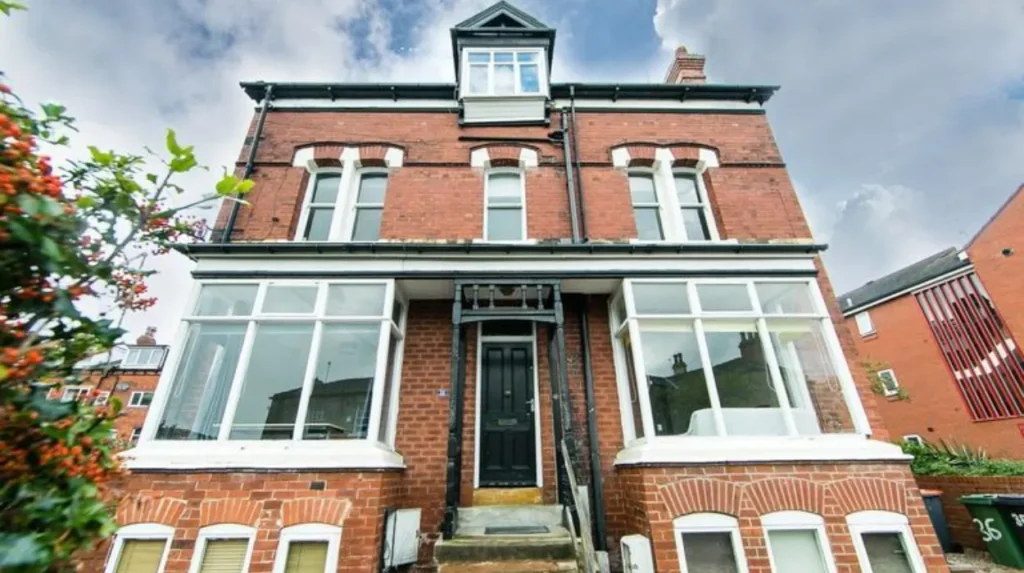
Large houses converted into flats or shared accommodation often contain several heating zones, kitchens and bathrooms.
Energy efficiency in these buildings depends on insulation, heating controls, appliance use and responsibility for energy bills.
Landlords should assess the condition of boilers, radiators, windows and insulation. Tenants should understand how heating controls operate and report persistent draughts, leaks or heating faults.
Shared households benefit from coordinated energy-saving habits, such as using appliances efficiently, closing external doors and avoiding unnecessary heating in unoccupied rooms.
Modern Flats and Residential Developments
Modern flats generally incorporate more recent construction techniques, including insulated external walls and improved glazing.
However, residents still need to manage heating, ventilation and electricity consumption.
Flat owners should check communal heating arrangements, service charges and individual energy meters before arranging improvements. Leasehold restrictions and building-management responsibilities also influence which upgrades residents can undertake.
How Can Homeowners Identify Energy Loss in a Headingley Property?
Homeowners can identify energy loss by checking their Energy Performance Certificate, inspecting insulation, examining windows and doors, reviewing heating performance and monitoring energy bills. A professional assessment provides property-specific recommendations and identifies improvements that address the largest sources of avoidable energy consumption.
Energy loss occurs when heat escapes through poorly insulated building elements or uncontrolled air movement.
The first step is understanding the property’s existing energy performance.
What Is an Energy Performance Certificate?
An Energy Performance Certificate (EPC) is an official document that measures a property’s energy efficiency and environmental impact.
In England and Wales, EPC ratings range from A to G:
- A represents the highest energy-efficiency rating.
- B indicates very good energy performance.
- C represents relatively good efficiency.
- D indicates moderate energy performance.
- E represents lower energy efficiency.
- F indicates poor energy performance.
- G represents the lowest efficiency.
An EPC also provides information about estimated energy costs, carbon dioxide emissions and recommended improvements.
Homeowners and prospective tenants can use the government’s EPC register to locate available certificates.
The recommendations help identify potential improvements, including loft insulation, heating upgrades and more efficient lighting.
Which Areas of a Home Lose the Most Heat?
Heat escapes through several parts of a building.
Common areas include:
- Roofs and lofts, where inadequate insulation allows warm air to escape upwards.
- External walls, particularly older solid-wall construction.
- Windows, where inefficient glazing and damaged seals increase heat transfer.
- External doors, where gaps around frames create draughts.
- Floors, where uninsulated suspended timber floors allow heat loss.
- Pipework and hot-water cylinders, where insufficient insulation wastes stored heat.
A home energy assessment identifies which areas require attention and helps prevent unnecessary spending on improvements that offer limited benefits.
Why Should Residents Monitor Energy Bills?
Energy bills provide useful information about household consumption.
Comparing monthly electricity and gas usage helps residents identify seasonal patterns, unexpected increases and inefficient appliances.
A smart meter provides automatic meter readings and an in-home display showing energy consumption. The Energy Saving Trust explains that smart meters help households understand usage and receive more accurate bills.
Residents should compare actual consumption in kilowatt-hours (kWh), not just the total amount paid. Energy prices and standing charges change, so a higher bill does not always indicate increased consumption.
Which Insulation Improvements Make Headingley Homes More Energy Efficient?
Insulation reduces heat transfer between indoor and outdoor environments. Loft insulation, cavity-wall insulation, solid-wall insulation, floor insulation and draught-proofing address different sources of heat loss, helping Headingley properties retain warmth and reduce the energy required for domestic heating.
Insulation is one of the fundamental components of domestic energy efficiency.
It works by slowing heat transfer through the building structure. This reduces the amount of heating required to maintain indoor temperatures.
The appropriate insulation method depends on the construction, condition and ventilation requirements of the property.
Loft Insulation
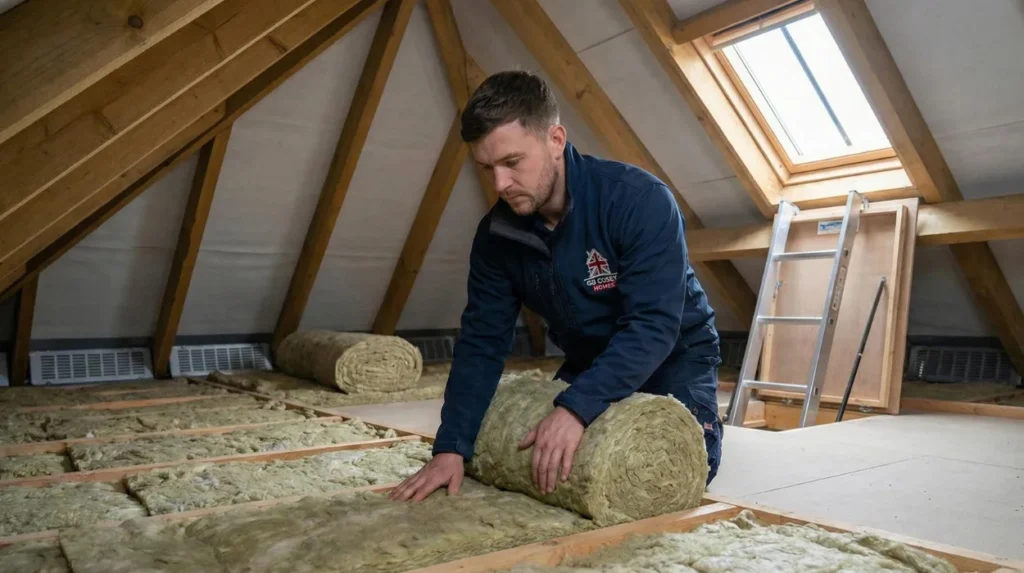
Loft insulation reduces heat escaping through the roof.
Mineral wool is a commonly used insulating material. Other options include recycled-fibre insulation and rigid insulation boards, depending on the roof structure.
The Energy Saving Trust recommends approximately 270mm of loft insulation for a typical uninsulated loft using mineral wool.
Existing insulation should be inspected before additional material is installed. Roof ventilation must remain effective to prevent condensation and moisture-related problems.
Cavity-Wall Insulation
Cavity-wall insulation fills the gap between the inner and outer sections of suitable external walls.
A specialist installer injects insulating material into the cavity through small openings in the external wall.
This improvement is suitable only for properties with appropriate cavity construction. A professional inspection checks the wall condition, exposure to driving rain and potential damp problems.
Many older Headingley terraces have solid walls rather than cavities. These properties require a different insulation strategy.
Solid-Wall Insulation
Solid-wall insulation improves the thermal performance of properties without cavity walls.
Internal insulation is installed on the inside of external walls. External insulation is attached to the outside.
Both options require careful detailing around windows, doors, floors and roof junctions.
In older properties, insulation must also account for moisture movement. Traditional solid-wall buildings often rely on their original materials to manage moisture naturally.
Using unsuitable insulation can increase condensation and damp risks.
Floor Insulation and Draught-Proofing
Suspended timber floors are found in many traditional houses. Insulation installed between floor joists reduces heat loss through the ground floor.
Draught-proofing addresses unwanted air movement around windows, doors, letterboxes and other openings.
Appropriate sealing improves comfort without removing necessary ventilation.
Residents should avoid blocking permanent ventilation openings or extractor fans. Adequate ventilation protects indoor air quality and reduces moisture accumulation.
How Can Heating Systems and Smart Controls Reduce Energy Consumption?
Efficient heating systems and properly configured controls reduce unnecessary fuel consumption. Programmers, thermostats, thermostatic radiator valves and smart heating devices allow households to manage temperature, heating schedules and individual rooms according to occupancy and everyday requirements.
Heating is a major consideration in Headingley because the local climate includes cold winters and regular periods of low outdoor temperatures.
A heating system should provide sufficient warmth without operating unnecessarily.
Programmers and Room Thermostats
A heating programmer controls when a central heating system operates.
A room thermostat measures indoor temperature and switches heating on or off according to the selected setting.
Households should programme heating around normal occupancy. Heating an empty property throughout the day increases unnecessary energy consumption.
Thermostatic Radiator Valves
Thermostatic radiator valves (TRVs) regulate the temperature of individual rooms.
They allow residents to reduce heating in rooms that do not require the same temperature as frequently occupied spaces.
For example, a spare bedroom does not always need the same heating schedule as a living room.
TRVs work alongside a properly configured central heating system and should not replace the main room thermostat.
Smart Heating Controls
Smart heating controls connect heating systems to digital applications or connected thermostats.
Depending on the product, residents can:
- Adjust heating remotely through a mobile application.
- Set different heating schedules for weekdays and weekends.
- Monitor indoor temperatures.
- Control individual heating zones.
- Reduce heating when the property is unoccupied.
Smart controls are particularly useful in shared accommodation where residents follow different daily schedules.
However, smart devices do not automatically guarantee lower bills. Savings depend on the settings and how the household uses the system.
Boiler Maintenance and Heating Efficiency
A properly maintained boiler operates more reliably and supports efficient heating.
Homeowners should arrange servicing through appropriately qualified heating engineers. Gas appliances must be inspected by Gas Safe registered engineers.
Radiators should be checked for cold spots, leaks and trapped air. Persistent heating problems require professional investigation.
Replacing an older boiler with a modern efficient system should follow an assessment of the property’s insulation, heating requirements and available alternatives.
What Everyday Changes Help Reduce Electricity and Gas Bills?
Everyday energy-saving habits reduce unnecessary electricity and gas consumption without requiring major property renovations. Switching off unused appliances, using efficient lighting, managing hot water, washing clothes at lower temperatures and avoiding unnecessary heating help households control regular energy expenses.
Not every energy improvement requires construction work. Residents can make practical changes to everyday routines and reduce avoidable energy use.
Replace Traditional Bulbs with LED Lighting
LED bulbs use less electricity than traditional incandescent and halogen lighting.
The Energy Saving Trust identifies LED lighting as an effective household energy-saving measure. Its published guidance estimates that replacing halogen bulbs with LEDs saves approximately £45 annually in Great Britain, although actual savings depend on the number of bulbs, operating hours and electricity prices.
Residents should replace frequently used bulbs first.
Energy-efficient lighting is suitable for kitchens, living rooms, hallways, bedrooms and outdoor security lights.
Reduce Electricity Consumption from Appliances
Electrical appliances consume different amounts of energy depending on their power ratings, efficiency and operating periods.
Common household electricity users include:
- Refrigerators and freezers, which operate continuously.
- Washing machines and tumble dryers, which consume energy during laundry cycles.
- Electric ovens and hobs, which require substantial power during cooking.
- Televisions and entertainment systems, which consume electricity during use and standby.
- Computers and monitors, which contribute to electricity consumption in home offices.
Residents should check appliance energy labels when purchasing replacements.
Switching appliances off at the socket when appropriate also prevents unnecessary standby consumption. Essential equipment, including certain medical devices and refrigeration appliances, should remain connected.
Use Washing Machines Efficiently
Laundry routines influence household electricity and water consumption.
Residents should:
- Wash suitable clothing at 30°C.
- Run washing machines with full but manufacturer-approved loads.
- Use eco programmes where appropriate.
- Avoid unnecessary pre-washing.
- Air-dry clothes when weather and available space permit.
Lower-temperature washing reduces the electricity required to heat water.
In shared Headingley accommodation, coordinating laundry schedules also prevents repeated small loads.
Improve Cooking Efficiency
Cooking habits influence electricity and gas consumption.
Using saucepan lids retains heat and reduces cooking time. Matching saucepan sizes to hob burners improves energy transfer.
Microwaves, air fryers and other smaller appliances can be efficient options for suitable meals, depending on their power consumption, cooking time and quantity of food prepared.
Residents should select cooking equipment according to the meal rather than automatically using the largest appliance.
Reduce Hot-Water Consumption
Hot water requires energy for heating and storage.
Shorter showers, efficient showerheads and repaired dripping taps reduce unnecessary water consumption.
Insulating hot-water cylinders and accessible hot-water pipes helps retain heat.
The Energy Saving Trust recommends a hot-water cylinder jacket with at least 80mm of insulation where an existing cylinder has insufficient insulation.
Residents should follow manufacturer instructions and avoid adjusting hot-water systems without understanding their operating requirements.
Are Double Glazing and Draught-Proofing Worthwhile for Older Headingley Houses?
Double glazing and draught-proofing improve household comfort by reducing unwanted heat transfer and air movement. Their suitability depends on window condition, building construction, existing glazing and architectural restrictions, particularly in traditional Headingley properties.
Windows and doors influence both thermal performance and indoor comfort.
Older houses frequently contain original timber windows, traditional sash windows or replacement glazing installed during previous renovations.
How Does Double Glazing Work?
Double glazing consists of two glass panes separated by a sealed gap. The gap usually contains air or an insulating gas.
This construction reduces heat transfer compared with single glazing.
Modern double-glazed units also improve noise insulation when appropriately specified and installed.
Residents should assess the condition of existing window frames before arranging replacement. Damaged seals, deteriorating frames and poorly fitted units reduce performance.
What Is Secondary Glazing?
Secondary glazing involves installing an additional internal window behind an existing external window.
It is particularly relevant to older properties where replacing original windows is unsuitable or restricted.
The system creates an additional insulating air space while retaining the original external appearance.
For heritage properties, secondary glazing provides an option for improving thermal and acoustic performance without removing original architectural features.
How Does Draught-Proofing Improve Comfort?
Draught-proofing seals unwanted gaps around windows, doors and other openings.
Common solutions include brush strips, compression seals, door sweeps and appropriate window sealing products.
Residents should distinguish between unwanted draughts and necessary ventilation.
Bathrooms and kitchens require effective ventilation to remove moisture, cooking fumes and indoor pollutants.
Can Solar Panels and Heat Pumps Improve Energy Efficiency in Headingley?
Solar panels and heat pumps provide alternatives to conventional energy systems. Solar photovoltaic panels generate electricity from sunlight, while heat pumps transfer environmental heat into buildings. Their effectiveness depends on property suitability, installation quality, insulation and household energy requirements.
Low-carbon technologies form an important part of the UK’s transition towards cleaner domestic energy.
Headingley homeowners should assess their property before investing in renewable energy equipment.
Solar Photovoltaic Panels
Solar photovoltaic (PV) panels convert sunlight into electricity.
The electricity generated can supply household appliances, lighting and other electrical equipment.
A solar installation typically includes:
- Photovoltaic panels, which generate electricity.
- An inverter, which converts electricity into a form suitable for household use.
- Mounting equipment, which secures the panels.
- Optional battery storage, which stores surplus electricity for later use.
Roof orientation, shading, roof condition and available space influence generation.
South-facing roofs generally receive favourable sunlight exposure in the UK, although east-facing and west-facing installations also generate useful electricity.
Headingley properties with chimneys, neighbouring buildings and mature trees require shading assessments before installation.
Solar Battery Storage
A solar battery stores electricity generated by photovoltaic panels.
Households can use stored electricity after sunset or during periods when solar generation is lower.
Battery storage increases the amount of generated electricity consumed within the property. However, the financial benefits depend on installation costs, electricity tariffs, battery capacity and household consumption patterns.
Air-Source Heat Pumps
An air-source heat pump extracts heat from outdoor air and transfers it into a home’s heating system.
Unlike a conventional boiler, it does not generate heat through burning gas.
Heat pumps work most effectively as part of a properly designed heating system with suitable insulation, correctly sized radiators or underfloor heating and appropriate temperature controls.
An installer should assess:
- Property insulation and heat loss.
- Existing radiators and pipework.
- Hot-water requirements.
- Outdoor installation space.
- Electrical supply.
- Noise and planning considerations.
Government Support for Heat Pumps
The UK Government’s Boiler Upgrade Scheme supports eligible property owners in England and Wales.
The scheme provides grants of up to £7,500 towards eligible air-source and ground-source heat pump installations, subject to current scheme requirements.
Homeowners should check the latest eligibility conditions and use an appropriately certified installer before committing to installation.
What Energy-Efficiency Grants and Support Are Available in Leeds?
Leeds residents can investigate local and national support for insulation, heating improvements and low-carbon technologies. Leeds City Council provides information about Warm Homes: Local Grant, Home Plus Leeds and other funding routes, with eligibility determined by household circumstances and property conditions.
Energy-efficient home improvements involve different levels of investment. Government and local authority programmes help eligible households access measures that reduce energy consumption and improve residential comfort.
Leeds Warm Homes: Local Grant
Leeds City Council has secured funding for its Warm Homes: Local Grant programme.
The scheme supports eligible privately owned properties, including owner-occupied and privately rented homes.
Published eligibility criteria include:
- An Energy Performance Certificate rating between D and G.
- Household income of £36,000 or less, or qualifying benefit entitlement.
- Residence in an eligible postcode area.
- Compliance with the property’s technical and scheme requirements.
Eligible improvements include insulation, low-carbon heating and certain renewable energy technologies.
Application status: check before applying
As of November 2026, Leeds City Council’s published information states that the scheme is oversubscribed and applicants are subject to a waiting list. The delivery website also states that new applications are not currently being accepted. The programme is scheduled to run until March 2028, with a review planned from April 2027.
Home Plus Leeds
Home Plus Leeds provides support for eligible households requiring assistance with home improvements and heating.
The council’s published criteria include certain households with:
- Residents aged 60 or over.
- Disabled residents or people with qualifying long-term health conditions.
- Children under 18.
- People living alone and meeting the relevant income requirements.
For the relevant categories, published criteria include household income below £30,000 and savings below £16,000.
Residents should contact Home Plus Leeds on 0113 240 6009 to confirm eligibility and available support.
Energy Company Obligation
The Energy Company Obligation (ECO) is a government-backed programme requiring participating energy suppliers to support energy improvements for eligible households.
Measures include insulation and heating improvements.
Scheme phases and eligibility rules change. Residents should check current government and Ofgem information rather than rely on older ECO4 guidance, which was scheduled to end on 31 March 2026.
Boiler Upgrade Scheme
The Boiler Upgrade Scheme supports eligible installations of low-carbon heating systems.
Property owners in England and Wales can investigate grants towards eligible heat pumps and biomass boilers, subject to current rules.
The scheme is particularly relevant to homeowners planning to replace an existing heating system.
West Yorkshire Home Energy Support
Home Energy West Yorkshire provides information about energy-efficiency schemes and support across the region.
Its resources cover home energy loans, funding programmes and advice on improving domestic energy performance.
Residents in Headingley can use these regional resources to understand available options and identify relevant support.
The availability of funding changes, so eligibility should always be confirmed directly with the administering organisation.
How Can Tenants and Landlords Improve Energy Efficiency in Headingley?
Tenants and landlords share an important role in reducing residential energy consumption. Landlords manage building improvements and heating equipment, while tenants use energy responsibly, report maintenance problems and follow efficient household practices within their rented accommodation.
Headingley has a substantial rental market that includes student houses, shared accommodation, private flats and family homes.
Energy efficiency in rented properties depends on building standards, landlord responsibilities and residents’ everyday behaviour.
What Should Tenants Check Before Renting?
Prospective tenants should examine the property’s EPC rating before signing a tenancy agreement.
They should also check:
- Whether the property has effective central heating.
- Whether windows and external doors are in good condition.
- Whether the loft and walls have suitable insulation.
- Whether heating controls operate correctly.
- Whether the property has persistent damp or condensation.
- Whether gas and electricity consumption is individually metered.
A lower EPC rating indicates weaker energy performance, although actual running costs also depend on property size, occupancy and energy tariffs.
What Are Landlords Responsible For?
Private landlords must comply with applicable energy-efficiency regulations.
In England, the Minimum Energy Efficiency Standards generally require privately rented domestic properties to achieve EPC band E unless a valid exemption applies.
Landlords should review their properties’ certificates and investigate suitable improvements.
Responsibilities also include maintaining heating installations, addressing building defects and ensuring that required ventilation remains functional.
How Can Students Reduce Energy Bills?
Students sharing houses in Headingley can reduce avoidable consumption through coordinated routines.
Examples include switching off unused lights, using washing machines efficiently, closing doors during heating periods and avoiding unnecessary use of portable electric heaters.
Housemates should also agree on sensible heating schedules and understand whether the tenancy includes energy bills or requires separate payments.
Clear household arrangements prevent confusion about energy usage and responsibility.
How Can Residents Create an Energy-Efficient Home Office in Headingley?
An energy-efficient home office reduces electricity consumption through efficient lighting, suitable equipment, heating controls and responsible device management. Residents working remotely can improve comfort and productivity while controlling the additional energy costs associated with computers, monitors and other office equipment.
Headingley attracts students, professionals and remote workers who use residential properties for studying and working.
Home offices introduce additional electricity consumption, particularly when computers, monitors, printers and lighting operate throughout the day.
Choose Energy-Efficient Office Equipment
Laptops generally consume less electricity than many desktop computer systems.
Residents should consider energy efficiency when purchasing monitors, printers and other office equipment.
Energy-saving settings help reduce electricity consumption when devices remain inactive.
Useful practices include:
- Activating automatic screen sleep.
- Switching off monitors after work.
- Using laptops with energy-efficient processors.
- Avoiding unnecessary printing.
- Disconnecting unused chargers where appropriate.
Improve Natural Lighting
Positioning a desk near a suitable window increases access to natural daylight.
This reduces reliance on artificial lighting during daylight hours.
Window coverings also help manage indoor temperatures. Appropriate curtains and blinds reduce heat loss during colder evenings and help manage direct sunlight during warmer periods.
Manage Heating in Workspaces
Heating a home office throughout the day increases domestic energy consumption.
Residents should use available heating controls to maintain comfortable temperatures without heating unused rooms unnecessarily.
Closing internal doors helps separate heated spaces from colder areas, provided adequate ventilation is maintained.
Remote workers should also consider the energy implications of keeping computers, monitors and other equipment running outside normal working hours.
How Does Headingley’s Historic Housing Character Affect Energy Improvements?
Headingley’s historic residential character influences the materials, construction methods and external alterations suitable for energy improvements. Traditional buildings require careful assessment to balance thermal performance, moisture management, architectural preservation and compliance with relevant planning and building regulations.
Headingley’s development includes residential streets containing historic buildings and properties constructed during different periods of urban expansion.
The age of a building provides useful information about its likely construction. However, property owners should never assume that every house from the same period has identical insulation or structural characteristics.
Why Do Traditional Buildings Need Specialist Assessments?
Older buildings frequently use solid masonry walls, timber floors, traditional roof structures and breathable construction materials.
These features influence how buildings manage moisture and temperature.
Modern insulation products require appropriate installation to avoid creating condensation within traditional building structures.
A retrofit assessment should examine the existing building fabric, roof ventilation, external walls, windows and moisture conditions.
How Can Residents Preserve Architectural Features?
Residents should investigate suitable improvements before replacing original windows, changing external finishes or altering roof structures.
Secondary glazing, internal insulation and discreet draught-proofing provide options for some traditional buildings.
Planning permission and conservation-area requirements depend on the property, proposed work and location. Listed buildings have additional statutory protections.
As you explore Headingley’s modern residential environment, you are also encountering a neighbourhood shaped by earlier periods of development. Read the full [Insert Anchor Text for Headingley’s Historical Development and Heritage Article Here] to understand how its historic streets and housing patterns evolved.
What Is the Importance of Sustainable Retrofitting?
Retrofitting means improving an existing building rather than replacing it.
Sustainable retrofit projects consider the entire building, including insulation, heating, ventilation and moisture management.
The objective is to improve energy performance without damaging the original structure.
For older Headingley properties, professional advice helps residents select improvements that respect the building’s materials and architectural significance.
How Can Households Measure the Results of Energy-Saving Improvements?
Households can measure energy-saving improvements by comparing electricity and gas consumption before and after installation. Smart meters, energy bills, EPC assessments and regular equipment checks provide useful information about consumption patterns, heating performance and the effectiveness of individual improvements.
An energy-efficiency project should have measurable objectives.
Residents should establish their existing energy consumption before making significant improvements.
Use Smart Meter Readings
Smart meters measure electricity and gas consumption and send readings automatically to energy suppliers.
Their in-home displays provide information about household energy use.
Residents can monitor:
- Electricity consumption in kilowatt-hours.
- Gas consumption over different periods.
- Changes in consumption after improvements.
- Daily and seasonal energy-use patterns.
The Energy Saving Trust reported that more than 71% of meters in Great Britain were smart by the end of 2025.
Smart meters do not directly reduce energy consumption. Their value comes from helping residents understand how and when energy is used.
Compare Energy Consumption Over Time
Households should compare similar periods rather than relying on one monthly bill.
Winter heating requirements are generally higher than summer requirements.
A useful comparison includes:
- Recording gas and electricity consumption before improvements.
- Keeping household occupancy reasonably consistent.
- Comparing consumption over equivalent periods.
- Checking changes in heating schedules.
- Reviewing energy prices separately from usage.
This process helps distinguish genuine energy savings from changes caused by weather, occupancy or tariffs.
Review the Property’s EPC Rating
After substantial energy improvements, homeowners can arrange a new EPC assessment where appropriate.
An updated certificate provides a revised assessment of the property’s energy performance.
The EPC rating is useful for understanding overall building efficiency, but it does not guarantee a particular household bill. Actual consumption depends on how residents operate the property.
What Is the Future of Energy-Efficient Housing in Headingley?
The future of energy-efficient housing in Headingley involves better insulation, low-carbon heating, renewable electricity, improved building standards and smarter household energy management. Retrofitting existing homes remains important because established residential neighbourhoods require improvements alongside new sustainable construction.
Energy efficiency is becoming increasingly important in the UK’s residential property sector.
Government policies, energy technologies and household expectations continue to influence how homes are designed, maintained and upgraded.
The Growth of Low-Carbon Heating
Heat pumps and other low-carbon heating technologies form part of the transition away from conventional fossil-fuel heating.
Their adoption requires suitable building design, insulation, installation expertise and access to appropriate electricity infrastructure.
For Headingley homeowners, the most suitable technology depends on the property’s construction, heating demand and available installation space.
Increasing Importance of Residential Retrofitting
Retrofitting existing homes is an important part of improving the energy performance of established neighbourhoods.
Traditional terraces and converted properties require building-specific solutions rather than identical upgrades across every home.
Leeds City Council’s Net Zero Homes Plan and local energy-efficiency initiatives provide a framework for improving residential energy performance.
The wider objective is to make homes more comfortable, affordable to operate and less carbon-intensive.
Smarter Domestic Energy Management
Smart meters, connected thermostats, battery storage and flexible electricity tariffs are changing household energy management.
Residents with suitable smart meters can investigate tariffs that offer different electricity prices at different times.
Shifting electricity consumption towards cheaper periods can help households manage costs.
For example, residents can schedule suitable appliances during off-peak periods where their tariff provides a genuine financial benefit.
The effectiveness of these technologies depends on household routines, equipment compatibility and electricity pricing.
Better Energy Performance and Property Value
Energy performance is an important consideration for homeowners, landlords and prospective tenants.
A property with effective insulation, efficient heating and lower energy requirements offers practical advantages.
EPC ratings also provide prospective buyers and tenants with standardised information about a building’s energy performance.
Future property improvements are therefore likely to place increasing emphasis on thermal efficiency, operating costs and environmental performance.
Explore More Area Guide
Headingley Composting Guide: Reduce Household Food Waste in Leeds
Balcony Gardening in Headingley: Small Outdoor Space Guide
What Practical Steps Should Headingley Residents Take to Make Their Homes More Efficient?
Headingley residents should begin with an energy assessment, identify the largest sources of heat loss and prioritise suitable improvements. Combining insulation, heating controls, efficient appliances and responsible energy habits provides a structured approach to reducing household consumption.
An effective energy-efficiency plan does not require every improvement to happen simultaneously.
Households can prioritise changes according to urgency, affordability and expected performance.
The following sequence provides a practical starting point.
Start with Low-Cost Improvements
Residents should first examine everyday energy consumption.
Replacing frequently used halogen bulbs with LEDs, reducing unnecessary heating, improving appliance habits and sealing suitable draughts provide accessible starting points.
These measures help households understand their consumption before investing in larger improvements.
Prioritise Insulation and Heating
Once the basic checks are complete, homeowners should investigate loft insulation, wall insulation, floor insulation and heating controls.
A qualified professional should assess the property before major insulation work.
Heating systems should also be checked for efficiency, suitability and maintenance requirements.
Investigate Funding and Professional Advice
Residents should consult Leeds City Council and Home Energy West Yorkshire for information about available support.
For privately funded work, homeowners should obtain multiple written quotations and check installer credentials.
TrustMark is a government-endorsed quality scheme for businesses carrying out home improvement work.
For gas installations, residents should use Gas Safe registered engineers.
Maintain Improvements Regularly
Energy efficiency requires ongoing maintenance.
Households should inspect insulation, check window seals, maintain heating equipment and review energy bills.
Landlords should include energy performance in their property maintenance plans.
Tenants should report heating faults, water leaks and persistent damp problems promptly.
Building More Energy-Efficient Homes in Headingley
Energy-efficient housing is an important part of reducing household expenses and improving residential sustainability across Headingley.
The neighbourhood’s mixture of traditional terraces, converted properties, student accommodation and modern flats creates different opportunities for energy improvements.
Insulation, efficient heating, double glazing, LED lighting, smart controls and responsible appliance use all contribute to better household energy management.
Residents should begin by understanding their property’s existing performance and identifying the improvements that address its main sources of energy loss.
Leeds City Council provides information about local funding, energy advice and eligible home improvements. National programmes also support the wider transition towards better-insulated homes and low-carbon heating.
By combining practical everyday habits with carefully planned property improvements, Headingley residents can reduce unnecessary energy consumption, improve indoor comfort and contribute to a more sustainable future for Leeds.
What does energy efficiency mean for homes in Headingley?
Energy efficiency means using less electricity and heating fuel to maintain a comfortable indoor environment. Improvements include loft insulation, double glazing, efficient boilers, LED lighting and smart heating controls.