Headingley is a residential and student neighbourhood in north-west Leeds, West Yorkshire. Household waste services in Headingley are managed by Leeds City Council, which provides kerbside bin collections, household waste recycling centres, recycling banks and unwanted-item collection services. Residents use these services to dispose of everyday rubbish, recycle materials and manage bulky household items responsibly.
- What household waste and recycling services are available in Headingley?
- Where is the nearest household waste recycling centre for Headingley?
- Kirkstall Household Waste Recycling Centre
- Which other recycling centres can Headingley residents use in Leeds?
- What can residents put in their household recycling bins in Headingley?
- What belongs in the green recycling bin?
- What belongs in the black general waste bin?
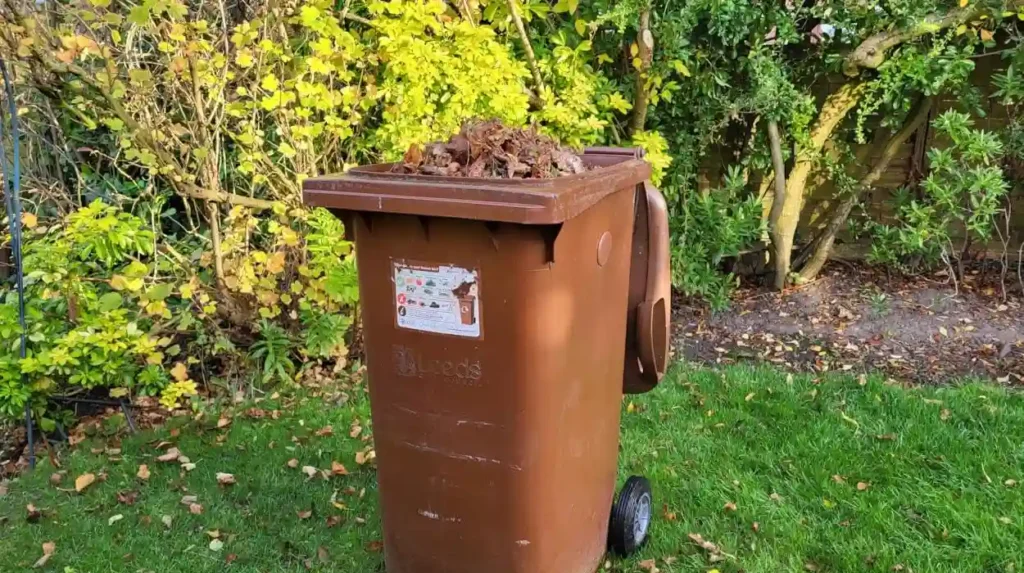
- What belongs in the brown garden waste bin?
- How do residents dispose of bulky household waste in Headingley?
- How can Headingley residents recycle electrical items and batteries?
- How should residents dispose of garden waste and DIY materials?
- What rules apply to vans, trailers and commercial waste?
- Where can residents find recycling banks near Headingley?
- What should residents do if a household bin is missed or damaged?
- How can Headingley residents reduce household waste?
- What should visitors and new residents know about Headingley’s waste services?
- Where can residents find official information about recycling in Headingley?
The nearest major household waste recycling facility for many Headingley residents is the Kirkstall Household Waste Recycling Centre on Evanston Avenue, Kirkstall, Leeds, LS4 2HR. It accepts a wide range of household materials, including furniture, electrical appliances, garden waste and selected DIY waste. The centre is open seven days a week, with seasonal opening hours and restrictions on vehicle access.
Headingley residents also have access to council-provided waste collections at their homes. The correct disposal route depends on the material, its size, whether it can be reused and whether the waste comes from a private household or a commercial activity.
This guide explains how recycling centres work, where to take different household materials, how to arrange bulky waste collections and which rules residents need to follow.
What household waste and recycling services are available in Headingley?
Headingley residents can use Leeds City Council’s household bin collections, recycling banks, household waste recycling centres and unwanted-item collection service. Each option handles different materials, so residents should check the council’s disposal guidance before travelling or arranging a collection.
Household waste services cover the collection, sorting, reuse, recycling and disposal of unwanted materials produced by everyday domestic activities. These activities include preparing food, cleaning rooms, replacing furniture, maintaining gardens and completing home improvements.
Leeds City Council provides several routes for disposing of household waste. The main options are kerbside collections, recycling banks, household waste recycling centres and scheduled collections of bulky items.
Kerbside collections are designed for routine waste generated at home. Recycling banks provide additional collection points for selected materials, including paper, glass, clothing and small electrical items. Household waste recycling centres accept a wider range of materials that residents cannot conveniently place in their domestic bins.
The unwanted-item collection service is intended for residents who have furniture or appliances to dispose of but cannot transport them to a recycling centre. Reusable goods should be considered for donation before disposal.
These services are particularly relevant in Headingley because the area contains student accommodation, shared houses, family homes, flats and rental properties. Different property types produce different waste streams, especially during student moving periods, home renovations and furniture replacements.
Residents should identify the material they need to dispose of before choosing a service. This prevents recyclable items from entering general waste and reduces unnecessary journeys to disposal facilities.
Where is the nearest household waste recycling centre for Headingley?
Kirkstall Household Waste Recycling Centre is located on Evanston Avenue, Kirkstall, Leeds, LS4 2HR. It is a principal option for Headingley households disposing of bulky items, garden waste, electrical appliances and other accepted domestic materials.
Kirkstall Household Waste Recycling Centre
The centre serves eligible Leeds residents who need to dispose of household waste that is unsuitable for ordinary bin collections. It operates as a working waste facility, with moving vehicles, designated unloading areas and safety instructions.
Residents should separate materials before arriving. Sorting items at home makes unloading easier and helps direct recyclable materials into the correct containers.
The facility is not a general-purpose disposal site for every kind of waste. Certain DIY materials have quantity restrictions, and hazardous items require specific arrangements. Commercial waste and waste generated by landlords or tradespeople are subject to separate rules.
Pedestrian access is restricted at some household waste recycling centres for safety reasons. Residents should check the current access conditions before planning a visit without a vehicle.
The centre also has a Revive Leeds reuse shop. This gives suitable second-hand goods an opportunity for another use instead of immediate disposal. Residents planning to donate items should check the shop’s current arrangements and accepted goods before travelling.
Which other recycling centres can Headingley residents use in Leeds?
Leeds City Council operates eight household waste recycling centres across the district, including facilities at Kirkstall, Meanwood, Pudsey, Seacroft, Middleton, Otley, Wetherby and Yeadon. Eligible residents can select a suitable site according to their location, vehicle and waste requirements.
Kirkstall is a convenient starting point for many Headingley households, but it is not the only council facility. Other centres provide alternatives when residents travel elsewhere in Leeds or need to compare access arrangements.
The council’s wider network includes:
- Meanwood: Meanwood Road, Leeds. This centre accepts a range of household materials, including cardboard, glass, furniture, electrical appliances and garden waste.
- Pudsey: Richardshaw Road, Grangefield Industrial Estate, Pudsey, LS28 6LG.
- Seacroft: Limewood Road, Seacroft, Leeds, LS14 1LU.
- Otley: Ellar Ghyll.
- Wetherby: Thorp Arch.
- Middleton: Middleton, Leeds.
- Yeadon: Yeadon, Leeds.
These facilities are operated within the same council service framework, but individual site arrangements and accepted materials require checking before departure.
Choosing a centre based on the waste being carried is more useful than selecting one purely by distance. Some materials have specific limits, and larger vehicles require the appropriate permits.
What can residents put in their household recycling bins in Headingley?
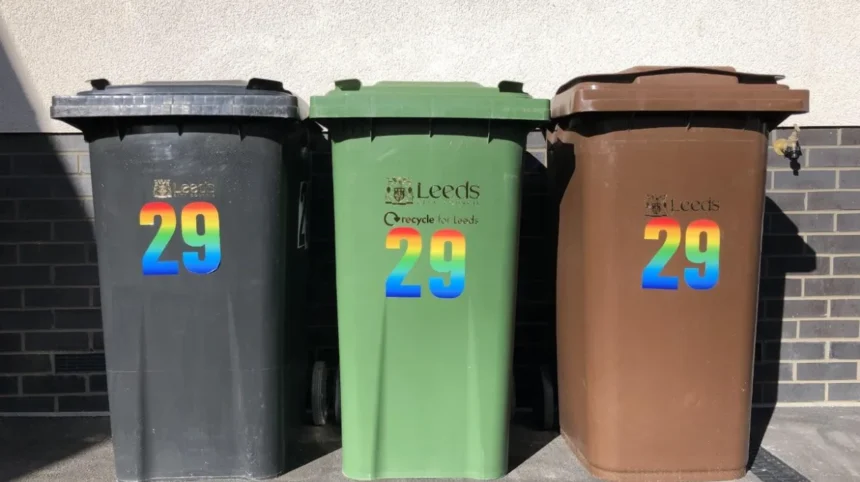
Leeds households use a three-bin approach covering general rubbish, dry recycling and garden waste where a brown bin is provided. The council also provides guidance for food waste and other special collections, with individual rules determining the correct disposal route.
Household bins are intended for routine domestic waste. Correct sorting helps recyclable materials enter suitable processing systems and keeps unsuitable items out of the recycling stream.
What belongs in the green recycling bin?
Leeds Council’s green-bin service accepts designated recyclable materials, including paper, cardboard, glass bottles and jars, metal cans and accepted plastic packaging. Residents should check the current council list because not every item made from plastic, glass or metal belongs in the same collection.
Glass recycling through household green bins forms part of Leeds’s existing three-bin approach. The council confirmed in January 2026 that it was maintaining this approach rather than introducing a universal fourth household bin as part of national recycling changes.
Packaging should be prepared according to the council’s instructions. Empty containers, flatten cardboard where appropriate and keep materials free from substantial food residue. Items that are not accepted should go through another approved disposal route.
What belongs in the black general waste bin?
The black bin is for household rubbish that cannot be reused or accepted in the recycling and garden waste collections. Examples include certain contaminated packaging and other non-recyclable domestic waste.
Electrical appliances, batteries and other materials requiring specialist treatment should not be placed in the black bin. The council specifically advises residents to recycle electrical items separately.
What belongs in the brown garden waste bin?
Households with a brown garden waste bin can use the service for eligible garden materials. Examples include grass cuttings, leaves, weeds and small prunings, subject to the council’s collection rules.
The service resumes seasonally. Leeds City Council announced that its 2026 service restarted on 23 March, and eligible residents can check their individual collection dates online. Excess garden waste can also be taken to a household recycling centre.
Residents should never assume that every household receives the same bins or collection arrangements. Check the property-specific service before leaving waste outside.
How do residents dispose of bulky household waste in Headingley?
Leeds residents in the council tax area can book an unwanted-item collection for eligible furniture, appliances and other approved bulky goods. Each collection covers up to five items, with one free collection per financial year and additional paid collections available under council rules.
Bulky waste consists of household objects that are too large or unsuitable for normal domestic bins. Examples include sofas, mattresses, dining tables, washing machines and dismantled wardrobes.
Leeds City Council’s unwanted-item collection service is designed for private residents who cannot transport suitable items to a recycling centre. The service allows up to four collections per year, with one free collection per financial year running from April to March. Further collections cost £30 each under the published standard arrangements.
Households receiving council tax support are eligible for up to four free collections per year under the council’s scheme. Residents should check the current eligibility requirements before booking.
How should bulky items be prepared?
Furniture must be dismantled where required, and each dismantled component counts as a separate item. For example, a bed frame, slats, mattress and headboard count as four items.
Residents must also remove or secure hazards. Nails and screws should be removed, loose wires taped safely and glass removed where possible. Items must be dry, accessible and capable of being moved safely by two people.
The council requires booked items to be placed outside within the property’s boundary before 7am on collection day. Crews do not collect items from inside homes, garages, outhouses or communal areas. The items presented must match the booking.
Not every object qualifies. Building rubble, asbestos, gas bottles, mirrors and some large fixtures are among the exclusions listed by the council. These materials require another approved route.
How can Headingley residents recycle electrical items and batteries?
Electrical items should be recycled through designated electrical recycling banks, household waste recycling centres or participating retail collection points. Batteries and light bulbs require separate handling, and electrical equipment should never be placed in the black general waste bin.
Electrical waste includes products that operate using a plug, battery or cable. Examples include mobile phones, laptops, toasters, hairdryers, kettles and small household appliances.
These items contain materials that can be recovered for use in new products. Leeds City Council identifies metals such as copper, gold, silver and palladium as materials recovered through electrical recycling. Keeping electrical equipment out of general rubbish supports material recovery and reduces the risk of inappropriate disposal.
Small electrical items can be taken to designated electrical recycling banks. Larger appliances, such as fridges and washing machines, can be taken to a household waste recycling centre, subject to site acceptance rules.
Batteries require special attention because damaged or incorrectly discarded batteries present fire risks. Household batteries can be taken to recycling points at many retailers that sell batteries and to council facilities, including recycling centres. Vehicle batteries have separate handling requirements.
Light bulbs and fluorescent tubes should be kept separate from ordinary glass recycling. Residents should consult the council’s disposal guidance to identify the correct collection point for each type.
Before recycling a phone, laptop or other data-storage device, remove personal information and accounts where appropriate. The council places responsibility for removing personal data on the owner of the device.
How should residents dispose of garden waste and DIY materials?
Garden waste can be managed through an eligible brown-bin collection or a household waste recycling centre. DIY materials such as rubble, soil, plasterboard, ceramics and tyres have specific disposal limits, so residents must check the council’s current rules before loading a vehicle.
Garden waste includes biodegradable material generated through maintaining outdoor spaces. Examples include leaves, grass cuttings, weeds, hedge trimmings and branches.
For ordinary quantities, the brown-bin service is the main kerbside option for eligible households. Residents with larger amounts of garden waste can use a recycling centre, where accepted material is directed through the site’s waste management process.
DIY waste requires more careful planning. Rubble, hardcore, soil, ceramics, plasterboard and tyres are subject to restrictions. These limits prevent household facilities from being used as unrestricted construction waste disposal sites.
Residents undertaking small repairs should separate waste by material. Clean wood, metal fittings, cardboard packaging and reusable items should be kept apart from rubble and mixed waste. This makes it easier to identify which materials are accepted and whether a limit applies.
As you explore modern Headingley, you are also crossing a neighbourhood shaped by generations of residential growth and changing household life. Read the full [Headingley history and heritage guide] to understand the area’s origins and development.
That historical context is relevant to household waste because housing types influence how residents manage disposal. Traditional houses, converted properties, modern flats and shared student accommodation have different storage space and access arrangements.
Residents living in flats should check communal bin arrangements with their building manager or landlord. Large items left beside communal bins can obstruct access and create a waste problem for other residents.
What rules apply to vans, trailers and commercial waste?
Leeds household waste recycling centres are intended for eligible domestic waste from residents within the council boundary. Certain vans, trailers and larger vehicles require permits, while trade waste, landlord waste and materials generated by commercial work must use an appropriate commercial disposal facility.
Vehicle restrictions are important for residents clearing out a house, renovating a property or moving bulky items. Ordinary cars, including many hatchbacks, estates, saloons and SUVs, do not require the large-vehicle permit described in the council’s scheme.
Certain vehicles require a permit, including eligible short-wheelbase, low-roof vans, some trailers, camper vans and specified pickup vehicles. Other vehicles, including high-roof or long-wheelbase vans and certain large commercial-style vehicles, are not permitted to use the household facilities.
The permit scheme sets a maximum allocation of 12 permits for eligible large-vehicle and trailer users under the published rules. Each permit is handed to site staff for a visit. Residents using hire vehicles must check the additional documentation requirements.
The distinction between household and trade waste is particularly important. Household waste comes from ordinary domestic activity. Trade waste is produced by commercial activity, including building work, gardening services and property maintenance carried out by tradespeople.
Landlords must not take waste from rented properties to a household recycling centre as if it were their own domestic rubbish. Waste from rental property clearance, repairs and commercial activity requires the appropriate waste disposal route.
Leeds City Council warns that attempting to dispose of trade waste through household recycling facilities can lead to fines or imprisonment. Businesses and other eligible commercial users should consult the council’s waste transfer station guidance.
Where can residents find recycling banks near Headingley?
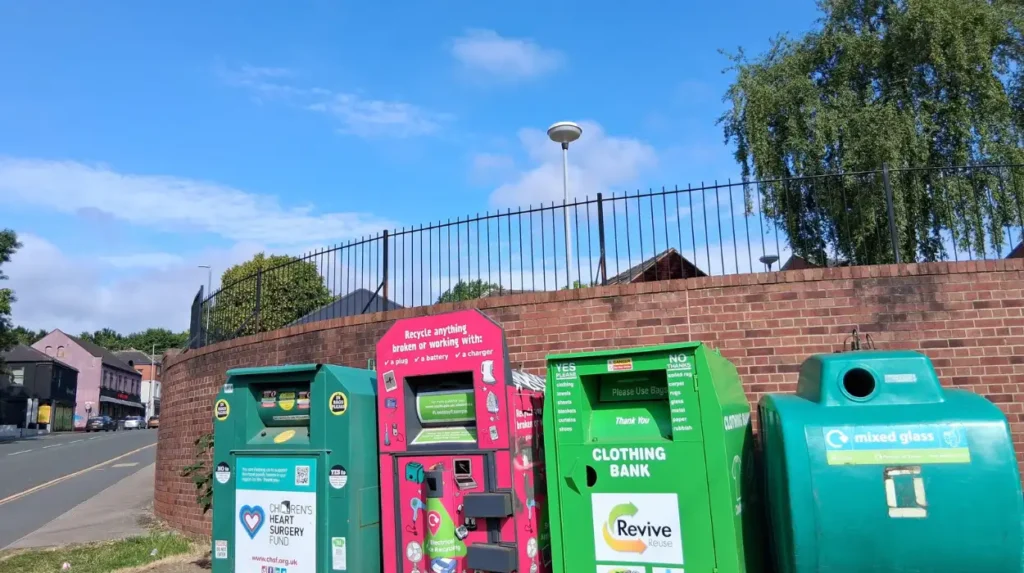
Recycling banks provide collection points for materials that residents need to dispose of separately from their regular household rubbish. Leeds has designated banks for materials such as paper, glass, clothing and small electrical items, with locations available through the council’s recycling directory.
Recycling banks are useful for households without enough space for additional storage or residents who need to recycle particular items between collection days.
Typical examples include glass bottles and jars, unwanted clothing, paper and small electrical equipment. The precise range of accepted materials depends on the bank, so residents should check the labels and collection-point information before depositing anything.
Residents should not leave bags, furniture or rubbish beside a full recycling bank. Overflowing waste can obstruct public spaces and create additional collection work. If a facility is full or damaged, use the council’s reporting channels or another suitable collection point.
What should residents do if a household bin is missed or damaged?
Residents should check their collection dates using Leeds City Council’s bin service and report a missed collection through the council’s online system. The council also provides a process for requesting replacement bins and applying for assisted collections where eligibility requirements are met.
A missed collection does not automatically mean that waste needs to be transported to a recycling centre. Residents should first check the scheduled collection date and any service notices.
Leeds City Council provides online tools to check individual bin days, report missed collections and request a new bin when an existing container is damaged, missing or insufficient.
Households should place bins out according to their collection instructions and ensure that lids close properly. Incorrectly presented waste, unsuitable materials and containers that do not meet collection requirements can cause problems during collection.
Residents who struggle to move bins to the collection point can check the council’s assisted waste collection service. This is relevant to people with mobility difficulties or other circumstances affecting their ability to manage ordinary bin presentation.
How can Headingley residents reduce household waste?
Residents can reduce household waste by repairing usable products, donating suitable goods, separating recyclable materials and choosing the correct disposal service. Reuse reduces the need to discard functional items, while careful sorting helps recyclable materials reach appropriate recovery facilities.
Waste prevention begins before an item reaches a bin. Residents replacing furniture, clothing, electrical equipment or household goods should first assess whether the existing item remains usable.
Suitable furniture, clothing, books and working appliances can be offered for reuse rather than discarded. The Revive Leeds shops at Kirkstall and Seacroft recycling centres provide additional reuse options, subject to their acceptance criteria.
Households can also reduce avoidable waste by planning food purchases, storing food correctly and using suitable composting arrangements for appropriate garden material.
Students moving between Headingley properties should separate reusable belongings from rubbish before the end of a tenancy. Furniture, kitchen equipment and books in usable condition are better candidates for donation or resale than immediate disposal.
Shared households benefit from clear arrangements for communal bins. Labelling containers, agreeing collection responsibilities and separating recyclable materials at the point of disposal helps prevent contamination.
These practices are useful throughout the year, particularly during tenancy changes, spring garden maintenance and home improvement projects. They also help residents select the correct service before waste accumulates.
Explore More Area Guide
Headingley Public Toilets and Accessible Facilities in Leeds
Headingley Post Offices and Parcel Collection Points in Leeds
What should visitors and new residents know about Headingley’s waste services?
Visitors and new residents should distinguish between household waste services for eligible Leeds residents and general public recycling facilities. Tourists should use the bins provided at their accommodation or public locations, while new residents should confirm their property’s council collection arrangements before disposing of household items.
Headingley attracts students, visitors, families and people travelling for work. Their waste disposal needs differ according to the length of their stay and the type of accommodation they use.
Tourists staying in hotels, guest houses or serviced accommodation should follow the property’s waste and recycling instructions. Visitors should not assume they qualify to use a council household recycling centre simply because they are staying in Leeds.
Residents moving into Headingley should confirm which bins are provided, where communal containers are located and which days collections take place. Landlords and property managers should explain the arrangements to new tenants.
People clearing a property before moving should arrange bulky-item collections or use an eligible recycling centre rather than leaving furniture beside communal bins. Unauthorised dumping creates problems for neighbouring residents and can obstruct footpaths.
Digital nomads and business travellers staying in rented accommodation should follow the same property-specific instructions for routine waste. Waste created by a business or commercial activity requires the appropriate commercial disposal arrangements rather than household facilities.
The most reliable source for current opening hours, accepted materials, vehicle permits and collection rules is Leeds City Council. Checking the relevant service before travelling helps residents and visitors avoid unnecessary journeys.
Where can residents find official information about recycling in Headingley?
Leeds City Council’s official waste and recycling pages provide the authoritative information for household collection schedules, recycling centre locations, accepted materials, vehicle permits and bulky waste bookings. Residents should consult the relevant page whenever service conditions or disposal requirements need confirmation.
These council resources are particularly important when disposing of DIY waste, hazardous materials or bulky goods because acceptance rules differ by material and service.
Headingley residents have access to several household waste services through Leeds City Council. Routine rubbish and recyclable materials are managed through domestic bin collections, while recycling banks provide additional disposal points for selected items.
Kirkstall Household Waste Recycling Centre, on Evanston Avenue, LS4 2HR, is a key facility for residents disposing of furniture, electrical appliances, garden waste and other accepted household materials. The council also operates centres elsewhere in Leeds and provides an unwanted-item collection service for eligible households.
Correct disposal starts with identifying the waste, checking the relevant service and following its access requirements. Separating recyclable materials, reusing suitable belongings and arranging proper disposal for bulky goods help maintain clean residential streets and support responsible waste management across Headingley.
Where is the nearest recycling centre to Headingley?
Kirkstall Household Waste Recycling Centre is located on Evanston Avenue, Kirkstall, Leeds, LS4 2HR. It accepts a range of household waste, including furniture, electrical appliances, garden waste and selected DIY materials.