

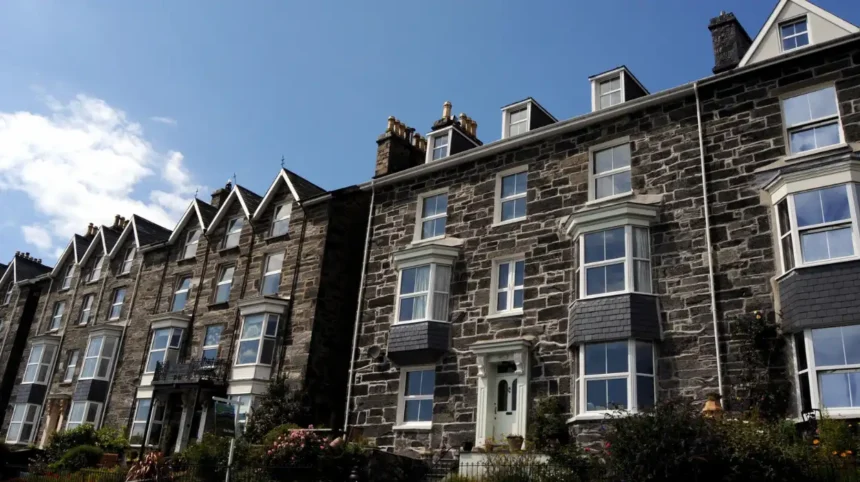
Headingley is a residential suburb in north-west Leeds, West Yorkshire. Its housing includes Victorian and Edwardian terraces, traditional stone and slate properties, student accommodation, converted houses, modern extensions and contemporary residential buildings. Each property type has different roofing requirements.
- What roofing services do contractors provide in Headingley?
- Pitched roof repairs
- Flat roof installation and repairs
- Guttering and roofline maintenance
- Chimney and leadwork repairs
- Why does Headingley’s architectural history influence roofing requirements?
- What roof problems should Headingley homeowners recognise?
- Missing and damaged roof tiles
- Roof leaks and water penetration
- Blocked gutters and downpipes
- Flat roof deterioration
- Chimney deterioration
- How often should residential roofs be inspected and maintained?
- Spring roof inspections
- Summer maintenance
- Autumn gutter maintenance
- Winter monitoring
- What should a professional roof inspection include?
- How can homeowners choose reliable roofing contractors in Headingley?
- Check roofing experience and specialisation
- Verify insurance and professional credentials
- Request written quotations
- Check previous customer feedback
- Understand warranties and guarantees
- Which roofing materials are suitable for Headingley homes?
- Natural slate
- Clay and concrete roof tiles
- EPDM rubber roofing
- GRP fibreglass roofing
- Traditional felt roofing
- What does a typical roof repair or replacement involve?
- Step 1: Initial roof inspection
- Step 2: Written assessment and quotation
- Step 3: Site preparation and safety arrangements
- Step 4: Repair or replacement
- Step 5: Inspection and completion
- What do roofing contractors charge in Headingley?
- Type of roofing work
- Roof size and accessibility
- Material selection
- Additional structural repairs
- Comparing quotations
- Which roofing regulations apply to homes in Headingley?
- Building Regulations
- Planning permission and conservation areas
- Listed buildings
- Health and safety requirements
- Asbestos considerations
- Which local roofing contractors serve Headingley and surrounding Leeds?
- How can landlords and property managers maintain roofs in Headingley?
- How does regular roof maintenance protect property value?
- Preventing internal water damage
- Maintaining energy efficiency
- Supporting property sales
- Reducing long-term repair expenditure
- What should homeowners do when they discover an emergency roof leak?
- What is the future of residential roofing and roof maintenance in Headingley?
- Energy-efficient roofing
- Sustainable roofing materials
- Solar panel installations
- Improved roof inspections
- How should Headingley homeowners approach roof maintenance?
Roof maintenance protects buildings from rainfall, wind, moisture penetration and structural deterioration. Homeowners, landlords and property managers in Headingley require reliable roofing contractors to inspect roofs, repair damaged materials, maintain gutters and replace ageing roof coverings.
Choosing an experienced roofing contractor is particularly important in older residential neighbourhoods. Traditional slate roofs, chimney stacks, decorative rooflines and historic building materials require appropriate repair techniques. Modern flat roofs and extensions also need suitable waterproofing systems and effective drainage.
This guide explains how to find roofing contractors in Headingley, understand available roofing services, recognise common roof problems, maintain residential roofs and manage roofing projects in accordance with relevant UK regulations.
What roofing services do contractors provide in Headingley?
Roofing contractors in Headingley provide installation, inspection, maintenance and repair services for residential properties. Their work includes pitched roof repairs, flat roof replacement, gutter maintenance, chimney repairs, leadwork and waterproofing to protect buildings from weather damage.
A roofing contractor is a specialist tradesperson or company responsible for constructing, repairing and maintaining roof structures. Roofing work covers the external covering, supporting components, drainage systems and weatherproof connections around chimneys and roof openings.
Headingley properties require different roofing services depending on their construction, age and existing roof materials.
Pitched roof repairs
Pitched roofs have sloping surfaces that direct rainwater towards gutters and drainage outlets. They commonly use natural slate, concrete tiles or clay tiles.
Roofing contractors repair pitched roofs by replacing broken tiles, securing loose materials, repairing ridge tiles and restoring damaged flashing.
Victorian terraced properties often have traditional slate coverings. Contractors working on these buildings need experience with slate fixing methods and compatible replacement materials.
Flat roof installation and repairs
Flat roofs have a shallow gradient that directs rainwater towards drainage outlets. They are common on garages, extensions, dormers and some modern residential buildings.
Common flat roofing materials include:
- EPDM rubber membranes, which provide a flexible waterproof covering.
- GRP fibreglass systems, which create a reinforced waterproof surface.
- Torch-on felt, which uses bitumen-based roofing layers.
- Single-ply membranes, which provide lightweight waterproof protection.
Contractors assess the roof deck, drainage arrangements and existing waterproofing before recommending repairs or replacement.
Guttering and roofline maintenance
Roofline maintenance includes repairs to fascias, soffits, gutters and downpipes.
Fascias are boards fitted along the roof edge. Soffits cover the underside of the roof overhang. Gutters collect rainwater and direct it into downpipes.
Damaged or blocked components allow water to overflow onto external walls, potentially causing damp and deterioration.
Chimney and leadwork repairs
Older Headingley houses frequently feature chimney stacks and traditional roof junctions.
Roofers repair chimney pointing, chimney flashing, lead valleys and roof abutments. Lead flashing creates a weatherproof connection between roof coverings and adjoining structures.
These repairs prevent rainwater from entering vulnerable roof junctions.
Why does Headingley’s architectural history influence roofing requirements?
Headingley’s architectural development created a residential landscape containing Victorian terraces, Edwardian houses, traditional stone buildings and modern conversions. Their construction materials and roof designs influence suitable repair methods, replacement materials and maintenance requirements.
Headingley expanded significantly during the nineteenth and early twentieth centuries as Leeds developed into an important industrial and commercial city.
The suburb’s residential character includes traditional masonry buildings, period houses and properties adapted for modern residential use.
Many older buildings retain original architectural features, including:
- Natural slate roof coverings, particularly on traditional residential buildings.
- Clay ridge tiles, which protect the meeting point between roof slopes.
- Brick chimney stacks, which require regular inspection and maintenance.
- Decorative gables, which form prominent features of period architecture.
- Traditional roof valleys, which channel rainwater between adjoining roof sections.
These architectural features influence the selection of roofing materials.
Victorian and Edwardian roofing characteristics
Victorian and Edwardian properties often contain pitched roofs with slate or clay coverings. Their roof structures also include timber rafters, battens, underlay and ventilation components.
Ageing materials require careful inspection. Replacing individual slates often provides a practical solution when the supporting roof structure remains sound.
However, widespread deterioration, damaged battens or recurring water penetration require a more comprehensive assessment.
Historic buildings and conservation
Leeds City Council identifies Headingley and Headingley Hill, Hyde Park and Woodhouse Moor among its designated conservation areas.
Conservation areas protect places with special architectural or historic interest. They introduce additional planning controls to preserve the character and appearance of buildings and surrounding streets.
Some roof alterations that normally qualify as permitted development require planning permission within conservation areas. Examples include certain roof extensions, dormer windows and changes involving roof materials or external appearance.
Homeowners should check the relevant conservation-area guidance before commissioning substantial alterations.
As you explore the present-day residential character of Headingley, its architecture reflects a much longer process of urban development. Discover the [Insert Anchor Text for Headingley’s Historical Development Article Here] to understand how the suburb developed into its present residential neighbourhood.
What roof problems should Headingley homeowners recognise?
Common residential roofing problems include slipped tiles, cracked slate, leaking flashing, blocked gutters, damaged flat roof membranes and deteriorating chimney mortar. Early identification prevents water penetration from developing into more extensive structural and internal property damage.
Roofing problems often develop gradually. Small defects allow rainwater to enter the roof structure before homeowners notice visible damage indoors.
Regular inspections help identify these problems before they require extensive repairs.
Missing and damaged roof tiles
Strong winds, ageing fixings and physical damage displace or crack roof tiles.
Missing tiles expose the underlying roof structure to rainfall. Water entering through these openings damages underlay, battens and internal ceilings.
Contractors inspect the affected roof section and replace damaged materials with compatible products.
Roof leaks and water penetration
Roof leaks occur when rainwater passes through damaged roof coverings, flashing or waterproof membranes.
Common warning signs include:
- Brown ceiling stains, indicating possible water penetration.
- Damp patches around chimney breasts, which suggest flashing problems.
- Peeling paint, which often follows prolonged moisture exposure.
- Dripping water in loft spaces, indicating an active leak.
- Musty smells, which can accompany persistent damp conditions.
A contractor should investigate the source rather than simply cover the visible internal damage.
Blocked gutters and downpipes
Leaves, moss, roof debris and accumulated dirt obstruct rainwater drainage.
Blocked gutters cause water to overflow against external walls. Prolonged overflow contributes to damp penetration, staining and damage to masonry.
Properties near mature trees require particular attention because falling leaves increase gutter maintenance requirements.
Flat roof deterioration
Flat roof membranes deteriorate through weather exposure, ageing and mechanical damage.
Common defects include cracks, lifted membrane edges, damaged seams and standing water.
Persistent ponding indicates drainage or roof-level problems. Contractors assess the waterproofing layer, outlets and roof falls before recommending remedial work.
Chimney deterioration
Chimney stacks remain exposed to rainfall, wind and temperature changes.
Damaged mortar joints allow moisture to enter brickwork. Deteriorating chimney pots, loose masonry and defective flashing also create maintenance problems.
A roofer or appropriate specialist should inspect unstable chimney structures and recommend repairs.
How often should residential roofs be inspected and maintained?
Residential roofs benefit from regular visual checks and professional inspections at least annually, with additional assessments after significant storms. Inspection frequency depends on roof age, materials, surrounding trees, drainage performance and the property’s exposure to weather.
Preventative maintenance identifies minor defects before they develop into major roofing problems.
The National Roofing Contractors Association recommends preventative maintenance for residential roof systems. Its guidance also recommends using experienced roofing contractors for repairs that require specialist equipment and technical knowledge.
Headingley homeowners can organise maintenance around seasonal weather conditions.
Spring roof inspections
Spring inspections identify damage left by winter weather.
Contractors examine slipped tiles, damaged flashing, deteriorated mortar and blocked drainage outlets.
They also inspect roof coverings for signs of movement and water penetration.
Summer maintenance
Summer provides suitable conditions for many planned roofing projects.
Homeowners can arrange repairs to flat roof membranes, gutter replacements and chimney maintenance.
Contractors also assess ventilation and inspect roof structures before colder weather arrives.
Autumn gutter maintenance
Autumn maintenance focuses on removing leaves and debris from gutters and downpipes.
Properties near mature trees require particular attention during leaf fall.
Clear drainage systems reduce the risk of overflowing gutters during periods of heavy rainfall.
Winter monitoring
Winter inspections focus on identifying urgent defects without exposing homeowners to unnecessary working-at-height risks.
Property owners should monitor internal ceilings, loft spaces and accessible external drainage points.
Professional contractors should handle roof access, repairs and inspections involving hazardous conditions.
What should a professional roof inspection include?
A comprehensive inspection assesses the overall condition of the roofing system.
It normally covers:
- Roof coverings, including slate, tiles and membrane surfaces.
- Ridge and hip sections, where roofing materials meet.
- Flashing, particularly around chimneys and roof junctions.
- Gutters and downpipes, which manage rainwater drainage.
- Chimney stacks and mortar joints.
- Roof ventilation and accessible loft components.
- Internal signs of damp, condensation and water penetration.
The contractor should explain identified defects and provide photographs where appropriate.
How can homeowners choose reliable roofing contractors in Headingley?
Homeowners should select roofing contractors with relevant experience, public liability insurance, verifiable customer references and clear written quotations. Comparing qualifications, repair methods, materials, warranties and project arrangements helps establish whether a contractor is suitable.
Choosing a roofing contractor requires more than comparing advertised prices. Roofing work affects the building’s structural condition, weather resistance and long-term maintenance costs.
Headingley homeowners should assess contractors against several practical criteria.
Check roofing experience and specialisation
Contractors should demonstrate experience with the specific roof type requiring attention.
For example, a slate roof repair requires different materials and techniques from an EPDM flat roof installation.
Ask contractors about previous projects involving:
- Victorian and Edwardian slate roofs.
- Modern tiled pitched roofs.
- GRP and EPDM flat roofing.
- Chimney repairs and lead flashing.
- Guttering, fascias and soffits.
Photographs of completed projects help homeowners assess workmanship.
Verify insurance and professional credentials
Public liability insurance protects against certain third-party injury and property damage claims arising from business activities.
Ask for evidence of current insurance before work begins.
Homeowners should also check relevant professional memberships and training. The National Federation of Roofing Contractors (NFRC) and Confederation of Roofing Contractors (CORC) provide industry membership and contractor information.
Membership should be verified directly rather than assumed from advertising.
Request written quotations
A professional quotation should describe the proposed work and its associated costs.
It should identify:
- The exact repair or installation work.
- Roofing materials and specifications.
- Labour and scaffolding charges.
- Waste removal arrangements.
- Estimated project duration.
- Payment stages.
- Workmanship and manufacturer warranties.
A quotation that only states a total price provides insufficient information for comparing contractors.
Check previous customer feedback
Customer reviews provide information about communication, reliability, punctuality and completed projects.
Homeowners should examine recent feedback across independent platforms.
Look for consistent evidence of satisfactory workmanship rather than relying on a single five-star review.
Ask for references from customers who commissioned similar roofing projects.
Understand warranties and guarantees
Roofing contractors and manufacturers offer different types of warranties.
A workmanship guarantee covers specified installation or repair defects. A manufacturer’s product warranty covers qualifying material defects under its terms and conditions.
Homeowners should obtain written documentation explaining the duration, exclusions and claims process.
Which roofing materials are suitable for Headingley homes?
Suitable roofing materials depend on building design, roof structure, local planning requirements, drainage arrangements and maintenance expectations. Traditional properties commonly use slate or clay tiles, while modern extensions frequently use EPDM, GRP or felt roofing systems.
Roofing materials perform different functions and have different installation requirements.
The correct choice depends on the existing roof structure and the building’s architectural characteristics.
Natural slate
Natural slate is a durable roofing material commonly associated with traditional British residential architecture.
Its advantages include:
- Natural appearance.
- Resistance to weather exposure.
- Individual replacement of damaged slates.
- Compatibility with many traditional buildings.
Slate quality, thickness, fixing methods and roof pitch influence performance.
When repairing older Headingley houses, contractors should assess whether replacement slates match the existing covering.
Clay and concrete roof tiles
Clay tiles are manufactured from fired clay. Concrete tiles use cement-based materials and aggregates.
Both materials provide weather protection when correctly installed.
Clay tiles offer traditional colour and appearance. Concrete tiles provide a range of profiles and finishes.
The existing roof structure must support the selected material’s weight.
EPDM rubber roofing
EPDM stands for ethylene propylene diene monomer. It is a synthetic rubber membrane used for flat and low-pitched roofs.
Its flexibility allows it to accommodate normal movement within suitable roof systems.
Installation requires correctly prepared roof decking, secure perimeter details and effective drainage.
GRP fibreglass roofing
Glass-reinforced plastic, commonly called GRP, combines resin with reinforcing glass fibres.
The system creates a continuous waterproof surface when installed correctly.
GRP is used on garages, extensions and other suitable flat roof structures.
Installation conditions, surface preparation and detailing influence the finished system’s performance.
Traditional felt roofing
Bituminous felt roofing uses waterproof layers manufactured from bitumen-based materials.
It is commonly installed on garages, sheds and residential extensions.
Modern multi-layer systems offer different specifications and finishes. The contractor should explain the proposed system’s expected service requirements and manufacturer guidance.

What does a typical roof repair or replacement involve?
A roofing project normally begins with an inspection, followed by a written specification, preparation, repair or installation, drainage checks and final quality assessment. The process depends on the roof’s condition, material requirements and scale of work.
Understanding the roofing process helps homeowners plan costs, access arrangements and project schedules.
Step 1: Initial roof inspection
The contractor examines the roof to identify defects and establish the likely cause of damage.
An inspection also considers the roof structure, materials, ventilation and drainage.
Where necessary, the contractor assesses accessible loft spaces and internal water damage.
Step 2: Written assessment and quotation
The contractor provides a description of the recommended work.
The quotation should distinguish essential repairs from optional improvements.
For larger projects, the specification should explain whether the existing roof covering requires partial replacement or complete renewal.
Step 3: Site preparation and safety arrangements
Roofing work often requires scaffolding, edge protection and controlled access.
The contractor should organise suitable equipment and explain how the property and surrounding areas will be protected.
Homeowners should agree access arrangements before work begins.
Step 4: Repair or replacement
The roofing team removes damaged materials where necessary and prepares the affected surface.
Typical activities include replacing tiles, repairing battens, renewing membranes, installing flashing and restoring drainage components.
For a complete re-roof, contractors follow the specified construction sequence and manufacturer installation instructions.
Step 5: Inspection and completion
After the work, the contractor checks the completed roof covering, junctions, ridge sections and drainage arrangements.
The homeowner should receive relevant invoices, photographs, warranty documents and applicable building compliance information.
Any outstanding defects should be recorded and addressed before final acceptance.
What do roofing contractors charge in Headingley?
Roofing costs in Headingley depend on repair complexity, roof size, access requirements, materials, labour and scaffolding. A minor tile replacement costs substantially less than a complete re-roof, so homeowners should obtain property-specific written quotations.
There is no single roofing price that applies to every Headingley property.
A small repair on an accessible garage differs significantly from extensive work on a three-storey Victorian terrace.
The following factors influence quotations.
Type of roofing work
Minor repairs usually involve less labour and fewer materials than complete roof replacement.
Examples include:
- Replacing individual broken tiles.
- Repairing leaking flashing.
- Clearing blocked gutters.
- Replacing damaged ridge tiles.
- Sealing defective flat roof sections.
Larger projects involve additional preparation, materials, labour and waste removal.
Roof size and accessibility
Roof size determines the quantity of materials and labour required.
Steep roofs and buildings with difficult access require additional safety arrangements.
Scaffolding costs also influence the total project price.
Material selection
Natural slate, clay tiles, concrete tiles, GRP, EPDM and felt have different supply and installation costs.
The contractor should explain the performance characteristics and maintenance requirements of each proposed material.
Additional structural repairs
Some roofing projects reveal damaged timber battens, rotten roof decking or deteriorated structural components.
These defects require additional work beyond the original roof covering replacement.
Homeowners should ask contractors to explain how unexpected defects are priced and approved.
Comparing quotations
Obtain at least three comparable quotations for substantial roofing projects.
Check whether each quotation includes the same materials, preparation work, access equipment and waste disposal arrangements.
The cheapest quotation does not automatically provide the best long-term value.

Which roofing regulations apply to homes in Headingley?
Roofing projects in Headingley must comply with applicable UK Building Regulations, planning controls and workplace safety requirements. Building Control notification and planning permission depend on the work, property designation and proposed changes to the existing roof.
Homeowners should understand the main regulations before approving significant roofing work.
Building Regulations
Building Regulations establish minimum requirements for building safety, structural performance, energy efficiency and other construction standards.
The replacement of roof coverings on pitched and flat roofs falls within the work addressed by government building regulations guidance.
Whether notification is necessary depends on the exact work and applicable exemptions.
A competent-person scheme installer or Building Control Body can clarify the relevant compliance route.
Homeowners should retain completion certificates and other relevant documentation.
Planning permission and conservation areas
Leeds City Council administers local planning controls.
Headingley includes designated conservation areas where permitted development rights are restricted for certain external alterations.
Examples include some dormer windows, roof extensions, roof cladding and solar panel installations.
A like-for-like repair does not automatically require planning permission. However, the precise proposal and property’s designation determine the applicable rules.
Check the council’s conservation-area guidance before changing the external appearance of a protected property.
Listed buildings
Listed buildings receive additional protection because of their special architectural or historic interest.
Alterations affecting a listed building’s character can require listed building consent.
This includes certain roofing alterations and replacement materials.
Homeowners should establish the property’s listed status before commissioning significant changes.
Health and safety requirements
The Health and Safety Executive (HSE) publishes guidance covering roof work and working at height.
Its publication HSG33, Health and Safety in Roof Work, explains the risks associated with roofing activities.
Falls from roofs and falls through fragile roof materials present serious hazards.
Contractors should use suitable access equipment, fall-prevention measures and safe working procedures.
Homeowners should never attempt dangerous roof repairs themselves.
Asbestos considerations
Some buildings constructed or refurbished before 2000 contain asbestos-containing materials.
Older roof structures and certain roofing products require appropriate assessment before disturbance.
The HSE explains the responsibilities of building owners and contractors when asbestos is present.
Do not drill, break or remove suspected asbestos materials yourself. Use appropriately qualified specialists when asbestos work is required.
Which local roofing contractors serve Headingley and surrounding Leeds?
Headingley homeowners can investigate local roofing businesses offering repairs, flat roofing, re-roofing and roofline maintenance. Compare each contractor’s service coverage, insurance, relevant experience, written quotations and independent customer feedback before making a hiring decision.
Several roofing businesses are listed in Headingley and the wider Leeds area. The following examples provide starting points for researching local services. Their inclusion does not constitute an independent endorsement.
Headingley Roofing
Provides domestic roofing services, including pitched roof repairs, flat roofing, re-roofing, chimney work and guttering.
Abberdale
Provides roofing services including general repairs, new roofs, flat roofing, slate and tile work.
Business details and advertised services should be checked directly before arranging an inspection. Ratings and availability also change over time.
What should homeowners ask before appointing a contractor?
A short consultation helps establish whether a contractor understands the property’s roofing requirements.
Ask the following questions:
- Do you regularly work on properties in Headingley?
- Have you repaired similar slate, tile or flat roofs?
- Do you hold current public liability insurance?
- Does your quotation include scaffolding and waste removal?
- Which materials will you use?
- What workmanship guarantee do you provide?
- Will you supply photographs of the completed work?
Written answers help homeowners compare contractors and establish clear expectations.
How can landlords and property managers maintain roofs in Headingley?
Landlords and property managers should maintain documented roofing inspection schedules, arrange timely repairs and monitor gutters, chimneys and waterproofing. Preventative maintenance reduces avoidable property damage and supports the ongoing management of rented accommodation.
Headingley has a substantial rental housing market, including student accommodation, shared houses and privately rented residential properties.
These properties require organised maintenance because roofing defects affect tenants, building owners and property management operations.
Responsibilities of landlords
Landlords have repairing obligations under Section 11 of the Landlord and Tenant Act 1985 for qualifying residential tenancies.
These obligations include maintaining the structure and exterior of the dwelling, including the roof, gutters and external pipes.
A landlord should arrange appropriate repairs when roofing defects affect the property’s condition.
The tenancy agreement and applicable housing legislation determine the responsibilities of individual parties.
Managing shared accommodation
Shared houses require attention to roof structures and communal areas.
Property managers should organise inspections of accessible loft spaces, roof drainage and chimney structures.
They should also maintain records of contractor visits, identified defects and completed repairs.
For larger buildings, a planned maintenance programme helps coordinate inspections and budget allocation.
Protecting tenants during roofing work
Roof repairs can create noise, restricted access and temporary disruption.
Landlords should inform tenants about scheduled work and explain any access requirements.
Contractors should protect entrances, gardens and communal spaces from falling materials and construction waste.
Emergency leaks require prompt attention to reduce internal water damage.
How does regular roof maintenance protect property value?
Regular roof maintenance protects property condition by reducing water penetration, preventing avoidable material deterioration and maintaining effective drainage. Documented inspections and completed repairs also provide useful evidence of property upkeep during sales, valuations and ownership changes.
A roof forms an essential part of a property’s external building envelope.
Its condition affects the protection of internal spaces, insulation performance and structural components.
Preventing internal water damage
A defective roof allows rainwater to reach ceilings, walls and timber components.
Persistent moisture damages plaster, decorative finishes and roof structures.
Early repairs address the source of water penetration before internal restoration becomes necessary.
Maintaining energy efficiency
Roof structures contribute to a building’s thermal performance.
Damaged insulation, uncontrolled ventilation and moisture penetration affect internal conditions.
Roofing contractors should assess ventilation arrangements and insulation-related issues when undertaking relevant renovation projects.
Building Regulations requirements apply to relevant energy-efficiency improvements.
Supporting property sales
Roof condition forms part of a property’s overall maintenance history.
Buyers and surveyors examine visible defects, water stains and signs of previous repairs.
Invoices, inspection reports and warranties provide useful supporting documentation.
A maintained roof does not guarantee a particular property valuation, but it helps demonstrate responsible building maintenance.
Reducing long-term repair expenditure
Small roofing defects generally require less extensive intervention than widespread deterioration.
Replacing a slipped tile or repairing defective flashing addresses a specific problem.
Leaving the same defect unresolved allows water penetration to continue and increases the risk of additional repairs.
A planned maintenance budget helps property owners manage these costs.
What should homeowners do when they discover an emergency roof leak?
Homeowners should prioritise personal safety, protect belongings and arrange an emergency inspection from a qualified roofing contractor. They should avoid climbing onto the roof, document visible damage and contact their insurer when the incident involves an insured event.
Emergency roofing problems require a different response from routine maintenance.
Storm damage, sudden leaks and displaced roof coverings expose properties to additional water penetration.
Immediate steps after discovering a leak
Homeowners should take practical measures to limit internal damage.
- Move furniture and electrical equipment away from affected areas.
- Place suitable containers beneath active drips.
- Photograph visible damage for insurance documentation.
- Keep people away from damaged ceilings and unstable structures.
- Arrange a professional roofing assessment.
If water enters electrical fittings, avoid touching affected equipment and seek assistance from a qualified electrician.
Storm-related roof damage
Strong winds and severe weather can displace tiles, damage ridge sections and expose roof underlay.
Contractors assess the damage and establish whether temporary weatherproofing is necessary.
Permanent repairs follow once the roof can be accessed safely.
Insurance considerations
Homeowners should review their buildings insurance policy to understand the conditions applying to storm damage and escape of water.
Insurers often require evidence of the incident and details of the repair work.
Photographs, contractor assessments and invoices help support a claim.
Policies differ in their exclusions, excesses and maintenance requirements. Insurance does not automatically cover damage caused by gradual deterioration or neglected maintenance.
Explore More Area Guide
Headingley Electricians: Local Electrical Repairs and Services
Emergency Plumbing and Heating Services in Headingley
What is the future of residential roofing and roof maintenance in Headingley?
Residential roofing increasingly focuses on durable materials, improved insulation, effective drainage and preventative maintenance. Property owners in Headingley benefit from understanding modern roofing systems while preserving traditional architectural features and meeting changing building performance requirements.
Several developments influence the future of residential roofing.
Energy-efficient roofing
Roof renovations provide opportunities to improve insulation and reduce unnecessary heat loss.
Building owners increasingly consider roof insulation, ventilation and thermal performance when planning major roofing projects.
Sustainable roofing materials
Material selection increasingly considers durability, maintenance requirements and environmental impact.
Natural slate, responsibly sourced timber components and modern recyclable roofing products form part of wider material considerations.
Solar panel installations
Solar photovoltaic panels generate electricity from sunlight.
Their installation requires suitable roof structure, secure mounting arrangements and appropriate electrical connections.
In Headingley’s conservation areas, homeowners should check planning requirements before installing solar panels.
Improved roof inspections
Professional contractors increasingly use photographic records and remote inspection equipment to assess difficult-to-access roof sections.
These methods help document defects and explain recommended repairs.
However, remote inspections do not replace physical assessments when structural condition or concealed defects require investigation.
How should Headingley homeowners approach roof maintenance?
Roof maintenance is an essential part of protecting residential properties throughout Headingley.
Traditional Victorian and Edwardian buildings require appropriate attention to slate coverings, chimneys, flashing and roof structures. Modern extensions and garages require suitable waterproofing and drainage systems.
Homeowners should arrange regular inspections, address minor defects promptly and obtain written quotations before commissioning substantial roofing work.
Choosing a contractor with relevant experience, suitable insurance and clear workmanship guarantees supports better project management.
Landlords and property managers should also maintain inspection records and arrange timely repairs to protect tenants and building conditions.
A planned approach to roofing maintenance helps Headingley property owners preserve their buildings, manage repair expenditure and maintain effective weather protection.
How do I find reliable roofing contractors in Headingley?
Find roofing contractors through local business directories, independent customer reviews and recommendations. Check their roofing experience, public liability insurance, previous projects and written quotations before appointing a contractor.

