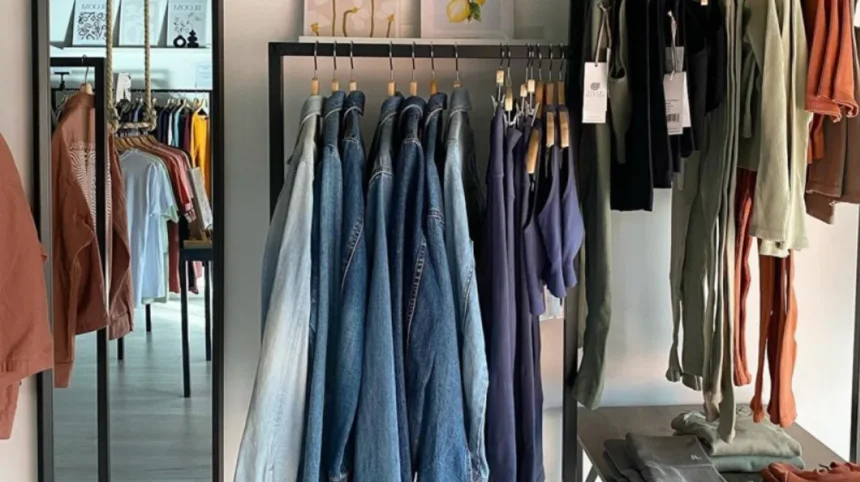
Sustainable fashion in Headingley, Leeds, offers practical ways to buy second-hand clothing, donate unwanted garments, extend the life of existing outfits and reduce textile waste. The area has charity shops, community reuse opportunities and access to wider Leeds services that support responsible clothing consumption. Visitors and residents can explore pre-loved fashion while supporting charitable organisations and reducing demand for newly manufactured garments.
- What Does Sustainable Fashion Mean in Headingley?
- Where Can You Buy Second-Hand Clothes in Headingley?
- How Does Clothing Reuse Reduce Textile Waste in Leeds?
- What Clothing Donation Options Are Available Near Headingley?
- Donate Wearable Clothing to Charity Shops
- Support Clothing Exchanges in Leeds
- What Should You Do with Damaged Clothing?
- Where Can You Repair or Alter Clothes in Headingley?
- How Can You Upcycle Old Clothes Instead of Throwing Them Away?
- What Is the Difference Between Reuse, Repair and Textile Recycling?
- How Can You Build a Sustainable Wardrobe on a Budget?
- How Can Visitors Explore Sustainable Fashion in Headingley?
- What Role Does Headingley’s History Play in Its Sustainable Shopping Culture?
- What Are the Environmental Benefits and Limitations of Sustainable Fashion?
- How Can Headingley Residents Make Clothing Reuse Part of Everyday Life?
- Where Can You Find Reliable Information About Sustainable Fashion in Headingley?
Sustainable fashion describes the production, purchase, use and disposal of clothing in ways that reduce environmental harm and encourage responsible resource management. Clothing reuse is a central part of this approach. It keeps wearable garments in circulation instead of sending them directly to waste facilities.
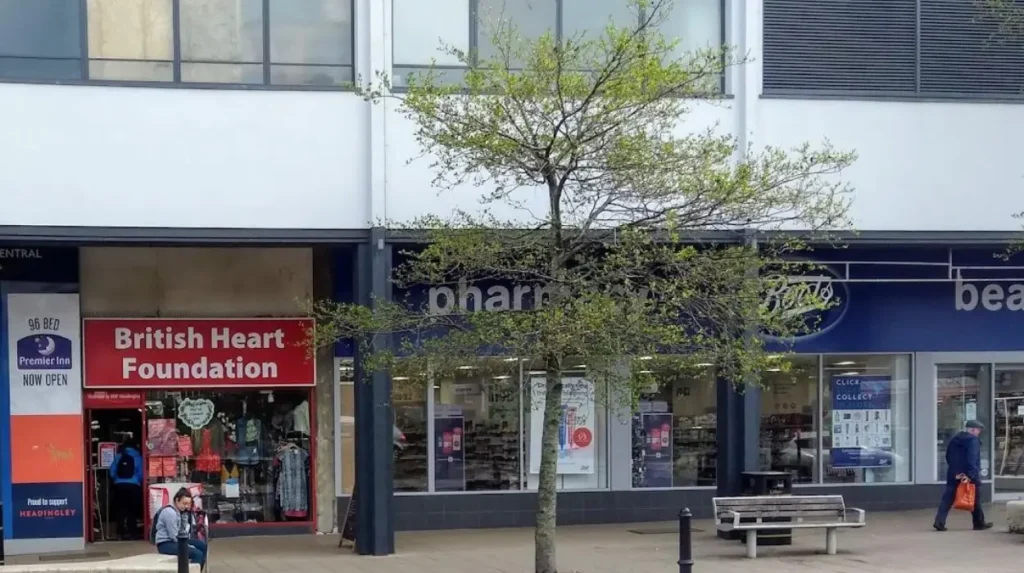
Headingley is a residential and student-oriented suburb in north-west Leeds, West Yorkshire. Its location along Otley Road and its connections to the wider city make it a practical starting point for exploring second-hand shopping and sustainable lifestyle options. Charity shops, including the British Heart Foundation and Oxfam, provide established opportunities to purchase pre-loved goods and donate suitable items.
Sustainable fashion also includes clothing repairs, alterations, swapping, responsible donations and textile recycling. These activities help people obtain affordable clothing, maintain existing wardrobes and make better use of textile resources. Understanding the available options helps visitors plan a more responsible shopping trip and enables residents to establish sustainable clothing habits.
What Does Sustainable Fashion Mean in Headingley?
Sustainable fashion in Headingley means choosing clothing practices that reduce waste, extend garment life and limit demand for new resources. Practical options include buying second-hand clothes, repairing damaged garments, donating wearable items and recycling textiles that cannot be reused.
Sustainable fashion covers the entire life cycle of a garment, from the sourcing of raw materials to manufacturing, retail, everyday use and disposal. Conventional clothing production requires resources such as water, energy, agricultural land and synthetic or natural fibres. Manufacturing, transportation and disposal also generate environmental impacts.
The circular fashion model aims to keep clothing and materials in productive use for as long as possible. A circular economy is a system that reduces waste by prioritising durability, reuse, repair and material recovery. In fashion, this approach encourages consumers to buy garments that meet genuine needs and to maintain them rather than replace them unnecessarily.
Headingley residents and visitors can put these principles into practice through existing local shopping and donation options. Buying a second-hand coat, choosing a pre-owned jumper or donating suitable trousers extends the useful life of clothing. Repairing a loose button or replacing a broken zip also helps prevent premature disposal.
The distinction between sustainable fashion and simply buying products marketed as environmentally friendly is important. Purchasing another item, even one advertised as sustainable, still uses resources. Wearing existing clothes for longer, purchasing suitable second-hand garments and avoiding unnecessary purchases are direct ways to reduce consumption.
Where Can You Buy Second-Hand Clothes in Headingley?
Headingley has established charity shops where shoppers can look for pre-loved clothing, footwear and accessories. The British Heart Foundation and Oxfam are useful starting points along the local shopping area, with stock, prices and available sizes varying between visits.
Second-hand clothing shops offer garments that previous owners have donated or sold. Charity shops often use the proceeds from sales to fund charitable activities, making them useful options for shoppers who want to combine affordable fashion with social support.
British Heart Foundation Headingley Shop
The British Heart Foundation shop is located at 28 Arndale Centre, Otley Road, Headingley, Leeds, LS6 2UE. Its published store information lists clothing, shoes, accessories, books, toys and homeware among its products. The shop also accepts suitable donations to support the charity’s work funding cardiovascular research.
The store’s listed opening hours are Monday to Saturday, 10 am to 7 pm, and Sunday, 11 am to 5 pm. Opening times and services can change, so check the current details before travelling.
For shoppers, the range makes the shop a useful stop for pre-loved outfits and accessories. Availability depends on donations, so a visit does not guarantee a particular brand, size or garment type.
Official store information: British Heart Foundation Headingley Shop.
Oxfam Shop Headingley
Oxfam has a shop on Otley Road in Headingley. Its published shop information identifies donated clothing and other pre-loved goods among its offerings. The shop also sells products such as jewellery, gifts and other merchandise, with the selection changing according to stock.
Oxfam is an international charitable organisation that works to tackle poverty and inequality. Buying suitable second-hand items from its shops supports its wider charitable work.
Shoppers looking for everyday clothing, distinctive pieces or accessories can browse the available stock without assuming that every category will be available on every visit. Oxfam also provides information about donating quality, undamaged items and volunteering in its retail shops.
Official store information: Oxfam Shop Headingley.
How to Shop More Effectively
A focused shopping plan helps reduce unnecessary purchases. Check your wardrobe before visiting, identify missing essentials and set a spending limit. Prioritise fit, fabric condition, comfort and durability rather than buying garments simply because their prices are low.
Inspect seams, buttons, zips, hems and underarm areas. Check for persistent odours, stains, fabric thinning and damage that requires specialist repair. Try garments on where facilities are available, and check the shop’s returns policy before buying.
Second-hand shopping also rewards flexibility. A shopper seeking a specific coat colour or trouser size benefits from checking several visits rather than expecting every item to be available immediately. Charity shop stock reflects the donations received and the pace at which items sell.
How Does Clothing Reuse Reduce Textile Waste in Leeds?
Clothing reuse reduces textile waste by keeping wearable garments in circulation instead of sending them to general waste. In Leeds, charity donations, clothing exchanges and community sharing schemes provide routes for suitable items to reach new users and reduce unnecessary purchases.
Textile waste includes unwanted clothing, bedding, towels and other fabric-based products. Some textiles remain wearable, while others require repair or material recovery. Sorting items according to their condition helps direct each garment towards an appropriate destination.
The scale of the issue makes reuse important. According to the UK Government’s response to a parliamentary question in September 2025, WRAP estimated that the UK generated approximately 1.45 million tonnes of post-consumer textiles in 2022. This category includes clothing and household textiles rather than clothing alone.
The same government response reported that the average person in the UK threw 35 unwanted textile items into general waste each year, based on WRAP estimates. The figure illustrates how frequently usable material enters residual waste streams instead of being reused.
Leeds also faces a local clothing waste challenge. Wear and Share Leeds reports that around 4,000 tonnes of clothing enter household bins across the city annually. Its work focuses on redistributing good-quality clothing through initiatives such as the Leeds School Uniform Exchange and the Leeds Winter Coat Appeal.
These programmes demonstrate that reuse provides both environmental and social benefits. Families receive clothing that meets practical needs, while wearable garments remain in circulation. Donating suitable clothing can also help charitable organisations generate funds for their work.
For Headingley residents, the principle is straightforward: separate wearable clothing from damaged textiles before disposal. Clean garments in good condition are suitable for donation when the receiving organisation accepts them. Clothing that is not reusable requires a suitable textile recycling route.
What Clothing Donation Options Are Available Near Headingley?
Headingley shoppers can donate suitable clothing through local charity shops, including Oxfam and the British Heart Foundation. Leeds also provides guidance on textile recycling and reuse. Always check each organisation’s accepted items, condition requirements and current donation arrangements before dropping anything off.
Donating clothing transfers useful garments to another owner and can support charitable activities. The best donation route depends on the item’s condition, the receiving organisation’s requirements and whether the organisation has sufficient capacity to accept it.
Donate Wearable Clothing to Charity Shops
Charity shops generally prioritise clean, wearable garments that can be sold or otherwise reused. Good-quality coats, jumpers, trousers, dresses and everyday tops are suitable examples when they meet the shop’s acceptance criteria.
Wash and dry clothing before donation. Check pockets for personal belongings, pair shoes together and ensure accessories are complete. Do not assume a shop accepts every type of textile or can process large quantities at short notice.
The British Heart Foundation and Oxfam provide donation information through their official websites. Their requirements can differ, so confirm the current arrangements before bringing bags of clothing.
Support Clothing Exchanges in Leeds
A clothing exchange redistributes suitable garments among people who need them. Exchanges can help households obtain school uniforms, winter coats and everyday clothing without buying new items.
Wear and Share Leeds operates the Leeds School Uniform Exchange and the Leeds Winter Coat Appeal. The organisation reports that its school uniform exchange supported 3,656 families in the year covered by its published figures, redistributing 22,880 uniform items free of charge. It also reported distributing more than 8,900 warm clothing items through its winter coat appeal during the previous winter described in that report.
These figures demonstrate how clothing reuse supports practical needs across Leeds. Availability and eligibility depend on the programme, so check the organisation’s current information before making plans.
What Should You Do with Damaged Clothing?
Clothing with substantial tears, missing sections, heavy staining or fabric deterioration is not always suitable for donation. Small defects, such as a loose button or an open seam, are often repairable. Fixing these problems before donation can make a garment usable again.
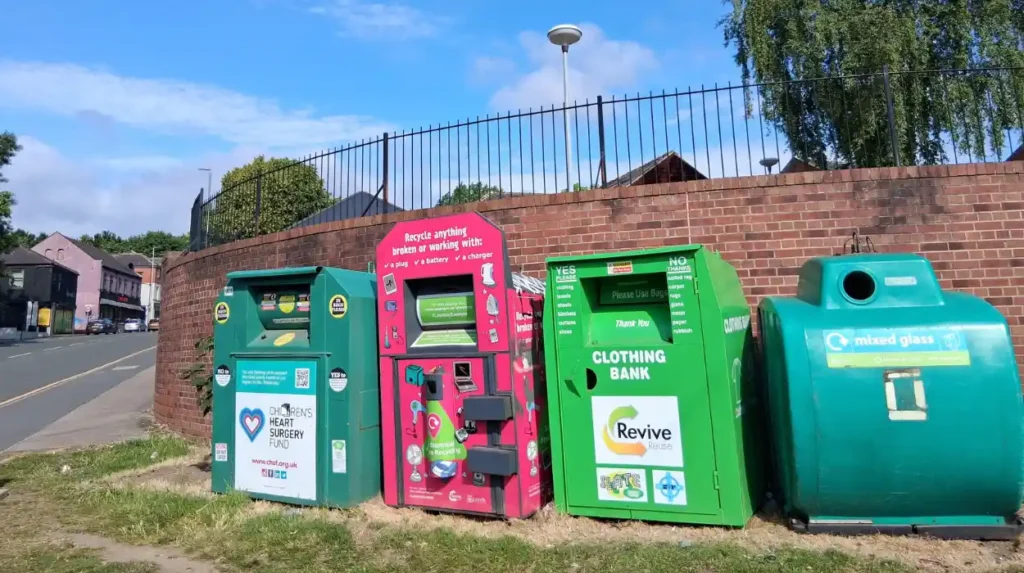
When an item is beyond repair, use an appropriate textile recycling collection where accepted. Leeds City Council explains that textiles unsuitable for reuse can be taken to textile banks or recycling centres. Depending on the material and processing system, recovered textiles are reprocessed into products such as industrial-strength blankets.
Do not put every damaged textile into a general recycling bin. Check the specific collection instructions because accepted materials and collection arrangements vary.
Where Can You Repair or Alter Clothes in Headingley?
Clothing repairs extend garment life by fixing damage before an item becomes unusable. Common repairs include replacing buttons, mending seams, shortening trousers and repairing zips. Check local alteration services and sewing facilities in Headingley and nearby Leeds neighbourhoods before arranging specialist work.
Repair is one of the most direct ways to practise sustainable fashion. A garment does not need replacing simply because a seam has opened or a button has fallen off. Basic repairs often restore functionality without requiring the purchase of another item.
Common Clothing Repairs
Replacing a button is a simple repair that requires a needle, thread and a suitable replacement button. Small seam openings can often be stitched closed, provided the surrounding fabric remains strong. Loose hems can be secured by hand or with a sewing machine.
Zip repairs require more care. A slider that no longer closes properly, damaged teeth and a broken zip stop require different solutions. An alteration specialist can assess whether the zip needs adjustment, slider replacement or complete replacement.
Trousers and skirts can also be shortened to improve fit. Sleeve alterations, waist adjustments and patch repairs help extend the useful life of garments that remain in good condition.
Finding a Suitable Repair Service
Search local business directories for clothing alterations, tailors, dry cleaners offering repairs and sewing services in Headingley, Meanwood, Hyde Park and central Leeds. Confirm the service’s current location, opening hours, price and turnaround time directly.
Describe the damage before requesting a quote. A photograph can help a repair professional understand the work involved. Ask whether the proposed repair preserves the garment’s appearance, strength and everyday comfort.
For simple repairs, a basic sewing kit is a practical starting point. Needles, matching thread, scissors, spare buttons and a seam ripper cover many routine tasks. Sewing classes and community workshops elsewhere in Leeds also provide opportunities to develop repair skills.
The most effective repair decision considers cost, garment quality and expected future use. Repairing a durable coat is often more practical than replacing it, while a badly deteriorated garment requires a different solution.
How Can You Upcycle Old Clothes Instead of Throwing Them Away?
Upcycling transforms unwanted garments into useful or decorative items without treating the original material as waste. Practical examples include turning worn jeans into storage pouches, converting oversized shirts into reusable bags and using fabric scraps for patches or household projects.
Upcycling differs from ordinary recycling because it uses an existing item or material to create a new product. The process often involves cutting, stitching, combining or modifying fabric while preserving some of its original value.
A pair of jeans with worn knees can become shorts if the remaining fabric is sound. Strong denim sections can also provide material for patches, small bags or craft projects. An oversized cotton shirt can be converted into a casual top or reusable produce bag.
Textile scraps also have practical uses. Small pieces of cotton can serve as cleaning cloths, while suitable fabric remnants can be used for patchwork, cushions or other sewing projects. The final use depends on the material’s cleanliness, strength and composition.
Upcycling requires realistic assessment. Fabric that is mouldy, heavily contaminated or structurally deteriorated is unsuitable for many household projects. Synthetic fabrics can also release microfibres during washing, so laundering practices and fabric condition remain relevant.
Residents can learn basic techniques through sewing tutorials, local craft classes and community workshops. Before purchasing supplies, check what materials are already available at home. Using existing thread, buttons and fabric reduces the need to buy new crafting products.
Upcycling is most effective when the finished item serves a genuine purpose. Turning an unwanted garment into something useful extends the value of the material and delays disposal.
What Is the Difference Between Reuse, Repair and Textile Recycling?
Reuse keeps a garment in use, repair fixes an item so it remains wearable, and textile recycling processes recovered fibres or fabric into another material or product. These methods serve different purposes, and reusable clothing should normally be prioritised before material recycling.
Reuse, repair and recycling are connected but distinct parts of responsible textile management. Understanding their differences helps households choose the right destination for unwanted clothing.
Reuse involves passing an item to another person or using it again without substantially changing its structure. Buying a second-hand coat, donating a wearable dress and exchanging children’s uniforms are examples of reuse.
Repair restores a garment’s functionality. Examples include stitching a torn seam, replacing a damaged zip and reinforcing a worn elbow. Repairs help maintain clothing that would otherwise be discarded.
Textile recycling recovers material from items that cannot reasonably continue in their current form. Depending on the process, fibres are separated, shredded or processed into material for industrial products. Some recycling methods recover fibres for new textile production, while others create lower-value applications.
Recycling has practical limitations. Blended fabrics containing different fibre types are more difficult to process than some single-fibre materials. Buttons, zips, coatings and other components also complicate recovery. As a result, not every textile collected for recycling becomes a new item of clothing.
The UK Government’s waste prevention programme identifies reuse, rental, repair and recycling as important components of a more circular textiles sector. Its guidance emphasises keeping products and materials in circulation while reducing textiles sent to residual waste.
For Headingley households, the preferred order is simple: continue wearing usable clothing, repair items with manageable damage, donate or exchange garments that are no longer needed, and recycle textiles that cannot be reused.
How Can You Build a Sustainable Wardrobe on a Budget?
A sustainable wardrobe prioritises clothing that meets everyday needs, lasts through repeated use and works with existing outfits. Buying second-hand essentials, repairing garments, planning purchases and avoiding unnecessary duplicates help households reduce clothing expenditure and textile waste.
A sustainable wardrobe does not require replacing every existing garment with products marketed as environmentally friendly. The first step is to understand what is already available and identify genuine gaps.
Start by reviewing clothing by category. Separate everyday essentials, workwear, seasonal garments, special-occasion outfits and items requiring repair. This process identifies useful pieces that have been overlooked and prevents duplicate purchases.
Next, establish a simple shopping list. Examples include a waterproof coat, durable trousers, comfortable walking shoes or a warm jumper. Buying according to need reduces impulse spending and helps shoppers assess whether a second-hand item serves a clear purpose.
Choose Versatile Clothing
Versatile clothing works across different settings. A plain jumper can be worn with jeans or smarter trousers, while a durable coat serves daily travel and sightseeing. Neutral colours and compatible styles make it easier to combine existing garments.
Fabric quality matters because garments experience repeated washing, stretching and friction. Inspect stitching, seams and fabric thickness before purchasing. Follow care labels to avoid damage caused by unsuitable washing temperatures, harsh detergents or excessive heat.
Calculate Cost Per Wear
Cost per wear measures a garment’s purchase price against the number of times it is worn. A £20 second-hand coat worn 100 times costs 20 pence per wear. The calculation excludes repair and cleaning costs, but it provides a useful comparison between purchases.
A cheaper item is not automatically better value if it fits poorly or wears out quickly. Choose clothing that meets your needs, feels comfortable and suits the expected frequency of use.
Avoid Unnecessary Purchases
Before buying an item, check whether an existing garment already serves the same purpose. Consider whether the new purchase matches several outfits and whether it will be worn regularly.
For tourists, this principle is useful when shopping for clothing during a trip. Buying one practical second-hand layer can meet an immediate need without creating a collection of rarely worn souvenirs.
For residents, a planned approach supports long-term savings. Repairing clothing, choosing pre-loved essentials and donating unused garments help create a wardrobe based on use rather than constant replacement.
How Can Visitors Explore Sustainable Fashion in Headingley?
Visitors can explore sustainable fashion in Headingley by combining charity shop visits with a walk along Otley Road and nearby shopping streets. Checking store opening hours, transport connections and donation arrangements in advance helps make the outing practical and avoids unnecessary travel.
Headingley provides a convenient setting for a short second-hand shopping trip. Otley Road is a key local shopping corridor, and established charity shops provide identifiable starting points for visitors interested in clothing reuse.
A simple itinerary begins with the British Heart Foundation shop at the Arndale Centre, followed by a visit to Oxfam’s Headingley shop on Otley Road. Check current opening times and locations before setting out, as business details change.
Visitors can browse clothing, accessories and other pre-loved goods while learning about the role of charity retail. Purchasing one useful item or making an appropriate donation provides a practical connection between sustainable fashion and everyday shopping.
Plan Your Journey
Check public transport information before travelling. Headingley is served by local bus routes, and visitors can also explore connections to central Leeds. Service numbers, timetables and diversions change, so use current operator information rather than relying on an outdated route description.
Walking between nearby shopping stops can reduce the need for additional vehicle journeys. Carry a reusable shopping bag and avoid buying items that do not fit your luggage or travel plans.
Consider More Than Shopping
Sustainable fashion includes learning, maintenance and responsible disposal. Visitors can inspect second-hand garments, identify basic repair techniques and find out how Leeds organisations redistribute clothing.
Travellers staying in Headingley for several days can also review their own clothing needs. Wearing existing outfits repeatedly, washing clothes only when needed and repairing minor damage reduce the need to buy replacements during a trip.
A sustainable shopping visit is most useful when purchases serve a genuine purpose. Browsing second-hand shops provides access to pre-owned goods, but the environmental benefit depends partly on whether the items are used rather than left unworn.
What Role Does Headingley’s History Play in Its Sustainable Shopping Culture?
Headingley’s development as a residential suburb and local shopping centre provides context for its present-day retail environment. Its established high street supports everyday services, including charity retail, while modern clothing reuse connects local shopping with wider concerns about waste and resource consumption.
Headingley forms part of the wider urban history of Leeds. Its residential development, educational connections and commercial streets have shaped the area into a place serving students, households, workers and visitors.
The local shopping environment has changed over time as consumer habits, transport links and retail formats have developed. Charity shops now provide a familiar route for buying donated goods, while modern sustainability initiatives place greater emphasis on extending product life and reducing waste.
Sustainable fashion is not limited to newly established environmental businesses. Reusing garments and passing clothing between households are longstanding practices. Contemporary clothing exchanges, resale platforms and textile collection schemes build on these principles through organised systems.
As you explore Headingley’s modern shopping streets, you are also moving through an area shaped by generations of residential and commercial development. Read the full [Headingley Local History and Heritage Guide] to understand the origins of the neighbourhood and the evolution of its local shopping environment.
Historical context helps explain why established shopping streets remain useful for community activities. However, the presence of a charity shop does not establish the environmental performance of every product sold. Responsible shopping still depends on garment quality, actual use and appropriate disposal.
What Are the Environmental Benefits and Limitations of Sustainable Fashion?
Sustainable fashion reduces avoidable clothing waste by extending garment life, encouraging reuse and supporting repairs. Its benefits depend on practical decisions, including how often clothing is worn, how garments are maintained, whether purchases replace new products and how unusable textiles are processed.
The environmental impact of clothing begins before a garment reaches a shop. Fibre production, manufacturing, dyeing, finishing, packaging and transport all require resources. Washing and drying contribute further impacts during use, while disposal creates additional waste-management requirements.
Buying second-hand clothing can reduce demand for new production when a pre-owned item replaces a planned purchase of new clothing. Repairing a garment can also postpone replacement and spread the resources used in its production over a longer period.
The UK Government’s waste prevention programme cites life-cycle assessment research indicating that producing a new T-shirt has approximately 70 times the environmental impact of a reused T-shirt in the comparison described in its guidance. The programme also reports that reusing a medium-to-high-value T-shirt saves more than 3 kilograms of carbon dioxide.
These figures relate to particular assessment assumptions and garment categories. They do not mean every second-hand purchase automatically produces the same savings. The outcome depends on whether the item is used, what it replaces and the transport, cleaning and care involved.
There are also limitations to textile recycling. Some fibre blends are difficult to separate, and recycling processes do not always produce material suitable for new clothing. Donation systems also require responsible sorting because not every donated garment has a viable reuse market.
For these reasons, sustainable fashion begins with reducing unnecessary consumption and extending the useful life of existing clothing. Reuse and repair are especially valuable when they prevent an otherwise unnecessary replacement purchase.
Explore More Area Guide
Headingley Guide to Second-Hand Furniture and Household Essentials
Headingley Guide to Affordable Furniture and Homeware Shopping
How Can Headingley Residents Make Clothing Reuse Part of Everyday Life?
Residents can make clothing reuse routine by maintaining garments, buying second-hand essentials, donating wearable items and using suitable textile recycling facilities. Small, repeated decisions help keep clothing in circulation and support local organisations working to reduce waste across Leeds.
Clothing reuse works best when it becomes part of ordinary household routines. Before purchasing something new, check existing clothing and consider repair, borrowing or second-hand alternatives.
Create a dedicated space for garments that no longer fit or serve a useful purpose. Review the items regularly and separate wearable clothing from items requiring repair. Donate suitable garments promptly rather than storing them indefinitely.
Plan donations according to the receiving organisation’s requirements. Clean, dry clothing is generally easier to handle, and good-quality items have a better chance of being reused. Ask charity shops about restrictions before donating specialist clothing, damaged goods or large quantities.
Households can also reduce waste by sharing children’s clothing, school uniforms and seasonal items when practical. Children often outgrow clothing before it wears out, making exchanges particularly useful for families.
For items that cannot be reused, consult Leeds City Council’s guidance on textile banks and recycling centres. Correct sorting helps prevent reusable clothing from entering waste streams unnecessarily.
Community participation also matters. Residents can support clothing exchanges, share repair skills and encourage responsible donations. Students and households moving into or out of Headingley can prioritise second-hand purchases and pass usable garments to others instead of disposing of them during a move.
These practices provide a practical route towards a more circular local clothing economy. Their value comes from keeping garments useful, reducing avoidable purchases and making better use of existing resources.
Where Can You Find Reliable Information About Sustainable Fashion in Headingley?
Reliable information comes from official charity shop pages, Leeds City Council waste guidance, established clothing reuse organisations and research bodies such as WRAP. Check these sources for current shop details, donation rules, textile recycling arrangements and evidence about clothing waste.
Local information should be checked before travelling or donating clothing because store locations, opening hours, accepted items and collection arrangements can change.
Leeds City Council provides guidance on donating reusable items and recycling textiles. Its information explains that suitable garments should be donated for reuse, while textiles that cannot be reused require an appropriate recycling route.
The British Heart Foundation and Oxfam publish information about their Headingley shops, donated goods and charitable activities. These official pages are useful for confirming local shop details and donation arrangements.
Wear and Share Leeds provides information about clothing reuse programmes, including school uniform redistribution and winter coat appeals. Its published impact figures also demonstrate the role of community clothing schemes in supporting households.
WRAP, the Waste and Resources Action Programme, publishes research on textile consumption, reuse and circular business models. Its reports provide national context for understanding why extending garment life and reducing waste are important.
Government guidance on waste prevention outlines the role of reuse, repair and recycling in reducing textile waste. These sources help distinguish evidence-based information from unsupported sustainability claims.
For Headingley shoppers, combining local store information with wider research creates a practical approach to sustainable fashion. It supports informed purchases, responsible donations and appropriate textile disposal.
Where can I buy second-hand clothes in Headingley?
Headingley has charity shops, including the British Heart Foundation and Oxfam, where shoppers can browse pre-loved clothing, footwear and accessories. Stock, sizes, prices and opening hours vary, so check the shops’ official information before visiting.