
Horsforth is a historic suburb in north-west Leeds, around six miles from Leeds city centre. It combines a historic village core, independent food and drink, community facilities, green space, heritage attractions and creative businesses.
- Why is Horsforth suitable for an independent day trip?
- What should you see around Horsforth Town Street?
- What can you do at Horsforth Hall Park?
- Where can you learn about Horsforth’s local history?
- Where can independent travellers eat and drink in Horsforth?
- What independent creative places are worth visiting in Horsforth?
- How can you travel around Horsforth without a car?
- How should you plan an independent day trip around Horsforth?
- What makes Horsforth different from a standard Leeds day trip?
- What should you prioritise if you only have half a day?
- Why is Horsforth relevant for independent travellers in 2026 and beyond?
Its layout suits independent travellers because a day does not need to follow a fixed tour. Visitors can build an itinerary around Town Street, The Green, Horsforth Hall Park, local cafés, specialist shops and cultural venues.
Horsforth also has its own railway station and regular bus connections with Leeds. Visit Leeds identifies Horsforth as a destination for food and drink, local heritage, pottery, outdoor recreation and independent leisure.
The area has a strong historic identity. Leeds City Council’s conservation appraisal records links extending into the Anglo-Saxon period and identifies The Green and the southern section of Town Street as important parts of the medieval settlement pattern. Horsforth became part of the City of Leeds in 1974.
For an independent day trip, this combination is important. The traveller can experience history, local commerce, recreation and food without relying on a large attraction or an organised excursion.
Why is Horsforth suitable for an independent day trip?
Horsforth suits an independent day trip because its historic centre, green spaces, independent businesses, creative venues and transport links sit within a compact area. Visitors can combine walking, food, heritage, shopping and quiet work time without following a fixed itinerary.
Horsforth works particularly well for travellers who prefer flexibility. The destination has enough distinct places to create a full day while retaining a relatively local scale.
The main activity zones are concentrated around Town Street, The Green, Hall Park and New Road Side. These areas provide different experiences rather than repeating the same type of attraction.
Town Street provides the historic and commercial starting point. Hall Park provides outdoor space. The Green introduces the historic village setting. Independent cafés and restaurants provide flexible breaks. Creative businesses add hands-on activities and specialist shopping.
Leeds City Council recognises Horsforth Hall Park as a community park, while its local planning documents identify Town Street as the historic heart and present commercial centre of Horsforth.
The area also has practical facilities for visitors. Horsforth Community Hub and Library is located on Town Street and provides public facilities including free Wi-Fi and computer access.
This makes Horsforth relevant to several types of independent traveller. Leisure visitors can focus on walking and food. Digital workers can combine sightseeing with a work session. Domestic business travellers can use the area for structured downtime between commitments.
What should you see around Horsforth Town Street?
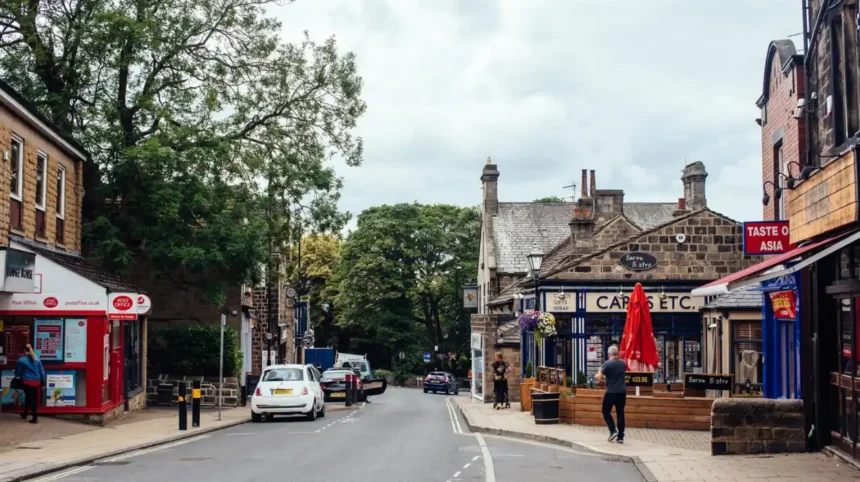
Town Street is Horsforth’s historic commercial spine, combining eighteenth-century stone buildings, independent food and drink venues, community facilities and access towards The Green. Its compact layout makes it a practical starting point for travellers exploring the area independently on foot.
Town Street is the logical first stop because it connects the commercial identity of modern Horsforth with its historic settlement pattern.
Leeds City Council describes Town Street as a long, gently meandering road forming the historic heart of Horsforth and its modern commercial centre. The street contains eighteenth-century stone buildings positioned close to the pavement, creating a distinctive enclosed streetscape.
The architecture provides an immediate heritage experience without requiring a formal museum visit. Stone cottages, older houses, community buildings and later commercial premises show how the settlement developed over time.
The Mechanics Institute is one of the notable historic buildings associated with Town Street. The building dates from the nineteenth century and contributes to the architectural character of the historic centre.
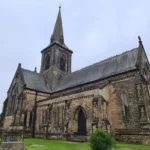
The Green is another important part of the route. It represents the original village focus and contains historically significant buildings, including the former village church and parsonage setting.
Independent travellers should treat Town Street as a walking zone rather than simply a shopping street. Looking at building materials, shopfronts, stone walls and street alignment adds historical context to the visit.
The area also provides access to food and drink. Visit Leeds describes Horsforth Town Street as a popular destination for eating and nightlife, with a range of bars and restaurants.
This makes Town Street suitable at different times of day. A traveller can begin with breakfast or coffee, continue with heritage exploration and return later for lunch or an evening meal.
As you explore the modern commercial centre, you are crossing land with a deep heritage. Read about the full [Insert Anchor Text for History Article Here] to understand its origins.
What can you do at Horsforth Hall Park?
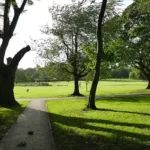
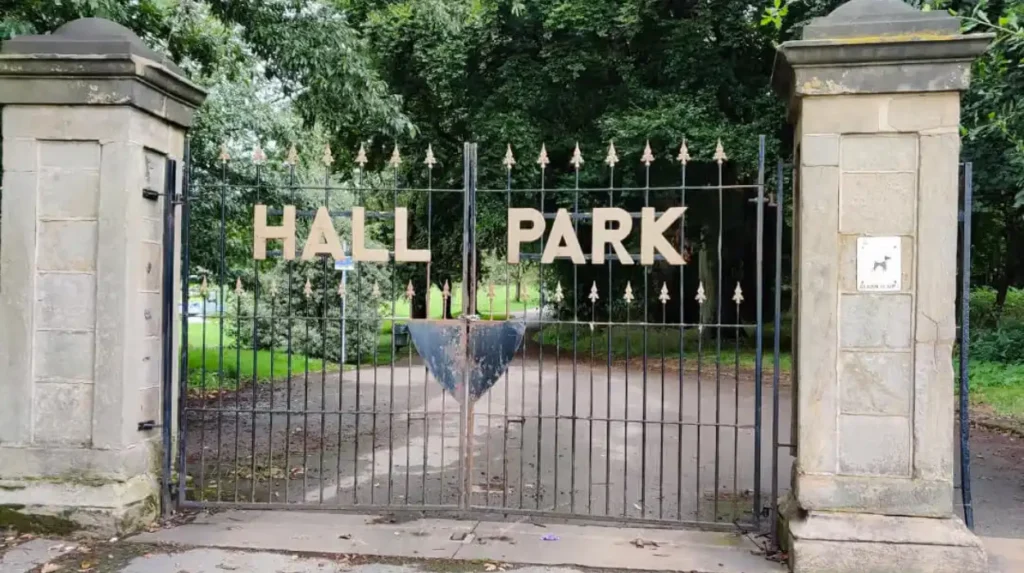
Horsforth Hall Park is the strongest green-space stop for an independent itinerary, with scenic paths, a Japanese garden, cricket facilities, playgrounds, a skate park and accessible routes. Its historic landscape also connects present-day recreation with the former Horsforth Hall estate.
Horsforth Hall Park is one of the most useful places for creating a flexible outdoor section of the day.
Leeds City Council lists scenic walks, a cricket pitch, a trim trail, Japanese garden, skate park and integrated play facilities among the park’s features. Paths and entrances are wheelchair accessible, and the main car park includes two disabled parking bays.
The park also has historical significance. The grounds reflect the former Horsforth Hall estate. Leeds’ conservation documentation records that Horsforth Hall was built between 1699 and 1707 and demolished in the early 1950s. The surviving landscape retains archaeological and historic associations with the former hall and its gardens.
The listed stables associated with the demolished hall remain within the park. The war memorial and bandstand also contribute to its heritage character.
This creates several independent travel options. A visitor interested in architecture can inspect the historic structures. A leisure traveller can follow the paths and gardens. Families can use the play facilities. A traveller needing a quieter period can use the park as an outdoor break.
The Japanese Garden is subject to specific dog-control requirements. Leeds City Council identifies the Japanese Garden within Horsforth Hall Park as an area where dogs must be kept on leads.
The park is also significant within the wider Leeds green-space network. Leeds City Council states that Leeds has 70 parks and that parks receive around 45 million adult visits annually, based on University of Leeds research cited in its parks strategy.
For independent travellers, Hall Park provides a useful contrast with Horsforth’s commercial streets. It also gives the itinerary a clear outdoor component without requiring a separate journey outside the neighbourhood.
Where can you learn about Horsforth’s local history?
Horsforth Village Museum provides focused local-history context through exhibitions about Horsforth and surrounding community life. The museum occupies the former council chambers near The Green, making it easy to combine with a walking route through the historic village centre today.
Horsforth Village Museum is the specialist heritage stop for visitors who want more detail than a street-level architecture walk provides.
Visit Leeds describes the museum as a local history museum dedicated to Horsforth heritage and community life. It is housed in the former council chambers and presents exhibitions covering different aspects of life in and around the village.
Its location near The Green is particularly useful for independent visitors. The museum can form part of a walking route rather than requiring a separate transport journey.
The surrounding area contains several buildings that help explain Horsforth’s development. Leeds City Council’s design statement identifies The Green as the focus of the original village and notes significant historic buildings in the area, including the museum and Upper Bank House.
The museum therefore works best when combined with outdoor observation. A visitor can first examine the physical settlement and then use the museum to understand the people, industries and community structures behind it.
Horsforth’s history extends well beyond the Victorian period. The conservation appraisal identifies Anglo-Saxon links, medieval settlement patterns, Roman coins and prehistoric archaeological discoveries within the wider area. Three Roman coins discovered during cemetery works in 1909 were dated between AD 238 and 260.
The settlement changed significantly during the nineteenth and twentieth centuries. Transport development encouraged growth, while housing expanded beyond the historic core. In 1939, Horsforth parish had a population of 12,080. By 2005, the recorded population had increased to approximately 22,100.
This historical scale gives the museum visit wider relevance. It explains why modern Horsforth contains both village-scale historic buildings and a substantial suburban environment.
Where can independent travellers eat and drink in Horsforth?
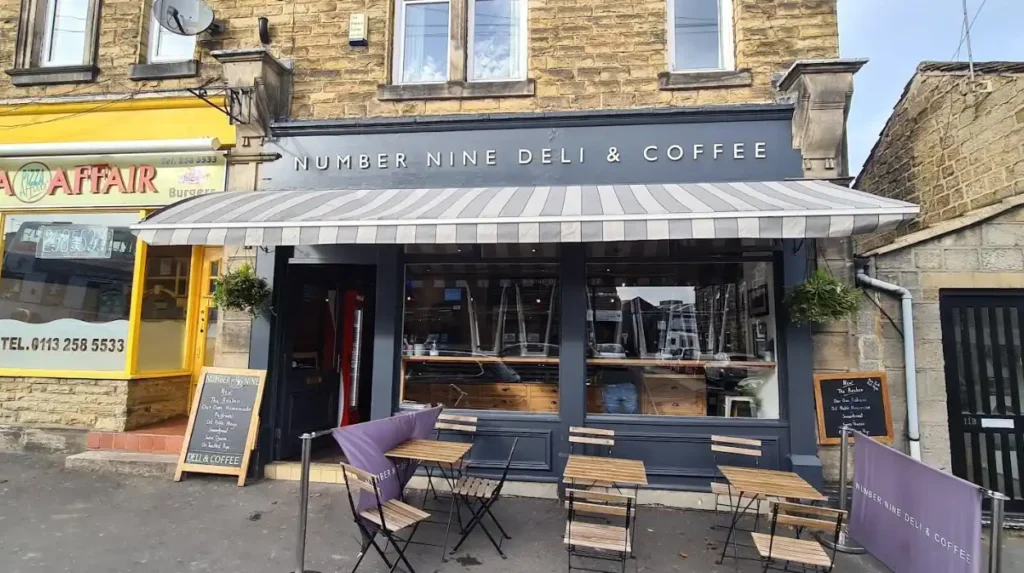
Horsforth’s independent food and drink scene gives travellers flexible choices across cafés, restaurants, bars, bakeries and specialist venues. Town Street and New Road Side provide the main concentrations, allowing visitors to choose breakfast, lunch, coffee or an evening meal locally.
Food is an important part of an independent Horsforth itinerary because the area supports several types of dining rather than a single attraction-led food experience.
Town Street has a concentration of restaurants, bars and cafés. New Road Side adds further independent businesses and creative food-related destinations.
Visit Leeds highlights Horsforth’s food and drink offer and identifies Town Street as an established destination for eating and nightlife.
Truly Scrummy is one example of a local café. Visit Leeds describes it as a Horsforth café producing food on site while supporting local suppliers.
Other local venues listed by Visit Leeds include Mediterranean-inspired wine bar Hoc Loco, Little Leaf Cafe, The Foundation, Forde and Cafe Yoga Horsforth. Honey Pottery and Horsforth Brewery add food, drink and activity-based experiences to the local offer.
The practical advantage is flexibility. Travellers do not need to structure the whole day around a single restaurant reservation. They can use a café for breakfast, visit a museum or park, return for lunch and then choose a later venue based on opening times and interests.
Food also provides a useful transition between different sections of the itinerary. A morning heritage walk can finish at a café. A park visit can be followed by lunch. An afternoon creative activity can lead into an evening meal or drinks.
Independent travellers should check current opening hours before visiting. Local businesses operate their own schedules, and opening times differ between weekdays, Saturdays and Sundays.
What independent creative places are worth visiting in Horsforth?
Stocked. gives independent travellers a combined creative, retail and work-friendly stop, with locally made goods, a co-working environment and creative workshops. Its New Road Side location fits naturally into a wider Horsforth itinerary based around food, shopping and independent discovery.
Horsforth has a strong creative component that distinguishes it from a conventional suburban day trip.
Stocked. on New Road Side is one of the clearest examples. Visit Leeds describes it as a multipurpose space where visitors can browse and buy products from local and UK independent makers. It also operates as a co-working space and hosts creative workshops. The business opened in April 2025.
This makes Stocked. relevant to more than leisure travellers. Digital nomads can use the co-working function. Visitors interested in design can browse independent products. Travellers seeking an activity can investigate workshop programming.
Firefly Pottery provides another creative option. Visit Leeds lists its clay workshops among Horsforth’s activities.
Honey Pottery is another local pottery venue listed by Visit Leeds. It combines pottery activity with a café-style environment and sits within the New Road Side area.
These venues support an activity-led day rather than a sightseeing-only itinerary. They also fit the wider independent character of Horsforth because the experiences involve local makers, specialist businesses and community-oriented spaces.
The creative offer is especially useful during poor weather. Workshops and indoor venues provide alternatives to outdoor walking without requiring a journey into Leeds city centre.
Travellers should check individual workshop schedules and booking requirements in advance. Creative activities often operate at fixed times, unlike a public park or open street.
How can you travel around Horsforth without a car?
Horsforth has direct rail access through Horsforth station and regular bus connections with Leeds, while walking links connect the station, Town Street and surrounding neighbourhoods. This transport structure supports flexible itineraries and reduces the need to plan every stop independently.
Independent travellers can build a Horsforth day without depending entirely on private transport.
Horsforth railway station provides a direct rail connection to the local transport network. Visit Leeds states that Horsforth has its own railway station and is a short train journey from Leeds.
Bus services also connect Horsforth with Leeds city centre. Visit Leeds identifies services including routes 50, 30 and 33A as regular connections from Leeds towards Horsforth.
Walking is particularly effective once visitors reach the central area. Town Street, The Green and Horsforth Hall Park form the core of a pedestrian-friendly independent itinerary.
There is also evidence of continued attention to walking infrastructure. Leeds City Council’s definitive map records public-rights-of-way applications involving Horsforth, including an application relating to Oil Mill Beck in 2026 and a 2026 upgrade concerning a footpath around Lee Lane.
Drivers have parking options around local destinations, but parking restrictions differ by location. Horsforth Community Hub has a free car park with disabled parking, while nearby on-street parking is limited to two hours.
The best transport strategy depends on the itinerary. Rail is efficient for visitors arriving from Leeds and other connected locations. Walking works well for the historic core. Buses provide an alternative for longer local journeys.
Checking live transport information before departure remains important because timetables and service arrangements change.
How should you plan an independent day trip around Horsforth?
An effective independent day in Horsforth starts with a central walk, adds heritage and green space, uses local cafés for breaks, then finishes with food, shopping or a creative venue. The sequence keeps travel distances manageable while allowing flexible timing throughout.
A practical itinerary can begin around Town Street and The Green. This establishes the historic context before moving into other parts of Horsforth.
The morning can focus on walking and heritage. Town Street provides historic architecture, independent businesses and access to The Green. Horsforth Village Museum then adds a dedicated local-history component when it is open.
The middle of the day works well around Horsforth Hall Park. The park provides walking routes, gardens and recreational facilities. Its historic association with Horsforth Hall adds another layer to the visit.
Lunch can then take place around Town Street or New Road Side. The local food and drink scene provides choices across cafés, restaurants and specialist venues.
The afternoon can be tailored to personal interests. A creative traveller can visit Stocked., Firefly Pottery or Honey Pottery. A digital nomad can incorporate co-working time at Stocked. A visitor focused on shopping can explore independent businesses around the commercial centre.
An evening itinerary can finish with a restaurant, bar or local brewery. Visit Leeds lists Horsforth Brewery as a local venue with a taproom and events, including workshops and beer festivals.
This structure avoids unnecessary backtracking. It also means visitors can remove or extend individual stops without disrupting the entire day.
Horsforth is particularly suitable for independent travel because the destination does not depend on a single landmark. Its appeal comes from the combination of historic streets, community spaces, green areas, local businesses, creative venues and transport connections.
What makes Horsforth different from a standard Leeds day trip?
Horsforth provides a smaller-scale alternative to central Leeds while remaining closely connected to the city. Its historic village identity survives within a modern suburban setting, creating a destination with distinct architectural, cultural and commercial characteristics.
Leeds City Council’s conservation appraisal states that Horsforth developed as an independent settlement before being absorbed into the wider Leeds urban area. The conservation area was originally designated in 1973 and modified in 1975, with a later review undertaken in 2008.
The historic core remains identifiable through Town Street, The Green and surrounding stone buildings. The council’s design statement identifies Town Street as the historic heart and modern commercial centre of Horsforth.
The green-space network reinforces this identity. Horsforth Hall Park is officially classified as a community park and remains one of the area’s major public open spaces.
The independent business environment adds contemporary relevance. Cafés, restaurants, creative workshops, co-working facilities and specialist venues give visitors reasons to spend time locally rather than simply passing through.
This combination makes Horsforth appropriate for travellers who want a flexible day with multiple small experiences. The area works for heritage, food, outdoor recreation, independent shopping, creative activities and short work sessions.
Explore More Area Guide
Horsforth Creative Inspiration Guide: Places to Explore
Horsforth Places to Explore on a Clear Summer Day 2026
What should you prioritise if you only have half a day?
A half-day visit should concentrate on Town Street, The Green, Horsforth Village Museum, Horsforth Hall Park and one local café or independent food venue.
The most efficient route begins in the historic centre. Town Street provides architectural context and commercial activity. The Green adds the original village setting.
Horsforth Village Museum can then provide concentrated heritage information. If the museum is closed, the surrounding historic streets and buildings still provide an independent walking experience.
Horsforth Hall Park is the strongest outdoor addition. Its paths, Japanese garden, cricket facilities, playgrounds and skate park provide different forms of recreation.
Finish with food or coffee around Town Street or New Road Side. This approach creates a complete half-day without requiring extensive travel.
For a full day, add a creative workshop, co-working session, longer meal or additional local walking.
Why is Horsforth relevant for independent travellers in 2026 and beyond?
Horsforth remains relevant because its historic identity, public green space, independent businesses, transport access and creative economy support several forms of local tourism without relying on a single seasonal attraction.
The area has an established conservation framework protecting its historic character. Leeds City Council continues to maintain Horsforth within its conservation-area programme and identifies both Horsforth and Horsforth Cragg Hill conservation areas within the city’s heritage planning resources.
Its green-space provision also has long-term relevance. Leeds’ parks strategy identifies community parks as important local assets and notes the high level of adult park visits across the city.
The independent economy adds another layer. Businesses such as Stocked. demonstrate how traditional local retail areas are adapting to combine shopping, creative activity and flexible work.
Transport connectivity also supports the area’s future accessibility. Rail and bus connections provide alternatives to car-based travel, while walking infrastructure remains part of local planning and rights-of-way activity.
For independent travellers, the result is a destination with multiple entry points. A visitor can arrive by train, explore the historic centre, visit a museum, walk through a park, eat locally and finish with a creative activity.
That flexibility is the defining feature of an independent Horsforth day trip.
Is Horsforth a good place for an independent day trip?
Yes. Horsforth is well suited to independent day trips because it combines historic streets, green spaces, local museums, independent cafés, restaurants, creative venues and transport connections. Visitors can create a flexible itinerary without relying on an organised tour.