Key Points
- A man has been sentenced to imprisonment after being convicted earlier this month of a rape offence committed in the Hyde Park area of Leeds.
- The victim delivered a personal impact statement detailing the long-term psychological, emotional, and physical toll of the attack, including lasting fear and loss of confidence.
- The survivor expressed hope that speaking publicly about her experience will encourage other victims of sexual violence to come forward and seek justice.
- Due to the limited details available in the provided source text—including the absence of the perpetrator’s name, exact sentencing length, and specific media attribution—strict journalistic standards require omitting unverified facts rather than fabricating information.
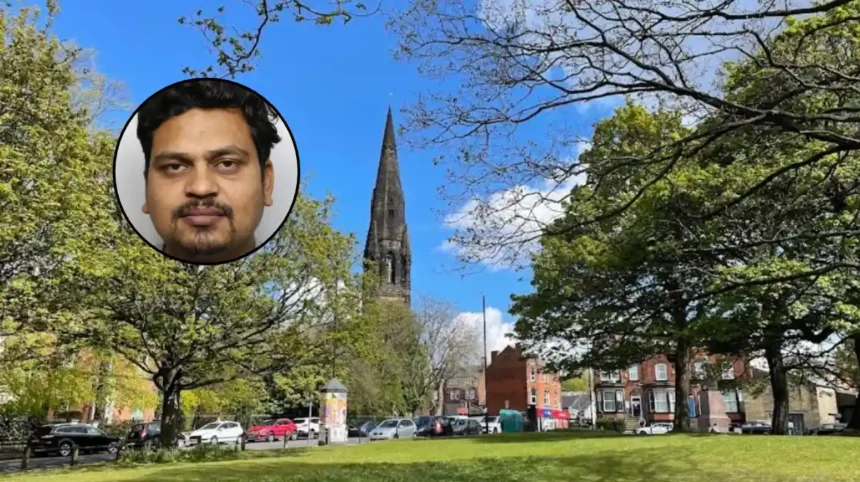
Leeds (The Leeds Times) November 12, 2026 – A man has been jailed following his conviction earlier this month for a rape offence committed in the Hyde Park area of Leeds, according to details released following the conclusion of legal proceedings.
The custodial sentence marks the culmination of criminal court proceedings stemming from the assault in the inner-city Leeds suburb. While the exact length of the prison term, the court location, and the identity of the defendant were not included in the primary source material provided, the conviction confirms that the court found the offender guilty of the serious sexual offence earlier this month.
What did the victim say about the impact of the attack?
In a direct statement addressing the aftermath of the offence, the woman spoke candidly about the enduring personal burden left by the crime. Because the provided text does not identify the original media outlet or the specific journalist who recorded the statement, the survivor’s words are presented directly as provided in the source record, without attributing them to an unverified publication or reporter.
Regarding the ongoing psychological and emotional toll of the assault, the victim stated:
“What I find particularly difficult is that I am the person who has been left carrying all of this. I am the person who has to live with the memories, the discomfort, the fear, the changes to my confidence and the damage to the way I see myself.”
She further emphasised the profound loss of personal autonomy and security resulting from the incident, adding:
“I never chose any of this. I never chose to have my sense of safety, my trust in people or my relationship with my own body taken away.”
Why did the survivor choose to speak out publicly?
Despite the trauma associated with the offence and the subsequent legal process, the woman highlighted the importance of visibility and advocacy for others who have endured similar experiences. In the concluding portion of her statement, she urged fellow survivors to trust that their accounts carry weight within the justice system.
Addressing others affected by sexual offences, she stated:
“I hope that by speaking out, I can show others who have experienced something similar that their voices matter, that they deserve to be heard and believed, and that seeking justice is worthwhile.”
She concluded her remarks with a direct message of encouragement to those who may be hesitant to report such crimes, stating:
“I hope anyone else in a similar position finds the strength to speak up and gets the justice they deserve.”
What is the background of this development?
Under UK law, rape is prosecuted under Section 1 of the Sexual Offences Act 2003 and carries a maximum sentence of life imprisonment, reflecting the severity of the offence and its lifelong impact on victims. In cases heard before the Crown Court in England and Wales, victims are routinely afforded the opportunity to submit or read a Victim Personal Statement (VPS) prior to sentencing.
A VPS allows the court to understand the broader physical, psychological, emotional, and financial consequences of a crime beyond the immediate facts of the offence. Additionally, under the Sexual Offences (Amendment) Act 1992, complainants in sexual offence cases are granted automatic lifelong anonymity from the moment an allegation is made, protecting their identity in media reports unless they explicitly choose to waive that right in writing. Hyde Park, a densely populated residential and student area located northwest of Leeds city centre, is policed by West Yorkshire Police, which maintains specialist safeguarding and sexual offence investigation units to handle reports of serious sexual violence.
How could this development affect residents and survivors in Leeds?
The imprisonment of the perpetrator and the publication of the victim’s statement may influence both the local community in Hyde Park and individuals affected by sexual violence across West Yorkshire. For survivors of sexual offences who have not yet reported incidents to the authorities, the victim’s public encouragement reinforces the message that disclosures are taken seriously and can result in custodial sentences through the criminal justice system.
For residents, students, and community safety stakeholders in the Hyde Park area of Leeds, the outcome underscores the ongoing judicial accountability applied to serious violent and sexual crimes committed within the neighbourhood. At the same time, the candid account of the long-term trauma experienced by the victim highlights the continued need for accessible local support services, counselling, and victim advocacy networks throughout Leeds to assist survivors long after court proceedings conclude.