
Council tax arrears in Otley are dealt with by Leeds City Council because Otley sits within the Leeds local authority area. The best approach is to act early, contact the council as soon as a payment is missed, and check whether Council Tax Support or a repayment plan can reduce the pressure on the household budget.
- What are council tax arrears?
- Who should contact Leeds City Council?
- What help can Leeds City Council offer?
- How does Council Tax Support work?
- What happens if you miss a payment?
- Can the council take money from wages or benefits?
- Where can Otley residents get free debt advice?
- What should you do first in Otley?
- Why does early action matter?
- What is the best support route?
What are council tax arrears?
Council tax arrears are unpaid council tax amounts that have passed their due date. In Otley, these arrears are handled by Leeds City Council, and the debt can escalate quickly if the resident does not respond to reminder notices or contact the council early.
Council tax is a local tax charged on domestic property in England. It helps fund services such as waste collection, social care, libraries, and local administration. When a payment is missed, the account enters arrears. At that point, the council can issue reminders and begin recovery steps if the balance is not paid.
The arrears process usually begins with a reminder notice after one missed instalment. If the payment is not made within the notice period, the whole year’s council tax can become due immediately. That is a key feature of council tax law and explains why missed payments should be treated as urgent.
Council tax arrears are considered a priority debt. They can lead to legal action, deductions from earnings or benefits, and, in serious cases, enforcement agents. Because of that, early action gives the best chance of a manageable solution.
Who should contact Leeds City Council?
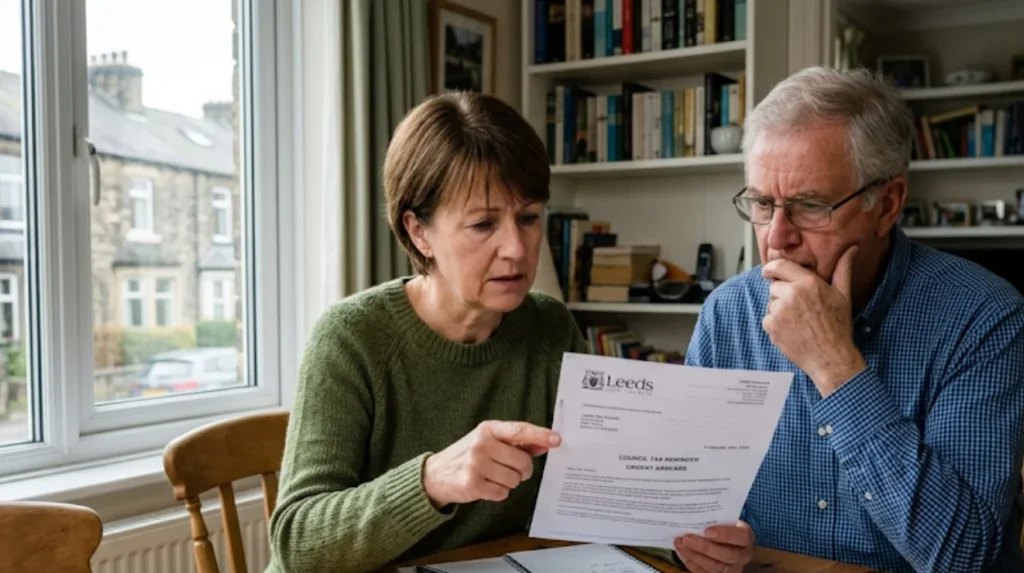
Anyone in Otley who has missed a council tax payment should contact Leeds City Council immediately. The council can discuss payment arrangements, explain support options, and check whether the resident qualifies for Council Tax Support.
The council’s first priority is to hear from the resident before the account reaches legal recovery. A short phone call or online contact can often prevent the debt from getting worse. It also gives the council a chance to review the account and explain what help is available.
This matters because many arrears cases start with a temporary problem such as reduced income, a delay in benefits, sickness, job loss, or a change in household circumstances. If the council knows about the situation early, it can often work with the resident on a realistic repayment plan.
For people in Otley, the practical first step is to check the bill, look at the instalment dates, and tell the council about any change in income or benefits. That information can affect both repayment options and support eligibility.
What help can Leeds City Council offer?
Leeds City Council offers several forms of help, including spreading payments over 12 months, Council Tax Support for eligible low-income households, and signposting to free debt advice services.
The simplest short-term help is a payment arrangement. Many households pay council tax over 10 months, but the council can sometimes spread payments over 12 months to reduce each monthly instalment. That does not cut the annual bill, but it lowers the immediate pressure.
Council Tax Support is another major option. This is a discount that reduces the amount of council tax payable. The level of support depends on income, savings, household composition, and benefits. For some people, especially those on a low income, it can make a substantial difference.
Leeds also directs residents to free debt advice services. These services help people deal with council tax alongside other priority debts such as rent, energy bills, and overpayments. This broader support is useful when council tax arrears are only one part of a bigger money problem.
How does Council Tax Support work?
Council Tax Support is a means-tested discount that reduces council tax bills for eligible households. In Leeds, the size of the discount depends on income and personal circumstances, and some groups receive stronger protection than others.
This support is aimed at people on low incomes. The council looks at income, savings, and household details when deciding how much help to give. In some situations, the reduction can be large enough to make a real difference to monthly affordability.
Certain groups receive extra protection. These include pensioners, some disabled people, carers, war widows, war pensioners, and some lone parents with young children. In the right circumstances, these groups can qualify for a higher level of support.
There are also rules about savings. If savings and investments are above a certain threshold, support is usually not available unless the claimant or partner has reached State Pension Credit age and one of them receives Pension Credit. That means the amount of help depends heavily on both income and assets.
People claiming Universal Credit are not excluded from support. They can still qualify, although the maximum discount can be lower in some cases. That makes it important to check the exact scheme rules rather than assuming support is unavailable.
What happens if you miss a payment?
If a council tax payment is missed, the council can issue a reminder notice. If the account remains unpaid, the full yearly balance can become due, and the council can move toward court action.
The first stage is usually a reminder notice. This gives a short period to pay the missed amount. If the payment is not made in time, the account can move to the next stage, where the entire remaining annual bill becomes payable.
If the resident then fails to pay the full amount, the council can issue legal proceedings. This is a formal recovery process that can lead to a liability order from the magistrates’ court. Once that happens, the council has stronger powers to recover the debt.
Those powers can include deductions from earnings and deductions from certain benefits. The council can also use enforcement agents in some cases. This is why acting during the first stage is much safer than waiting until court papers arrive.
Can the council take money from wages or benefits?
Yes. If council tax remains unpaid after legal recovery begins, the council can seek deductions from wages or certain benefits. That makes it harder to manage household finances, so early negotiation is the better option.
Wage deductions are a common recovery method. The council can ask an employer to deduct money directly from pay. This reduces the amount the resident receives each month and can create pressure on other essential bills.
The council can also recover money from some benefits, including Universal Credit and certain older benefits. These deductions help the council recover the debt, but they also reduce the money available for rent, food, travel, and utilities.
Because of this, a realistic payment plan is often preferable to enforced deductions. If the resident can make contact early, the council may agree a voluntary arrangement before the debt reaches legal enforcement.
Where can Otley residents get free debt advice?
Otley residents can use free and confidential debt advice services to deal with council tax arrears and wider money problems. Leeds City Council signposts residents to services such as Citizens Advice, StepChange, National Debtline, and Debt Advice Foundation.
Debt advice is useful because council tax arrears often happen alongside other financial pressure. A debt adviser can help the resident sort bills into priority order, check benefits, and negotiate with creditors. That support can make a repayment plan more realistic.
Local support is also available through community hubs and money advice services in Leeds. These services can help with budgeting, benefit checks, and referrals to other support. For people who prefer face-to-face help, that can be easier than handling everything by phone or online.
A debt adviser may also spot missing support. In some cases, the resident is entitled to more benefits or a larger council tax discount than expected. That can reduce arrears and stop the debt from growing further.
What should you do first in Otley?
The first step is to contact Leeds City Council, explain the arrears, and ask for a repayment plan. Then check whether Council Tax Support applies and get free debt advice if the debt is already part of a wider financial problem.
Start by checking the bill and the instalment schedule. Confirm exactly how much is overdue and whether any reminder notice has already been issued. That gives a clear picture of the next risk stage.
Next, contact the council and explain the problem. If income has fallen, mention the reason. If benefits have changed, say so. If the household cannot afford the current instalments, ask for a smaller monthly amount or a 12-month payment schedule.
After that, review eligibility for Council Tax Support. Many households in Otley qualify for some level of help, especially if income is low or benefits have changed. If the council tax debt is part of a bigger budget crisis, free debt advice should follow immediately.
Explore More Help & Resources
How to see a doctor without a wait in Pudsey
How to get free energy advice for your home in Otley
Why does early action matter?
Early action matters because council tax arrears can move quickly from a missed payment to legal enforcement. The earlier the resident acts, the more options remain available and the lower the risk of extra costs.
Council tax debt is different from many other debts because the recovery process is statutory and fast. A missed payment can trigger a reminder, and then the whole year’s balance can become due. That creates urgency from the first missed instalment.
If the debt reaches court stage, extra costs can be added. Once enforcement begins, the account becomes harder to resolve and more expensive to manage. That is why residents should not wait for a final notice or enforcement letter before taking action.
Early contact also improves the chance of a payment arrangement that matches real income. A plan based on actual affordability is much more sustainable than a rushed agreement made after legal action has already started.
What is the best support route?
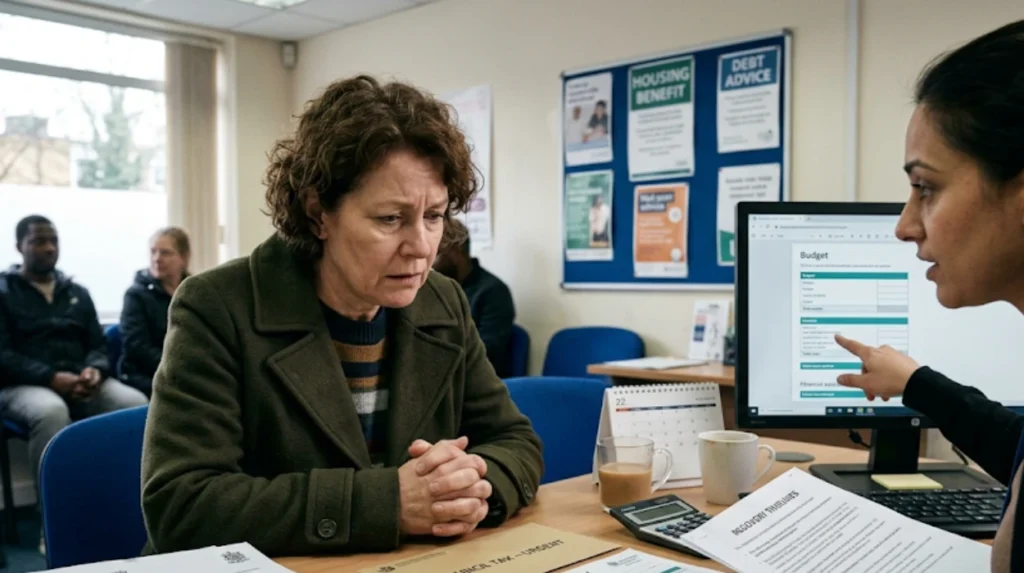
The best route is usually a three-step approach: contact Leeds City Council, apply for Council Tax Support if eligible, and use free debt advice for any wider debt issues. That combination addresses both the immediate arrears and the underlying budget pressure.
For most Otley residents, the best outcome comes from acting quickly and using all available support. The council can explain the bill and set up an arrangement. Council Tax Support can reduce the amount owed. Debt advice can help with the rest of the household budget.
This is especially important when the household is dealing with other bills at the same time. Rent, energy, transport, and food costs can all increase financial strain. A support plan only works if it takes the whole budget into account.
The key point is simple. Council tax arrears should not be ignored. In Otley, the fastest route to relief runs through Leeds City Council, supported by Council Tax Support and free debt advice.
What should I do if I have council tax arrears in Otley?
If you have council tax arrears in Otley, contact Leeds City Council as soon as possible. The council may be able to arrange a repayment plan, explain your options, and check whether you qualify for Council Tax Support.