

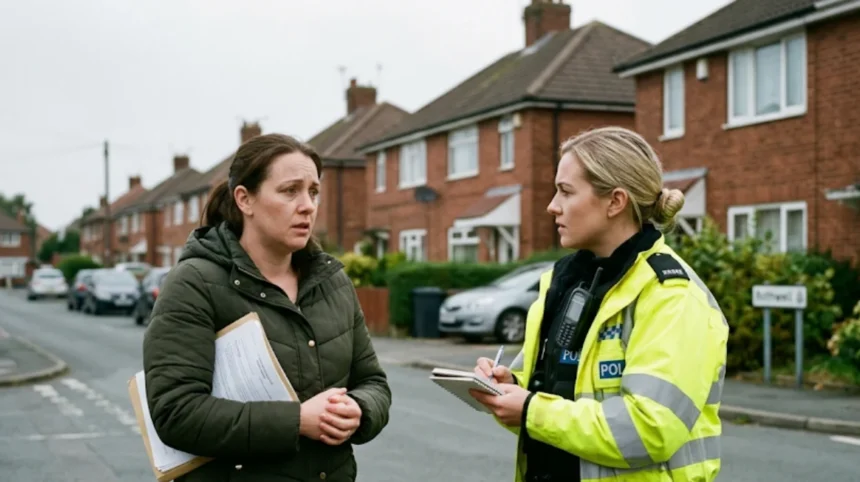
If you are being stalked or harassed in Rothwell, report incidents to West Yorkshire Police by calling 101 (or 999 in immediate danger), contact the National Stalking Helpline on 0808 802 0300, and seek specialist advocacy from Paladin National Stalking Advocacy Service or Leeds Domestic Violence Service. Keep detailed evidence of all incidents, avoid engaging with the stalker, and consider civil remedies such as injunctions under the Protection from Harassment Act 1997.
- What counts as stalking or harassment under UK law?
- How do I report stalking or harassment to West Yorkshire Police in Rothwell?
- What immediate safety steps should I take if I am being stalked?
- Where can I get specialist stalking advocacy support in Leeds and West Yorkshire?
- What legal protections and court orders can stop a stalker or harasser?
- How do I collect and preserve evidence of stalking or harassment?
- What support services are available in Rothwell and Leeds for victims of harassment?
- How common is stalking and harassment in England and Wales?
- What are my rights if the stalker is a neighbour, acquaintance, or stranger?
- What should I do if the stalking involves online or social media abuse?
- What happens after I report stalking to the police?
- What long-term support and recovery options exist for stalking survivors?
What counts as stalking or harassment under UK law?
Stalking and harassment involve a repeated course of conduct that causes fear, distress, or alarm, and became specific criminal offences in England and Wales under the Protection from Harassment Act 1997 and subsequent 2012 amendments. The law requires at least two incidents to establish a “course of conduct,” covering behaviours such as following, unwanted contact, surveillance, or online abuse.
Stalking represents a pattern of unwanted, fixated attention that causes fear or distress. Harassment includes any behaviour intended to cause distress or harm. The Protection from Harassment Act 1997 defines both as criminal offences and provides civil remedies. A “course of conduct” must occur on at least two occasions to meet the legal threshold. Examples include repeated phone calls, text messages, emails, social media contact, showing up uninvited at home or work, sending unwanted gifts, or monitoring someone’s movements.
Online stalking and cyber harassment fall under the same legal framework. Cyber bullying in chat rooms or via social media qualifies as harassment when repeated. The Office for National Statistics recorded around 635,000 victims of online stalking in the year ending March 2024, representing 42% of all stalking cases.
How do I report stalking or harassment to West Yorkshire Police in Rothwell?
Report stalking or harassment to West Yorkshire Police by calling 101 for non-emergencies, using the online reporting system on westyorkshire.police.uk, or dialling 999 if you face immediate danger. Officers in Rothwell fall under the Leeds District Command Unit, and you can visit Rothwell Police Station or any West Yorkshire Police station to report in person.
West Yorkshire Police treats all stalking and harassment reports seriously and encourages early reporting to prevent escalation. The force operates a zero-tolerance policy for domestic abuse and related harassment, arresting offenders where criminal offences occur. When reporting, provide a clear overview of incidents, dates, times, and any evidence such as screenshots, messages, or diary entries.
Police-recorded stalking offences reached 129,076 in the year ending March 2024, up from 2,885 in 2015, showing improved recognition and recording. Despite this rise, many cases remain unreported, making early police contact crucial for building a case. You can request a referral to an Independent Stalking Advocacy Caseworker (ISAC) through the police Victim and Witness Care Unit.
What immediate safety steps should I take if I am being stalked?
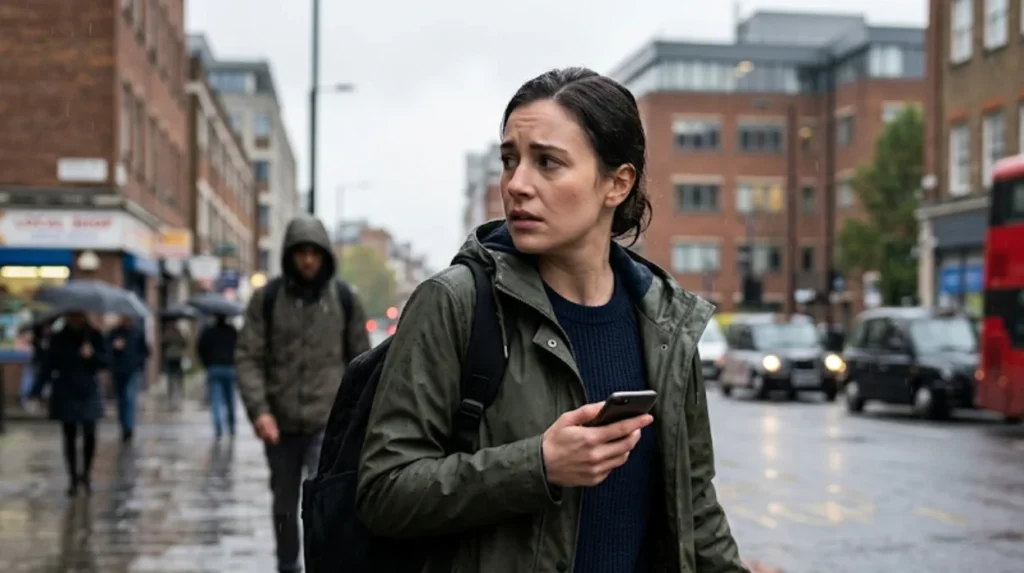
Take immediate safety steps by avoiding all contact with the stalker, telling trusted friends and family, keeping evidence of incidents, and contacting the National Stalking Helpline on 0808 802 0300 for practical advice. Change routines, secure your home and digital accounts, and consider varying travel routes to reduce predictability.
The Suzy Lamplugh Trust recommends six golden rules: report early, get practical advice, collect evidence proactively, keep an incident diary, complete a stalking risk checklist, and trust your instincts. Avoid responding to unwanted contact, block numbers where safe, and answer calls with “hello” rather than your name. Use caller ID and answer machines to screen calls.
Keep all letters, gifts, emails, texts, and screenshots as evidence. Record unwanted telephone calls where legal (one-party consent applies in the UK for personal use). Tell neighbours, colleagues, and school staff if the stalker may approach these locations. Isolation increases risk, so maintain regular contact with support networks.
Where can I get specialist stalking advocacy support in Leeds and West Yorkshire?
Access specialist stalking advocacy in Leeds through Paladin National Stalking Advocacy Service for high-risk cases, and Leeds Domestic Violence Service for all residents affected by domestic abuse and harassment. Paladin provides Independent Stalking Advocacy Caseworkers (ISACs) who work with victims and police throughout investigations and court processes.
Paladin NSAS, established in 2013, operates across England and Wales and supports high-risk stalking victims with trauma-informed advocacy. ISACs help victims recognise risks, navigate the criminal justice system, and develop coordinated community safety responses. Contact Paladin at 0203 866 4107 or info@paladinservice.co.uk, or complete a referral form on paladinservice.co.uk.
Leeds Domestic Violence Service supports all people in Leeds affected by domestic violence and abuse, including stalking by partners or ex-partners. Call 0113 246 0401 or email dv.leeds@leeds.gov.uk. The National Stalking Helpline, run by Suzy Lamplugh Trust, operates Monday to Friday with extended Wednesday hours until 8pm. Victim Support offers 24/7 confidential support on 0808 16 89 111.
What legal protections and court orders can stop a stalker or harasser?
Obtain legal protection through criminal restraining orders, civil injunctions under Section 3 of the Protection from Harassment Act 1997, or Stalking Protection Orders (StPOs) issued by magistrates’ courts. Breach of any order constitutes a criminal offence punishable by arrest and prosecution.
Civil injunctions require evidence of at least two separate harassment incidents by the same individual. Courts can order the harasser to stop all contact, stay away from your home or workplace, and refrain from indirect communication via third parties or social media. Interim injunctions grant emergency protection before a full hearing. Full injunctions typically last one year but can be extended.
Stalking Protection Orders, introduced in 2020, allow police to apply to magistrates for prohibitions on named individuals suspected of stalking. Breach of a StPO carries up to five years’ imprisonment. Restraining orders form part of criminal sentences and can be imposed after conviction or, in some cases, after acquittal if the court deems protection necessary. Victims can seek damages for anxiety and financial loss in civil proceedings.
How do I collect and preserve evidence of stalking or harassment?
Collect and preserve evidence by keeping a dated incident diary, saving all communications (texts, emails, social media screenshots), recording calls, and retaining any gifts or letters from the stalker. Store evidence securely in multiple locations, including cloud backups and physical copies.
Paladin’s evidence checklist emphasises proactive collection: write down what happened and when, save all contact evidence, keep letters and gifts, and record unwanted calls. An incident diary should include dates, times, locations, descriptions of behaviour, witnesses, and your emotional or physical response. This overview helps police and prosecutors understand the pattern and severity.
Digital evidence includes screenshots of messages, posts, or profiles with visible URLs and timestamps. Use screen recording for dynamic content such as live streams or stories. Back up data to secure cloud storage or external drives. For online harassment, report to platform providers and request content removal while preserving copies. Physical evidence such as letters, flowers, or damaged property should be photographed and stored safely.
What support services are available in Rothwell and Leeds for victims of harassment?
Rothwell and Leeds residents access support via Leeds Domestic Violence Service, the National Stalking Helpline, Victim Support, and specialist sexual violence services such as Survivors West Yorkshire and The Hazelhurst SARC. These services provide advocacy, counselling, safety planning, and legal guidance.
Leeds Domestic Violence Service offers practical support, risk assessment, and refuge access for all Leeds residents. The Hazelhurst Sexual Assault Referral Centre operates 24 hours a day for forensic exams and medical care. Survivors West Yorkshire and Ben’s Place provide counselling for sexual violence survivors. Support Line offers confidential emotional support on 0300 123 3393.
National services include the Refuge National Domestic Abuse Helpline (0808 2000 247), Mankind Initiative for men (01823 334 244), and Men’s Advice Line (0808 8010 327). The Unwanted Prisoner Contact Service (0300 060 6699) helps those receiving contact from offenders in prison. Young people under 25 access free confidential support via Childline and online platforms. West Yorkshire Police’s Victim and Witness Care Unit coordinates referrals to Independent Sexual Violence Advisers (ISVAs) and ISACs.
How common is stalking and harassment in England and Wales?
Stalking affects around 2.9% to 3.2% of adults in England and Wales each year, equating to approximately 1.4 to 1.5 million people, with women and younger age groups at higher risk. One in seven people aged 16 and over has experienced stalking at some point in their lives.
The Crime Survey for England and Wales (CSEW) year ending March 2025 estimated 2.9% of adults experienced stalking in the last year. Earlier data for March 2024 showed 3.2%, or 1.5 million people. Women face higher rates: 20.2% have experienced stalking since age 16, compared to 8.7% of men. In the year to March 2024, 4.0% of women and 2.3% of men reported stalking.
Young people aged 16 to 19 show the highest prevalence at 8.8%, with 10.5% of young women and 6.7% of young men affected. Black people experience stalking at 4.6%, higher than white (3.2%), Asian (2.8%), and mixed (2.5%) groups. Around 5.2% of people have been stalked by a partner or ex-partner, and 2.2% by a family member. Online stalking accounted for 42% of cases in 2023/24.
Explore More Help & Resources
How to get a hearing test on the NHS near Pudsey
How to find free counselling for adults near Otley
What are my rights if the stalker is a neighbour, acquaintance, or stranger?
You hold the same legal rights against stalking or harassment regardless of your relationship to the perpetrator, and the Protection from Harassment Act 1997 applies to neighbours, acquaintances, strangers, and former partners alike. Police must investigate all reports and can arrest offenders where criminal behaviour occurs.
The law does not distinguish between intimate partners and other stalkers in defining offences. Harassment covers any course of conduct causing alarm or distress, whether by a neighbour, coworker, ex-partner, or stranger. Civil injunctions and Stalking Protection Orders apply equally across all relationship types.
Report neighbour harassment to West Yorkshire Police and consider mediation through Leeds City Council’s community safety team if appropriate. For workplace stalking, inform your employer and request security measures or policy enforcement. Clare’s Law allows you to request disclosure of a partner’s violent or abusive history from police. Always prioritise safety and seek advocacy support regardless of the stalker’s identity.
What should I do if the stalking involves online or social media abuse?
If stalking occurs online, block the abuser where safe, report to the platform, preserve screenshots and URLs, and contact the National Stalking Helpline or Action Against Stalking for digital safety advice. Online harassment qualifies as stalking when repeated and causing distress.
Cyber bullying and online stalking fall under the Protection from Harassment Act 1997. Block or restrict the abuser on social media, adjust privacy settings, and avoid engaging with provocative content. Report abusive accounts to platform moderators and request content removal. Keep screenshots showing usernames, timestamps, and full message threads.
The Revenge Porn Helpline (0345 6000 450) supports victims of image-based abuse. Free expert help for cybercrime and online harm is available via the National Cyber Security Centre and specialist charities. Consider varying your digital footprint: use pseudonyms, limit location sharing, and review friend lists. If online stalking escalates to threats or real-world contact, report immediately to police.
What happens after I report stalking to the police?
After reporting, police assess risk, may refer you to an ISAC or IDVA, investigate evidence, and can apply for Stalking Protection Orders or pursue criminal charges under the Protection from Harassment Act 1997. You gain access to victim support services and regular updates on your case.
West Yorkshire Police conducts risk assessments to determine threat levels and safety needs. High-risk cases receive priority and may trigger multi-agency responses involving Paladin ISACs, domestic abuse advisers, and community safety partners. Officers gather evidence, interview witnesses, and may arrest suspects if sufficient grounds exist.
Victims receive support throughout the criminal justice process, including court accompaniment and safety planning. The Victim and Witness Care Unit provides updates on case progress and outcomes. If charges are brought, restraining orders often form part of sentencing. Civil injunctions remain an option if criminal prosecution does not proceed.
What long-term support and recovery options exist for stalking survivors?
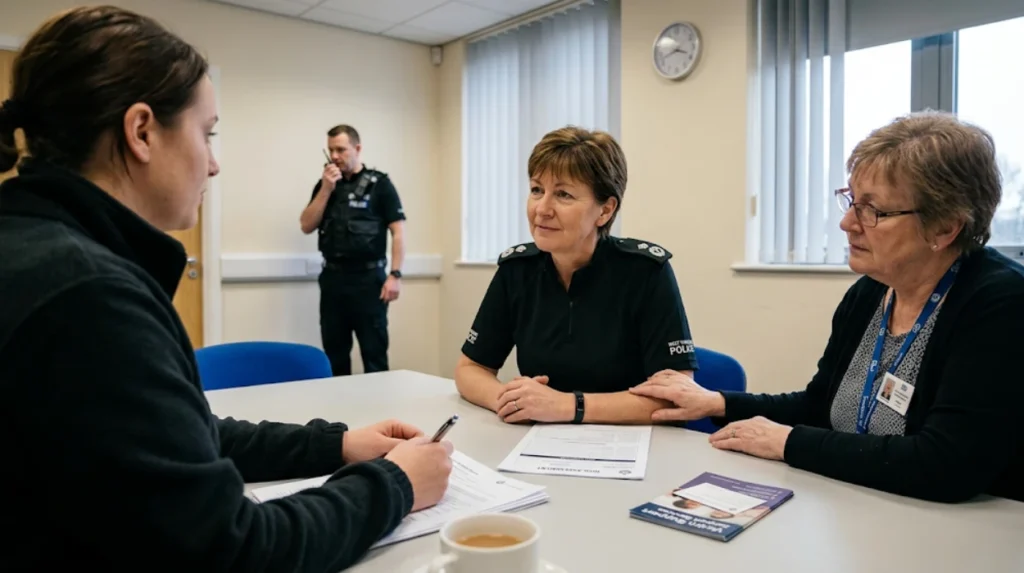
Long-term support includes counselling through Survivors West Yorkshire, ongoing advocacy from Paladin or Leeds Domestic Violence Service, and participation in support groups or therapeutic programmes. Recovery focuses on rebuilding safety, confidence, and mental wellbeing after trauma.
Specialist counselling addresses anxiety, PTSD, and hypervigilance common among stalking survivors. ISACs and IDVAs continue to support safety planning, housing needs, and legal processes long after initial reporting. Peer support groups reduce isolation and provide shared coping strategies.
Leeds Mindwell and local GP services offer mental health referrals for trauma recovery. Workplace adjustments, such as flexible hours or security measures, support reintegration. Housing options, including refuge placements or social housing transfers, provide physical safety for those at high risk. Recovery is a process, and sustained support improves long-term outcomes for survivors of stalking and harassment.