Key Points
- A dog was successfully rescued by emergency crews following a house fire at a residential property in Leeds.
- West Yorkshire Fire & Rescue Service received initial reports of the incident at 9:04 am on Tuesday, October 20.
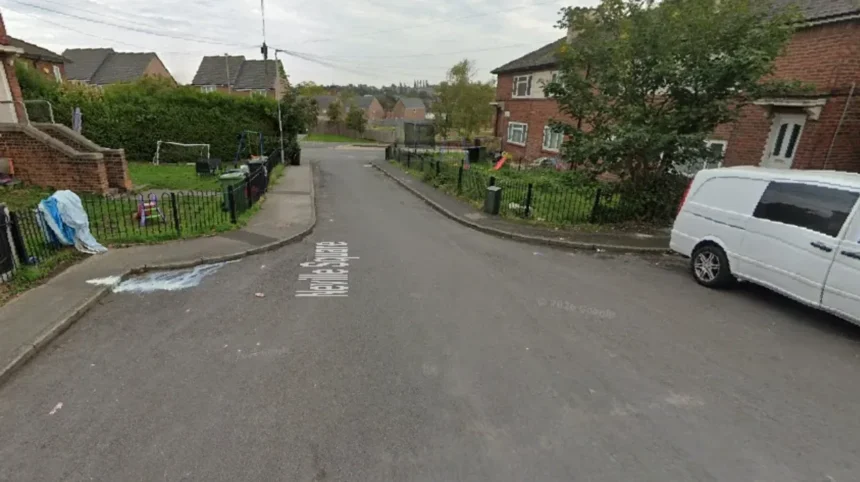
- Emergency responders located the blaze on the ground floor of a domestic property situated on Neville Square in Osmondthorpe.
- Fire crews deployed specialist equipment to suppress the flames, including four sets of breathing apparatus, two hose reels, and positive pressure ventilation equipment.
- The operational response successfully contained the fire and prevented further destruction within the domestic residence.
Osmondthorpe (The Leeds Times) October 21, 2026 –As reported by Alex Grant of the Yorkshire Evening Post, emergency services were dispatched to a residential property in Leeds following reports of a fire breaking out at a domestic address. One dog was successfully brought to safety by responding firefighters during the incident, which occurred on the morning of Tuesday, October 20.
According to statements provided by West Yorkshire Fire & Rescue Service and published by Senior Reporter Alex Grant of the Yorkshire Evening Post, emergency call handlers first received alerts regarding the ongoing domestic structure fire at 9:04 am. The incident occurred on Neville Square, situated within the suburb of Osmondthorpe in East Leeds.
How Did Emergency Services Extinguish the Ground Floor Blaze?
In details reported by Alex Grant for the Yorkshire Evening Post, West Yorkshire Fire & Rescue Service deployed specialized operational equipment to tackle the flames on site. Firefighters deployed to the scene utilized four sets of breathing apparatus alongside two hose reels to enter the premises and suppress the outbreak.
As further stated by Alex Grant of the Yorkshire Evening Post, operational crews also implemented positive pressure ventilation techniques during the intervention.
The tactical deployment of positive pressure ventilation fans allowed firefighters to clear heavy smoke from the structure, aiding in fire suppression and facilitating the search and rescue efforts that led to the safe recovery of the animal from the ground-floor area of the home.
Explore More Local Leeds News
Rock Choir Helps Raise £21,000 at Sue Ryder Starlight Hike Leeds 2026
Leeds Tenants Face Benefit Rent Gap as Allowances Fall Short Leeds 2026
What Is the Background of This Particular Development?
Osmondthorpe is a well-established residential area situated in the eastern sector of Leeds, West Yorkshire, predominantly characterized by high-density family housing, terraced properties, and semi-detached homes. Domestic incidents in urban suburban locations such as Neville Square require rapid deployment strategies from West Yorkshire Fire & Rescue Service due to the proximity of neighboring properties and potential risks of structural flame spread.
West Yorkshire Fire & Rescue Service operates as the statutory fire and rescue authority for the metropolitan county of West Yorkshire, serving a population of over two million residents.
The service maintains standard operational procedures for responding to domestic structural fires, which prioritize life preservation—including domestic animals and pets—alongside property protection and smoke management.
The tactical equipment referenced in emergency responses of this nature reflects standard British fire service doctrine. The use of self-contained breathing apparatus enables firefighters to operate inside toxic, oxygen-depleted atmospheres.
Hose reels provide high-pressure water delivery for direct fire attack, whilst positive pressure ventilation units introduce forced air into structures to clear toxic gases, lower internal temperatures, and improve internal visibility for tactical personnel during rescue operations.
How Can This Development Affect Local Residents and Pet Owners?
This operational development carries practical implications for local residents in Osmondthorpe, pet owners across Leeds, and the broader West Yorkshire community.
For local residents living within Neville Square and surrounding residential streets in East Leeds, the incident serves as a direct reminder of the necessity for functional domestic fire safety measures. Community members residing in similar housing layouts often face increased risks during structural incidents due to shared walls or adjoining spaces.
Consequently, developments of this nature routinely prompt localized reviews of household fire prevention, including the maintenance of working smoke alarms on every level of the home and the establishment of clear household escape plans.
For pet owners across the region, the successful rescue underscores the critical operational role played by emergency services in safeguarding domestic animals during household crises. It highlights the importance of incorporating pets into emergency planning, such as keeping microchip records updated, ensuring key access points remain clear, and informing neighbours or emergency crews of animal occupancy during unexpected incidents.
For West Yorkshire Fire & Rescue Service and regional emergency planners, successful interventions of this type demonstrate the ongoing necessity of maintaining response times and specialized equipment capabilities across urban stations. The outcome reinforces public confidence in local emergency service response strategies within high-density residential neighborhoods.