Key Points
- Sentence Handed Down: Anas Mamoor, 25, received a 23-week prison sentence, suspended for two years, at Leeds Crown Court.
- Charges Admitted: Mamoor pleaded guilty to causing serious injury by careless driving following an incident in Kirkstall, Leeds.
- Severe Victim Impact: The hit pedestrian suffered catastrophic injuries, resulting in permanent blindness in his left eye.
- Additional Penalties: Mamoor was ordered to perform 200 hours of unpaid work, observe a three-month electronically monitored curfew, and pay £500 in prosecution costs.
- Driving Ban: The defendant was disqualified from driving for 12 months and must pass an extended retest before driving again.
- Judge’s Assessment: Judge Neil Clark described the offence as a “disaster” for both the victim and the defendant, summarising the case with a single-word verdict of “tragic”.
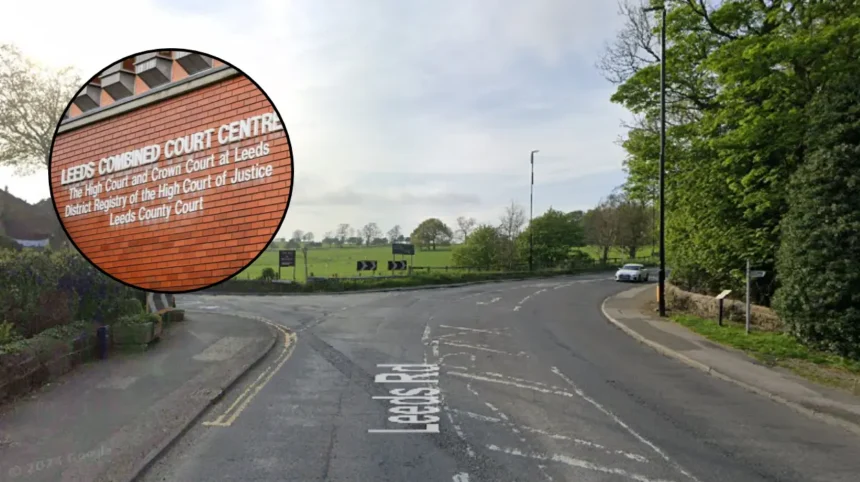
Leeds (The Leeds Times) October 2026, 2025 – A 25-year-old driver has avoided immediate imprisonment at Leeds Crown Court after striking a pedestrian who was using a zebra crossing, leaving the victim permanently blind in one eye. Anas Mamoor, of Gathorne Terrace, Chapeltown, received a 23-week custodial sentence suspended for two years after pleading guilty to causing serious injury by careless driving. The incident occurred on Kirkstall Lane, near its junction with Langdale Avenue in Leeds, as the pedestrian was walking to a night shift at approximately 11:00 pm on February 17, 2023.
- Key Points
- What Happened During the Incident on Kirkstall Lane?
- How Did the Victim Describe the Impact of the Collision?
- What Mitigating Factors Were Presented by the Defence?
- Why Did the Judge Decide to Suspend the Custodial Sentence?
- Background of the Particular Development
- Prediction: How This Development May Affect Road Users and Local Communities
What Happened During the Incident on Kirkstall Lane?
The court heard that the victim was lawfully crossing the road on a designated zebra crossing when Mamoor’s vehicle approached and failed to stop in time. The victim was struck directly on the crossing while commuting to work, sustaining immediate and catastrophic injuries. Emergency services attended the scene, and the injured pedestrian was transported to hospital for urgent medical intervention.
Prosecution statements detailed that the weather and road conditions at the time required standard vigilance, yet Mamoor failed to observe the pedestrian already present on the illuminated crossing. The collision resulted in facial fractures and severe trauma to the victim’s left eye, which medical professionals were ultimately unable to save.
How Did the Victim Describe the Impact of the Collision?
In a victim personal statement read to the court, the pedestrian outlined the life-altering consequences of the incident. Beyond the severe pain and initial hospitalisation, the victim permanently lost vision in his left eye, profoundly affecting his daily life, career prospects, and personal independence.
The court heard that the loss of sight had caused significant psychological distress, financial hardship due to time taken off work, and ongoing adjustments to spatial perception and basic daily activities. The victim noted that a routine walk to a night shift had resulted in a permanent physical impairment that could never be reversed.
What Mitigating Factors Were Presented by the Defence?
Defence counsel presented arguments emphasizing Mamoor’s lack of prior convictions, his genuine remorse, and his immediate admission of responsibility. The court was told that Mamoor stayed at the scene following the collision, cooperated fully with West Yorkshire Police officers, and provided assistance where possible.
The defence highlighted that Mamoor is of previously clean character, actively engaged in employment, and supports family members. Character references submitted to the court described the defendant as a responsible and hardworking individual whose actions on the night were an isolated lapse in concentration rather than a deliberate act of dangerous driving.
Why Did the Judge Decide to Suspend the Custodial Sentence?
Sentencing Mamoor, Judge Neil Clark evaluated the gravity of the injuries alongside the defendant’s personal mitigation and guilty plea. Summing up the outcome of the incident, Judge Clark issued a single-word verdict on the entire case, characterising the event as “tragic”. The judge noted that the collision represented an utter “disaster” for the victim who lost his sight, while also proving disastrous for the young defendant facing the loss of his liberty.
Judge Clark determined that while the custody threshold had been passed due to the serious injury caused, the public interest and guidelines regarding first-time offenders permitted the suspension of the prison term. The judge noted that Mamoor posed a low risk of reoffending and possessed strong prospects of rehabilitation.
Alongside the 23-week suspended sentence, Judge Clark imposed a requirement for Mamoor to complete 200 hours of unpaid work within the community, a three-month curfew monitored via an electronic tag, and an order to pay £500 towards prosecution costs. Mamoor was also disqualified from driving for 12 months and will be required to pass an extended driving test before regaining his driving licence.
Explore More Local Leeds News
Leeds Bradford Airport Parkway Rail Station Proposals Re-Emerge in Leeds 2026
Churchill Living Submits Plans for Retirement Apartments in Horsforth 2026
Background of the Particular Development
Careless driving causing serious injury was introduced as a specific criminal offence in England and Wales under the Police, Crime, Sentencing and Courts Act 2022, entering into force in July 2022. Prior to this statutory amendment, prosecutors often had to choose between charging a driver with standard careless driving—which carried financial penalties and licence points but no custodial term—or dangerous driving, which required proving a far higher standard of breach in driving quality.
The law was updated specifically to address cases where a minor or momentary lapse in driver concentration leads to catastrophic, life-changing consequences for victims. Under current sentencing guidelines, judges must weigh the degree of driver culpability against the level of harm caused, while adhering to overarching principles regarding the suspension of short custodial sentences for individuals with no previous convictions.
Prediction: How This Development May Affect Road Users and Local Communities
This court decision highlights the strict legal consequences facing motorists involved in collisions at pedestrian crossings, while simultaneously illustrating the application of suspended sentences in careless driving cases.
- Pedestrian Safety and Driver Awareness: The case serves as a stark reminder to motorists across West Yorkshire regarding the absolute duty of care required when approaching zebra crossings. Increased scrutiny of driver attention near designated crossings may prompt heightened caution, particularly during night-time hours and near busy junctions such as Kirkstall Lane.
- Community Perception of Sentencing: Verdicts involving suspended sentences for severe, life-altering injuries frequently generate intense discussion regarding justice for victims versus offender rehabilitation. Local community groups and road safety campaigners may reference this judgment when advocating for stronger traffic-calming measures or revised sentencing tariffs for collisions resulting in permanent disability.
- Legal Precedent for Careless Driving Offences: Legal practitioners and road safety stakeholders will observe how courts continue to balance the strict statutory parameters of the 2022 careless driving legislation with established guidelines on mitigating factors, guilty pleas, and immediate custody alternatives.