Key Points
- Four heritage cemetery chapels located across Horsforth, Harehills, Armley, and Otley have been put up for auction by Leeds City Council.
- Combined guide price for all four properties is estimated at approximately £350,000.
- Financial relief is the primary driver behind the disposal, as local authority reports cite high ongoing maintenance costs and under-utilisation.
- Long-term leasehold terms of 250 years will govern all four individual sales.
- Immediate unconditional exchange of contracts occurs upon the fall of the hammer, ensuring rapid completion of each transaction.
- Redevelopment potential exists across the sites, provided buyers secure appropriate planning permission and listed building consents.
LEEDS (The Leeds Times) November 4, 2026 — Leeds City Council has officially placed four historic cemetery chapels up for public auction, targeting a combined capital receipt of around £350,000 to relieve mounting pressure on municipal finances.As documented by Local Democracy Reporter Don Mort for the West Leeds Dispatch and Leeds Live, the local authority confirmed that the chapels located in Horsforth, Harehills, Armley, and Otley are no longer required for operational municipal duties. Council leadership identified the structures as severely under-used and exceedingly costly to maintain in an acceptable state of repair.
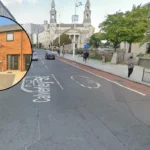
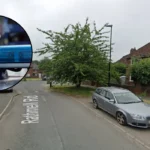
The sale strategy has seen the Horsforth and Harehills cemetery chapels brought to the open market via auctioneer platforms including BTG Eddisons. Horsforth’s Victorian chapel, situated on Calverley Lane, entered the auction market with a guide price of £50,000-plus, whilst the Harehills Cemetery Chapel on Kimberley Road was listed with a guide price of £175,000-plus. Final overall sale figures for the initial property listings remain to be confirmed by auctioneers.
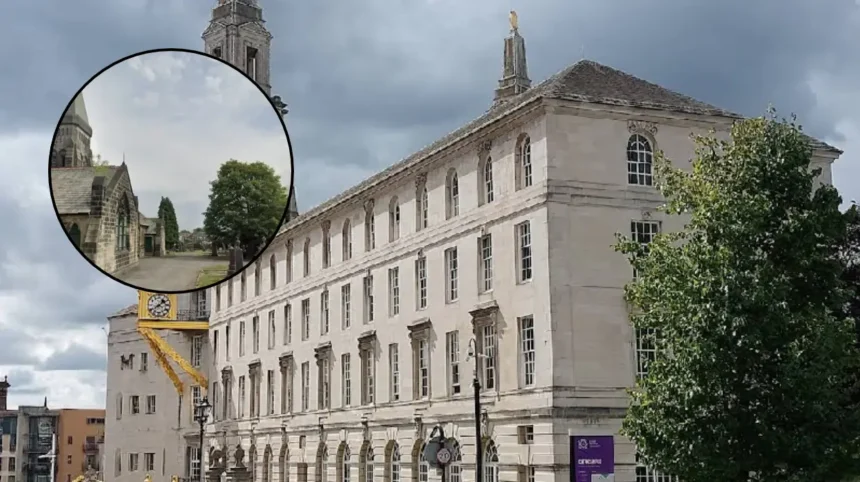
Meanwhile, the remaining chapels in Armley, located at Hill Top Cemetery on Green Hill Road, and Otley are scheduled to be put under the hammer on 17 December. These two properties carry expected guide prices exceeding £50,000 and £75,000 respectively.
As reported by BBC News and the Local Democracy Reporting Service, an official council framework document outlined that all four chapel transactions are structured on a 250-year leasehold basis rather than a freehold disposal.
As stated in the official Leeds City Council report published by the Local Democracy Reporting Service:
“It is proposed that the properties are now declared surplus to council requirements and sold on the open market by auction. A sale will generate capital receipts for the council and alleviate financial pressure due to continued maintenance and running costs.”
Municipal leaders selected an open auction process over a traditional formal tender method to maximise financial return. As cited in reporting by the Telegraph & Argus, council documentation explicitly noted:
“This is the advantage over a sale by formal tender and could encourage improved bids being made. Contracts will be exchanged immediately on fall of the hammer and completion will be on an unconditional basis within a short and defined timescale.”
Listing details published on public property portals like Rightmove and BTG Eddisons highlight that the stone-built structures, including Grade II-listed historic assets, offer significant scope for renovation, adaptive re-use, or full redevelopment, subject to obtaining necessary statutory planning permissions from the local planning authority.
How Are the Individual Chapels Valued and Structured Across the City?
Each property represents a distinct architectural period within Leeds’s municipal heritage. The 1881 stone chapel at Armley’s Hill Top Cemetery and the Victorian structure at Horsforth showcase traditional 19th-century ecclesiastical architecture. However, years of minimal public usage have rendered their day-to-day upkeep an unsustainable burden on council funds.
Auction site literature provided by BTG Eddisons notes that while these properties require extensive restoration and structural repairs, they present rare opportunities to create bespoke residential conversions, community spaces, or commercial hubs, provided buyers work within local heritage guidelines.
Explore More Area Guide
£325,000 Modern Family Home Listed on Pendas Crescent, Leeds 2026
Leeds Scraps Town Centre Car Park Charges Across Districts 2026
Background of the Disposal of Municipal Heritage Assets
The sale of these four cemetery chapels forms part of a wider fiscal consolidation strategy implemented by Leeds City Council. Over recent years, local authorities across West Yorkshire have faced persistent budgetary constraints, compounded by rising operational expenditure, inflationary pressures, and escalating demands on social care services.
To balance annual budgets and avoid severe deficits, councils across the United Kingdom have systematically reviewed their corporate property portfolios. Disposing of “surplus assets”—buildings that are vacant, under-utilised, or structurally costly—allows municipal bodies to ring-fence essential services while generating immediate capital receipts.
Cemetery chapels, constructed primarily during the Victorian and Edwardian eras, were originally designed to host funeral services and offer shelter to mourners.
As modern funeral practices evolved and private crematoria or alternative venues grew in popularity, municipal cemetery chapels across Leeds experienced a steady decline in bookings. Consequently, routine maintenance, roof repairs, masonry conservation, and insurance costs outpaced any minimal income generated by the facilities.
By transferring these historical properties into private hands via long-term 250-year leaseholds, Leeds City Council aims to secure their physical preservation through private investment while removing ongoing liability from the public purse.
Prediction: How Will This Property Auction Impact Key Stakeholders?
The forthcoming auction of the four cemetery chapels is set to create distinct operational and social impacts across three main groups:
- Visual and Social Identity: Residents living adjacent to cemetery grounds in Horsforth, Harehills, Armley, and Otley may express concern over the privatization of historic local landmarks. However, dynamic private development could save decaying heritage assets from total structural degradation.
- Planning Scrutiny: Local action groups and heritage societies are likely to monitor future planning applications closely to ensure any adaptive re-use—such as residential apartments or commercial offices—respects the surrounding burial grounds and architectural integrity.
- High-Yield Potential: At guide prices starting from £50,000, these buildings present attractive opportunities for property developers specializing in heritage restoration and adaptive re-use.
- Regulatory Hurdles: Buyers face strict planning constraints. Because the chapels sit within active or historical cemetery sites and feature listed or traditional masonry structures, buyers must navigate complex planning consents, listed building restrictions, and strict access protocols.
- Budgetary Relief: Completing the sales will inject at least £350,000 in immediate capital receipts directly into municipal accounts.
- Long-Term Savings: Eliminating routine maintenance, security expenses, and emergency repair bills for four aged buildings will generate recurring annual savings for local taxpayers, allowing council capital to be redirected toward core public services.