
Key Points
- Planning Permission Granted: Leeds City Council has officially approved plans to establish a brand-new Icon Cancer Centre within the East Stand of AMT Headingley Stadium.
- Repurposing Vacant Facilities: The facility will convert three floors of vacant classrooms previously operated by Leeds Beckett University.
- Medical Services On-Site: The clinical hub will provide radiotherapy, oncology imaging, and advanced computerised tomography (CT) scanning services.
- Addressing NHS Wait Times: The development aims to tackle severe healthcare backlogs where cancer patients routinely face months-long waiting periods for radiotherapy.
- Zero External Alterations: Council planning officers confirmed that because no exterior structural changes are required, the aesthetic appearance and character of Headingley Stadium remain entirely unaffected.
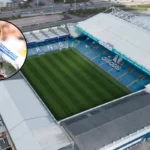
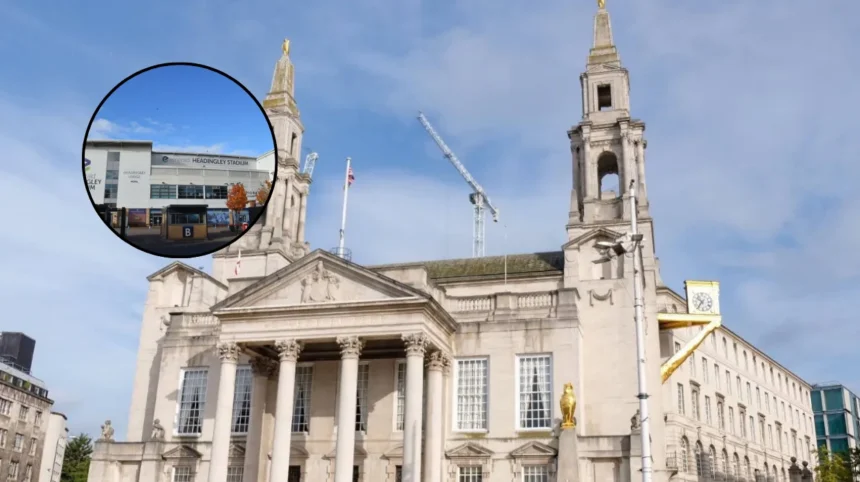
Headingley (The Leeds Times) August 21, 2026 – Leeds City Council has granted formal planning permission for a state-of-the-art cancer treatment facility to be constructed inside the East Stand of Headingley Stadium, the historic home of rugby league side Leeds Rhinos and rugby union outfit Leeds Tykes. The initiative, spearheaded by global oncology provider Icon Cancer Centre, will repurpose former university classrooms across the ground, first, and second floors of the stadium to deliver crucial radiotherapy, CT scanning, and oncology imaging services to patients across Yorkshire.
- Key Points
- Why Has Headingley Stadium Been Chosen for a Major Medical Facility?
- What Services Will the Icon Cancer Centre Offer to Patients?
- How Did Planning Officers Evaluate the Structural Impact on the Stadium?
- What Do Key Stakeholders Say About Integrating Healthcare with Elite Sport?
- Background of the Development
- Prediction: How Will This Development Affect Patients and Local Residents?
Why Has Headingley Stadium Been Chosen for a Major Medical Facility?
As reported by local democracy reporter Don Mort of Leeds Live, the choice of location leverages vacant floor space previously occupied by Leeds Beckett University while capitalizing on excellent local transport infrastructure.
As reported by Don Mort of Leeds Live, municipal planning documents highlight that the stadium site is exceptionally well-connected for public transit. The planning submission notes that the venue sits within close proximity to both Headingley railway station and Burley Park railway station. Furthermore, extensive public bus networks serve the immediate perimeter along Kirkstall Lane, Cardigan Road, and Otley Road, ensuring that patients traveling from across the region can reach clinical appointments without navigating heavy city-centre hospital traffic.
As detailed in the official planning report produced by council officers,
“The proposed Icon centre will bring vital treatment closer for people living across Leeds and Yorkshire, helping to address growing demand for accessible cancer diagnosis and care”.
The planning officers further emphasized the strategic value of the scheme, stating that
“Investment in the facility will not only improve outcomes for patients but reinforce Leeds’ position at the forefront of medical advancement in the north”.
What Services Will the Icon Cancer Centre Offer to Patients?
As reported by The Business Desk, the upcoming facility will offer specialized oncology care across three designated levels of Headingley Stadium’s East Stand. The core clinical focus will center on advanced radiotherapy routines and precision oncology imaging. Additionally, the centre will feature high-specification CT scanning equipment to speed up diagnostic pathways and facilitate precise treatment mapping.
Addressing the critical operational urgency behind the project, Chief Executive of Icon Group Mark Middleton OAM stated:
“There are people often waiting months to access radiotherapy. We want to be part of the solution”.
According to statements released by Icon Group, the Headingley facility will introduce some of the most sophisticated linear accelerator technology currently available, bringing high-precision radiation delivery directly into West Yorkshire.
How Did Planning Officers Evaluate the Structural Impact on the Stadium?
As reported by the Telegraph & Argus, municipal officers at Leeds City Council conducted a comprehensive structural review of the East Stand planning application before issuing their formal recommendation for approval.
As reported by the Telegraph & Argus, municipal planning officers concluded that the conversion involves internal refurbishment exclusively, meaning the exterior aesthetic of the iconic sports venue will remain pristine.
The council’s official assessment report noted:
“The proposal will not result in any external alterations. Therefore, the proposal will not have a detrimental impact on the character and appearance of the building, site or street scene”.
Because the site was already designated for educational and institutional use under Leeds Beckett University’s prior tenancy, the change of use to a healthcare delivery framework satisfied all local zoning and urban planning criteria without triggering objections regarding structural density or neighborhood character disruption.
What Do Key Stakeholders Say About Integrating Healthcare with Elite Sport?
As reported by Leeds Rhinos media, the integration of clinical healthcare into a professional sporting venue represents a strategic alignment between community welfare and commercial venue management.
As reported by official club communications, Paul Caddick MBE, Chairman of Caddick Group and owner of Leeds Rhinos and AMT Headingley Stadium, stated:
“AMT Headingley has always been about more than sport. Creating a space for health initiatives that includes cancer care is a natural extension of that commitment and reflects what this site means to the community”.
In addition, Strategic Advisor to Icon Dame Linda Pollard highlighted the collaborative nature of the enterprise, stating:
“Developments like this, when they are grounded in partnership and shaped by local understanding, can make a real difference for patients and families. I’m pleased to be supporting Icon and Leeds Rhinos who both show a genuine commitment to improving healthcare for the people of Leeds”.
Background of the Development
The approval of the Icon Cancer Centre at Headingley Stadium comes against the backdrop of significant national healthcare challenges regarding cancer treatment wait times across the United Kingdom. According to public health data for the West Yorkshire region, approximately 27,000 people in Leeds are currently living with or beyond a cancer diagnosis, with more than 4,000 new cases identified across the city annually.
Radiotherapy remains one of the primary curative and palliative modalities in cancer care, yet demand in the North of England has frequently outstripped public hospital infrastructure capacities. To bridge this capacity gap, independent oncology providers like Australia-founded Icon Group have expanded operations into the UK market.
Headingley Stadium’s East Stand was redeveloped as part of a major £45 million dual-sports stadium overhaul completed in 2019. The upper levels were constructed with versatile floorplates intended for higher education, previously leased by Leeds Beckett University. When the university vacated these teaching spaces, stadium managers sought a long-term tenant capable of delivering civic value. Initial plans for the healthcare conversion were unveiled jointly by Leeds Rhinos and Icon Group in March 2026, culminating in the formal planning application approved by Leeds City Council.
Prediction: How Will This Development Affect Patients and Local Residents?
The establishment of a specialized cancer centre within Headingley Stadium is expected to directly impact two primary groups: regional oncology patients and the immediate Headingley residential community.
Impact on Patients Across Leeds and Yorkshire:
For individuals requiring daily or weekly radiotherapy sessions, the Headingley centre will provide a vital alternative to centralized NHS hospital trusts such as St James’s University Hospital (Bexley Wing). By adding high-capacity linear accelerator units and CT scanners into the regional network, overall waiting times for crucial treatments should decrease. Furthermore, the non-clinical, sport-orientated environment of Headingley Stadium may offer a less intimidating atmosphere for patients undergoing long-term therapy protocols.
Impact on Local Residents and Transport Infrastructure:
For local residents in Headingley, Burley, and surrounding suburbs, the influx of day-patient visits will alter weekday traffic dynamics around Kirkstall Lane and Cardigan Road. However, because the centre utilizes public transit corridors—including proximity to two nearby railway stations—and operates primarily on appointment-based schedules, peak traffic overlaps with major stadium matchdays (typically held on Friday evenings or weekends) are projected to be minimal. Ultimately, the repurposing of vacant commercial space inside an existing footprint ensures that the community gains a vital medical resource without enduring disruptive long-term construction projects.