
Key Points
- Licence Retained: Tariq’s on St Michael’s Road in Headingley has successfully kept its alcohol and trading licence following a review by a Leeds City Council licensing sub-committee.
- Immigration Enforcement Visit: Home Office immigration officers visited the premises in August last year and discovered an illegal worker operating on-site.
- Unpaid Penalty: Councillors were informed that a subsequent civil penalty amounting to £40,000 remains unpaid in relation to the immigration breach.
- Third-Party Lease Defence: Owner Tariq Shafiq successfully argued that he was leasing the venue to an independent third party at the time of the violation and had no personal knowledge of the infraction.
- Current Status: The premises has remained closed for approximately three months, with Mr Shafiq reporting that the previous operators left the property in a state of disarray.
Headingley (The Leeds Times) September 15, 2026 — Tariq’s, a well-known local venue situated on St Michael’s Road in Headingley, has retained its operating licence following a formal review by local authority councillors, who determined that the property owner bore no personal responsibility for a serious breach of immigration regulations.
Why Was the Licence Review Triggered for Tariq’s in Headingley?
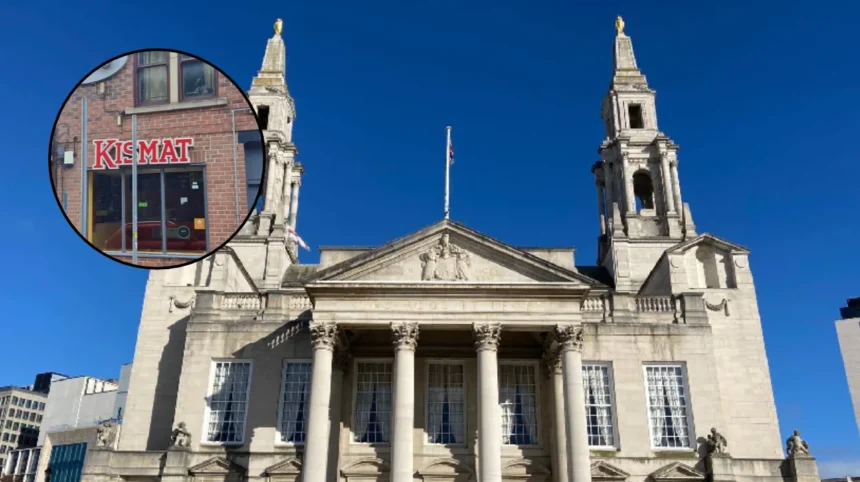
The licensing hearing, convened at Leeds Civic Hall, was prompted by an enforcement action conducted by Home Office immigration officers. As documented during the proceedings, officials visited the Headingley establishment in August of the previous year and discovered an illegal worker actively employed on the premises.
Following this discovery, regulatory authorities noted that a substantial civil penalty totalling £40,000 was issued. Councillors were informed that this financial penalty remains entirely unpaid as the administrative and legal processes continue to unfold.
What Did Owner Tariq Shafiq Say in His Defence?
Addressing the licensing sub-committee, owner Tariq Shafiq firmly denied any personal culpability or awareness regarding the unlawful employment practices that took place under his roof. Explaining his absence and lack of oversight at the critical time, Mr Shafiq stated that he had frequently been out of the United Kingdom to visit family members abroad.
As reported during the hearing, Mr Shafiq stated that
“All this that happened, I had no knowledge.”
Furthermore, Mr Shafiq detailed the current physical and operational condition of the business property, noting that it has stayed shuttered for roughly three months. He asserted that the venue was left in a severe state of disarray by the individuals who previously operated it under the third-party lease agreement. Expressing deep personal distress over the controversy surrounding his establishment, Mr Shafiq told the councillors at Leeds Civic Hall: “I’m very upset.”
Explore More Headingley News
Icon Cancer Centre Approved at AMT Headingley Stadium, Leeds 2026
Leeds Council Approves Headingley Stadium Cancer Centre Plan, Headingley 2026
Background of the Particular Development
The decision surrounding Tariq’s in Headingley highlights the complex legal and administrative landscape governing licensed premises and property leasing in the United Kingdom. Under current UK licensing and immigration legislation, premises holding alcohol and entertainment licences are subject to strict regulatory oversight. When immigration violations occur on licensed grounds, enforcement agencies such as the Home Office possess the authority to issue severe civil penalties and request formal reviews from local authority licensing committees.
However, a fundamental tenet of UK licensing law involves establishing direct accountability. Landlords and freehold owners who lease their commercial spaces to independent third-party operators frequently find themselves navigating regulatory scrutiny when compliance failures occur.
In this instance, the distinction between the property owner and the active business operator formed the core of the legal deliberation. By demonstrating that operational control was delegated to an external party during the period of the infraction, the defence successfully navigated the threshold required to preserve the licence, despite the unresolved financial penalties and the temporary closure of the venue.
Prediction
For local business owners, commercial landlords, and community stakeholders in Headingley, this development underscores the critical importance of rigorous tenant vetting and active oversight in commercial lease agreements.
While the ruling protects the freehold owner’s right to retain the licence, the presence of an unpaid £40,000 civil penalty and a three-month closure signals that regulatory bodies will continue to closely monitor compliance within the student-dense and vibrant Headingley commercial district.
For the particular audience of local independent traders and landlords, this case serves as a clear reminder that leasing a venue does not entirely insulate property owners from reputational and administrative fallout if third-party operators fail to adhere to strict UK employment and immigration laws.