Key Points
- Early Flu Arrival: Health officials in Leeds warn that the flu season may have arrived earlier than anticipated this year.
- Vaccination Call: Eligible residents are being urged by Leeds City Council to book their free winter vaccinations without delay.
- Winter Virus Spread: Both influenza and Covid-19 circulate more rapidly during the colder winter months when people spend increased time indoors.
- Preventative Action: Timely vaccination is recommended to help protect vulnerable individuals and reduce pressure on local healthcare services.
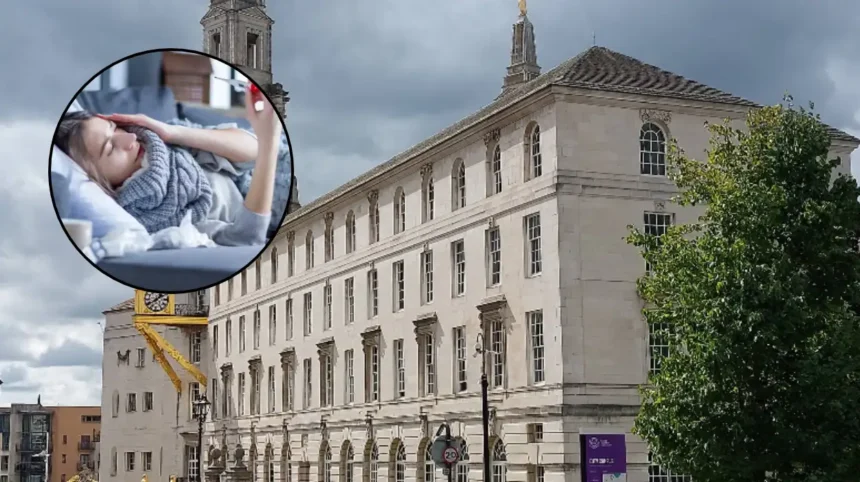
LEEDS (The Leeds Times) October 31, 2026 —Health authority officials across Leeds have issued an urgent appeal to residents, advising eligible individuals to secure their free winter vaccinations as monitoring indicators suggest the annual flu season may have commenced earlier than previously anticipated.
The notification, coordinated and released by Leeds City Council, emphasizes that both influenza and Covid-19 experience heightened rates of transmission during the autumn and winter periods.
The council noted that colder weather naturally leads to increased indoor gathering, creating environmental conditions where airborne respiratory viruses pass more readily between individuals in close contact.
Who Is Eligible for the Free Winter Vaccinations in Leeds?
Local public health guidelines state that free winter vaccinations for flu and Covid-19 are available to specific groups identified as being at higher risk of developing severe illness or complications from infection.
Eligible categories typically include:
- Adults aged 65 and over
- Individuals with underlying long-term health conditions (such as respiratory illnesses, diabetes, or heart disease)
- Pregnant women
- Residents in care homes
- Frontline health and social care staff
- Main carers for elderly or disabled individuals
Leeds City Council has urged all residents fitting these criteria to arrange their appointments through local pharmacies, GP surgeries, or designated NHS booking platforms as soon as possible.
How Does Winter Weather Impact the Spread of Respiratory Viruses?
Public health specialists highlight that seasonal changes play a major role in the transmission rates of respiratory illnesses. As atmospheric temperatures drop, human social behavior shifts toward indoor spaces with less ventilation.
When people gather indoors, virus particles released through coughing, sneezing, or talking remain suspended in the air longer or transfer onto surfaces, significantly increasing the probability of cross-infection among family members, co-workers, and the wider community.
Explore More Local Leeds News
Unsafe Mount St Josephs Leeds Care Home Demolished for Flats Headingley 2026
Man’s Body Found Following Safety Concern Report in Leeds 2026
Background to the Leeds Winter Vaccination Drive
The annual winter immunization campaign forms a critical part of the broader public health strategy across West Yorkshire. Each year, local council public health departments work in close partnership with National Health Service (NHS) trusts, integrated care boards, and community health networks to administer vaccines before peak viral transmission occurs.
In recent years, health systems have faced combined seasonal pressures—often referred to as a “twindemic”—arising from the simultaneous circulation of seasonal flu and Covid-19.
Early delivery of vaccines is designed to build population-level immunity ahead of the coldest months, mitigating peak hospital admission rates and protecting adult social care capacity across the metropolitan borough.
Prediction: How Will This Development Affect Local Residents and NHS Services?
If eligible residents across Leeds respond promptly to the council’s warning by securing their free immunizations, community immunity levels against both flu and Covid-19 will rise effectively ahead of mid-winter. For vulnerable populations, timely vaccination reduces the risk of serious illness, hospitalization, and secondary health complications.
For the wider community and healthcare infrastructure, high uptake of winter vaccines serves to alleviate operational strain on primary care services, emergency departments, and local hospital beds during peak winter months. Conversely, if vaccine uptake remains subdued while viral transmission continues early, local healthcare providers may encounter increased patient admissions, leading to extended wait times and reduced capacity for non-emergency medical care across the region.