Key Points
- Moorfield House in Moortown, Leeds, is a Grade II-listed former care home that has fallen into a visibly deteriorating state.
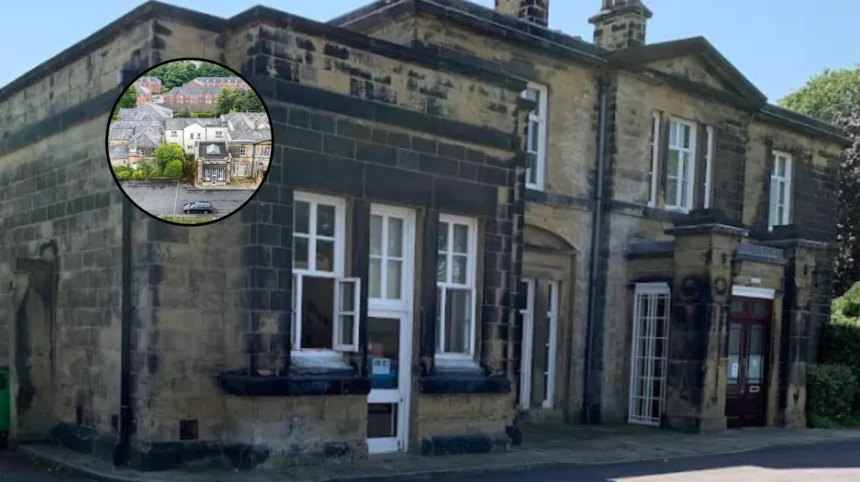
- Images released with a planning application show the building appears vandalised and in urgent need of repair.
- Warnings have been made that urgent work is needed to prevent further deterioration of the historic property.
- Latest plans to convert the site into 27 flats are under consideration by Leeds City Council.
- The building’s protected status means any redevelopment must take account of its listed heritage value.
Leeds (The Leeds Times) July 2, 2026 – The declining condition of Moorfield House in Moortown has brought the vacant building back into focus, after pictures submitted with a planning application showed a property that has been left vandalised and deteriorating. The former care home, which is Grade II-listed, is now at the centre of renewed debate over its future as Leeds City Council considers proposals to create 27 flats at the site.
What is happening at Moorfield House?
Moorfield House is a former care home in Moortown that has been empty and is now described as being in serious decline.
The building has been linked to concerns about vandalism and further deterioration, with warnings that urgent repairs are needed to stop the situation worsening.
Its listed status means the site is not just a vacant structure, but one with heritage protections that must be considered in any plans for change.
Why are urgent repairs being warned about?
The warning centres on the visible condition of the property, which has prompted concern that the building could suffer more damage if left unchecked.
As reported in the source material, the concern is that the structure is at risk of further deterioration, and that urgent repairs are necessary to prevent more loss of fabric and condition.
In a listed building, that matters because damage can affect both the building’s appearance and its historic integrity.
What do the new plans propose?
The latest plans under review by Leeds City Council would see 27 flats created at the Moorfield House site. That indicates the site is being considered for residential reuse rather than remaining in its current vacant state.
Any decision will have to balance development ambitions with the need to retain or respect the building’s listed character and the broader heritage constraints attached to it.
What do the pictures show?
The images released alongside the planning application are important because they provide visual evidence of the building’s current condition.
They reportedly show a property that has suffered vandalism and decline, which helps explain why concern has grown around the site. In planning terms, such images often form part of the case for either urgent intervention or redevelopment, depending on what is being proposed.
How does listed status affect the site?
Grade II listing means Moorfield House is recognised as a building of special architectural or historic interest. That status does not prevent change, but it does mean any work must be assessed carefully and normally requires appropriate permissions and heritage consideration.
For Leeds City Council, that makes the planning process more complex than it would be for an ordinary vacant property.
What is the wider local issue?
The situation reflects a familiar problem for many listed or older vacant buildings: once a property is left unused for too long, deterioration can accelerate. Vandalism, weather damage and lack of maintenance can quickly reduce the condition of a historic site, making restoration more difficult and more costly.
At Moorfield House, the current debate appears to be centred on whether redevelopment can offer a practical route forward while protecting what remains of the original building.
Background
Moorfield House is listed as a Grade II building under the name Moorfield House and Attached Outbuildings and Walls, confirming its protected heritage status.
Leeds City Council’s planning system allows the public to view and comment on applications, and the current proposals for the site sit within that wider local planning framework. The site’s current condition and the warning over urgent repairs have brought attention back to the long-term challenge of maintaining historic buildings once they become vacant.
Prediction
If the 27-flat proposal progresses, local residents and heritage campaigners are likely to focus on whether the development improves the site without eroding its historic value.
For nearby residents, the most immediate effect could be the removal of a neglected eyesore and the potential for a more secure, maintained property. For those concerned with conservation, the key issue will be whether any approved scheme protects the building’s character while addressing the deterioration already visible at the site.