Key Points
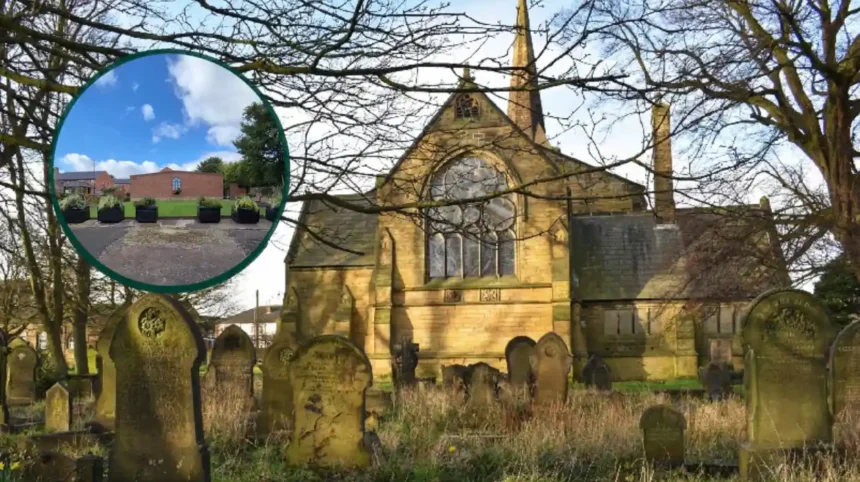
- Proposed Upgrades: Comprehensive renovation plans have been drawn up for Morley Community Church, widely recognised as the historic Zion Chapel.
- Access Improvements: The development proposal features the installation of a new ramped access system to facilitate easier entry for visitors and members with limited mobility.
- Sanitary Enhancements: Plans explicitly incorporate significant functional improvements to existing toilet amenities within the building.
- Family and Kitchen Upgrades: Modernisation works are lined up for both the crèche area and the internal kitchen facilities to better serve community activities and families.
- Regulatory Scrutiny: The proposals have been formally submitted to local civic authorities for comprehensive administrative evaluation and public consultation.
Morley (The Leeds Times) October 6, 2026 —The place of worship, which is historically and locally referred to as the Zion Chapel, is set to undergo a series of physical transformations designed to upgrade its overall infrastructure. According to the blueprints filed under the local planning framework, the core elements of the project include the construction of a brand-new ramped access layout, a comprehensive overhaul and improvement of the building’s toilet facilities, alongside full modernisation works targeted specifically at the on-site crèche and kitchen spaces.
Why Are These Infrastructural Changes Being Proposed Now?
Many older religious and community structures across the United Kingdom face ongoing challenges regarding physical accessibility, compliance with modern inclusivity standards, and the general wear and tear of decades-old utility spaces.
By addressing both entry limitations through ramped access and interior utility constraints via upgraded kitchens and sanitary blocks, the initiative aims to future-proof the building. Local civic planners note that these adjustments are intended to ensure the chapel remains a functional, welcoming hub capable of supporting a broader spectrum of community-focused activities, family gatherings, and local services without physical barriers hindering participation.
How Will the Local Planning Process Handle the Application?
Local planning authorities are tasked with examining the structural, architectural, and community-level impacts of the proposed alterations. This phase allows local residents, heritage groups, and municipal stakeholders to review the blueprints and submit formal feedback regarding the scheme.
Dependent upon the progression of the statutory consultation timelines, planning officers will evaluate whether the application aligns with regional development guidelines before reaching a final determination on whether to grant full planning consent for the Zion Chapel improvements.
Explore More Morley News
Leeds Bus Diversions and Morley Roadworks Update 2026
Historic Morley Church Sells at Auction, Morley 2026
Background of the Particular Development
The movement to modernise historical places of worship like the Zion Chapel reflects a nationwide trend across British communities. Built in eras when universal accessibility, health and safety regulations, and modern family amenities were rarely factored into architectural designs, many traditional chapels struggle to meet contemporary societal expectations.
Over recent years, religious organisations and community trusts have increasingly sought local authority permissions to adapt heritage structures. These modifications aim to transform older buildings into inclusive, multi-functional spaces that can host parent-toddler groups, local support meetings, and cultural events alongside regular religious services, ensuring these historical landmarks remain viable community assets rather than falling into disuse.
Prediction
Looking ahead, this development is expected to positively impact the local congregation, elderly visitors, and families with young children residing in the Morley area. Once the planning process concludes and construction gets underway, the introduction of level, ramped access will eliminate physical obstacles for wheelchair users, individuals with pushchairs, and parishioners with mobility impairments, thereby fostering a fully inclusive environment.
Furthermore, the modernisation of the kitchen and crèche facilities will significantly enhance the church’s capacity to host community outreach programmes, fellowship events, and family-oriented activities, securing the building’s active role as a vibrant community focal point for years to come.