
Key Points
- Grade II-listed Thwaite Mills in Stourton, Leeds, has been acquired by four new owners: Will Habergham, Terry George, Michael Rothwell, and Kirk Allen.
- A comprehensive 12-month restoration process is scheduled to begin this week, though no definitive reopening date has yet been announced.
- Early development plans encompass reopening the site as a working museum, alongside a new pub, cafe, and canal-side seating area.
- The surrounding grounds will be fully landscaped and kept completely free for walkers, runners, and dog owners to access.
- A public programme of free family events, craft fairs, and car boot sales is planned, with long-term ambitions for hosting weddings, small music events, and a canal-side beer garden.
- The project relies heavily on community participation, leading to the relaunch of the Friends of Thwaite Mills supporters’ group.
- The restoration progress will be shared publicly via a dedicated social media diary.
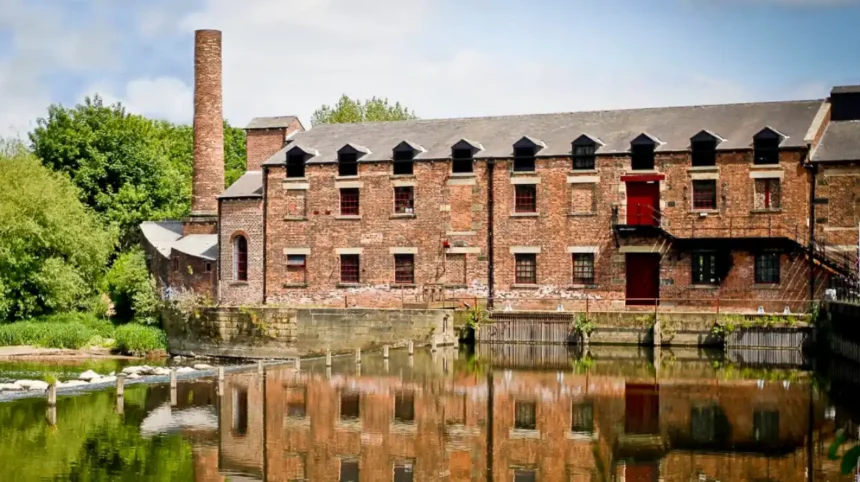
Stourton Leeds (The Leeds Times) August 18, 2026 –The future of one of Britain’s best-preserved working watermills has been secured following its takeover by four local entrepreneurs. Will Habergham, Terry George, Michael Rothwell, and Kirk Allen have officially taken ownership of the historic Grade II-listed Thwaite Mills site located in Stourton, Leeds. A full-scale restoration programme is commencing this week, aiming to transform the landmark into a multi-use cultural and leisure destination over the course of the next 12 months.
- Key Points
- What Are the Immediate Restoration and Operational Proposals for Thwaite Mills?
- How Will the Local Community and Volunteers Participate in the Project?
- What Long-Term Events and Commercial Plans Are Being Explored?
- Background of Thwaite Mills
- Prediction: How Will This Development Affect the Local Leeds Community and Heritage Visitors?
What Are the Immediate Restoration and Operational Proposals for Thwaite Mills?
The newly appointed directorial team has outlined an extensive plan to reinvigorate the industrial heritage site. Under the proposal, Thwaite Mills will reopen as a fully functioning working museum.
The broader venue layout will feature an on-site pub, a cafe, and canal-side seating, alongside fully landscaped open grounds designed to remain freely accessible to local walkers, runners, and dog owners.
While an exact opening date has not yet been established due to the nature of the structural works required, the project timeline is projected to span approximately one year.
The restoration is scheduled to be documented continuously through an online social media diary, allowing members of the public to track physical progress in real time.
How Will the Local Community and Volunteers Participate in the Project?
Community involvement forms a core element of the revitalization strategy. The new owners are officially relaunching the Friends of Thwaite Mills supporters’ group, extending membership to the general public as well as former constituents of the historic Thwaite Mills Society.
Registered members will receive routine project updates, invitations to structured volunteer days, and direct input into the design and functional decisions shaping the site.
As stated by Will Habergham, Director of Thwaite Mills:
“Thwaite Mills was saved by its community once before, and it’ll be brought back by its community now. We’re not going to disappear for a year and come back with a ribbon to cut. We want people watching it happen, turning up, and telling us what they want this place to be.”
What Long-Term Events and Commercial Plans Are Being Explored?
Alongside the museum and hospitality offerings, the operational strategy incorporates a broader event delivery scheme.
The initial rollout includes a scheduled programme of free family-oriented events, alongside the intended reinstatement of community craft fairs and car boot sales previously associated with the venue.
Looking further ahead, management is exploring licensing options to facilitate private wedding ceremonies, small-scale live music performances, and an expanded canal-side beer garden.
Explore More Local Leeds News
Four Padel Courts Proposed for Health Club in Oulton, Leeds 2026
Police E-Bike Seizures Soar Across UK as Leeds Ban Looming 2026
Background of Thwaite Mills
Constructed between 1823 and 1825, Thwaite Mills was established on an island situated between the River Aire and the Aire & Calder Navigation. It initially functioned as a flax mill before transitioning to the production of whiting (ground chalk) and paint.
The industrial facility remained commercially operational for 150 years until 1975, when a severe failure of the adjacent weir structure forced operations to cease.
In 1976, local volunteers intervened to prevent the site’s demolition or abandonment. Following a lengthy restoration campaign, it opened to the public as a functional heritage museum in 1990 under the care of Leeds City Council.
However, citing local authority budget constraints, the museum’s municipal operational lease was terminated, leading to its formal closure in April 2024, where it remained vacant prior to its recent private acquisition.
Prediction: How Will This Development Affect the Local Leeds Community and Heritage Visitors?
The private acquisition and commercial diversification of Thwaite Mills are expected to directly impact several key stakeholder groups across Leeds and West Yorkshire:
- Local Residents and Park Users: The commitment to maintain free public access to the landscaped canal-side grounds ensures that dog walkers, runners, and families retain access to green spaces without financial barriers.
- Heritage and Volunteer Groups: Former members of the Thwaite Mills Society and local history enthusiasts gain an active platform to preserve industrial heritage. This model balances structural conservation with viable commercial revenue streams (such as the pub and event spaces).
- Local Economy and Tourism: The addition of a canal-side hospitality venue, weddings, and community markets is likely to increase footfall along the Aire & Calder Navigation corridor, creating local employment during both the 12-month construction phase and subsequent operational launch.