Key Points
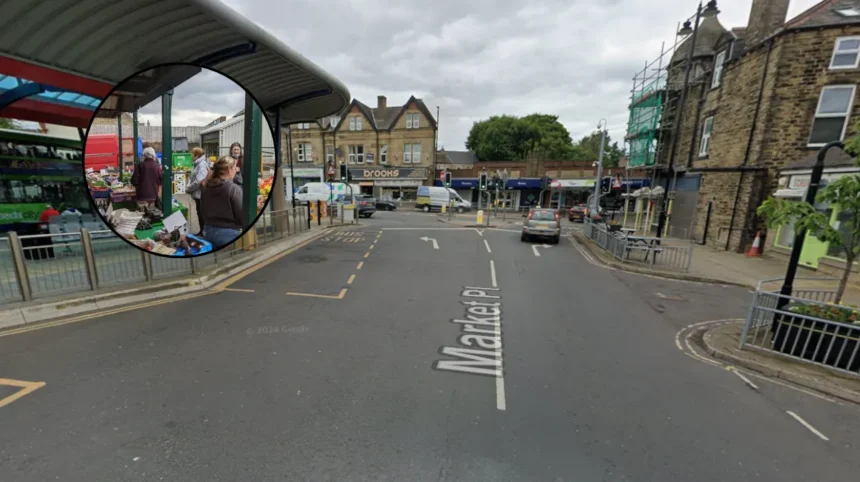
- Pudsey Market is making its entire space available for hire by private operators on Saturdays and Sundays to host a rolling programme of specialist markets.
- The strategic shift comes after a public consultation by Leeds City Council gathered nearly 750 responses regarding the site’s future.
- Planned themes across alternating weekends include street food, vintage items, arts and crafts, and farmers’ produce.
- Over 91 per cent of consultation respondents confirmed that a market still plays a vital role in Pudsey.
- The market’s traditional Tuesday and Friday operations will continue as normal, supported by expanded promotional campaigns.
- Rental income currently meets only roughly 50 per cent of the council’s total running costs for the facility.
- The new approach aims to mirror the success achieved by Leeds Kirkgate Market’s dedicated event spaces.
Pudsey (The Leeds Times) August 21, 2026 – As reported by the Leeds City Council press office, the decision was taken after a three-week public consultation yielded 747 responses from local residents, stallholders, and visitors. Under the newly approved blueprint, private market operators will be invited to hire the entire footprint of the site on weekends to run rotating themed markets. These specialist events are set to feature revolving attractions such as street food hubs, vintage clothing stalls, handmade arts and crafts fairs, and local farmers’ produce markets.
The council confirmed that Pudsey Market’s long-standing midweek trading on Tuesdays and Fridays will remain completely unaffected by the weekend changes. However, these regular trading days are scheduled to benefit from upgraded promotional drives designed to attract both new shoppers and prospective commercial stallholders. Civic leaders hope that visitors drawn to the weekend specialist events will return during the week, boosting footfall across all trading sessions.
As stated by Councillor Salma Arif, Leeds City Council’s deputy leader and executive member for economy,
“Markets are part of the fabric of life in many communities across Leeds and we are determined, as a council, to do everything we can to support them”.
Arif added:
“I’m really pleased, therefore, that our consultation has shown such strong backing for the specialist markets we are now planning to host on Saturdays and Sundays in Pudsey. There should be a real buzz around these events and it’s our hope that people attending them will be more likely to visit the market on its normal trading days during the week. They also have the potential to help shops and other businesses in the wider community by bringing more people into the town centre”.
What Did The Public Consultation Reveal About Pudsey Market’s Future?
The survey conducted by municipal officials highlighted a profound public attachment to the site, alongside a strong desire for modernised offerings. As reported by Leeds City Council media representatives, 91 per cent of respondents stated that there is still a crucial role for a physical market in Pudsey, pointing to its historical role in defining the character, heritage, and identity of the town centre.
Furthermore, 70 per cent of current market visitors cited the venue’s “community feel” as its primary attraction, with friendly stallholders and spatial convenience also scoring heavily among users. Nevertheless, the feedback made clear that the community wanted more variation:
- 89% of survey respondents expressed a direct desire to see different specialist markets hosted every weekend.
- 80% of participants indicated enthusiasm for incorporating regular farmers’ markets into the schedule, along with street food stalls, vintage goods, second-hand items, and arts and crafts.
- 61% of prospective traders who showed interest in taking space at Pudsey Market noted a preference to trade on both Saturdays and Sundays.
Official data demonstrates that the revamped weekend model is necessary to secure the long-term viability of the site. Over recent years, Pudsey Market has suffered a gradual drop in both stallholder numbers and product variety. This decline created a severe budget gap, with rental income dropping to a point where it covers only around half of the council’s annual operational costs for maintaining the space.
By outsourcing weekend management to private event operators, the local authority expects to generate reliable venue-hire revenue while relieving administrative overheads.
How Does This Strategy Mirror Other Successful Leeds Market Projects?
The structural plan for Pudsey Market draws inspiration directly from proven initiatives elsewhere in the metropolitan borough. As noted by municipal journalists covering Leeds City Council cabinet developments, the council intends to replicate the operational model used at Leeds Kirkgate Market.
Kirkgate Market’s dedicated event zone and Market Kitchen food hall have delivered sustained success through a packed timetable of food festivals, pop-up traders, and community activities. Council officers anticipate that applying a similar strategy to Pudsey will revitalise the town centre, driving footfall not just to the stallholders but to surrounding high-street shops, independent cafes, and local service providers.
Specific start dates and detailed schedules for the inaugural weekend markets will be published following the conclusion of commercial negotiations with prospective private operators.
Background Of The Particular Development
Pudsey Market has operated as a focal point of commercial and social life in West Leeds for generations, historically functioning as an open-air hub for local produce, textiles, and household goods. Like many traditional municipal markets across the United Kingdom, it has faced mounting pressure over the past two decades due to shifting consumer habits, the rapid growth of e-commerce, and competition from large out-of-town retail parks.
These structural shifts led to a decline in regular stallholders, leaving visible vacancies on trading days and diminishing the venue’s overall financial performance. Faced with rising maintenance bills and restricted public sector budgets, Leeds City Council initiated a strategic review to prevent the site from becoming financially unviable.
Rather than considering closure or reduction of services, the council launched its public consultation to evaluate community appetite for alternative uses. The overwhelmingly positive public response confirmed the market’s cultural value, prompting the council to adopt a hybrid model: preserving traditional weekday trading while transforming weekends into a commercial, event-led destination.
Prediction: How This Development Can Affect Local Traders, Residents, And High-Street Businesses
This operational overhaul is poised to bring significant changes to key groups across the Pudsey area:
- Existing Weekday Traders: Current Tuesday and Friday stallholders stand to benefit from a renewed surge in brand visibility. Increased municipal promotion, combined with cross-marketing from weekend events, is likely to introduce a younger and broader customer demographic to the weekday market, helping sustain traditional traders.
- Local Town Centre Businesses: High-street shops, brick-and-mortar retailers, and hospitality venues surrounding the market square can expect a noticeable rise in weekend footfall. Specialist events like food festivals and vintage fairs typically draw visitors from across the wider Leeds and Bradford regions, creating spin-off expenditure for surrounding coffee shops, pubs, and retail outlets.
- Residents and Shoppers: Local households will gain a dynamic weekend leisure destination on their doorstep, reducing the need to travel into Leeds city centre for niche events, artisan goods, or street food dining.
- Private Operators and Micro-Businesses: Small-scale independent creators, street food vendors, and antique collectors will gain an affordable, high-exposure venue to test products and build a local customer base without committing to permanent, high-cost leases.