

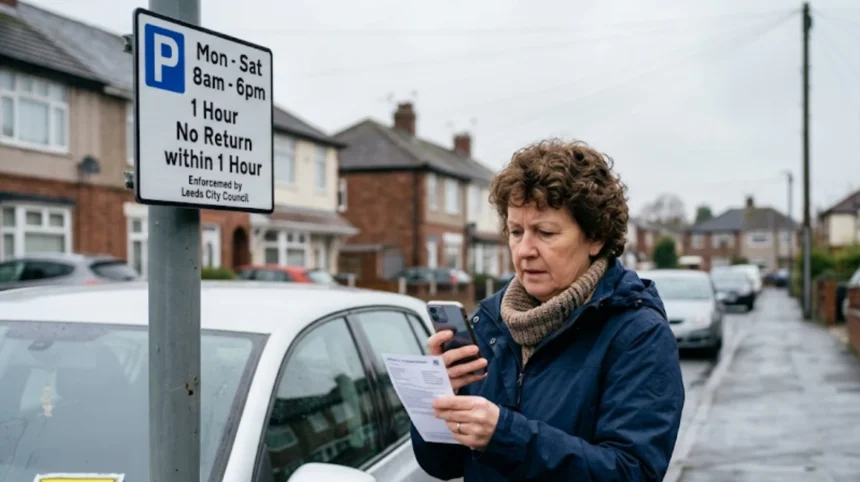
A parking fine in Rothwell is usually a Penalty Charge Notice, or PCN, issued by Leeds City Council. The quickest way to challenge it is to check the notice, gather evidence, and submit an appeal within the deadline.
- What is a parking fine in Rothwell?
- How fast should you appeal?
- What evidence should you collect?
- How do you submit the appeal?
- What makes an appeal stronger?
- What happens after you appeal?
- Can you appeal further if Leeds rejects it?
- What reasons work best in Rothwell?
- What mistakes delay an appeal?
- How do parking rules affect Rothwell?
- What should you write in the appeal?
- Why does speed matter?
- What is the quickest route?
What is a parking fine in Rothwell?
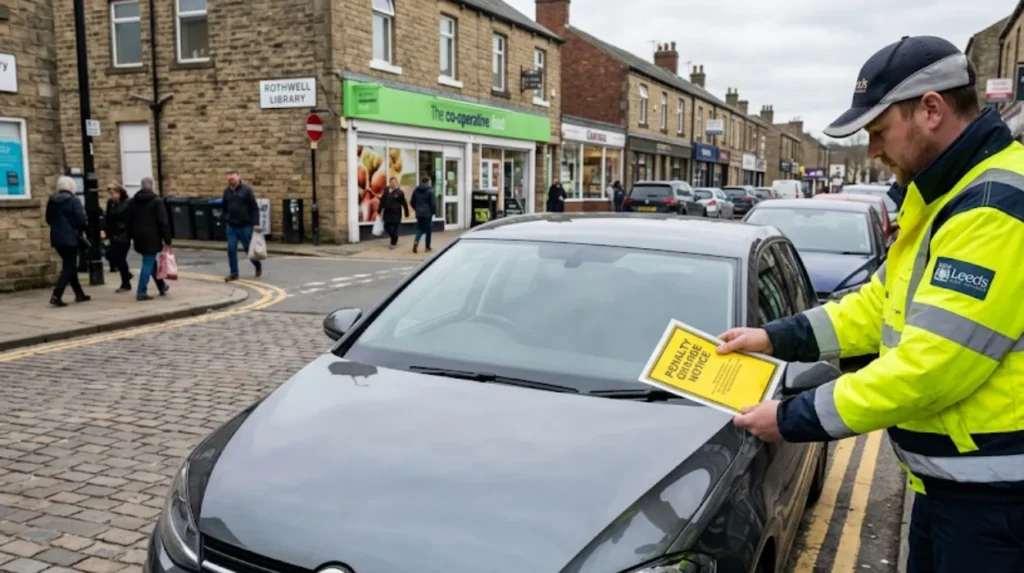
A parking fine in Rothwell is usually a council Penalty Charge Notice, not a criminal fine. It comes from Leeds City Council for a parking, bus lane, moving traffic, or school street contravention. The notice sets a deadline, evidence options, and appeal rights.
Rothwell is part of the Leeds area, so parking enforcement there follows Leeds City Council rules and appeal procedures. A PCN is a civil penalty, which means it is handled through a formal council process rather than a criminal court process at the start.
The notice usually shows the PCN number, the alleged contravention, the date, the location, and the amount due. These details matter because they define the basis of the challenge.
How fast should you appeal?
You should appeal as soon as possible, and ideally within 14 days of the PCN date. If the council receives the appeal within 14 days, the lower charge is usually frozen while the case is considered.
The 14-day period matters because it protects the discounted amount. If the challenge is rejected, the lower charge normally remains available for a further 14 days.
The full challenge period is usually 28 days from the date of issue. A postal appeal needs enough delivery time so the council receives it inside that window.
What evidence should you collect?
Collect evidence before submitting the appeal. Strong evidence includes photos of the sign, bay markings, machine, vehicle position, ticket, permit, receipt, and any documents that explain the stop or parking decision.
Evidence should match the reason for the ticket. If the issue is a broken meter, photograph the machine. If the issue is a permit, include a clear copy. If the issue is unloading, include delivery proof and timestamps.
Check any images or video recorded by the council as well. That evidence often shows exactly what the enforcement officer or camera captured.
How do you submit the appeal?
The fastest route is usually online. You will need the PCN number and the vehicle registration number, and you should keep the confirmation that the appeal was received.
A postal appeal is also possible. It should explain why the PCN should be cancelled and include copies of all supporting evidence.
Keep the PCN number ready before starting. If the ticket has been lost, contact the council for help so you can recover the reference.
What makes an appeal stronger?
A strong appeal focuses on the exact error in the notice or the enforcement process. It explains the facts clearly, uses dates and times, and attaches proof that directly supports the challenge.
The best appeals usually involve signage problems, exemption issues, payment proof, vehicle details, or procedural mistakes. The challenge should address the key issue directly.
A vague complaint is weaker than a fact-based explanation. Clear evidence and precise wording give the appeal a much better chance.
What happens after you appeal?
If the council accepts the appeal, the PCN is cancelled. If it rejects the appeal, it normally gives you a further period to pay at the lower amount and explains the next stage.
Many councils aim to respond quickly to online appeals. That makes the online route the most efficient option when speed matters.
If the case is rejected, the notice will explain the next formal step. In many PCN cases, that can include an independent tribunal stage.
Can you appeal further if Leeds rejects it?
Yes. A rejected council challenge does not always end the case. Council PCNs in England and Wales can normally move to an independent tribunal stage after the council decision.
That stage gives a fresh review of the evidence and the legal basis for the charge. It is separate from the council’s own decision.
The tribunal route is useful when the dispute is about signs, exemptions, timing, or whether the contravention really occurred.
What reasons work best in Rothwell?
The strongest reasons are factual and evidence-based. Common examples are a valid ticket, a permit, a loading exemption, broken equipment, unclear signage, or a PCN issued to the wrong vehicle or wrong location.
The best reason depends on the notice. A parking bay case needs evidence about the bay and the signs. A moving traffic case needs location and camera evidence. A bus lane case needs timing and route evidence.
The appeal should always match the alleged contravention. If the notice says the vehicle was parked in a restricted place, the evidence should show why that description is wrong.
What mistakes delay an appeal?
The biggest mistakes are missing the deadline, sending no evidence, using vague wording, and paying too early. These errors reduce the chance of cancellation and can remove the chance to challenge at the lower amount.
Another common mistake is ignoring the PCN reference number. Without that number, the council may not process the appeal efficiently.
A strong appeal is short, factual, and organised. It should state what happened, where it happened, why the PCN is wrong, and what proof is attached.
How do parking rules affect Rothwell?
Rothwell follows the Leeds City Council parking enforcement system, so local restrictions depend on signs, bays, permits, time limits, and camera-controlled traffic rules.
That means every restriction has to be read from the road signs and markings in place at the location. The exact sign, bay line, and time restriction decide whether a PCN is valid.
Drivers should always check the nearest sign and the exact location on the notice. If the sign is missing, hidden, or inconsistent with the bay markings, that can form the basis of an appeal.
Explore More Help & Resources
How to report a problem landlord in Pudsey now
How to get help with council tax arrears in Otley
What should you write in the appeal?
Write a short, direct statement that names the PCN number, the vehicle registration, the date, the location, the reason for challenge, and the evidence attached. Ask for cancellation because the contravention did not occur or because an exemption applied.
A clear structure works best. Start with the reference number. State the alleged contravention. Explain the exact reason the ticket is wrong. Attach proof. End by asking for cancellation.
Example: “I challenge PCN LS12345678 for the Rothwell location because the vehicle was displaying a valid permit at the time. I attach a photo of the permit and a timestamped image of the vehicle.”
Why does speed matter?
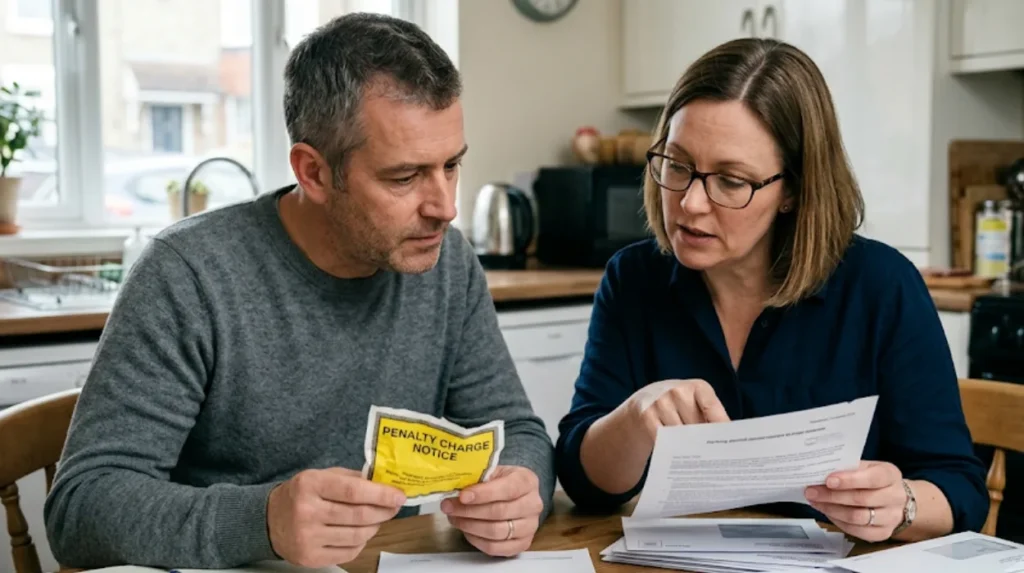
Speed matters because the discounted amount is usually available only for a limited time, and online appeals create instant confirmation. A quick submission protects the lower charge and gives a clean record of the challenge date.
Online appeals are usually the fastest option because they avoid postal delays. They also make it easier to track the case and keep a copy of the submission.
The best approach is simple: check the notice, collect evidence, submit the challenge, and keep the confirmation. That gives the strongest chance of resolving the PCN quickly.
What is the quickest route?
The quickest route is to review the PCN, gather proof, appeal online, and submit within 14 days. That protects the lower amount, keeps the process moving, and creates a clear record of the challenge.
If the appeal succeeds, the PCN is cancelled. If it fails, the council usually explains the next step and the time left to pay or continue the challenge.
What is a parking fine in Rothwell?
A parking fine in Rothwell is usually a Penalty Charge Notice (PCN) issued by Leeds City Council for parking, bus lane, moving traffic, or school street contraventions. It is a civil penalty rather than a criminal fine and includes details of the alleged contravention, payment options, and appeal rights.