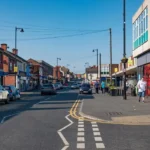

Garforth is a large settlement in east Leeds, West Yorkshire, with a defined village centre, established residential neighbourhoods, local shops, cafés, restaurants, community facilities, leisure venues and green spaces. Its location gives visitors access to Leeds and York while retaining a distinct local identity.
- What is Garforth and where is the village centre?
- How did Garforth develop into the settlement visitors see today?
- Where can visitors shop in Garforth?
- What food and drink can you find in Garforth?
- Which community attractions are worth visiting in Garforth?
- What historic buildings can you see in Garforth?
- Where can you enjoy parks and outdoor attractions in Garforth?
- What leisure facilities are available in Garforth?
- How easy is Garforth to reach from Leeds and York?
- Is Garforth suitable for a short leisure visit?
- What is the best way to explore Garforth in one day?
- Why does Garforth remain relevant for visitors exploring Leeds?
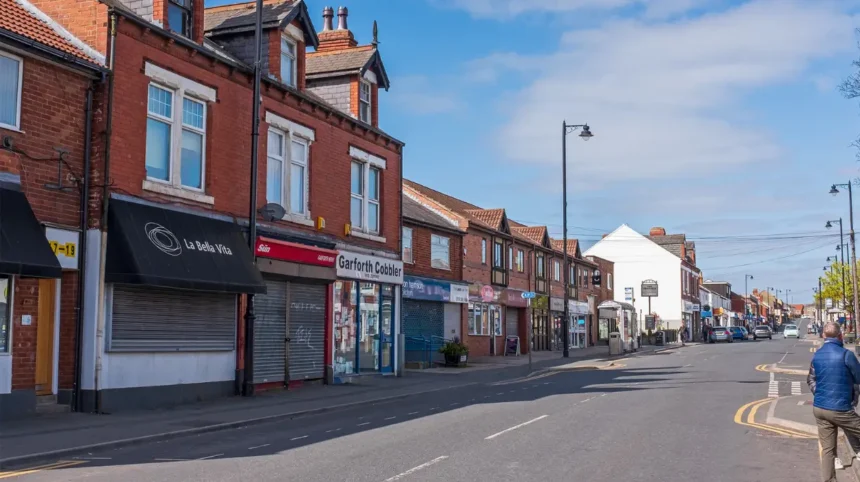
The centre of Garforth is concentrated around Main Street, where commercial premises sit alongside older buildings, community facilities and residential streets. The Garforth Neighbourhood Plan identifies Central Garforth as an area containing shops, offices, the Welfare Hall, library, Working Men’s Club, cafés, bars and takeaways. It also records that Main Street developed from an earlier lane through fields and meadows.
For visitors, Garforth works best as a local exploration destination rather than a conventional major tourist attraction. A short visit combines independent and everyday shopping, food, heritage buildings, community spaces, walking routes and leisure facilities. Its railway connections also make it practical for travellers staying elsewhere in the Leeds area.
What is Garforth and where is the village centre?
Garforth is a substantial east Leeds settlement centred on Main Street, with shops, food businesses, community facilities, leisure venues and residential neighbourhoods extending around the historic core. Its location provides convenient access to Leeds, York, major roads, railway services and surrounding countryside.
Garforth sits within the City of Leeds metropolitan district in West Yorkshire. The settlement is positioned east of Leeds and close to the A1(M), M1 and M62 road network. Leeds City Council describes Garforth as a thriving settlement on the edge of Leeds with approximately 15,000 residents recorded in the 2011 Census.
The village centre is primarily associated with Main Street and its adjoining streets. This area combines commercial, residential and community uses. The local neighbourhood plan identifies Central Garforth as the part of the settlement containing a particularly strong concentration of older buildings.
Main Street is therefore the most useful starting point for visitors exploring Garforth. It provides access to everyday retail services and food businesses while connecting to community facilities and nearby heritage features.
Garforth also has a second important activity area around its railway and newer residential development. The settlement expanded substantially during the twentieth century, particularly during the 1960s and 1970s, when housing development surrounded the older core.
This combination gives Garforth two distinct characteristics. The central area provides traditional village-centre functions, while newer neighbourhoods provide housing, recreation areas and modern services.
How did Garforth develop into the settlement visitors see today?
Garforth developed from an agricultural settlement into a mining community and later a large residential settlement connected to Leeds and wider West Yorkshire. Coal mining expanded during the nineteenth century, while twentieth-century housing growth transformed the settlement into today’s suburban village.
Garforth has a long industrial and agricultural history. Leeds City Council records mining activity in the area from at least the medieval period, with industrial-scale development accelerating after the first shafts were sunk between 1830 and 1840.
The growth of coal mining changed Garforth’s population and physical structure. The population recorded in 1831 was 782. By 1899 it had reached 3,224, representing an increase of roughly 400 per cent over seven decades. The local pits eventually closed in 1930.
Industrial development created employment, housing demand and supporting community institutions. Garforth’s mining heritage remains visible through community organisations and buildings associated with working-class social life.
The twentieth century brought another major transformation. Large-scale house building took place during the 1960s and 1970s. Later development benefited from Garforth’s transport connections to Leeds and surrounding areas.
As you explore the modern centre, you are crossing land shaped by centuries of agriculture, mining and settlement growth. Read about the full to understand its origins.
The historical background explains why Garforth contains different architectural periods. Older buildings cluster around the central area, while post-war housing estates extend into the surrounding landscape.
Where can visitors shop in Garforth?
Garforth’s shopping offer is centred on Main Street and nearby local commercial areas, where visitors find everyday retail services, convenience shopping, food businesses and personal services. Larger supermarkets and retail parks provide additional choice beyond the traditional village centre.
Main Street functions as the principal local shopping environment. Its businesses serve residents rather than operating solely as tourist attractions. This distinction is important because Garforth’s retail character reflects everyday community needs.
Visitors can use the central shopping area for practical purchases, refreshments and local services. The concentration of businesses also makes Main Street suitable for a walking-based exploration of the settlement.
The Garforth Neighbourhood Plan specifically identifies commercial use through shops and offices in Central Garforth. It also records cafés, bars and takeaways within the area.
The shopping experience extends beyond traditional retail. Food shops, cafés and service businesses form part of the same local economy. This creates a mixed-use centre rather than a single-purpose shopping street.
Visitors looking for larger-scale shopping can use Garforth’s wider retail areas and supermarkets. These locations are more suitable for weekly shopping, household purchases and larger retail requirements than the historic centre.
For leisure travellers, Main Street is the better starting point for understanding local commerce. The combination of older buildings, shops, food outlets and community facilities provides a clearer picture of Garforth as a functioning Yorkshire settlement.
Opening hours vary between businesses. Visitors should check individual businesses before travelling when a particular shop is an essential part of the itinerary.
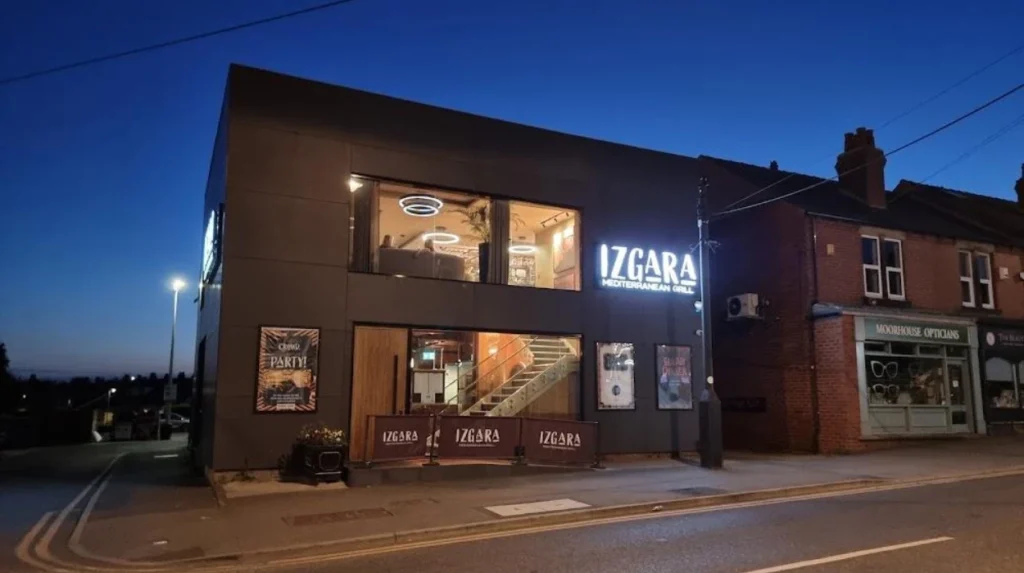
What food and drink can you find in Garforth?
Garforth provides a broad everyday food offer built around cafés, pubs, restaurants, takeaways and convenience businesses. Central Garforth contains numerous food and drink premises, making Main Street and adjoining areas practical locations for breakfast, lunch, dinner and refreshments.
Food is one of the most accessible parts of a Garforth visit. The central area includes cafés, bars and takeaway businesses, while pubs and restaurants provide additional options for longer meals.
The local food economy is closely connected to residential demand. This means the offer includes practical everyday choices rather than concentrating exclusively on destination dining.
A visitor can structure a short Garforth exploration around food. Breakfast or coffee provides a starting point, followed by a walk through Main Street, a visit to the library or community facilities, and an afternoon activity.
Pubs also form part of Garforth’s social infrastructure. They provide spaces for meals, drinks and community gatherings. Some venues also connect with local environmental or community initiatives.
The Lord Gascoigne Pub Community Garden is one example of a community-oriented project listed by Visit Leeds. The garden is run by volunteers from Eco Friendly Garforth, who were given use of the land by the brewery.
Food businesses change over time, so visitors should use current business listings when planning around a specific restaurant or café. The wider pattern remains consistent: Garforth’s centre provides a practical mix of eating and drinking options within a compact local area.
Which community attractions are worth visiting in Garforth?
Garforth’s community attractions include its library and community hub, Miners Welfare Hall, leisure facilities, local gardens and organised activities. These venues provide cultural, educational, recreational and social functions that reflect the settlement’s strong community infrastructure.
The Garforth Community Hub and Library on Lidgett Lane is an important everyday facility. It provides access to books, eBooks and eAudio resources, digital support, events and activities. Visit Leeds also records accessible toilets, baby-changing facilities, wheelchair accessibility and other visitor facilities.
The library is particularly useful for visitors seeking a quieter part of Garforth. It provides an indoor community environment rather than a conventional tourist attraction.
Garforth Miners Welfare Hall is another significant community venue. Located on Main Street, it hosts activities and events including coffee mornings, musical and theatre productions, fairs, dance, phonics, Tae Kwon Do, yoga and ukulele sessions.
The hall reflects the continuing role of community buildings in Garforth. Its activities cover different ages and interests, creating a regular programme rather than a single annual attraction.
Visitors interested in local life should check event schedules before travelling. Community venues often operate according to specific timetables, so availability depends on the day and activity.
These facilities also help explain why Garforth functions as more than a residential suburb. Its social infrastructure supports education, recreation, cultural activity and community interaction throughout the year.
What historic buildings can you see in Garforth?
Garforth contains historic buildings that reflect its agricultural, religious and industrial development. St Mary the Blessed Virgin is a Grade II listed church dating from 1844, while the central area retains older buildings associated with Garforth’s historic village structure.
St Mary the Blessed Virgin on Church Lane is one of Garforth’s most important listed buildings. Historic England records the church as Grade II listed, with the listing first made in 1987.
The church was built in 1844 to designs by George Fowler Jones. It uses dressed magnesian limestone and has a cruciform plan, nave, aisles, transepts, chancel and crossing tower with a broach spire. Its architectural style is Early English.
The building provides a direct architectural connection with nineteenth-century Garforth. Its scale and materials also demonstrate the importance of local religious institutions during the period of industrial and population growth.
Central Garforth contains further older buildings. The local neighbourhood plan identifies Central Garforth as the part of the town containing more older buildings than other areas of Garforth.
A walk between Main Street and Church Lane therefore adds historical context to a shopping-focused visit. Visitors can see how commercial activity, housing, religious buildings and community facilities developed around the older settlement.
Historic buildings should be viewed respectfully. Listed status protects buildings of special architectural or historic interest, and access to interiors depends on ownership and opening arrangements.
Where can you enjoy parks and outdoor attractions in Garforth?
Garforth has several recognised green spaces, recreation grounds and countryside connections. BarleyHill Park, Glebelands Recreation Ground, East Garforth Recreation Ground, Hollinhurst Wood and nearby local green spaces provide opportunities for walking, informal recreation and outdoor activity.
Leeds City Council identifies numerous parks and green spaces in the Garforth and Swillington area. These include BarleyHill Park, East Garforth Recreation Ground, Glebelands Recreation Ground, Hollinhurst Wood and The Chase at Garforth.
The variety of spaces supports different types of outdoor activity. Community parks provide general recreation, recreation grounds support active use, and woodland areas provide a more natural setting.
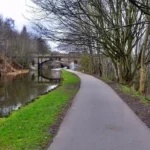
The wider landscape also connects Garforth with longer walking routes. The Leeds Country Way includes a Garforth section and provides routes towards the River Aire and surrounding countryside. Leeds City Council describes a Garforth-to-River-Aire route covering approximately 5.5 miles.
The route uses the old railway line known as the Linesway before continuing towards Brecks Wood, White House Lane and Mount Pleasant Picnic Site.
This creates an important distinction between a village-centre visit and a countryside visit. Main Street supports shopping and food, while the surrounding paths provide opportunities for longer outdoor exploration.
Visitors should use appropriate footwear for countryside routes and check route conditions before setting out. Public rights of way can include uneven surfaces, lanes and rural sections.
What leisure facilities are available in Garforth?
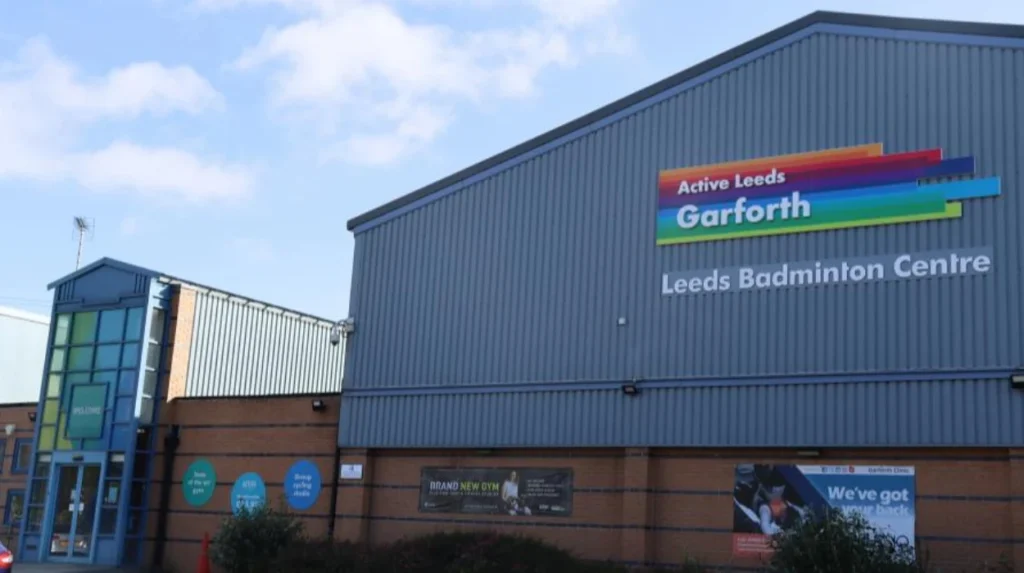
Garforth Leisure Centre provides structured indoor recreation through a 60-station gym, fitness studio, squash courts, studio cycling room, five-court badminton centre and free Wi-Fi. It supports visitors seeking exercise and residents using regular health and fitness facilities.
Garforth Leisure Centre is operated through Active Leeds. Its facilities include a 60-station gym, fitness studio, squash courts, studio cycling room and five-court badminton centre. The centre also provides free Wi-Fi, changing facilities and baby-changing facilities.
The centre gives visitors an indoor alternative when outdoor conditions are unsuitable. It also provides a practical option for domestic business travellers and longer-stay visitors who want to maintain an exercise routine.
Opening hours vary across facilities. Active Leeds lists different hours for the gym and wider centre, with additional arrangements for junior gym sessions. Visitors should check the current timetable before attending.
Leisure facilities also contribute to Garforth’s wider community structure. They serve regular users rather than functioning solely as visitor attractions.
The combination of leisure facilities, green spaces, community venues and food businesses means visitors can build a full local day without relying on major city-centre attractions.
How easy is Garforth to reach from Leeds and York?
Garforth has strong rail and road connections, making it accessible from Leeds and York. Northern operates services through Garforth, while the station provides step-free platform access, a free 250-space car park and connections towards major regional destinations.
Garforth railway station is served by Northern. The station provides a ticket office, ticket machine, smartcard facilities, seating, a car park and bicycle facilities. Northern lists 250 car-parking spaces, including five accessible spaces.
The station also has step-free access to the platforms from the main entrance on Station Road. A footbridge with lifts connects the platforms.
Rail travel makes Garforth practical for visitors staying in Leeds. Northern timetable information shows direct Garforth-to-Leeds services, with journey times on listed services around 10 to 26 minutes depending on the train.
York is also directly connected. Northern lists direct Garforth-to-York services with journey times of approximately 18 to 21 minutes on several listed services.
Road access is also significant. Leeds City Council identifies the A1 and M1 as nearby major roads and notes that the M1 extension created additional connections around Garforth. The M62 is less than 10 miles away according to the council’s local history document.
Travel times and service patterns change, particularly during engineering works. Visitors should check current rail information before travelling. Northern has also announced planned works affecting Leeds–York and Leeds–Selby services during August 2026, with replacement buses serving Garforth during affected weekends.
Is Garforth suitable for a short leisure visit?
Garforth suits a short leisure visit focused on local shopping, food, heritage, community facilities, walking and everyday Yorkshire life. Its compact central area combines these functions, while railway links make the settlement easy to include within a wider Leeds or York itinerary.
A short visit works best when organised around Central Garforth rather than treating the settlement as a conventional attraction district.
Start around Main Street and explore the local shops, cafés and food businesses. Continue towards the community facilities and historic buildings. Add a park, recreation ground or countryside walk according to available time.
The central area is especially useful for visitors interested in how a functioning Yorkshire settlement operates. Shops, offices, cafés, community venues and residential buildings occupy the same wider environment.
A longer visit can incorporate Garforth Leisure Centre or a section of the Leeds Country Way. The choice depends on whether the priority is indoor recreation, local heritage, food or outdoor activity.
Garforth also works as a base for regional exploration. Its rail connection provides direct access towards Leeds and York, while the surrounding road network connects with wider West Yorkshire and North Yorkshire destinations.
This accessibility gives Garforth practical value for visitors who want to combine a local neighbourhood experience with larger attractions elsewhere.
Explore More Area Guide
Seasonal Activities in Horsforth: Year-Round Guide Horsforth 2026
Best Horsforth Family-Friendly Day Out Attractions Leeds 2026
What is the best way to explore Garforth in one day?
The most efficient Garforth day combines Main Street shopping, local food, community attractions, historic buildings and an outdoor section. Start centrally, explore on foot, use local cafés for refreshments, then finish with leisure, green space or a countryside route.
Begin at Garforth railway station if arriving by train. Walk towards the central area and Main Street. This creates a logical route from transport infrastructure into the village centre.
Spend the morning exploring local shops and services. Add a café stop and continue towards the community hub and library.
The next stage can focus on heritage. Walk towards Church Lane and view St Mary the Blessed Virgin, the Grade II listed church dating from 1844.
Lunch provides an opportunity to use one of Garforth’s cafés, pubs, restaurants or takeaway businesses. Current opening hours and menus should be checked directly before travelling.
The afternoon can focus on recreation. Garforth Leisure Centre provides structured indoor activities, while local parks and green spaces provide outdoor alternatives.
Visitors with more time can follow part of the Leeds Country Way. The Garforth-to-River-Aire section provides a longer countryside experience beyond the built-up centre.
Return towards the centre for an evening meal or drink. This itinerary keeps the focus on Garforth itself rather than requiring travel into central Leeds.
Why does Garforth remain relevant for visitors exploring Leeds?
Garforth remains relevant because it combines local commerce, food, heritage, community facilities, recreation and transport connectivity within one established settlement. Its relationship with Leeds and York makes it useful for travellers seeking experiences beyond conventional city-centre attractions.
Garforth demonstrates the wider geography of the Leeds region. It is connected economically and physically with Leeds while maintaining its own local centre and community infrastructure.
Its history also provides context for the wider development of east Leeds. Agricultural land, coal mining, railway connections, industrial growth and suburban expansion all contributed to the settlement seen today.
The modern centre continues to perform everyday functions. Main Street supports retail and food businesses, community venues support social activity, and leisure facilities provide structured recreation.
Green spaces and walking routes extend the visitor experience beyond commercial areas. Leeds City Council’s green-space records show that Garforth and its surrounding area contain community parks, recreation grounds, woodland and other designated spaces.
Transport remains a major advantage. Garforth’s railway station connects the settlement with Leeds and York, while nearby strategic roads provide wider regional access.
For tourists and leisure travellers, Garforth therefore offers a clear local alternative to a city-centre itinerary. For residents and business travellers, its shops, food businesses, library, leisure centre and community facilities provide practical everyday services.
The strongest reason to explore Garforth is its combination of functions. Shopping, food, history, recreation and community life exist within the same settlement, creating a useful destination for a short local break or a wider Leeds-area itinerary.
What is Garforth best known for?
Garforth is known for its historic village centre, Main Street shops, local cafés and restaurants, community facilities, green spaces and strong railway connections to Leeds and York. Its coal-mining heritage also forms an important part of the area’s history.