Horsforth without a car is a practical travel experience because the Leeds suburb combines walkable neighbourhoods, railway connections, bus services, green spaces, independent businesses, and heritage attractions. Located in north-west Leeds, Horsforth sits around five to six miles from Leeds city centre and provides visitors with multiple options for exploring without private transport.
The area developed from an ancient settlement into a connected urban community while retaining village characteristics. Horsforth appears in the Domesday Book of 1086 and has evolved through agricultural, industrial, transport, and residential phases. Today, its compact layout allows visitors to combine walking routes, public transport journeys, and local exploration in a single itinerary.
Modern car-free exploration in Horsforth focuses on three connected elements: pedestrian routes, public transport networks, and locally accessible attractions. Visitors can reach parks, cafés, museums, universities, waterways, and shopping areas without depending on driving. The combination supports tourists, business travellers, students, and residents seeking sustainable travel options.
How easy is it to explore Horsforth without a car?
Horsforth is one of the more accessible Leeds suburbs for car-free visitors because its railway station, bus routes, pedestrian streets, parks, and local services connect major destinations within walking distance or short public transport journeys.
Horsforth’s geography supports walking-based exploration because many visitor attractions are distributed around established centres including Town Street, New Road Side, Station Road, and Horsforth Hall Park. These areas contain restaurants, cafés, shops, community facilities, and leisure destinations.
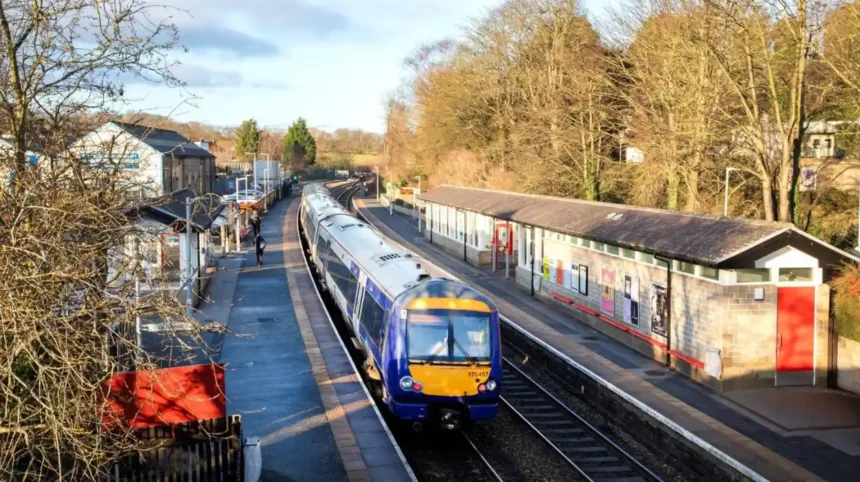
The suburb has three main transport advantages. The first is its railway connection through Horsforth railway station, which links the area with Leeds and other regional destinations. The second is its bus network connecting Horsforth with Leeds city centre and nearby communities. The third is its network of footpaths, green corridors, and residential streets suitable for walking.
A visitor arriving without a car can create a complete day itinerary by using public transport for arrival and walking between local attractions. A typical route starts at Horsforth railway station, continues towards Town Street, explores local cafés and shops, then moves towards Horsforth Hall Park or nearby walking routes.
The absence of a car also reduces dependence on parking availability. Horsforth’s popular streets and community areas experience regular local activity, making walking a practical way to understand the character of the area.
What public transport options connect Horsforth with Leeds and nearby areas?
Horsforth has reliable public transport connections through railway services and bus routes, allowing visitors to reach Leeds city centre, surrounding districts, and regional destinations without using a car.
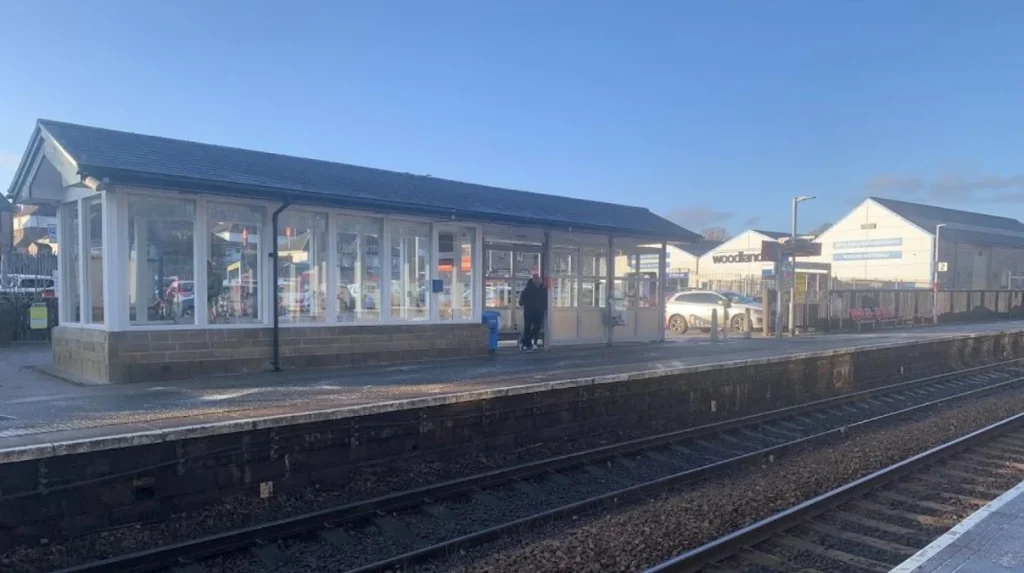
The main rail connection is Horsforth railway station, which provides services towards Leeds and other destinations on the local rail network. The station has been developed to support increasing passenger use, including improved facilities and accessibility features.
Rail travel is useful for visitors staying in Leeds city centre who want to spend several hours exploring Horsforth. The journey provides a direct alternative to driving and avoids city-centre parking costs.
Bus travel provides another important transport method. Services connect Horsforth with Leeds city centre and surrounding areas. Routes including the 50, 30, and 33A have historically provided connections between Leeds and Horsforth.
Bus stops are positioned around key areas including Town Street and New Road Side, allowing visitors to access restaurants, shopping areas, and walking routes. Bus travel is particularly useful for visitors staying away from the railway station area.
For digital nomads and domestic business travellers, public transport creates flexible access to Horsforth’s cafés, university areas, and community spaces. Leeds Trinity University is based in Horsforth and contributes to the area’s active daytime population.
Visitors planning a car-free trip should check current timetables before travelling because bus frequencies and railway schedules change according to weekday, weekend, and seasonal services.
Explore more Area Guide
Top Reviewed Restaurants in Leeds 2026
Leeds Local Elections: Labour Loses Control – Leeds
Which parts of Horsforth are best explored on foot?
Horsforth is highly suitable for walking because its main streets, parks, heritage locations, and leisure areas are connected through short pedestrian journeys that reveal the suburb’s historic and modern identity.
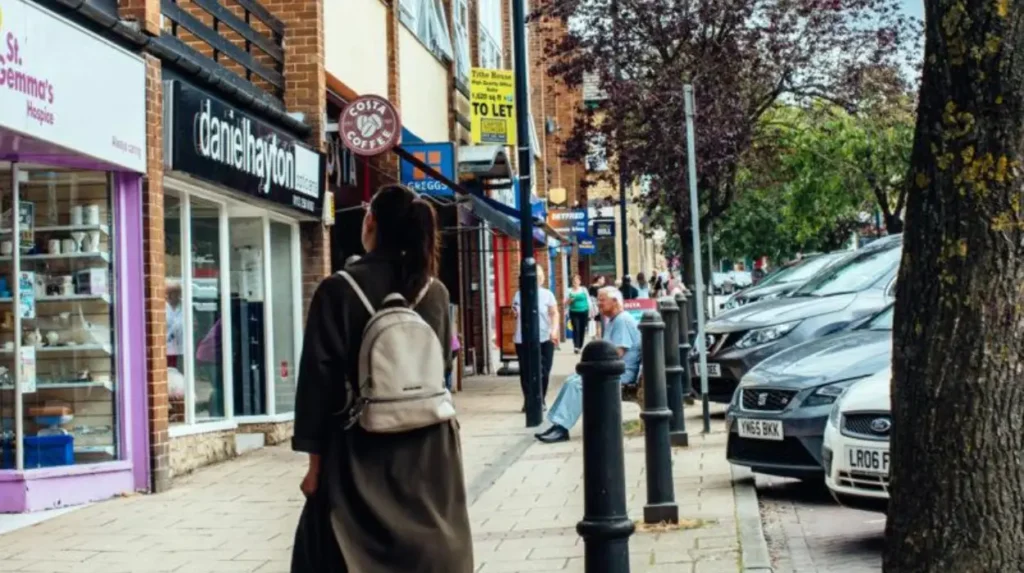
The most accessible walking area begins around Horsforth Town Street. This historic commercial street contains independent businesses, cafés, restaurants, and local services. It represents the modern centre of community activity.
New Road Side provides another pedestrian-friendly area with food, drink, and retail options. Visitors can move between Town Street and New Road Side while experiencing different parts of Horsforth’s urban character.
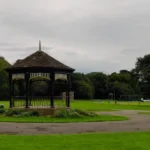
Horsforth Hall Park is one of the most important walking destinations. The park provides open green space, paths, recreational areas, a Japanese garden, and family facilities. It is a major leisure destination for visitors who want outdoor activities without travelling outside the suburb.
Walking also provides access to the area’s natural landscape. Horsforth sits near waterways and countryside corridors connected with west Leeds. Canal-side paths and green routes provide opportunities for longer walks away from busy roads.
The walking experience reflects Horsforth’s historical development. The settlement grew around movement routes, waterways, farming land, and later industrial connections.
As you explore the modern streets and walking routes, you are crossing land shaped by centuries of development. Read about the full [Helping visitors explore Horsforth using walking and public transport] to understand its origins and transformation from an ancient settlement into a modern Leeds community.
What are the best local attractions to visit without driving?
Horsforth offers several attractions that are accessible by walking and public transport, including museums, parks, university spaces, cafés, heritage locations, and community venues that showcase local culture.
The Horsforth Village Museum provides insight into the area’s development through historic objects, exhibitions, and community archives. The museum documents everyday life, industries, and social changes that shaped Horsforth.
Horsforth Hall Park remains one of the most popular outdoor destinations. Its landscaped gardens, walking paths, and recreational facilities make it suitable for families, walkers, photographers, and visitors seeking quiet outdoor spaces.
Leeds Trinity University adds another important feature to Horsforth’s identity. Established as a higher education institution within the suburb, it contributes to the area’s student population, cultural activities, and academic environment.
Visitors without cars can also explore local food and hospitality venues. Town Street and surrounding areas contain independent cafés, restaurants, and bars that support day trips and evening visits.
The compact arrangement of these attractions means visitors can combine multiple experiences in one walking route. A morning museum visit, afternoon park walk, and evening meal are achievable without private transport.
Can you explore Horsforth without a car?
Yes, Horsforth is easy to explore without a car because it has railway connections, regular bus services, walkable streets, green spaces, cafés, shops, and attractions located close together. Visitors can explore key areas such as Town Street, Horsforth Hall Park, and local heritage sites on foot.