

Key Points:
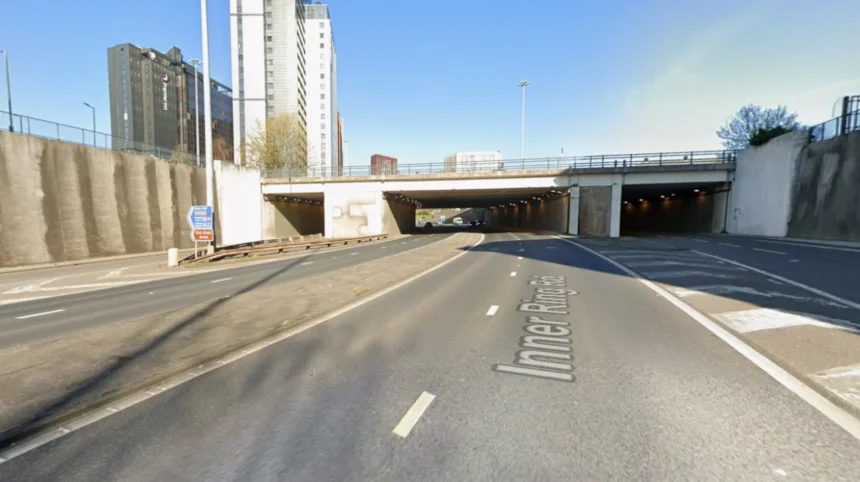
- Essential structural maintenance works on retaining walls along the Leeds Inner Ring Road are scheduled to commence on Tuesday, 1 September 2026.
- The repair scheme will be focused on the stretch located between Woodhouse Tunnel and Woodhouse Lane.
- To limit day-time traffic disruption, operations will take place overnight between 7:00 pm and 5:00 am using temporary traffic management systems, lane restrictions, and road closures.
- The maintenance phase is projected to span approximately 15 weeks, concluding in November 2026.
- Serving over 90,000 vehicles daily, many of the highway’s supporting retaining walls were built over 50 years ago and have reached or surpassed their intended design lifespan.
- This project forms the opening phase of a multi-stage, long-term structural maintenance initiative, with Phase 2 planned for early 2027 subject to funding approvals.
- Councillor Peter Carlill, Leeds City Council’s executive member for transport and planning, highlighted that proactive repairs will prevent severe emergency closures and preserve long-term highway safety.
Leeds (The Leeds Times) August 20, 2026 – Motorists are being warned to prepare for overnight travel disruptions as essential maintenance works on the retaining walls along the Leeds Inner Ring Road begin next month. The vital structural repair scheme, positioned between Woodhouse Tunnel and Woodhouse Lane, is set to start on Tuesday, 1 September 2026, and will run for approximately 15 weeks, with completion targeted for November 2026. The local arterial route carries upwards of 90,000 vehicles each day, serving as a core component of the city’s overall transport infrastructure.
- Key Points:
- What Is The Scope Of The Upgrades Between Woodhouse Tunnel And Woodhouse Lane?
- How Will The Overnight Road Closures Impact Daily Travel Across Leeds?
- What Statement Has Leeds City Council Issued Regarding Road Safety And Disruptions?
- What Is The Long-Term Plan For The Leeds Inner Ring Road Overhaul?
What Is The Scope Of The Upgrades Between Woodhouse Tunnel And Woodhouse Lane?
The upcoming repairs form the initial phase of a major, long-term structural overhaul targeted at protecting and renewing the critical highway network. The physical works focus primarily on maintaining and stabilizing the concrete and masonry retaining walls that support the sunken sections of the carriageway.
A substantial portion of these retaining structures were original installations erected more than 50 years ago during the initial construction of the Inner Ring Road. Council engineers have identified that these assets are now approaching or exceeding their original theoretical design life, necessitating immediate, planned intervention to extend their operational viability.
How Will The Overnight Road Closures Impact Daily Travel Across Leeds?
To mitigate gridlock for daytime commuters, local transport planners have scheduled the vast majority of operations to occur strictly during night hours, operating between 7:00 pm and 5:00 am. During these active working windows, contractors will deploy temporary traffic management protocols.
The site setup will necessitate intermittent lane restrictions as well as full overnight carriageway closures along specific segments where heavy machinery is required. Clear detour signage and official signed diversion routes will be established throughout the surrounding road network to guide motorists past the restricted zones safely. Drivers expecting to travel through the area during overnight hours are advised to check real-time traffic updates, plan their routes ahead of time, and budget additional travel time. Detailed traffic management arrangements and live updates will be published continuously via the Connecting Leeds website and associated official communications channels.
What Statement Has Leeds City Council Issued Regarding Road Safety And Disruptions?
Addressing the upcoming traffic management measures, Councillor Peter Carlill, Leeds City Council’s executive member for transport and planning, explained that the strategic intervention is vital to safeguard the city’s transport infrastructure.
As reported, Councillor Peter Carlill stated that
“The Inner Ring Road is one of Leeds’ most important transport routes, carrying thousands of journeys every day and helping traffic avoid some of our busiest city centre streets.”
Highlighting the physical age of the infrastructure, Councillor Peter Carlill noted that
“Many of the structures supporting the route were built decades ago and now require investment to ensure they remain safe and reliable for the future.”
Elaborating further on the preventive nature of the project, Councillor Peter Carlill stated that
“These works are about taking a planned approach to maintaining our infrastructure, reducing the risk of more substantial problems developing in the future. It will help avoid emergency repairs and unplanned closures, which can cause much greater disruption for road users.”
Acknowledging the inconvenience facing local drivers, Councillor Peter Carlill added that
“We appreciate there will be some temporary disruption while the repairs are carried out and would like to thank people for their patience and understanding.”
What Is The Long-Term Plan For The Leeds Inner Ring Road Overhaul?
The 15-week retention wall repair project represents only the first phase of a broader asset preservation effort across the Inner Ring Road network. Pending necessary formal funding approvals, municipal authorities anticipate initiating the second major phase of structural works in early 2027. The consecutive project stages aim to sequentially restore adjoining tunnels, bridges, and supporting embankments along the 2.5-mile urban highway corridor.
Background Of The Leeds Inner Ring Road Maintenance Scheme
The Leeds Inner Ring Road (primarily designated as the A64(M) and A58(M)) is an urban motorway and trunk road complex constructed in distinct stages between 1964 and 1975. Engineered to bypass central commercial districts, the sunken urban highway system incorporates an array of civil engineering assets, including twin-deck concrete tunnels, elevated flyovers, deep cuttings, and miles of reinforced retaining walls.
Because many of these primary concrete structures were constructed in the mid-1960s, decades of high-volume heavy vehicular traffic, atmospheric exposure, and winter de-icing salt treatments have naturally degraded the structural materials. In recent years, local transport authorities have shifted toward a long-term preventive asset management strategy under the “Connecting Leeds” banner. This strategy prioritises scheduled multi-phase maintenance interventions to systematically upgrade aging assets—such as the Woodhouse Tunnel and Woodhouse Lane retaining walls—before structural fatigue triggers emergency closures or major structural failures.
Explore More Local Leeds News
Major Upgrade Planned for Ambulance Station in Seacroft, Leeds 2026
New Owners Launch Major Restoration at Historic Thwaite Mills Stourton 2026
Predictions: How Will This Development Affect Motorists And Local Businesses?
The multi-week maintenance scheme will have direct operational consequences for several key demographics across the Leeds metropolitan area:
- Overnight Commuters and Freight Operators: Commercial freight hauliers, late-shift hospital staff at the nearby Leeds General Infirmary, emergency services, and night-economy workers will experience longer journey times and detour delays due to 7:00 pm to 5:00 am lane restrictions and closures.
- Local Residents in Surrounding Neighbourhoods: Residents living along designated diversion corridors—particularly around Woodhouse, Little London, and northern city centre edges—may experience localized increases in traffic volume, light pollution, and noise during the overnight operational hours.
- Daytime Motorists: Although the daytime traffic flow (5:00 am to 7:00 pm) is intended to remain largely clear, minor delays may occasionally occur during morning peak hours if overnight traffic management teardowns are delayed or if temporary road markings alter normal lane capacities.
- Long-Term Network Reliability: In the broader landscape, the preventive maintenance project will benefit local businesses and daily commuters by preventing sudden, unannounced carriageway closures. By proactively reinforcing structural integrity now, the city reduces the likelihood of catastrophic infrastructure degradation, keeping Leeds’ main traffic artery operational for years to come.