Key Points
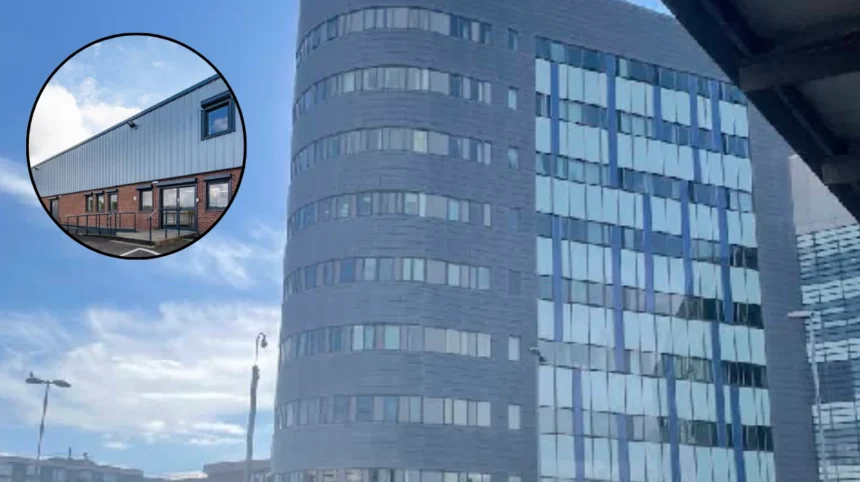
- Full planning permission has been granted by Leeds City Council for the conversion of a vacant industrial warehouse at Dolly Lane in Burmantofts, east Leeds, near St James’s University Hospital.
- The development will introduce indoor padel courts, a Pilates studio, and a bar to the previously vacant site.
- Public consultation yielded one letter of objection citing road safety concerns and a lack of affordable parking for hospital staff, alongside one letter in support.
- Council planning officers dismissed the objection, highlighting that the site occupies a sustainable location with good connectivity to public transport and the wider highway network, and that vehicle tracking demonstrates safe manoeuvrability, including for refuse vehicles.
- A design report submitted by CPW Planning indicated that the project will generate new employment opportunities and maximize the site’s economic contribution.
- Citing data from the UK Padel Report 2025, the application noted that the number of UK padel courts surged from fewer than 40 in 2016 to 710 by the end of 2024.
- The formal decision notice approving the scheme was issued on September 3.
Leeds (The Leeds Times) September 5, 2025 —Full planning permission has been granted by Leeds City Council for the conversion of a vacant industrial warehouse into a multi-purpose racket sport and wellness facility located at Dolly Lane in the Burmantofts area of east Leeds. Situated near St James’s University Hospital, the approved scheme aims to breathe new economic life into a vacant brownfield unit by introducing indoor padel courts, a dedicated Pilates studio, and an on-site bar.
As detailed in the proposal documents, the project addresses a surging regional demand for modern racket sport facilities. However, the application process drew mixed responses from the local community, capturing both pushback and backing during the public consultation phase.
What Concerns Were Raised by Objectors Regarding the Scheme?
Local feedback submitted to the local authority included a formal letter of objection focusing heavily on logistical and infrastructure pressures in the immediate vicinity of St James’s University Hospital. The objector raised notable road safety concerns and pointed to a perceived “lack of affordable parking for hospital staff,” warning local planners that the commercial redevelopment “will make the situation worse.”
Despite these neighborhood reservations, the council also received formal correspondence expressing explicit support for the repurposing of the vacant industrial land.
How Did Council Planners Justify Approving the Application?
Addressing the logistical concerns raised during consultation, a comprehensive council planning officer’s report concluded that the location is well-equipped to handle anticipated traffic volumes. As detailed within the municipal evaluation:
“The site occupies a sustainable location with good connectivity to the wider highway network and public transport services.”
Furthermore, municipal transport assessments confirmed that potential congestion risks had been thoroughly evaluated. The planning officer’s report added:
“Vehicle tracking demonstrates that vehicles can safely enter, pass and manoeuvre within the site, including refuse vehicles and those requiring access to the substation.”
What Are the Economic and Industry Drivers Behind the Project?
Supporting statements outlined in a design report prepared by CPW Planning emphasize that the redevelopment will deliver substantial commercial and employment benefits to the east Leeds suburb. The design report stated:
“The proposed change of use will generate new employment opportunities and bring vacant premises back into economic use, thereby maximising the site’s contribution to the local economy.”
The development capitalizes on the exponential national rise of padel across the United Kingdom. Citing empirical data from the sector, the CPW Planning design report noted:
“Based on key findings from the UK Padel Report 2025, the number of UK padel courts increased from fewer than 40 in 2016 to 710 by the end of 2024.”
Following the completion of the local authority’s statutory review process, formal full planning permission for the Dolly Lane transformation was granted in an official decision notice issued on September 3.
Explore More Local Leeds News
Leeds City Council Approves £30.6m SEND School Expansion in Belle Isle 2026
Leeds Station £46M Revamp Opening Delayed Again: Leeds 2026
Background of the Particular Development
The approval of the Dolly Lane scheme arrives amidst a broader nationwide boom in racket sports, with padel emerging as one of the fastest-growing participation activities in Europe and the UK. Historically dominated by traditional tennis and squash infrastructure, urban centers across Yorkshire have experienced an acute shortage of courts capable of meeting recreational demand. Industrial brownfield conversions have increasingly become a primary vehicle for local authorities looking to repurpose empty commercial spaces without encroaching on greenbelt land.
By integrating health and leisure concepts—such as padel, Pilates, and hospitality amenities—into urban neighborhoods near major hubs like hospitals and transport corridors, planners are attempting to balance economic regeneration with community health initiatives.
Prediction and Impact on the Particular Audience
For local residents, healthcare workers at St James’s University Hospital, and fitness enthusiasts in east Leeds, this development will significantly alter the local commercial and traffic landscape. While sports enthusiasts and job seekers will benefit from new recreational infrastructure and employment opportunities created by the facility, local motorists and hospital staff may experience heightened competition for neighborhood movement and nearby parking infrastructure despite council assurances regarding traffic management.
Over the coming months, the successful execution of the Dolly Lane site will likely set a municipal precedent for how similar industrial conversions are vetted and integrated into densely populated urban-medical districts across West Yorkshire.