
Key Points
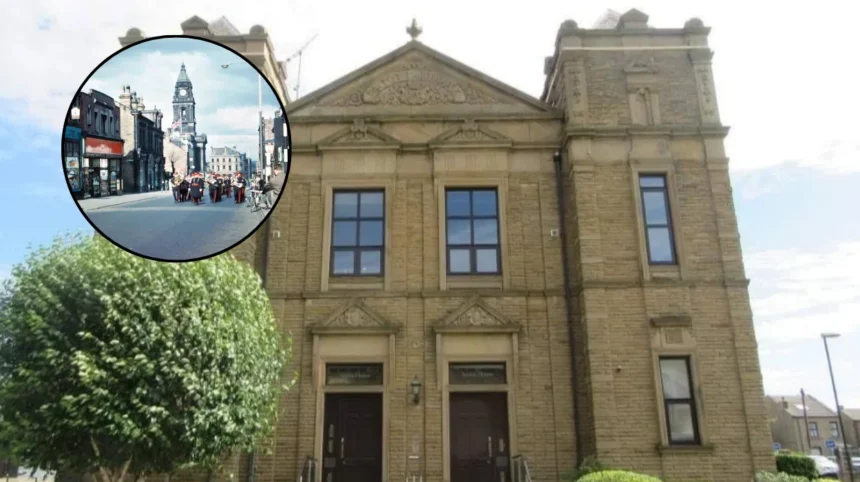
- A series of rare colour photographs from the 1960s showcasing life in Morley has been highlighted, offering a vivid glimpse into a pivotal decade of local history.
- The images feature iconic local landmarks, everyday street scenes, and the vibrant community spirit of the town during a period of significant social change.
- The collection is preserved and published courtesy of the David Atkinson Archive, an extensive historical repository housed on the Leodis digital platform.
- Leodis is managed by the Leeds Library & Information Service, which also oversees The Secret Library Leeds heritage blog.
- The archive underlines Morley’s fierce pride in its independent identity, heritage, and rich industrial history.
Morley (The Leeds Times) September 9, 2026 – A spectacular collection of historical photographs has emerged, bringing the vibrant history of 1960s Morley into sharp focus through rich, full-colour imagery. These photos offer an unprecedented look into the daily lives, architectural landscape, and distinct character of the South Leeds town during a decade defined by rapid modern development and deep-rooted community traditions. The archive captures everything from bustling high streets and historic public houses to quiet residential corners, providing a visual record of a community proudly holding onto its independent heritage amidst wider regional transformations.
- Key Points
- What do these newly highlighted 1960s photos reveal about Morley?
- Who preserved these historical colour images of South Leeds?
- Why does the 1960s remain a significant decade for Morley’s heritage?
- Background of the particular development
- Prediction: How this development will affect local residents and nostalgia enthusiasts
What do these newly highlighted 1960s photos reveal about Morley?
The historical collection provides a rare visual window into a decade that reshaped many post-industrial towns in West Yorkshire. While black-and-white photography was the standard for local documentation during the mid-20th century, these vibrant colour pictures capture the authentic atmosphere of Morley in full detail. Viewers can observe the period-specific vehicles, fashion, street signage, and architectural features that defined the town more than half a century ago.
The images focus heavily on local landmarks, showing the structural heart of Morley before subsequent urban regeneration projects altered portions of the landscape. Beyond the bricks and mortar, the photographs capture the people of Morley—highlighting a close-knit population engaged in daily civic life, local trade, and public gatherings.
Who preserved these historical colour images of South Leeds?
The images are made publicly accessible courtesy of the David Atkinson Archive, a prominent photographic collection dedicated to capturing the visual history of Leeds and its surrounding townships. The collection is hosted digitally on Leodis, an extensive online photographic archive run directly by the Leeds Library & Information Service.
Through Leodis, thousands of historic images are catalogued and preserved for public viewing, local research, and educational purposes.
Complementing the Leodis archive, the Leeds Library & Information Service also operates The Secret Library Leeds, a dedicated heritage blog.
This platform offers a behind-the-scenes look at the Leeds Central Library, showcasing highlights from its special collections, including rare historical manuscripts, local studies materials, and archived literature hidden away within the library’s vast stacks.
Why does the 1960s remain a significant decade for Morley’s heritage?
The 1960s marked a crucial transitional phase for Morley. Historically famous for its thriving textile industries—particularly its heavy woollen trade and stone quarrying—the town began to navigate the early shifts of Britain’s post-war industrial landscape during this era. Despite these broader economic changes, the community maintained a fierce sense of independent identity.
Though administratively connected to the broader Leeds area, Morley has historically guarded its distinct civic pride, municipal history, and town traditions. The photographs capture this balance between historical continuity and modern progress, documenting long-standing local establishments alongside the subtle emergence of 1960s culture.
Explore More Morley News
Man Arrested for Anti Social Behaviour in Morley Leeds 2026
£62k Grant to Improve Pedestrian Access at Morley Railway Station 2026
Background of the particular development
The release and continued digitisation of local photographic archives form part of a broader effort by municipal bodies to safeguard West Yorkshire’s cultural heritage. Morley, situated southwest of Leeds city centre, holds a rich history stretching back to the Domesday Book of 1086.
Throughout the 19th and early 20th centuries, it flourished as a key manufacturing hub, renowned worldwide for producing “shoddy” cloth—a recycled wool fabric that drove the local economy.
By the mid-20th century, shifts in global manufacturing led to the gradual decline of traditional textile mills, prompting the town to adapt socially and economically. During this period, civic documentation became increasingly vital. Collectors like David Atkinson played a key role in preserving visual evidence of these shifting urban spaces.
The establishment of digital repositories such as Leodis by the Leeds Library & Information Service ensured that physical photographic prints, slides, and negatives were safeguarded against deterioration, allowing future generations, historians, and local residents to access high-resolution records of their town’s past.
Prediction: How this development will affect local residents and nostalgia enthusiasts
This ongoing visual showcase is set to have a meaningful cultural and social impact on several key demographic groups:
For older residents who lived through the 1960s, the publication of these high-definition colour photographs serves as an authentic memory anchor. It reinforces local pride and offers a tangible connection to personal and family histories. For younger generations living in Morley today, these visual records foster a deeper appreciation of their town’s unique heritage, helping them understand how their everyday surroundings evolved over time.
The accessibility of the David Atkinson Archive via Leodis provides academic and amateur historians with rich, primary-source visual data. Colour photography from this era is relatively scarce compared to monochrome records, making these images invaluable for studying mid-20th-century architectural preservation, urban planning, social history, and commercial development in West Yorkshire.
The distribution of these images across digital channels and social media groups dedicated to Leeds and South Leeds nostalgia is predicted to drive sustained community engagement. Archives like these regularly spark widespread public conversation, encouraging community members to share personal anecdotes, identify forgotten locations, and contribute additional historical photos to public records. This continuous interaction helps keep local history active, accessible, and relevant in the digital age.