
Key Points
- Leeds City Council has announced a timeline specifying that building repairs on Lower Kirkgate are scheduled to finish by March 2027.
- The historic thoroughfare has faced major traffic closures since April 2024, when an 18th-century structure partially caved in.
- A contract valued at £680,000 has been officially awarded to construction firm Geo Houlton and Sons to conduct the stabilization work.
- The upcoming repair scheme is slated to span a duration of approximately 20 weeks, getting underway later this month.
- Legal complications arose following the incident after the local authority served formal notices on the private property owners.
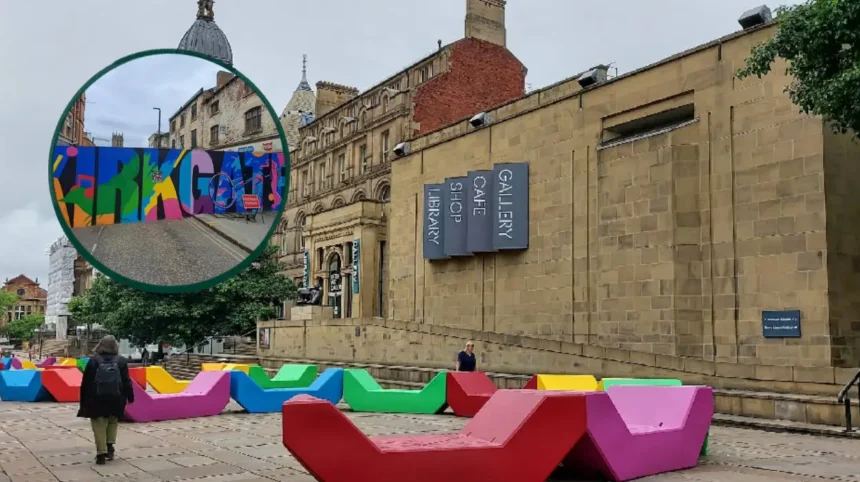
Leeds (The Leeds Times) October 7, 2026 – Leeds City Council has set out its latest timeline for building work on Lower Kirkgate, which is among the city’s oldest streets. In April 2024, one of the 18th-century buildings caved in, leading to the road being closed to traffic. Efforts to have repairs carried out ran into complications after the council served a legal notice on the owners. The council confirmed it had awarded a £680,000 contract to Geo Houlton and Sons and the 20-week repair scheme would start later this month. A council report noted:
“The proposed contract start date is October 19, with a completion date of March 22, 2027.”
What Caused the Prolonged Closure of Lower Kirkgate?
The thoroughfare, located close to the historic Leeds Corn Exchange, has remained shut to vehicular traffic since the unexpected structural failure more than two years ago. As reported by Don Mort, Local Democracy Reporter for Leeds Live, the expense of undertaking postponed repairs on the historic route escalated significantly over the course of the planning phase.
The local authority subsequently set aside an initial £700,000 to cover the projected costs of the emergency interventions, with the long-term intention of recovering expenditures directly from the property owners after serving Urgent Works Notices under the Planning (Listed Buildings and Conservation Areas) Act 1990.
How is Leeds City Council Handling the Private Property Owners?
Following months of complex administrative and design hurdles, the local authority pursued legal routes when the private custodians failed to initiate timely restoration. Addressing the behind-the-scenes complications, a council spokesperson stated:
“We are pleased that, following months of careful planning and preparation, we are now in a position to begin stabilising these privately owned buildings.”
Furthermore, local government officials emphasized that while the physical progress visible to casual observers appeared slow, extensive engineering challenges had to be systematically addressed. The council report added that actions taken under the statutory notices remain subject to the owner’s right to make formal representations to the Secretary of State.
What Are the Expected Benefits of the £680,000 Stabilization Scheme?
The chosen contractor, Geo Houlton and Sons, faces a concentrated 20-week schedule intended to make the precinct safe. Highlighting the core objectives of the initiative, a council spokesperson explained:
“The temporary repair of the buildings will mitigate the risk of further building failure and the threat to public safety. It will also improve the trading conditions of local businesses and safeguard the regeneration of this part of the city centre.”
Local civic groups, including the Leeds Civic Trust, have previously voiced concerns regarding the condition of heritage assets along the ancient corridor, welcoming firmer municipal intervention to protect remaining historical architecture from prolonged decay.
Explore More Local Leeds News
Yorkshire Post Clock Tower Future Plans in Leeds 2026
Major Accessibility Overhaul Proposed for Morley Church, Leeds 2026
Background of the Particular Development
Lower Kirkgate is widely recognized as one of the foundational ancient routes of Leeds, featuring structures dating back to the 18th century. Over recent decades, parts of the street experienced economic shifts and periods of building neglect.
The partial collapse in April 2024 exacerbated long-standing concerns regarding heritage management and public safety in the city centre. Because the buildings involved are privately owned, local authorities had to navigate strict statutory protocols—such as issuing Urgent Works Notices under heritage conservation legislation—before committing public funds to stabilize the structures and work toward reopening the vital urban link.
Prediction
This development directly affects local business owners, commuters, pedestrians, and heritage conservation groups operating around the Leeds Corn Exchange district. With a finalized completion target set for March 2027, local enterprises that have suffered from restricted footfall and prolonged traffic cordons will continue to face trading adjustments in the short term.
However, the stabilization scheme provides a structured pathway toward removing safety hazards, restoring commercial viability, and eventually reopening the road network, ultimately safeguarding the broader regeneration framework designated for the city’s historic core.