Key Points
- Morley Community Church in Leeds has lodged a formal planning application with Leeds City Council targeting essential infrastructure upgrades.
- The proposals center on introducing ramped access to solve mobility challenges for worshippers and visitors who find entering the building difficult.
- Plans also include comprehensive upgrades to facility washrooms to modernize amenities for the congregation.
- Revisions to on-site parking layouts have been carefully coordinated to ensure that the adjacent historical graveyard and burial plots remain completely undisturbed.
- A public consultation period for the development project is currently open, running until October 27.
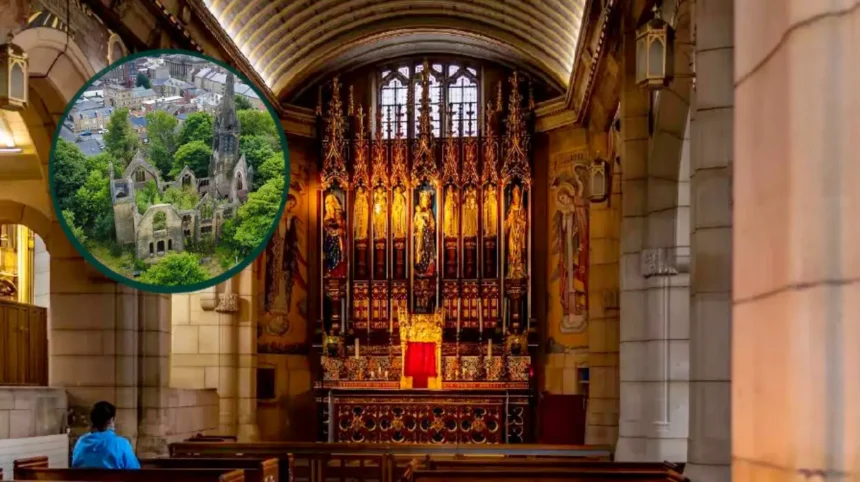
Leedsh (The Leeds Times) October 7, 2026 —As reported by Local Democracy Reporter Don Mort of Newsquest Media Group, Morley Community Church has formally advanced plans seeking local government approval to execute a series of significant structural and infrastructural modifications. The core objective behind the newly filed proposals is to tackle long-standing accessibility barriers that have historically hindered elderly attendees, disabled visitors, and vulnerable worshippers attempting to navigate the building’s entrance.
Why Are These Accessibility Improvements Being Proposed Now?
The historic place of worship, operating out of Zion Chapel, has experienced mounting pressure to modernise its physical footprint to match contemporary standards of inclusivity. According to details revealed in the regulatory filings submitted to local authorities, the facility design previously created physical obstacles for individuals relying on wheelchairs, walking frames, or those simply struggling with standard steps.
As detailed by Local Democracy Reporter Don Mort, the project introduces a dedicated, purpose-built ramped access scheme designed to provide a smooth, graded slope from the exterior grounds directly into the main body of the church.
This intervention aims to eradicate the physical exclusion felt by members of the community who have previously had to rely on physical assistance or avoid attending services altogether due to architectural limitations.
What Other Facility Upgrades Are Included in the Plans?
Beyond the creation of external ramps to facilitate smoother entry, the architectural scheme addresses internal amenities that fall short of modern public building requirements. The proposals outline a comprehensive overhaul of the existing washrooms and sanitation infrastructure.
As highlighted by Local Democracy Reporter Don Mort, upgrading the toilets forms a critical secondary pillar of the development strategy, ensuring that worshippers spending extended periods at the church have access to modern, compliant facilities.
Church trustees and project planners have stressed that these internal enhancements are vital for supporting community groups, youth meetings, and regular weekly services that cater to a diverse demographic spanning all age groups.
How Will the Construction Affect the Surrounding Grounds and Parking?
With any development involving historic religious sites, concerns regarding spatial disruption and heritage preservation naturally arise. The latest filings clarify that modifications extend to the site’s vehicular arrangement, prompting thorough environmental and spatial checks.
Addressing potential community apprehensions regarding spatial encroachment, planning documents state:
“The existing graveyard and its burial plots will therefore remain undisturbed by changes to parking arrangements.”
Project coordinators have structured the parking layout adjustments to optimize space utilisation without compromising the sanctity or physical integrity of the historical burial grounds situated on the property.
What Are the Next Steps in the Planning Process?
The local planning authority is currently processing the submission, and public engagement remains an active component of the legislative review. Local residents, regular attendees, and interested community members have been invited to inspect the blueprint details and submit formal feedback.
The statutory public consultation window has been officially scheduled to run until October 27, giving stakeholders ample opportunity to voice their perspectives before municipal planners move toward a final determination.
Following the conclusion of this consultation period, the council’s planning committee will weigh the community responses against regional zoning and heritage guidelines before casting a final vote on whether to grant formal planning permission.
Explore More Local Leeds News
A64 Crash Inquest: Driver Died High Speed Crambeck 2026
Morley Community Church Proposes Major Accessibility Upgrades in Morley 2026
Background of the Development
The movement toward enhancing accessibility within religious and community buildings across West Yorkshire reflects a broader regional push to modernize aging architectural infrastructure. Many traditional chapels and churches across Leeds were constructed during eras when universal accessibility and disability legislation were not factored into structural blueprints. Over recent years, local faith groups have faced increasing social and moral obligations—supported by shifting regulatory expectations from Leeds City Council—to retrofit historic properties.
Morley Community Church’s latest initiative follows a pattern of local institutions seeking sensitive ways to blend heritage preservation with inclusive design, ensuring that community spaces remain open, welcoming, and navigable for every member of the public regardless of physical capability.
Prediction
This development is poised to significantly affect the local congregation and vulnerable members of the wider Morley community by eliminating physical exclusion and fostering a truly inclusive environment. For elderly residents and individuals with restricted mobility who previously struggled with the building’s threshold, the installation of ramped access and modernized facilities will restore their independence and ability to participate actively in communal worship and social gatherings.
Furthermore, by successfully upgrading its infrastructure without disturbing the historical graveyard, the church sets a positive precedent for other heritage sites in Leeds looking to balance modern accessibility standards with historical preservation. If approved, these improvements will likely drive higher engagement, attract new demographic groups who previously found the venue inaccessible, and cement the church’s role as a fully accessible hub for neighborhood life.