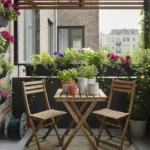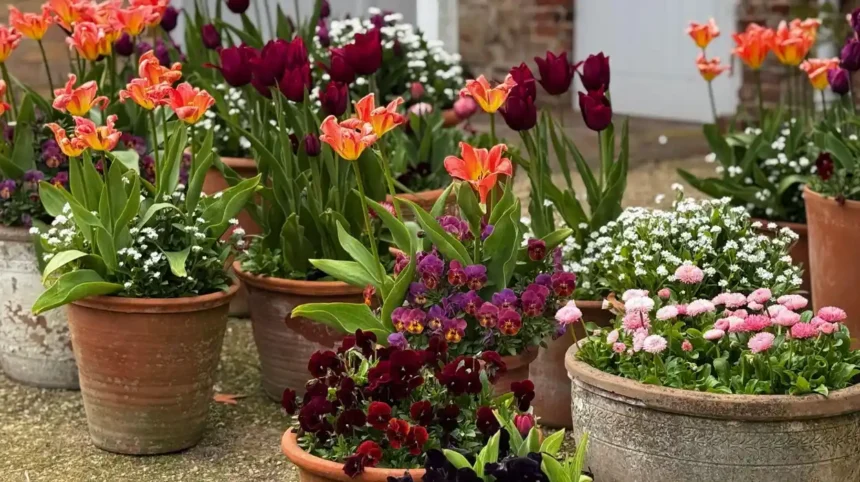
Headingley, in north-west Leeds, offers a variety of opportunities for urban gardening. Its residential streets feature traditional Victorian and Edwardian properties, modern apartments, terraced houses and shared outdoor spaces. These different housing types create gardening opportunities for residents with large gardens, small courtyards, balconies, window boxes and container-growing areas.
- What Makes Seasonal Gardening Important for Urban Homes in Headingley?
- How Does Headingley’s Climate Influence Gardening?
- Why Does Urban Gardening Require Different Planning?
- How Should Headingley Residents Prepare Their Urban Gardens in Spring?
- What Gardening Tasks Should Residents Complete in March?
- Which Plants Are Suitable for April Gardening?
- When Should Tender Plants Be Moved Outdoors?
- What Gardening Activities Are Best for Headingley Homes in Summer?
- How Should Residents Water Plants During Summer?
- Which Vegetables Can Residents Grow During Summer?
- How Can Residents Maintain Summer Flowers?
- How Can Headingley Residents Maintain Their Gardens During Autumn?
- What Should Gardeners Plant in September?
- How Should Residents Manage Fallen Leaves?
- Which Autumn Tasks Protect Plants Before Winter?
- What Winter Gardening Tasks Keep Urban Gardens Healthy in Headingley?
- How Can Residents Protect Plants From Frost?
- Which Gardening Activities Are Suitable for December and January?
- What Should Gardeners Do in February?
- Which Plants Grow Best in Small Urban Gardens and Balconies in Headingley?
- Which Plants Suit Sunny Balconies?
- What Can Residents Grow in Shaded Gardens?
- How Can Residents Use Vertical Gardening?
- How Can Residents Improve Soil, Compost and Drainage in Urban Gardens?
- Why Is Compost Important for Urban Gardening?
- How Should Residents Prevent Waterlogging?
- Which Composting Methods Suit Small Properties?
- Where Can Residents Explore Community Gardening and Allotments in Headingley?
- Which Allotment Sites Are Associated With Headingley?
- How Can Residents Apply for an Allotment?
- How Can Community Gardening Benefit Headingley?
- How Can Seasonal Gardening Support Wildlife and Sustainability in Headingley?
- Which Plants Support Pollinators?
- How Can Residents Create Small Wildlife Habitats?
- Why Is Sustainable Water and Waste Management Important?
- How Can Visitors and New Residents Discover Headingley’s Gardening Culture?
- Where Can Visitors Find Local Gardening Inspiration?
- How Can New Residents Start Gardening in Headingley?
- How Can Residents Create a Year-Round Seasonal Gardening Schedule for Headingley?
Seasonal gardening involves adapting planting, watering, pruning, soil preparation and general plant care to changing weather conditions throughout the year. In Headingley, gardeners need to consider Yorkshire’s cooler spring temperatures, winter frosts, summer rainfall and changing daylight hours when planning their outdoor spaces.
Urban gardening does not require extensive land or specialist facilities. Residents can grow herbs, vegetables, flowering plants, fruit trees and wildlife-friendly species in relatively small spaces. Selecting suitable plants and following a seasonal maintenance routine helps maintain healthy gardens throughout the year.
The Royal Horticultural Society (RHS) provides practical guidance on seasonal planting, container gardening, soil improvement and sustainable garden management. Leeds City Council also supports local food-growing activities through its allotment network and community gardening initiatives.
This guide explains how Headingley residents can organise seasonal gardening activities, choose suitable plants and maintain productive urban gardens throughout the year.
What Makes Seasonal Gardening Important for Urban Homes in Headingley?
Seasonal gardening means adapting plant selection, planting schedules and maintenance activities to changing weather conditions throughout the year. In Headingley, understanding seasonal temperatures, rainfall, sunlight and frost risks helps urban gardeners protect plants and maintain productive outdoor spaces.
Seasonal gardening follows the natural growth cycle of plants. Different species require specific conditions for germination, flowering, fruit production and dormancy. Gardeners achieve better results when they organise these activities around local weather patterns rather than following a fixed calendar.
Headingley experiences the typical seasonal changes associated with West Yorkshire. Spring brings gradually increasing temperatures and longer daylight hours. Summer supports active plant growth, flowering and vegetable production. Autumn introduces cooler conditions and falling leaves, while winter brings shorter days, cold temperatures and occasional frost.
These changes influence how residents manage urban gardens.
How Does Headingley’s Climate Influence Gardening?
Leeds has a temperate maritime climate, characterised by relatively cool summers, mild-to-cold winters and rainfall throughout the year.
Historical climate averages for Leeds provide a useful reference for garden planning. Figures based on the 1991–2020 period indicate that July has an average temperature of approximately 16.5°C, while January averages approximately 4.8°C. These figures describe the wider Leeds area rather than individual Headingley gardens. UKStat+1
Gardeners should consider several local conditions:
- Frost exposure: Exposed gardens and elevated balconies experience colder conditions than sheltered courtyards.
- Rainfall: Persistent wet weather affects drainage, root development and container maintenance.
- Wind exposure: Open balconies and rooftop spaces experience stronger winds.
- Sunlight: Buildings and mature trees create shaded growing areas.
- Soil conditions: Established gardens, recently developed properties and paved spaces have different growing environments.
Understanding these factors helps residents select plants that suit their individual properties.
Why Does Urban Gardening Require Different Planning?
Urban gardens frequently have limited growing space. Terraced properties often have narrow rear gardens, while flats depend on balconies, patios and window boxes.
Buildings also influence temperature and sunlight. Brick walls absorb heat during the day and release it gradually. However, surrounding structures can restrict direct sunlight and create sheltered or shaded microclimates.
A microclimate is a small area with environmental conditions that differ from the surrounding location. For example, a south-facing courtyard receives more direct sunlight than a north-facing balcony.
The RHS recommends assessing sunlight, wind exposure, drainage and surrounding structures before choosing plants.

How Should Headingley Residents Prepare Their Urban Gardens in Spring?
Spring gardening focuses on preparing soil, starting seeds, planting hardy vegetables and improving outdoor spaces after winter. Headingley residents should gradually introduce new plants, remove damaged growth, improve drainage and monitor overnight temperatures before planting frost-sensitive varieties.
Spring generally runs from March to May in the UK. Increasing daylight encourages plants to produce new shoots, flowers and leaves.
For Headingley gardeners, spring is an important preparation period. Winter rain, frost and low temperatures often leave outdoor spaces requiring maintenance before the main growing season begins.
What Gardening Tasks Should Residents Complete in March?
March is suitable for assessing garden conditions and preparing growing areas.
Residents should begin by removing dead annual plants, clearing unwanted debris and checking containers for winter damage.
Useful March activities include:
- Cleaning garden pots and seed trays.
- Removing damaged or dead plant material.
- Preparing raised beds with garden compost.
- Dividing suitable established perennial plants.
- Starting tomato and pepper seeds indoors.
- Sowing hardy vegetables under suitable conditions.
Broad beans, spinach, radishes and early salad leaves provide suitable options for spring vegetable growing.
Residents with limited space can use seed trays placed on bright windowsills. Once seedlings develop sufficiently, they can be transferred into larger containers or outdoor growing beds when conditions are suitable.
Which Plants Are Suitable for April Gardening?
April brings longer days and increasing temperatures, although cold nights remain possible.
Gardeners can sow additional vegetables, including carrots, beetroot, lettuce and spring onions. Peas and other hardy vegetables also suit outdoor growing when soil conditions allow.
Flowering plants provide seasonal colour. Primroses, pansies, violas and hardy bulbs are useful options for containers and garden borders.
April is also suitable for:
- Preparing hanging baskets.
- Cleaning greenhouse structures.
- Supporting climbing plants.
- Removing weeds before they establish.
- Adding compost around established shrubs.
- Checking young plants for slugs and snails.
Waterlogged soil requires particular attention. Walking or working heavily on saturated ground increases compaction and damages soil structure.
When Should Tender Plants Be Moved Outdoors?
Tender plants require protection from frost and prolonged cold conditions.
Tomatoes, courgettes, cucumbers and bedding plants need warmer conditions than hardy spring vegetables. The RHS advises that tender plants should generally remain protected until night-time temperatures are consistently above 7°C. Some crops, including tomatoes, perform better when night temperatures exceed 10°C.
For Yorkshire and northern England, the RHS identifies the end of May as a typical guide for planting out tender plants, although sheltered urban gardens sometimes provide warmer conditions. RHS Advice
Residents should harden off indoor-grown plants before transferring them outdoors. Hardening off means gradually exposing young plants to outdoor temperatures, sunlight and wind over approximately two to three weeks.
This process reduces transplant stress and improves establishment.
What Gardening Activities Are Best for Headingley Homes in Summer?
Summer gardening concentrates on watering, harvesting, pruning, pest monitoring and maintaining flowering plants. Residents should monitor container moisture, support climbing vegetables, remove spent flowers and protect vulnerable plants during dry periods and unusually warm weather.
Summer provides the main growing and harvesting period for many urban gardens.
From June to August, vegetables produce edible crops, ornamental plants reach peak flowering and established shrubs develop new growth. However, warmer weather increases water requirements, particularly in pots and hanging baskets.
Headingley gardeners should maintain regular watering routines while avoiding unnecessary water consumption.
How Should Residents Water Plants During Summer?
Watering requirements depend on plant type, container size, sunlight exposure and soil conditions.
Small pots dry out faster than larger containers because they hold less growing medium. Hanging baskets also lose moisture quickly when exposed to direct sunlight and wind.
Residents should follow practical watering principles:
- Water early in the morning or later in the evening.
- Check soil moisture before watering.
- Direct water towards plant roots.
- Avoid repeatedly wetting foliage unnecessarily.
- Use saucers where appropriate for moisture-loving plants.
- Improve soil moisture retention with suitable organic mulch.
Mulching involves covering the soil surface with materials such as compost or bark. It reduces moisture loss, suppresses weeds and improves growing conditions.
Rainwater collection provides another useful option. Water butts connected to suitable downpipes store rainwater for later use.
Which Vegetables Can Residents Grow During Summer?
Summer supports several productive vegetables in containers and small gardens.
Tomatoes grow successfully in large pots positioned in sunny, sheltered locations. Dwarf varieties suit balconies and patios where space is restricted.
Other suitable summer crops include:
- Courgettes in larger containers.
- Lettuce in partial shade.
- Radishes in shallow planters.
- Runner beans with suitable climbing supports.
- Spring onions in window boxes.
- Strawberries in hanging baskets.
- Herbs such as basil, parsley and coriander.
Regular harvesting encourages continued production in many crops. Lettuce leaves, for example, can be harvested gradually while allowing the plant to continue growing.
Tomato plants also require routine maintenance. Removing side shoots from suitable cordon varieties directs growth towards fruit production.
The RHS June gardening guidance includes watering containers, harvesting salad crops, supporting plants and managing tomato growth among its recommended seasonal activities. June / RHS+1
How Can Residents Maintain Summer Flowers?
Flowering plants provide colour and support pollinating insects.
Geraniums, petunias, marigolds and cosmos are suitable examples for sunny containers and garden borders. Hardy geraniums, foxgloves and astilbes provide additional options for suitable garden conditions.
Deadheading means removing faded flowers before plants produce seeds. This encourages further flowering in many ornamental species.
Residents should also inspect plants for aphids, powdery mildew and other common garden problems.
Aphids are small sap-feeding insects that gather on young shoots and leaves. Regular inspection helps gardeners identify infestations before they spread.
Physical removal and encouraging natural predators provide useful approaches to managing minor infestations.
How Can Headingley Residents Maintain Their Gardens During Autumn?
Autumn gardening prepares urban outdoor spaces for colder weather while maintaining soil quality and supporting wildlife. Residents should collect fallen leaves, plant suitable spring bulbs, harvest remaining vegetables, protect vulnerable containers and improve garden drainage before winter arrives.
Autumn runs from September to November in the UK.
Temperatures gradually decline, daylight hours shorten and many plants begin preparing for winter dormancy. This period provides opportunities for planting, dividing established plants and improving outdoor spaces.
Autumn is also an important season for soil management.
What Should Gardeners Plant in September?
September combines relatively warm soil with increasingly cool air temperatures.
These conditions support root establishment for many hardy plants. Residents can plant spring-flowering bulbs such as:
- Daffodils.
- Crocuses.
- Snowdrops.
- Alliums.
- Grape hyacinths.
Bulbs should be planted at the depth recommended for their particular variety. Most require well-drained soil to prevent rotting.
September also provides suitable conditions for planting some hardy perennials, shrubs and fruit bushes.
Vegetable gardeners can sow winter salad leaves, spinach and suitable leafy crops under appropriate protection.
Residents with small gardens can use containers to grow spring bulbs. Combining different bulb varieties creates flowering displays across several weeks.
How Should Residents Manage Fallen Leaves?
Fallen leaves provide valuable organic material for urban gardens.
Instead of disposing of every leaf, residents can collect suitable leaves and produce leaf mould.
Leaf mould is decomposed leaf material used to improve soil structure and moisture retention.
The process involves collecting leaves in a suitable container or wire enclosure and allowing them to break down naturally.
Oak, beech and other deciduous tree leaves provide suitable materials. Thick leaves benefit from shredding because smaller pieces decompose more efficiently.
Leaf mould can support:
- Garden borders.
- Container growing.
- Soil improvement.
- Mulching around established plants.
Gardeners should avoid collecting leaves from diseased plants.
Which Autumn Tasks Protect Plants Before Winter?
Autumn maintenance reduces the risk of winter damage.
Residents should inspect drainage holes, remove damaged plant material and move vulnerable pots into sheltered locations.
Suitable autumn activities include:
- Cleaning empty containers.
- Removing diseased leaves.
- Cutting back damaged annual plants.
- Supporting climbing plants.
- Planting suitable bare-root fruit bushes.
- Adding compost to empty vegetable beds.
- Protecting vulnerable pots with suitable insulation.
Not every plant requires autumn pruning. Some ornamental grasses and perennial seed heads provide food and shelter for wildlife during winter.
Leaving selected stems standing also adds structure to gardens when most plants become dormant.
What Winter Gardening Tasks Keep Urban Gardens Healthy in Headingley?
Winter gardening focuses on protecting plants, maintaining drainage, managing containers and preparing for spring. Residents should monitor frost conditions, remove damaged growth, maintain garden structures and continue suitable indoor growing activities throughout the colder months.
Winter lasts from December to February.
Plant growth slows during this period because of reduced daylight and lower temperatures. However, gardens still require maintenance.
Headingley residents should pay particular attention to frost exposure, strong winds and excessive soil moisture.
How Can Residents Protect Plants From Frost?
Frost occurs when temperatures fall sufficiently for moisture on exposed surfaces to freeze.
Container-grown plants face particular risks because their roots receive less insulation than plants growing directly in the ground.
Residents can reduce frost damage through several measures:
- Move vulnerable pots beside sheltered walls.
- Wrap suitable containers with horticultural insulation.
- Raise pots slightly above wet surfaces.
- Group containers together in protected locations.
- Cover sensitive plants with horticultural fleece.
- Avoid leaving standing water in plant saucers during freezing conditions.
Horticultural fleece is a lightweight protective fabric that helps reduce heat loss around plants while allowing air and moisture movement.
Gardeners should check plant-specific winter hardiness before deciding which species need additional protection.
Which Gardening Activities Are Suitable for December and January?
December and January are suitable for planning and equipment maintenance.
Residents can inspect garden tools, clean empty pots and organise seeds for the next growing season.
Bare-root trees and shrubs are planted during their dormant season when soil conditions are suitable and the ground is not frozen or waterlogged.
Indoor gardening also provides opportunities to maintain greenery.
Houseplants such as spider plants, peace lilies and pothos grow indoors when provided with suitable light, watering and temperatures.
Herbs can also grow on bright windowsills. Parsley, chives and mint are practical options, although their growth rates depend on available light.
What Should Gardeners Do in February?
February marks the transition towards spring preparation.
Residents can begin sowing selected vegetable seeds indoors, including tomatoes, chillies and early salads.
Outdoor gardening should remain weather-dependent. Frozen soil and saturated beds are unsuitable for planting and cultivation.
February activities include checking seed supplies, cleaning greenhouses, preparing seed trays and planning vegetable-growing arrangements.
These tasks help residents begin the spring growing season with suitable equipment and prepared planting areas.
Which Plants Grow Best in Small Urban Gardens and Balconies in Headingley?
Small urban gardens benefit from compact plants, suitable container varieties and species selected for available sunlight. Headingley residents can grow herbs, salad vegetables, dwarf fruit trees and flowering plants in balconies, patios, window boxes and narrow residential gardens.
Choosing appropriate plants is essential when outdoor space is restricted.
Residents should consider mature plant size, root requirements, watering needs and exposure before purchasing plants.
The RHS identifies container gardening as a practical way to introduce ornamental plants, vegetables, fruit and herbs into restricted outdoor spaces. RHS+1
Which Plants Suit Sunny Balconies?
South-facing balconies generally receive more direct sunlight than north-facing spaces.
Suitable plants for sunny locations include:
- Lavender.
- Rosemary.
- Thyme.
- Geraniums.
- Strawberries.
- Compact tomato varieties.
- Dwarf fruit trees.
Lavender and rosemary prefer well-drained growing conditions. They are particularly suitable for containers with drainage holes.
Tomatoes and strawberries require more regular watering during active growth.
Residents should secure lightweight pots and climbing supports to prevent wind damage, particularly on upper-floor balconies.
What Can Residents Grow in Shaded Gardens?
Shaded gardens require plants that tolerate reduced direct sunlight.
The RHS distinguishes between different shade conditions, including light shade, partial shade and deep shade. Each condition supports different plant varieties. RHS Advice
Suitable options for partially shaded spaces include:
- Ferns.
- Hostas.
- Heucheras.
- Hardy geraniums.
- Primroses.
- Spinach.
- Lettuce.
- Chard.
Vegetables such as lettuce, spinach and chard tolerate light shade better than many fruiting crops.
However, very deep shade restricts plant growth and flowering. Gardeners should assess sunlight throughout the day before selecting varieties.
How Can Residents Use Vertical Gardening?
Vertical gardening uses walls, fences, shelves and climbing structures to maximise limited growing space.
It provides additional planting opportunities without occupying substantial floor area.
Residents can use:
- Wall-mounted herb planters.
- Hanging baskets.
- Vertical growing pockets.
- Trellises for climbing vegetables.
- Tiered plant shelves.
- Window boxes.
Climbing plants such as sweet peas and runner beans require suitable support.
Vertical systems also need secure installation. Heavy containers filled with wet compost place considerable pressure on brackets and walls.
Residents in rented accommodation should obtain permission before installing permanent fixtures.
How Can Residents Improve Soil, Compost and Drainage in Urban Gardens?
Healthy soil supports root development, water management and nutrient availability. Urban gardeners should improve soil structure with suitable organic materials, maintain drainage holes, select appropriate growing media and compost suitable household and garden waste throughout the year.
Soil is the foundation of successful gardening.
Healthy soil contains mineral particles, organic matter, air, water and living organisms. These components support plant roots and influence how efficiently nutrients and moisture move through the growing area.
Urban properties have different soil conditions. Established gardens often contain mature soil, while newly developed properties sometimes have compacted or disturbed ground.
Why Is Compost Important for Urban Gardening?
Compost is decomposed organic material used to improve soil structure and provide nutrients.
Leeds City Council encourages residents to compost suitable household and garden waste.
The council identifies two main categories of composting systems.
A standard garden composter accepts materials such as vegetable peelings, eggshells, fallen leaves, cardboard and soft garden prunings. The council states that this process generally takes six to twelve months.
Food waste composters, including systems such as Green Johanna and Green Cone, accept a wider range of food waste. The council states that these systems can produce compost in approximately three months. leeds.gov.uk
Composting helps residents reduce household waste while producing useful material for their gardens.
How Should Residents Prevent Waterlogging?
Waterlogging occurs when soil remains saturated and contains insufficient air for healthy root development.
Headingley gardens exposed to prolonged rainfall need effective drainage.
Residents should check:
- Whether containers have unobstructed drainage holes.
- Whether garden beds retain standing water.
- Whether paved areas direct rain towards planting spaces.
- Whether compacted soil restricts water movement.
- Whether raised beds would improve growing conditions.
Raised beds provide an alternative where existing soil drains poorly.
They also allow gardeners to control growing-medium quality and organise planting more efficiently.
The RHS identifies drainage problems as an important consideration in gardens affected by construction disturbance, compacted ground and persistent moisture. RHS Advice
Which Composting Methods Suit Small Properties?
Small urban properties can use compact composting arrangements.
A sealed compost bin fits into a courtyard or small garden where space is restricted. Residents with balconies can also explore suitable compact food-waste systems, subject to manufacturer guidance and property restrictions.
A balanced compost mixture contains green materials, such as vegetable peelings and grass cuttings, alongside brown materials, such as cardboard and dry leaves.
Excessively wet compost requires additional brown materials. Dry compost benefits from suitable green materials and moisture.
Finished compost can be applied to garden borders, raised beds and suitable containers.
Where Can Residents Explore Community Gardening and Allotments in Headingley?
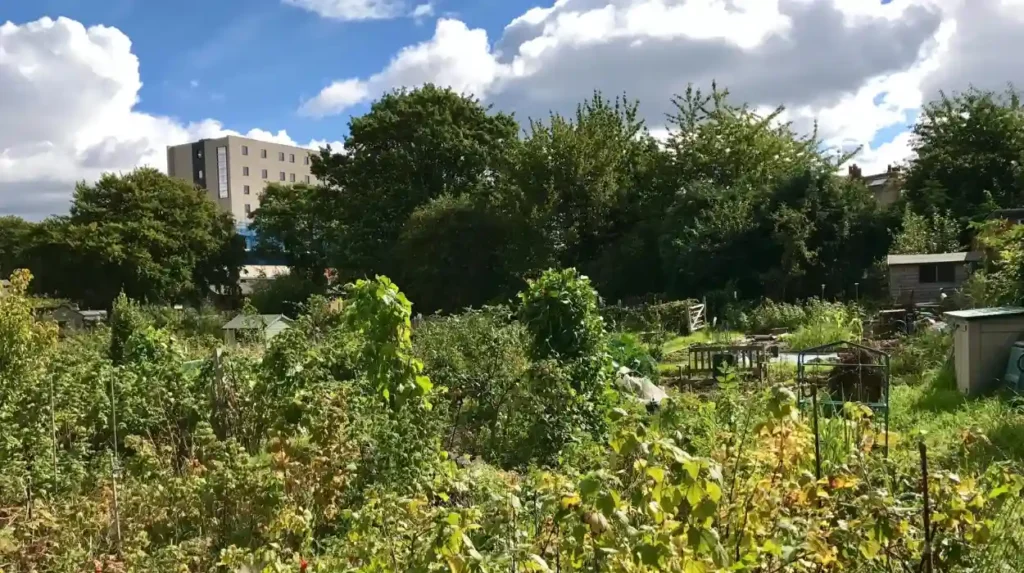
Headingley has established allotment communities and local growing initiatives that provide opportunities to cultivate vegetables, fruit and flowers. Residents can investigate nearby allotment associations, community food-growing projects and Leeds City Council facilities to access additional gardening space.
Community gardening extends urban growing beyond individual properties.
It gives residents opportunities to share growing knowledge, maintain communal spaces and cultivate produce where private gardens are unavailable.
Headingley has an established network of local allotment sites.
Which Allotment Sites Are Associated With Headingley?
Headingley and its surrounding neighbourhoods have several allotment locations.
Examples listed by the local Headingley community website include:
- Ash Road Allotments.
- St Anne’s Road Allotments.
- Bandstand Allotments.
- Woodhouse Moor Allotments.
- Headingley Station West Allotments.
- The Station Allotments.
These sites provide different arrangements for community food production and individual plot cultivation. Headingley Leeds+2
The Station Allotments Association describes a community of approximately 100 plot holders and a site containing 45 plots of different sizes.
Its activities include growing vegetables, fruit and flowers while encouraging environmentally responsible gardening.
Headingley Station West Allotment Association also promotes sustainable management and organic gardening techniques.
These organisations provide examples of how local residents maintain shared growing spaces.
How Can Residents Apply for an Allotment?
Leeds City Council manages a network of allotment facilities across the city.
According to its published information, Leeds has 101 allotment sites. Standard full plots measure approximately 250 square metres, while half plots measure 125 square metres. leeds.gov.uk
The council’s published charges for the 2026–27 allotment year, running from 1 October 2026 to 30 September 2027, are:
- Full plot: £81 annually.
- Half plot: £40.50 annually.
- Quarter plot: £20.25 annually.
Additional water charges apply to eligible council-managed plots with a water supply.
The council currently reports high demand and no vacant plots, with applicants able to join the waiting list. Availability should be checked directly before making plans.
Residents can find application information through the official Leeds City Council allotments service.
How Can Community Gardening Benefit Headingley?
Community gardening provides practical opportunities for local participation.
Residents can learn about seed sowing, composting, crop rotation and seasonal maintenance from experienced growers.
It also supports the wider local environment through increased vegetation and opportunities for pollinating insects.
People who do not have access to private outdoor spaces can use community growing facilities where membership and availability permit.
Leeds City Council also directs residents towards Feed Leeds and Incredible Edible for information about community food-growing projects. leeds.gov.uk
How Can Seasonal Gardening Support Wildlife and Sustainability in Headingley?
Wildlife-friendly gardening creates suitable habitats, food sources and shelter for insects, birds and other small animals. Headingley residents can support urban biodiversity by planting nectar-rich flowers, maintaining compost systems, providing water and reducing unnecessary chemical treatments.
Urban gardens contribute to local biodiversity.
Biodiversity refers to the variety of living organisms within an environment, including plants, insects, birds, fungi and microorganisms.
Even small residential spaces support wildlife when gardeners select suitable plants and maintain appropriate habitats.
Which Plants Support Pollinators?
Pollinators transfer pollen between flowers and support plant reproduction.
Bees, butterflies and hoverflies are examples of important garden pollinators.
Residents can select flowering plants that provide nectar and pollen during different parts of the year.
Suitable examples include:
- Crocuses and snowdrops in early spring.
- Lavender and foxgloves during summer.
- Sedum and asters in late summer.
- Ivy flowers during autumn.
Planting varieties with different flowering periods helps maintain food availability across the growing season.
Native and wildlife-friendly plants provide useful opportunities to support local ecological conditions.
How Can Residents Create Small Wildlife Habitats?
Wildlife habitats do not require large gardens.
Small changes can improve the suitability of urban outdoor spaces.
Residents can introduce:
- Shallow water dishes for birds and insects.
- Native flowering plants.
- Small log piles.
- Undisturbed areas beneath shrubs.
- Suitable nesting boxes.
- Natural leaf-litter areas.
Bird baths should be cleaned regularly to maintain hygiene.
Log piles provide shelter for invertebrates, while flowering plants support pollinating insects.
Gardeners should position wildlife features carefully to avoid obstructing paths and creating unnecessary hazards.
Why Is Sustainable Water and Waste Management Important?
Sustainable gardening reduces resource consumption and unnecessary waste.
Rainwater harvesting, composting and mulching help residents manage resources more efficiently.
Leeds City Council recommends composting suitable household and garden materials instead of disposing of them as general waste. leeds.gov.uk
Gardeners can also reduce environmental impact by choosing durable containers, reusing suitable pots and selecting plants adapted to local conditions.
These practices support long-term garden maintenance while reducing reliance on unnecessary purchased materials.
Explore More Area Guide
Headingley Responsible Wildlife Photography Guide
Headingley Guide to Identifying Common Trees and Plants
How Can Visitors and New Residents Discover Headingley’s Gardening Culture?
Headingley’s gardening culture includes residential gardens, community allotments, local growing organisations and nearby green spaces. Visitors and new residents can explore these features to understand local environmental activities and identify opportunities for seasonal gardening participation.
Headingley is a residential neighbourhood with established green spaces and community environmental initiatives.
Gardening forms part of the area’s wider relationship with its landscape, residential development and community activities.
The neighbourhood’s historic housing character also influences its outdoor spaces. Traditional properties often feature enclosed rear gardens, established boundaries and mature planting.
As you explore modern Headingley and its residential green spaces, you are also encountering a neighbourhood shaped by generations of development. Read about the full [History of Headingley and Its Historic Residential Development] to understand how its built environment evolved.
Where Can Visitors Find Local Gardening Inspiration?
Residents and visitors can explore local gardening initiatives through community organisations and allotment associations.
The Headingley community website provides information about allotments, plants, gardens and environmental activities.
The Station Allotments Association offers an example of community-led food production in north Leeds.
These resources provide practical insight into local growing activities and the types of plants cultivated in the neighbourhood.
Visitors should check individual organisation policies before entering allotment sites because many are private or membership-managed spaces.
How Can New Residents Start Gardening in Headingley?
New residents should begin by assessing the outdoor space available at their property.
A small container garden provides an accessible starting point.
Beginners can start with rosemary, mint, parsley, lettuce or spring bulbs. These plants offer opportunities to learn basic watering, planting and maintenance techniques.
People living in rented accommodation should check tenancy agreements before installing permanent structures or altering communal outdoor areas.
Residents without private gardens can investigate local allotment associations and community food-growing projects.
Starting with manageable planting arrangements helps beginners develop gardening skills before expanding their growing space.
How Can Residents Create a Year-Round Seasonal Gardening Schedule for Headingley?
A year-round gardening schedule organises planting, maintenance and harvesting around seasonal conditions. Headingley residents should prioritise spring preparation, summer watering, autumn planting and winter protection while adjusting individual activities to local temperatures, rainfall and plant requirements.
A seasonal schedule helps prevent missed planting opportunities and unnecessary maintenance.
It also allows residents to spread gardening activities throughout the year instead of completing every task during spring and summer.
Which Gardening Tasks Should Be Completed Each Season?
The following seasonal overview provides a practical framework for Headingley homes.
Spring: March to May
Focus on preparing growing areas and starting new plants.
- Clean pots and seed trays.
- Prepare compost and raised beds.
- Sow hardy vegetables.
- Start tender seeds indoors.
- Plant suitable flowering bulbs and perennials.
- Monitor late frost conditions.
Summer: June to August
Focus on maintaining active plant growth.
- Water containers regularly.
- Harvest vegetables and herbs.
- Remove faded flowers.
- Support climbing crops.
- Monitor pests and diseases.
- Maintain compost moisture.
Autumn: September to November
Focus on soil improvement and winter preparation.
- Plant suitable spring bulbs.
- Collect fallen leaves.
- Harvest remaining vegetables.
- Divide suitable established perennials.
- Protect vulnerable containers.
- Improve garden drainage.
Winter: December to February
Focus on protecting plants and planning future growth.
- Check plants for frost damage.
- Maintain garden tools.
- Protect vulnerable containers.
- Plant suitable dormant-season trees and shrubs.
- Plan vegetable-growing arrangements.
- Start selected indoor seeds.
The RHS provides additional monthly gardening guidance covering planting, harvesting, pruning and seasonal garden maintenance.
How Should Residents Adapt Their Schedule to Changing Weather?
Seasonal schedules provide guidance rather than fixed planting dates.
A colder-than-average spring requires additional protection for young plants. Prolonged rainfall requires attention to drainage, while dry summer weather increases watering requirements.
Residents should monitor local weather forecasts before planting frost-sensitive crops.
They should also assess individual garden conditions because sheltered courtyards, exposed balconies and shaded gardens experience different growing environments.
The RHS recommends considering local microclimates when deciding when to move tender plants outdoors.
What Are the Long-Term Benefits of Consistent Seasonal Gardening?
Consistent garden maintenance improves planting conditions and reduces the likelihood of avoidable plant damage.
Regular composting improves soil management. Seasonal planting supports continuous flowering and harvesting. Wildlife-friendly planting creates additional opportunities for urban biodiversity.
For Headingley residents, seasonal gardening also provides a practical way to use balconies, courtyards, residential gardens and community allotments throughout the year.
The approach remains relevant as urban housing changes and residents increasingly use smaller outdoor spaces for food production, recreation and environmental improvement.
Seasonal gardening in Headingley provides opportunities to grow vegetables, maintain flowering plants, support wildlife and improve urban outdoor spaces throughout the year.
Understanding Yorkshire’s weather conditions is essential for choosing suitable plants and organising gardening activities. Spring provides opportunities for soil preparation and sowing. Summer requires consistent watering and harvesting. Autumn supports bulb planting and soil improvement, while winter focuses on frost protection and future planning.
Residents with limited outdoor space can use containers, hanging baskets, window boxes and vertical gardening systems. Those seeking larger growing areas can investigate Headingley’s allotment associations and Leeds City Council’s community growing resources.
By following a practical seasonal schedule, Headingley households can maintain productive, attractive and environmentally responsible gardens in urban homes.
What is seasonal gardening in Headingley?
Seasonal gardening involves adapting planting, watering, pruning and plant care to the changing weather throughout the year. Headingley residents can grow vegetables, flowers, herbs and fruit by following suitable seasonal gardening schedules.