
Garforth has a varied local food and drink culture centred on Main Street, nearby roads, cafés, restaurants, takeaways, pubs and community venues. Its food scene reflects the settlement’s changing commercial role, from an agricultural and mining community to an established east Leeds town.
- What makes Garforth’s food and drink culture distinctive?
- How has Garforth’s history shaped its modern food culture?
- Where should visitors begin when exploring Garforth’s local food scene?
- Which Garforth cafés are useful for coffee, breakfast and daytime food?
- What types of restaurants can visitors find in Garforth?
- Where can visitors experience Garforth’s pub and evening drink culture?
- How can visitors explore Garforth’s local food culture on foot?
- What local food businesses show about Garforth’s independent economy?
- How can digital nomads and business travellers use Garforth’s food venues?
- How can visitors combine Garforth food and drink with local heritage?
- What should visitors consider when planning a Garforth food and drink visit?
- Why does Garforth’s local food culture matter for the future of the town?
What makes Garforth’s food and drink culture distinctive?
Garforth’s food culture combines independent cafés, restaurants, takeaways, pubs and community food venues with a practical town-centre setting. Main Street forms the core, while Aberford Road, Lidgett Lane and nearby streets extend the choice across different cuisines, occasions and budgets.
Garforth is an established settlement in east Leeds. Its food and drink offer is closely connected to everyday local life rather than being concentrated in a single destination dining quarter. Main Street functions as an important commercial focus, with food businesses positioned alongside shops and other services.
The Garforth Neighbourhood Plan identifies Main Street as a community hub and records a broad commercial presence. A survey of 102 Main Street businesses conducted in February 2022 showed the importance of commercial and community uses within the centre. The plan also identifies local produce, personal service and independent businesses as elements that contribute to the future role of the high street.
Current food businesses illustrate that diversity. Garforth has cafés, Italian restaurants, pizza venues, specialist food businesses, takeaways, pubs and bars. Examples include Huddle, Cielo, 450 Degrees, La Bella Vita, The Station House Café and Bistro, Central Fisheries and Jigger & Jar. Current food-hygiene records also identify numerous food premises across Main Street, Lidgett Lane and surrounding roads.
The result is a food scene suited to different parts of the day. Visitors can start with coffee and breakfast, continue with lunch, explore independent shops, and finish with an evening meal or drinks.
Garforth therefore works particularly well for visitors who want to combine food with ordinary local activity rather than making dining the only purpose of a trip.
How has Garforth’s history shaped its modern food culture?
Garforth developed from an agricultural settlement into a community influenced by coal mining, transport, industry and urban expansion. Its modern food culture operates within this long commercial history, with Main Street continuing the local tradition of serving residents, workers and travellers.
Garforth’s history provides important context for understanding its present-day food businesses. Leeds City Council records the settlement in the Domesday Survey of 1086, when the manor contained a church, priest, four villagers and one smallholder. These figures represented recorded household groups rather than the entire population.
The surrounding landscape also influenced economic development. Garforth lies on geological formations associated with both coal measures and dolomitised limestone. Archaeological research identifies Garforth as a settlement whose historic core developed through several distinct communities, including West Garforth, Moor Garforth and Church Garforth.
Agriculture remained important before industrialisation. Historical records describe farms, nurseries, orchards, fruit fields, quarries and coal mines around Garforth during the nineteenth century. Coal extraction was recorded in the area as early as the thirteenth century, while the nineteenth century brought stronger industrial change.
This background helps explain why food remains closely connected to the town’s commercial streets. Shops, cafés and restaurants operate within a settlement shaped by farming, employment, transport and residential growth.
As you explore modern cafés and restaurants, you are crossing land with a deep heritage. Read about the full to understand Garforth’s origins and development.
The historical connection also gives food-focused visitors a practical way to understand Garforth. A meal on Main Street is not separate from the town’s history. It takes place within a commercial centre that has continued to adapt as Garforth changed economically and socially.
Where should visitors begin when exploring Garforth’s local food scene?
Main Street provides the most practical starting point because it brings several food and drink businesses close to shops, services and local transport routes. Visitors can begin with coffee or breakfast, continue towards lunch, then explore nearby restaurants and evening venues.
Main Street provides a useful base for a self-guided food exploration. Several food premises are located along the street, creating a compact area for visitors who prefer walking between venues.
Current listings identify restaurants and cafés including 450 Degrees, La Bella Vita, Vesuvius, The Briggate and Huddle on or close to Main Street. Other food businesses include takeaways and sandwich shops.
This concentration makes the area suitable for short visits. A visitor arriving with limited time does not need to cross the whole of Leeds to experience local food businesses.
The wider centre also connects food with other activities. Visitors can browse independent shops, use community facilities and walk through the town before or after eating.
The Garforth Community Hub and Library on Lidgett Lane provides another useful reference point. Leeds City Council confirms that the facility has free Wi-Fi, public toilets, computer access and a café operating from 10am to 2pm on Wednesday, Thursday and Friday.
Opening hours remain important. Food businesses operate different schedules, particularly in the evening. A food itinerary therefore works best when visitors check the current opening times of individual venues before travelling.
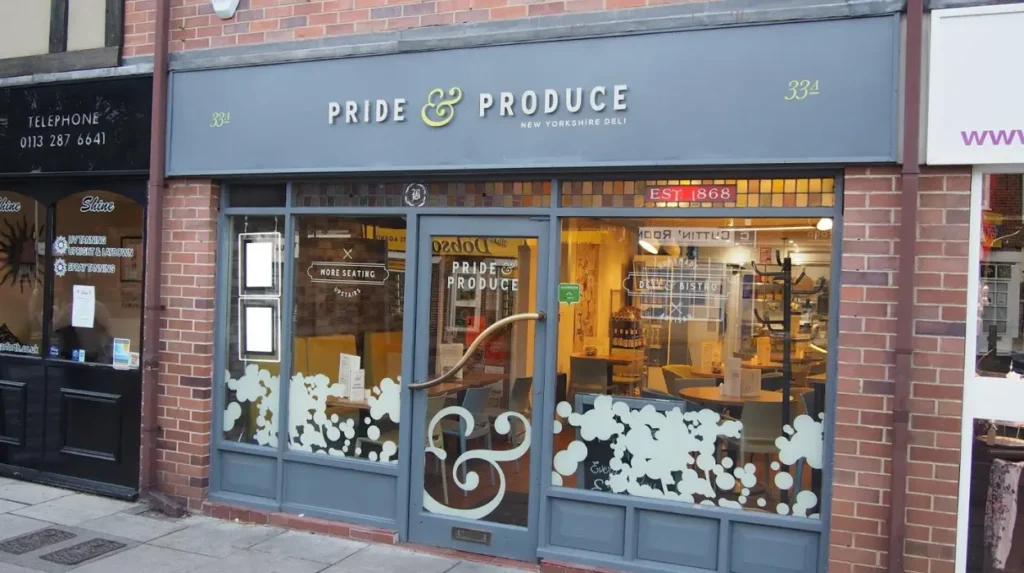
Which Garforth cafés are useful for coffee, breakfast and daytime food?
Garforth’s café culture includes independent coffee shops and community cafés offering coffee, breakfast items, cakes, sandwiches and light meals. Huddle and the café at Garforth Library provide distinct daytime options for visitors, residents, remote workers and short business breaks.
Cafés provide the simplest entry point into Garforth’s food culture. They require less planning than a full restaurant meal and suit short visits.
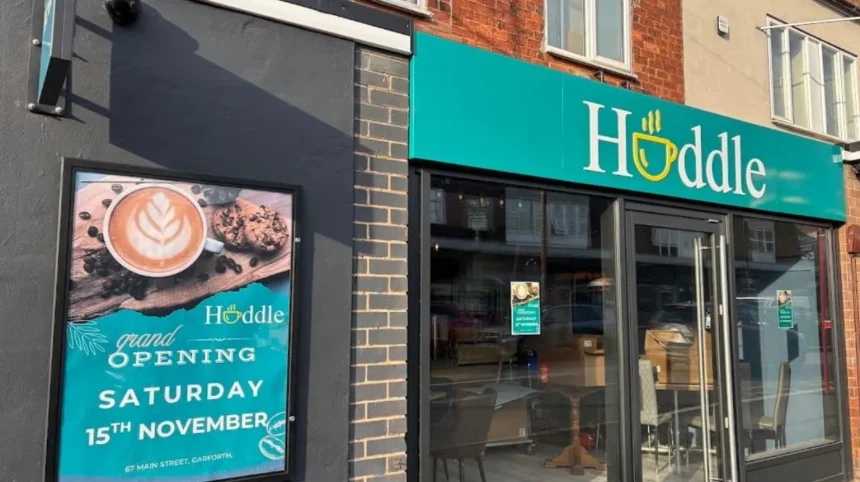
Huddle is an independent coffee business on Main Street. It forms part of Garforth’s independent food and drink offer and provides a café setting within the town centre.
The café at Garforth Library and One Stop Centre provides another daytime option. Leeds City Council lists its opening hours as 10am to 2pm on Wednesday, Thursday and Friday. The building also provides free Wi-Fi and computer access, giving the venue relevance for digital nomads and visitors managing work during a day trip.
Cielo is also associated with the Garforth Library and One Stop Centre and appears in local food-hygiene records. Its location illustrates how food provision connects with community infrastructure in the town.
For tourists, cafés work particularly well as the first or middle stage of a local food itinerary. Breakfast provides an early starting point. Coffee provides a short break between activities. Lunch creates a longer pause before afternoon exploration.
For business travellers, cafés offer practical places for a daytime stop between appointments. Remote workers should check seating, Wi-Fi and opening arrangements directly with the venue because these facilities can change.
What types of restaurants can visitors find in Garforth?
Garforth restaurants cover several established food formats, including Italian dining, wood-fired pizza, international cuisine, fish and chips and contemporary casual food. The selection allows visitors to build meals around different cuisines without travelling into Leeds city centre.
Garforth’s restaurant culture is broader than its café offer. Current local listings identify Italian food, pizza, international cuisine, traditional takeaway food and casual dining across the settlement.
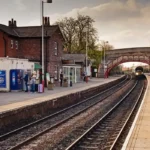
The Station House Café and Bistro is located beside Garforth railway station and is associated with Italian food and pizza. Its location makes it particularly convenient for visitors arriving or departing by train. Tripadvisor’s current Garforth restaurant listings also identify it among the town’s dining venues.
450 Degrees provides another distinctive format. The venue is associated with wood-fired pizza and operates from Main Street. Current local information identifies it as a family-run food business with evening service patterns.
La Bella Vita is another restaurant located on Main Street. Food-hygiene records list it as a restaurant, café or canteen premises at 17 Main Street.
Himalayan Essence provides an example of international cuisine in the town. Current food-hygiene records list the restaurant at 58B Main Street.
These businesses demonstrate the range within Garforth’s local food culture. Visitors can choose between casual daytime food, Italian-style dining, pizza, international cuisine and traditional takeaway formats.
The important point is geographic as well as culinary. Several venues sit within or close to the central commercial area, allowing visitors to combine food with shopping and walking.
Where can visitors experience Garforth’s pub and evening drink culture?
Garforth’s evening food and drink culture includes pubs, bars and restaurant venues distributed around Main Street and nearby roads. Examples include Jigger & Jar, The Lord Gascoignes, the Miners Arms and other licensed venues serving different evening purposes.
Pubs and bars form another part of Garforth’s local hospitality economy. Current food-hygiene records classify Jigger & Jar as a pub, bar or nightclub and list other licensed premises including Miller & Carter.
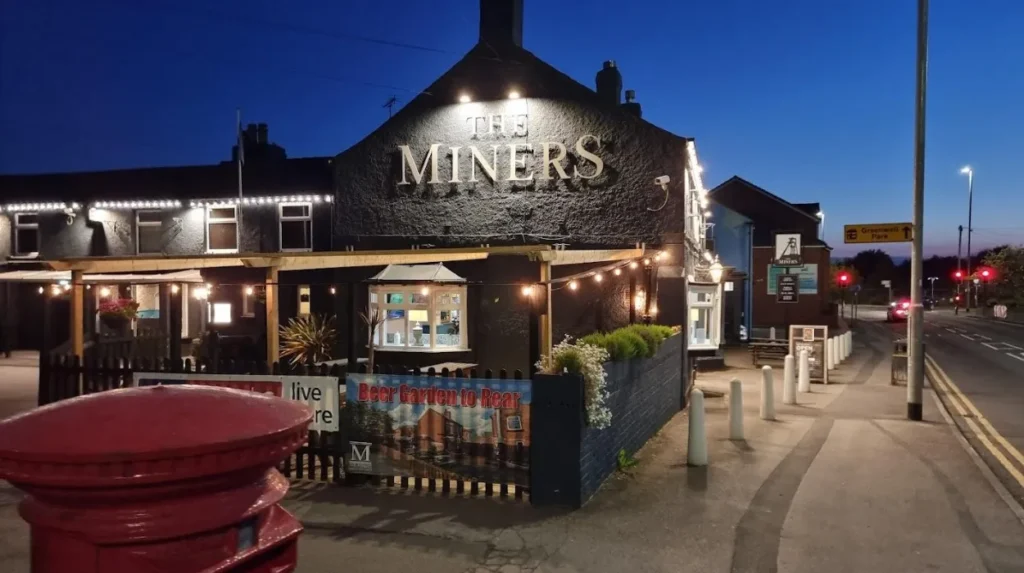
Other local listings identify The Lord Gascoignes and the Miners Arms on Aberford Road. Main Street also contains evening-oriented businesses.
The evening scene therefore extends beyond restaurants. Visitors can combine dinner with drinks or choose a pub-based visit as the main activity.
For domestic business travellers, this creates a practical option for spending an evening without travelling into central Leeds. For residents, the same venues support social activity within the local centre.
Drink culture also includes non-alcoholic options. Cafés and restaurants provide coffee, tea, soft drinks and other refreshments throughout the daytime and evening.
Visitors should distinguish between venue types. A pub is primarily a licensed social venue. A restaurant is centred on meals. A café usually focuses on daytime drinks and lighter food. Some Garforth businesses combine these functions.
How can visitors explore Garforth’s local food culture on foot?
A walking food itinerary works by concentrating on Main Street first, then extending towards Lidgett Lane, Aberford Road and the railway station. Visitors can combine coffee, food shopping, lunch, heritage sights and an evening meal within a broader town-centre walk.
Walking is an effective way to understand Garforth’s food culture because many businesses sit within the established commercial area.
Start on Main Street and identify cafés and food businesses before choosing the first stop. Continue towards nearby independent shops and services. Extend the route towards Lidgett Lane for community facilities and the library café.
The railway station provides another useful reference point. The Station House Café and Bistro operates beside the station, connecting food with one of Garforth’s principal transport locations.
Aberford Road adds another layer of the food scene. Restaurants, pubs and other food businesses operate along and around the road, giving visitors a reason to extend beyond Main Street.
The walking approach also exposes the relationship between food and the town’s physical structure. Garforth developed from several historic settlement areas before becoming a more continuous modern settlement. Archaeological research identifies West Garforth, Moor Garforth and Church Garforth as distinct historic components visible on nineteenth-century mapping.
Visitors interested in heritage can therefore add Church Garforth to a food-focused walk. St Mary the Blessed Virgin Church dates from 1844 and is listed at Grade II by Historic England.
This creates a clear structure for a full day: food, shopping, community facilities, heritage and walking.
What local food businesses show about Garforth’s independent economy?
Garforth’s food businesses form part of a wider independent economy that supports employment, local services and community activity. Leeds City Council identifies independent businesses, local produce and personal service as important elements in maintaining the vitality of Main Street.
Food businesses contribute to more than dining. They occupy commercial premises, employ staff, purchase supplies and attract visitors to the town centre.
Leeds City Council’s Garforth planning material highlights the importance of local businesses and notes that independent enterprises can keep money circulating within the local economy through local sourcing and employment. The document also records examples of independent food shops providing deliveries to housebound residents during the Covid period.
The council has also supported microbusinesses across Leeds, including hospitality businesses in Garforth. Its microbusiness support programme specifically targeted retail and hospitality businesses with fewer than 10 employees.
This demonstrates the scale at which many local food businesses operate. They form part of the small-business economy rather than only the leisure sector.
Garforth’s food culture also connects with community initiatives. Leeds City Council previously highlighted Incredible Edible Garforth, a community project associated with local plants, food and a mural on Main Street.
These initiatives demonstrate that local food culture extends beyond restaurants. It includes community food projects, cafés, shops, hospitality businesses and local economic activity.
For visitors, this creates a more complete picture of Garforth. Eating locally also provides an opportunity to experience the town’s commercial and community structure.
How can digital nomads and business travellers use Garforth’s food venues?
Digital nomads and business travellers can use Garforth cafés and community facilities for daytime breaks, coffee, lunch and limited remote work. Free Wi-Fi and computer access are available at Garforth Community Hub, while other venues provide independent café settings.
Garforth is practical for visitors who need to combine leisure with work. The community hub provides free Wi-Fi and computer access, making it one of the clearest publicly documented work-support facilities in the area.
Cafés provide additional settings for short working sessions, although facilities differ between businesses. Visitors should confirm Wi-Fi availability, seating rules and opening times directly with each venue.
Food also creates natural breaks in a business itinerary. A visitor can work during the morning, have lunch locally and continue meetings or sightseeing afterwards.
The town’s transport position strengthens this role. Historical records already identify Garforth’s connection to the Leeds and Selby railway, while the modern settlement remains connected to the wider Leeds area.
For a domestic business traveller, this makes a local food itinerary practical. Breakfast, coffee, lunch and an evening meal can all form part of a stay without requiring every meal to take place in central Leeds.
How can visitors combine Garforth food and drink with local heritage?
Food provides an effective starting point for exploring Garforth’s wider heritage because the town centre developed alongside agriculture, industry, transport and community institutions. Visitors can combine meals with Main Street, Church Garforth, St Mary’s Church and historic landscape features.
Garforth’s food culture is best understood alongside its physical history. The town developed through agricultural activity before coal mining and transport helped reshape its economy.
The Domesday Survey provides the earliest detailed written record. Leeds City Council states that the 1086 record included a church, priest, four villagers and one smallholder.
Later industrial development changed the settlement. Coal extraction and associated employment contributed to growth, while railway infrastructure connected Garforth to wider markets and communities. Historical research also records farms, orchards, quarries and coal mines in the surrounding landscape.
Church Garforth provides a visible heritage reference. Archaeological research identifies it as one of the historic settlement components, with Church Lane forming part of the historic core.
St Mary the Blessed Virgin Church was built in 1844 and is listed Grade II. Historic England records its construction in dressed Magnesian limestone, reflecting the local geological character of the area.
A food-focused visitor can therefore create a simple thematic route. Begin with coffee, explore Main Street, continue towards historic Church Garforth, return for lunch, then finish with dinner or drinks.
This approach connects the modern commercial centre with the settlement that existed before today’s restaurants and cafés.
Explore More Area Guide
Garforth Outdoor Spots, Walks and Green Spaces | Leeds
Garforth Meet-Up Guide: Best Cafés, Restaurants and Local Places
What should visitors consider when planning a Garforth food and drink visit?
Visitors should plan around opening hours, transport, dietary requirements and the location of individual venues. Main Street provides the strongest starting point, while Lidgett Lane, Aberford Road and the railway station extend the food experience beyond the central shopping area.
Opening times vary considerably between Garforth businesses. Cafés often operate during daytime hours, while restaurants and bars frequently concentrate activity later in the day.
The Garforth Community Hub café, for example, currently operates from 10am to 2pm on Wednesday, Thursday and Friday. This is different from the evening schedules used by some restaurants.
Visitors should also check individual menus when they have dietary requirements. Current food listings provide information about premises but do not guarantee that every menu remains unchanged.
Food hygiene information provides another useful reference. Current records show inspections across restaurants, cafés, takeaways and other food businesses in Garforth, demonstrating the range of regulated food premises in the settlement.
Transport planning is also straightforward. Visitors arriving by rail can incorporate the Station House Café and Bistro into their itinerary. Visitors travelling by car can use Garforth as a base for exploring east Leeds.
Sustainability also forms part of the practical experience. Leeds City Council identifies Garforth among locations with on-the-go recycling facilities for coffee cups, plastic bottles and drink cans.
A successful food visit therefore depends on matching the venue to the purpose of the trip. Breakfast suits cafés. Lunch suits cafés and restaurants. Evening meals suit restaurants. Drinks suit pubs and bars. Heritage exploration fits naturally between food stops.
Why does Garforth’s local food culture matter for the future of the town?
Garforth’s food culture supports the wider role of its town centre by bringing people to independent businesses, community facilities and local services. Its future relevance depends on maintaining a diverse commercial environment that combines food, retail, hospitality and community activity.
Food and drink provide regular reasons for people to use the town centre. This supports the wider commercial ecosystem around Main Street.
Leeds City Council’s Garforth planning documents identify challenges facing high streets, including competition from larger retail centres and changes in shopping behaviour. They also identify personal service, local produce, quality and atmosphere as characteristics that give independent businesses a distinct role.
Food businesses are particularly relevant because they provide experiences that online retail does not replace. A café visit involves physical space. A restaurant visit involves hospitality. A local pub provides social interaction. A specialist food shop provides direct access to products and personal service.
This makes food part of the wider regeneration and town-centre discussion.
Garforth also benefits from its position within the Leeds urban area. Visitors can reach the settlement while remaining close to the city, making local food exploration suitable for short leisure trips, day visits and business downtime.
The future food culture will therefore remain connected to the wider question of how Garforth uses its town centre. Independent hospitality, community facilities, retail businesses and local heritage all contribute to the same physical environment.
For visitors, the practical conclusion is clear. Garforth offers more than individual meals. Its food and drink businesses provide a route into understanding the modern town, its historic development and its everyday community life.
A local food itinerary can begin with coffee on Main Street, continue with independent shopping and heritage exploration, and finish with a restaurant meal or evening drinks. That structure captures the relationship between Garforth’s food culture and the wider identity of this east Leeds settlement.
What is Garforth known for food and drink?
Garforth is known for its mix of independent cafés, restaurants, takeaways, pubs and bars. Main Street is a key food area, with additional venues around Lidgett Lane, Aberford Road and the railway station.