
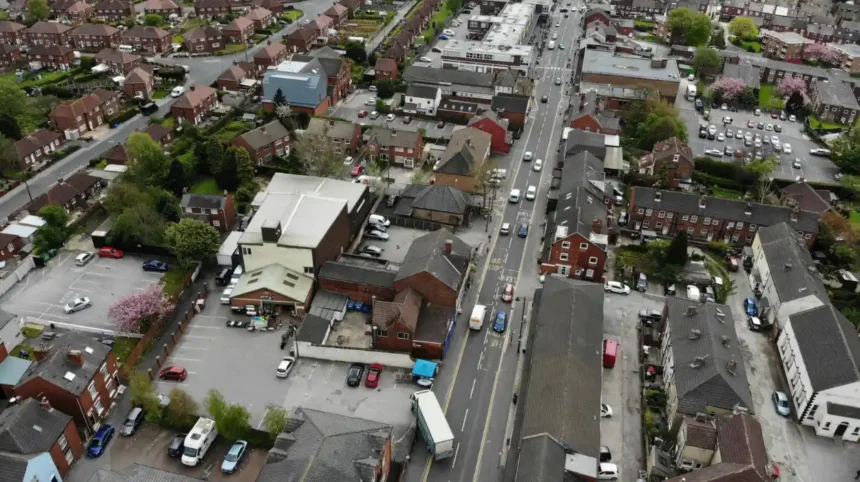
Garforth is a town in east Leeds, West Yorkshire, with a practical combination of local shops, cafés, green routes, railway connections, community facilities and historic sites. Its compact character makes it suitable for visitors who want a simple local outing rather than a tightly scheduled day trip.
- What makes Garforth suitable for a low-stress local visit?
- How should you plan a simple Garforth itinerary?
- How can you get to Garforth without unnecessary travel stress?
- Which walking routes work best for a relaxed Garforth visit?
- How can you include Garforth’s history without making the visit complicated?
- Where should you plan food and rest during a Garforth visit?
- How can families and different types of visitors keep the day comfortable?
- What should you check before visiting Garforth?
- How can you build the ideal low-stress Garforth day?
A low-stress visit to Garforth starts with realistic planning. The best approach is to choose a small number of activities, understand transport options, allow time for food and rest, and keep the itinerary flexible. Garforth also provides access to walking routes and countryside beyond its built-up centre.
The town has a long settlement history. Leeds City Council’s Garforth Neighbourhood Plan records the first detailed description of Garforth in the Domesday Survey of 1086, when the manor included a church, priest, four villagers and one smallholder. The document also identifies evidence of medieval ridge-and-furrow farming.
For today’s visitor, that history sits alongside modern transport infrastructure, independent businesses, community facilities and recreational routes. Planning these elements together creates a comfortable Garforth visit without unnecessary travel between distant attractions.
What makes Garforth suitable for a low-stress local visit?
Garforth suits a low-stress visit because its attractions, food options, transport links and walking routes can be combined without a demanding itinerary. Visitors can focus on one central area, add a short walk, and leave flexible time for cafés, shops and rest.
Garforth is part of the City of Leeds and sits in the eastern part of the metropolitan district. The settlement combines residential areas with a traditional town centre, local services, green spaces and connections towards surrounding communities.
Its scale is particularly useful for visitors who prefer manageable days. A Garforth itinerary does not require a long list of attractions. A visitor can arrive by rail, explore the local centre, stop for food, and continue towards a recreational route.
The town also works well as a base for a wider east Leeds outing. Garforth connects with surrounding settlements including Swillington, Kippax, Micklefield and Barwick-in-Elmet. The wider landscape contains agricultural land, former railway routes and public rights of way.
The local Neighbourhood Plan identifies several community and heritage assets. These include St Mary’s Church, historic mileposts and the road bridge over the railway near Garforth station.
This combination means visitors can create different types of low-pressure days. A heritage-focused visit can concentrate on historic buildings and streets. A walking visit can use the Lines Way. A food-focused visit can centre on cafés and local businesses.
The key principle is to avoid treating every available attraction as a compulsory stop.
How should you plan a simple Garforth itinerary?
A simple Garforth itinerary should contain one main activity, one food stop and one optional outdoor element. This structure limits unnecessary travel, creates recovery time between activities, and allows visitors to finish early or extend their visit according to energy and conditions.
Start by choosing the main purpose of the visit. Heritage visitors can prioritise historic Garforth. Walkers can make the Lines Way their central activity. Casual visitors can centre the day around food, local shopping and a short walk.
A useful half-day structure is arrival, town-centre exploration, lunch or coffee, followed by a short outdoor route. A longer visit can extend the walking section or include nearby destinations.
Visitors should avoid booking several activities at fixed times. A low-stress local visit works better when only essential timings are fixed, such as a train departure, restaurant booking or scheduled event.
Morning arrivals provide more flexibility. Visitors have more daylight for outdoor routes and more time to adjust the itinerary if weather conditions change.
A practical sequence is:
Arrival → local exploration → café or lunch → walking route → return to transport.
This structure keeps the main components close together while providing a clear end point.
Visitors travelling with children should also include planned breaks. Families benefit from toilets, food opportunities and shorter walking sections being considered before departure rather than during the visit.
Older visitors and people with mobility requirements should check route surfaces and station access in advance. Garforth station provides lifts and step-free access in some directions, while East Garforth has step-free platform access through ramps.
How can you get to Garforth without unnecessary travel stress?
Rail is one of the simplest ways to reach Garforth, with Garforth and East Garforth stations serving the area. Garforth station provides parking, cycle storage, passenger assistance and lifts, while local bus and taxi connections provide additional onward transport options.
Garforth station is on Station Road and is managed by Northern. National Rail lists step-free access, lifts, toilets, accessible toilets, Changing Places facilities, passenger assistance, seating and a sheltered waiting area at the station. It also has 250 parking spaces, including 15 accessible spaces.
These facilities make Garforth station an important starting point for visitors who want to minimise transport complications.
East Garforth station is located on Woodlands Drive. It has step-free access to its platforms through ramps but does not have station parking. National Rail also lists toilets, accessible toilets, sheltered waiting areas and cycle storage.
Choosing the correct station depends on the part of Garforth you want to visit. Visitors should check the walking distance between their selected station and their first destination before travelling.
For rail travellers, checking the return service before setting out is a useful precaution. This is particularly important for visitors planning an evening return or travelling on a Sunday.
Visitors arriving by car should identify parking before reaching the town. Garforth station provides a significant dedicated parking facility, but parking availability and restrictions should always be checked before departure.
Cyclists can also incorporate Garforth into a wider local route. The station has bicycle storage, providing another practical option for visitors combining rail and cycling.
For visitors requiring assistance, National Rail states that Passenger Assist can be requested in advance, including shortly before travel.
A transport-first approach prevents one of the most common causes of stressful day trips: reaching the destination without knowing how to return.
Which walking routes work best for a relaxed Garforth visit?
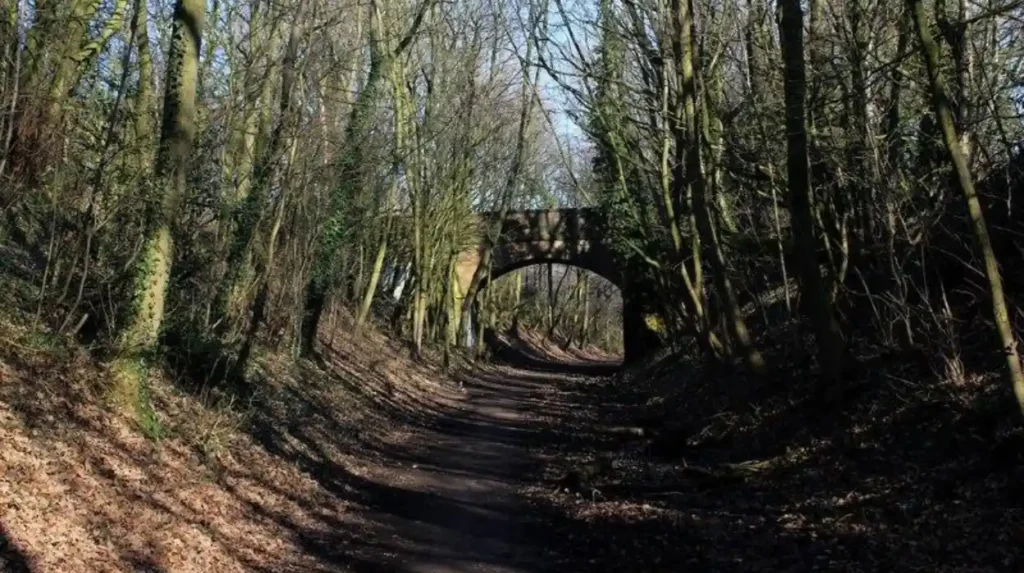
The Lines Way is the most straightforward recreational route to build around a Garforth visit. Leeds City Council describes it as a three-mile route along a disused railway between Garforth and Allerton Bywater, providing a clear outdoor option without requiring a long-distance walking plan.
The Lines Way is particularly useful because it connects Garforth with the surrounding countryside while following a former railway alignment.
Leeds City Council lists the Linesway among the city’s shorter recreational routes and gives its length as three miles.
The route also forms part of longer walking possibilities. The Leeds Country Way section between Garforth and the River Aire uses the old railway line, identified as the Linesway, before continuing towards surrounding countryside.
Visitors do not need to complete a long route to benefit from the Lines Way. A shorter out-and-back walk provides a simpler option. This is useful for families, casual walkers and visitors who want outdoor time without committing to a full day of walking.
The route also provides an opportunity to understand Garforth’s changing landscape. A former railway corridor now functions as a recreational connection, linking the built environment with open countryside.
Walkers should wear suitable footwear and check weather conditions. Mud, standing water and uneven surfaces can affect outdoor routes after wet weather.
Leeds City Council’s definitive map provides the legal record of public rights of way. It distinguishes definitive public paths from permissive paths and promoted recreational routes. Visitors should therefore use current route information rather than relying solely on informal descriptions.
For a low-stress visit, the most useful approach is to decide the walking distance before leaving home. A two-mile return walk creates a different day from completing a six-mile route, even when both use nearby countryside.
How can you include Garforth’s history without making the visit complicated?
Garforth’s history can be explored through a small number of locations rather than a full heritage itinerary. The town’s Domesday reference, St Mary’s Church, historic mileposts, railway infrastructure and medieval landscape evidence provide a manageable introduction to its development.
Garforth has roots extending well before the modern Leeds metropolitan area. Leeds City Council’s Neighbourhood Plan states that the origins of the name appear Anglo-Saxon and records the first detailed description of the settlement in the Domesday Survey of 1086.
The Domesday description recorded a church, a priest, four villagers and one smallholder. These figures represented heads of households and therefore did not provide a complete population count.
The local landscape also preserves evidence of medieval agriculture. Traces of ridge-and-furrow field systems remain visible in grassed areas, including parts of Garforth Golf Course.
St Mary’s Church is another significant heritage feature. The Garforth Neighbourhood Plan identifies the church on Church Lane and dates it to 1844.
Historic mileposts provide another small-scale way to explore the area’s transport history. The Neighbourhood Plan identifies examples on Aberford Road, Wakefield Road and Selby Road, with the listed examples dating from the mid-19th century.
The railway is equally important to understanding modern Garforth. The town’s station remains an active transport connection, while the Lines Way demonstrates how former railway infrastructure has become part of the recreational landscape.
As you explore the modern town, you are crossing land with a deep heritage. Read about the full to understand its origins.
Keeping history simple is important. Visitors do not need to visit every listed building. Selecting two or three heritage features creates context without turning a relaxed outing into a formal historical tour.
Where should you plan food and rest during a Garforth visit?
Food and rest should be planned as part of the Garforth itinerary rather than treated as last-minute decisions. Local cafés, restaurants and shops provide natural breaks between walking and sightseeing, while a planned meal creates a fixed pause without adding unnecessary travel.
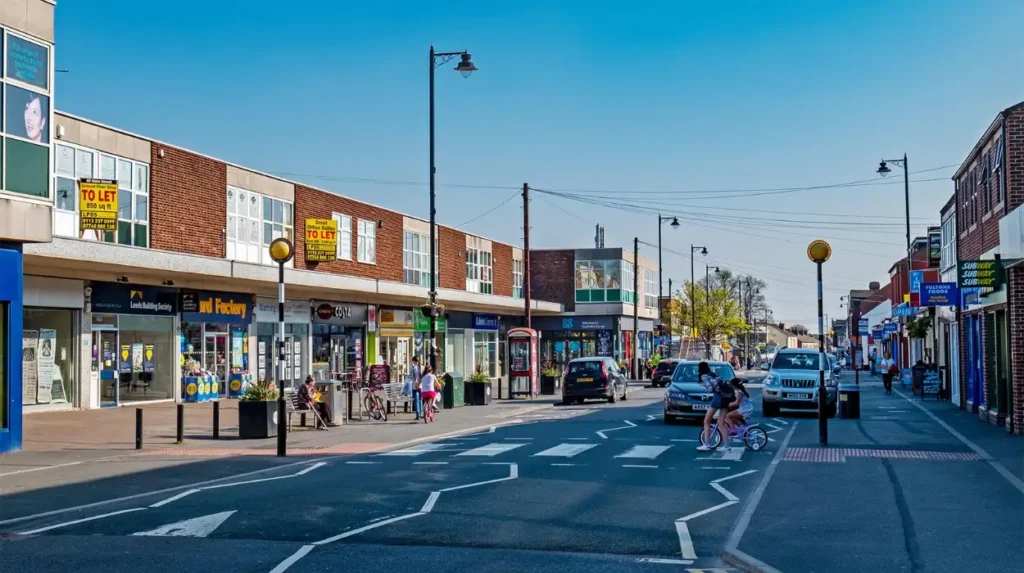
Garforth’s local centre provides opportunities to combine everyday services with leisure. This makes the town useful for visitors who prefer local businesses rather than destination-style attractions.
A café stop works particularly well after arrival or before a walk. Coffee, breakfast or a light lunch gives visitors a chance to check transport information and weather conditions before continuing.
For a longer visit, lunch can divide the itinerary into two manageable sections. The morning can focus on the town and heritage, while the afternoon can concentrate on the Lines Way or another local route.
Visitors should check opening hours directly with individual businesses because independent businesses can change schedules seasonally. This is especially important for Sunday visits and public holidays.
Food planning is also useful for families. A nearby meal option reduces the need to travel to another neighbourhood solely for lunch.
Digital nomads can use the same principle when combining a short visit with remote work. A work-friendly café should be selected based on current Wi-Fi, seating, charging facilities, noise levels and business policy rather than assuming every café provides a suitable workspace.
Garforth station itself does not provide public Wi-Fi or refreshments according to National Rail information. Visitors who need food or connectivity should therefore plan those needs away from the station.
Rest should also be treated as part of the itinerary. A relaxed visit does not require continuous movement. Short pauses improve the practical experience of walking, shopping and sightseeing.
How can families and different types of visitors keep the day comfortable?
Families, older visitors, digital nomads and business travellers can all use Garforth’s compact local facilities by adapting the same basic itinerary. The essential approach is to reduce unnecessary transfers, choose realistic walking distances and identify food, toilets and transport before departure.
Families should prioritise predictable activities. A short walk, café stop and local exploration create a manageable structure. Children benefit from having a clear break between walking and other activities.
Visitors travelling with pushchairs should check route surfaces before choosing longer walks. Former railway paths and countryside routes are not identical to paved town-centre pavements.
Older visitors should consider distance between stations, shops and walking routes. Garforth station has lifts and accessible facilities, but East Garforth has a different accessibility arrangement.
Digital nomads have a different priority. Their ideal visit combines reliable connectivity with a short recreational break. A morning work session followed by lunch and a Lines Way walk provides a practical local routine without requiring a full day away from work.
Business travellers staying elsewhere in Leeds can also use Garforth for downtime. A short rail journey, local meal and outdoor walk provide an alternative to remaining in the city centre.
Residents looking for less familiar activities can use Garforth as a starting point for exploring nearby routes. The town’s position within the east Leeds landscape makes it useful for connecting local communities and countryside.
The same principle applies to visitors with limited time: select one reason for coming, one place to eat and one optional activity.
This approach prevents over-planning and leaves room for unexpected closures, weather changes or transport delays.
Explore More Area Guide
Garforth Historic Places: Best Sites for History Enthusiasts
Garforth Green Corridors and Open Spaces: Local Guide
What should you check before visiting Garforth?
Before visiting Garforth, check train times, station facilities, business opening hours, weather, walking conditions and your return journey. These simple checks remove the most common sources of avoidable disruption and keep the itinerary flexible when local conditions change.
Transport information should be checked on the day of travel. National Rail provides live departure and arrival information for Garforth station.
Visitors should also check whether they are using Garforth or East Garforth station. The two stations have different facilities. Garforth has lifts and a large car park, while East Garforth has ramped access and no station parking.
Walking routes require a separate check. Leeds City Council identifies the Lines Way as a three-mile route between Garforth and Allerton Bywater.
Weather is particularly relevant when the itinerary includes countryside paths. Waterproof clothing and appropriate footwear provide a simple way to make outdoor plans more resilient.
Business opening hours should be checked directly. This includes cafés, restaurants, community venues and attractions with specific opening schedules.
Visitors should also check public rights-of-way information when planning longer walks. Leeds City Council explains that its definitive map records the legal status of public paths, while promoted recreational routes can use several different types of route.
Accessibility should be checked according to the specific destination rather than assuming that a generally accessible town provides identical access everywhere.
Finally, save the return journey before leaving. Knowing the final train or transport option gives the day a clear boundary and prevents unnecessary uncertainty.
How can you build the ideal low-stress Garforth day?
The ideal low-stress Garforth day combines straightforward transport, a small amount of local exploration, one food break and an optional walk. The itinerary should remain flexible, with only essential timings fixed and enough time reserved for rest, delays and changing conditions.
A simple morning visit can begin at Garforth station. Visitors can explore the central area before choosing a café or lunch venue.
A heritage-focused version can include St Mary’s Church and selected historic features identified in the local Neighbourhood Plan. The visit can then continue with food before returning to the station.
An outdoor version can use the Lines Way as the principal activity. The visitor can walk a manageable section rather than attempting the full route.
A family version can combine a short walk with food and flexible local exploration. This reduces the risk of children becoming tired before the return journey.
A work-focused version can divide the day between a quiet work session and outdoor downtime. The visitor should verify current café facilities before relying on a particular venue for remote work.
A longer day can incorporate nearby countryside and sections of the Leeds Country Way. Leeds City Council describes the wider Leeds Country Way as a 62-mile circular walking route, with a section running between Barwick-in-Elmet, Garforth and the River Aire.
The important distinction is between a local visit and a checklist. Garforth does not require visitors to see everything. Its value for a low-stress outing comes from combining a compact town environment with transport links, local food, heritage and access to green routes.
Planning around these elements creates a visit that is structured without being rigid. It also makes Garforth suitable for repeat visits because the same town centre can support different themes, from history and food to walking and quiet downtime.
For visitors arriving from Leeds, Garforth provides a practical change of setting without requiring a complicated day-trip structure. For residents, it offers opportunities to explore familiar surroundings differently. For leisure travellers, it provides an accessible local experience within the wider Leeds area.
The best Garforth itinerary is therefore not the busiest one. It is the one that gives each activity enough time, keeps transport straightforward and leaves space for the visitor to enjoy the town at a comfortable pace.
Is Garforth worth visiting?
Yes. Garforth is worth visiting for its local cafés, historic sites, railway connections, walking routes and access to the surrounding east Leeds countryside. It suits visitors seeking a quieter local experience rather than a large collection of major tourist attractions.