

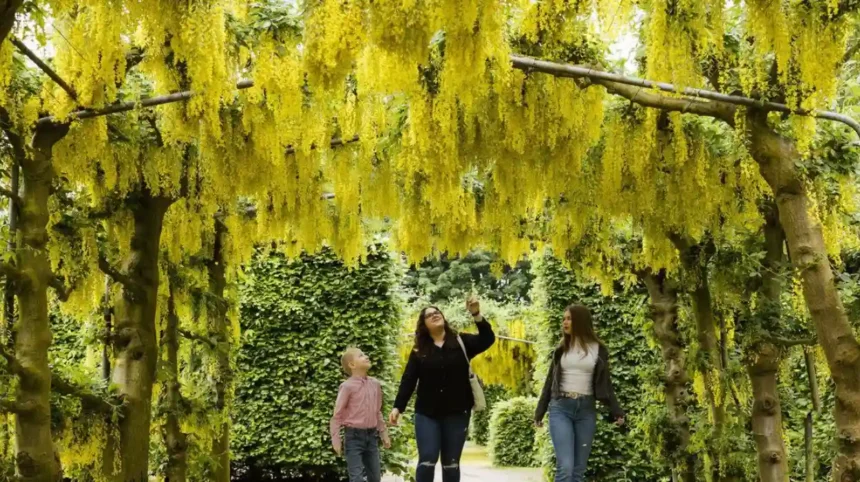
Garforth offers exceptional spring outdoor access through interconnected green spaces like the Leeds Country Way, local recreational parks, and nearby wetland nature reserves that feature blooming flora and migratory wildlife species.
Spring in this part of West Yorkshire brings a distinct ecological shift as regional woodlands and pastoral trails recover from winter dormancy. The geography of Garforth sits on a high ridge between the River Aire and the River Wharfe, creating diverse elevation profiles and moisture levels that support varied plant communities. Walking routes immediately accessible from Garforth railway station link directly to major environmental assets.
For instance, the local segment of the Leeds Country Way guides visitors through open farmland, mature hedgerows, and historic estate lands. These paths become active in March, April, and May with the emergence of native flora such as Hyacinthoides non-scripta (bluebells) and Anemone nemorosa (wood anemones). Local authority maintenance teams and environmental volunteers manage these public rights of way to ensure year-round accessibility while protecting ground-nesting bird habitats.
As you explore the modern site, you are crossing land with a deep heritage. Read about the full [Insert Anchor Text for History Article Here] to understand its origins.
The microclimates found within local wooded corridors encourage early canopy leaf-out, providing sheltered walking conditions even when prevailing spring winds sweep across the open agricultural plains of east Leeds. Walkers encounter distinct topographical transitions, shifting from urban fringe environments down toward river valley floodplains. This variety makes the area ideal for both short recreational strolls and long-distance day hikes.
How Does RSPB St Aidan’s Nature Reserve Function as a Spring Destination?
RSPB St Aidan’s Nature Reserve is a 400-hectare reclaimed industrial opencast coal mining site transformed into a premier wetland sanctuary, providing critical breeding habitats for thousands of aquatic bird species during spring.
Located just south of Garforth via the Aire and Calder Navigation canal paths, St Aidan’s represents one of northern England’s most successful ecological restoration projects. The site features 12 kilometres of trails looping around open lakes, reedbeds, marshland, and grassland plots. During the spring migration window, which runs from March through May, the reserve records significant populations of visiting avifauna.
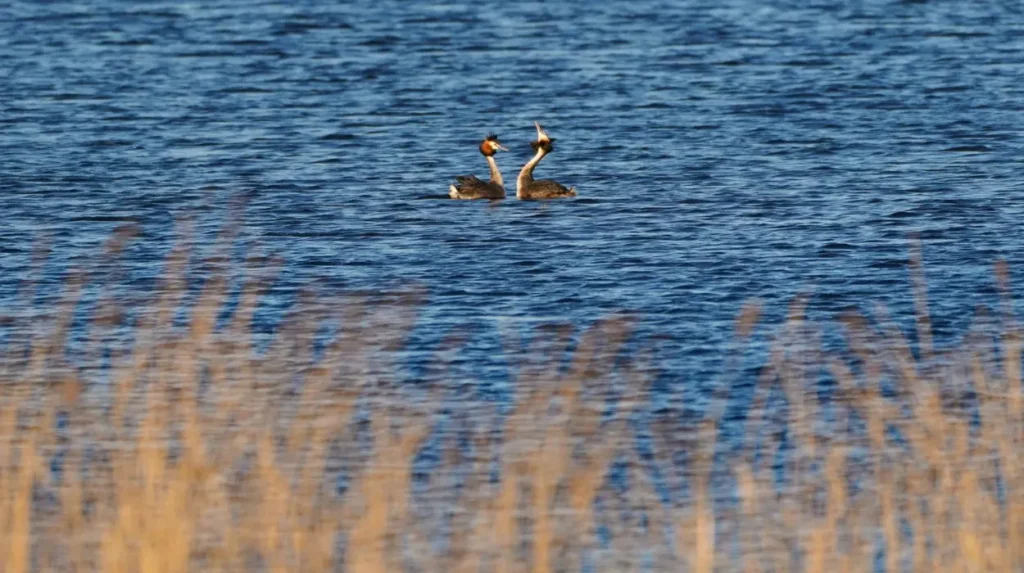
Ornithological surveys regularly document species such as Podiceps cristatus (great crested grebes), Botaurus stellaris (eurasian bitterns), and various migratory warblers utilizing the emergent reed growth for nesting. The complex hydrology of the reserve relies on managed water levels across several interconnected lakes, which prevent flooding while maintaining shallow margins rich in aquatic invertebrates.
Visitor infrastructure at St Aidan’s includes designated viewing screens, elevated paths, and informative interpretation boards detailing local conservation status. The site operates under specific seasonal access guidelines to minimize disturbance to sensitive breeding species. Interpretive data collected by the Royal Society for the Protection of Birds indicates that spring visitor numbers peak on weekends, making early morning visits optimal for wildlife observation. The flat, well-compacted stone pathways accommodate walkers of varying mobility levels, while the open horizons offer expansive views across the Aire Valley basin.
What Historical and Natural Features Characterize Temple Newsam Estate Near Garforth?
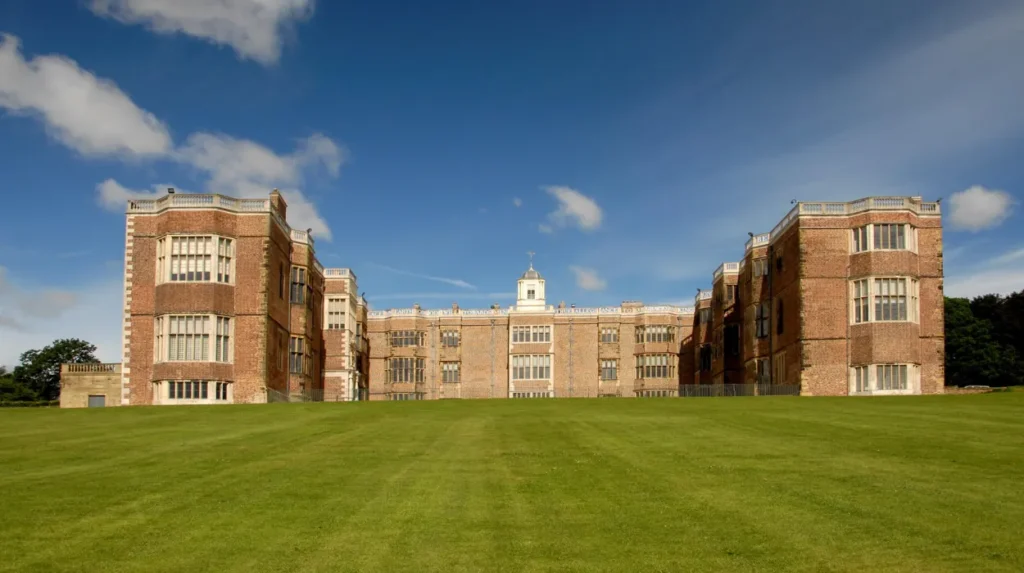
Temple Newsam Estate is a 1,500-acre historic parkland featuring landscaped lawns, ancient woodlands, and formal gardens designed by Capability Brown, offering diverse outdoor leisure pursuits just miles from Garforth.
The estate grounds combine centuries of aristocratic landscape design with contemporary public recreation facilities. Originally mentioned in the Domesday Book, the property transitioned through various noble households before being acquired by Leeds City Council in 1922. The spring landscape at Temple Newsam is defined by mass plantings of spring bulbs across the lawns, alongside historic specimen trees within the registered Grade II* historic parkland.
Woodland blocks, including Waterloo Plantation and Temple Newsam Woods, contain native broadleaf trees such as Quercus robur (pedunculate oak) and Fagus sylvatica (european beech). These forested zones support rich understory vegetation that emerges actively during April. The estate also features artificial lakes, known locally as artificial fishponds, which attract waterfowl and provide scenic backdrops for outdoor recreation.
Agricultural fields surrounding the historic Tudor-Jacobean mansion are managed using sustainable farming practices, preserving traditional crop rotations and hedgerow corridors that act as vital wildlife highways. Visitors access a network of multi-use trails suitable for walking, running, and cycling. The integration of structured heritage architecture with open countryside makes Temple Newsam a primary regional anchor for spring day-trippers seeking a combination of botanical variety and historical context.
Explore More Area Guide
Garforth Guide to Places for Meeting New People
Garforth Best Places for a Relaxing Midweek Break
Where Can Visitors Find Quiet Green Spaces and Local Parks Within Garforth Proper?
Garforth contains several localized green spaces, including the Barley Hill Recreation Ground, local sports fields, and mature tree-lined suburban corridors that provide immediate neighborhood access to outdoor environments.
Within the urban boundaries of Garforth, public open spaces serve essential community and recreational functions. Barley Hill Recreation Ground features expansive multi-use grass pitches, children’s play areas, and perimeter tree planting that provides seasonal interest through spring blossom. The historical layout of Garforth reflects its evolution from a cluster of agricultural and coal-mining settlements—East Garforth, West Garforth, and Moor Garforth—into a cohesive residential town.
This heritage leaves traces in the urban canopy, where mature sycamores, limes, and horse chestnuts line older thoroughfares like Main Street and Church Lane. Local community groups and the local authority collaborate on environmental upkeep, ensuring that public verges and pocket parks maintain high standards of floral display as temperatures rise in April and May.
Unlike sprawling country estates, these local amenities offer quick, frictionless outdoor access for residents, digital nomads seeking short screen-breaks, and business travelers staying in local accommodations. The presence of continuous pavement networks combined with quiet residential side streets allows for structured walking circuits directly through the urban core without requiring vehicular transit to reach natural surroundings.
What are the best spring walks near Garforth?
The best spring walks near Garforth include routes through the Leeds Country Way, St Aidan’s Nature Reserve, Temple Newsam Estate, and local green spaces within the town. These routes offer a mix of woodland paths, farmland trails, wetlands, and landscaped parkland where visitors can experience seasonal flowers, wildlife activity, and changing spring landscapes.