
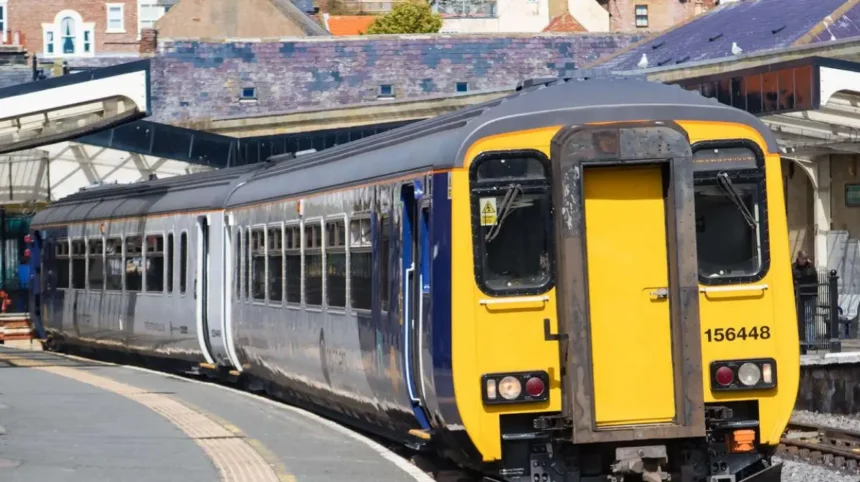
The primary station, Garforth railway station, sits 7.1 miles (11.5 km) east of Leeds and 16 miles (26 km) south-west of York. Services run frequently, connecting passengers from Leeds city centre to Garforth in approximately 11 minutes. The second station, East Garforth, opened in the later part of the 20th century to serve the expanding residential housing developments on the eastern side of the settlement. Both stations fall within West Yorkshire Metro Fare Zone 2, making ticket pricing integrated with regional multi-modal caps. Trains run approximately every 30 minutes during off-peak hours and increase to every 21 minutes during peak morning and evening windows.
Direct destinations include Leeds, York, Hull, Huddersfield, and Manchester Victoria via connecting regional services. As you explore the modern railway layout, you are crossing land with a deep industrial heritage. Read about the full [Insert Anchor Text for History Article Here] to understand its origins.
What bus services operate in and around Garforth?
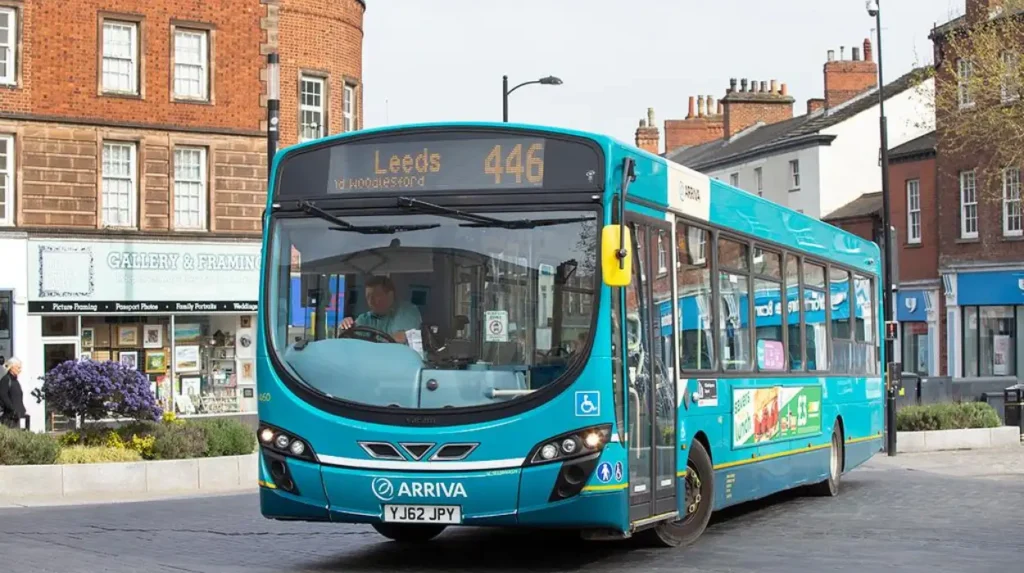
Local and regional bus networks in Garforth are operated predominantly by First Leeds and Arriva Yorkshire, connecting the town directly to Leeds city centre, Cross Gates, Tadcaster, and Selby via the A63 corridor.
Bus stops are positioned strategically along Main Street, Aberford Road, and outside the primary transport interchanges. Key routes include the Arriva-operated services connecting Selby and Leeds, alongside local feeder buses that link residential estates like Ninelands and Glebeland with the commercial centre.
Real-time passenger information displays are installed at major stops, providing live countdown timings for incoming services. Contactless payment is accepted across all operating fleets, and tickets align with West Yorkshire Combined Authority capped fare structures, such as the £2 single adult bus fare initiative. Day-roamer tickets purchased on board cover unlimited travel across the wider West Yorkshire zone.
Where can you park when using Garforth transport hubs?
Official commuter parking at Garforth railway station is managed by APCOA Parking UK Limited, providing over 300 designated spaces with structured hourly and daily tariffs.
The main car park is situated directly adjacent to the booking hall and platform 1, offering step-free access into the station concourse. Daily parking charges apply 24 hours a day, with evening and night-rate discounts available for off-peak arrivals. Alternative parking options include residential streets surrounding the station perimeter, though local parking restrictions and permit zones apply during weekday working hours.
Cycling infrastructure includes secure cycle lockers and open-air bike racks positioned near the station entrance, supporting multi-modal commutes that combine cycling with rail travel. Electric vehicle charging infrastructure is limited within immediate station grounds, requiring drivers to utilise public charging points located at nearby retail and supermarket car parks off Aberford Road.
How accessible are the transport options in Garforth?
Accessibility across Garforth transport infrastructure varies, with ongoing modernization projects led by Network Rail and the Transpennine Route Upgrade addressing historical limitations.
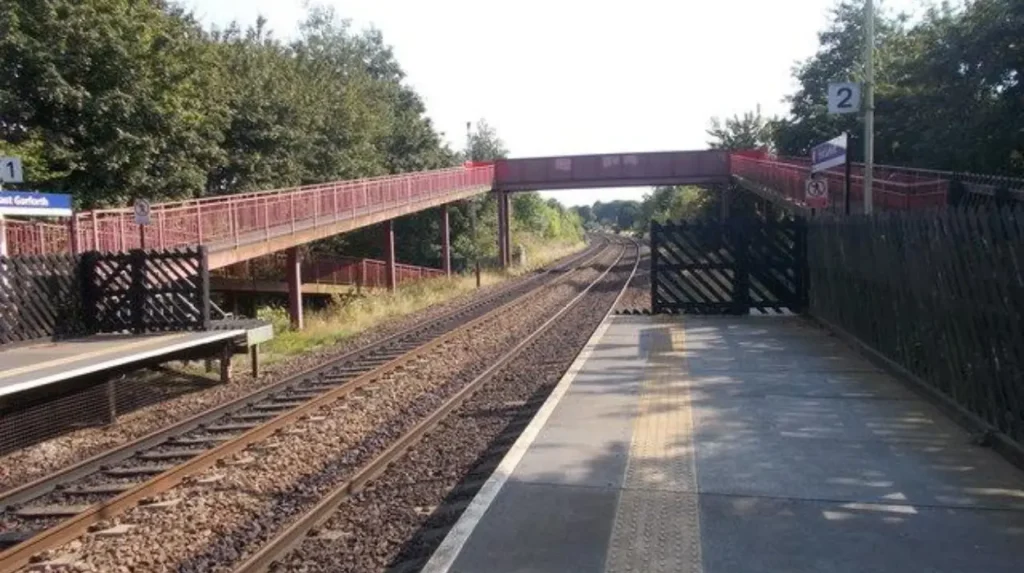
Garforth railway station is classified under Department for Transport Category E, historically featuring limited step-free access between platforms due to its heritage status. Major infrastructure enhancements under the Access for All scheme include the installation of a new footbridge equipped with lifts to ensure full wheelchair accessibility to platform 1.
Bus services across operators First Leeds and Arriva feature low-floor entry, dedicated wheelchair bays, and audible next-stop announcements. Platform boarding ramps are carried on all Northern and TransPennine Express trains, and station staff can provide ramp assistance with advance notice or via station help points.
Explore More Area Guide
Garforth Nature Spots: Green Spaces Guide 2026
Garforth Evening Guide: Dining & Leisure 2026
What historical factors shaped the transport layout of Garforth?
The transport geography of Garforth was fundamentally shaped by the opening of the Leeds and Selby Railway in 1834, which established the settlement as a vital industrial and passenger corridor.
The original 1834 station infrastructure proved inadequate as passenger volumes surged during the Victorian era, leading to the construction of the current station buildings in 1872 to designs by North Eastern Railway architect Thomas Prosser. This expansion coincided with the growth of local coal mining, which utilized private industrial lines such as the Aberford Railway, locally known as the “fly line”.
This industrial branch line eventually closed in 1924 and has since been converted into a public recreational pathway known as The Linesway, connecting walkers and cyclists through nature reserves towards Allerton Bywater. The historic Aberford Road bridge, built at an oblique angle to span multiple tracks, remains a Grade II listed structure reflecting civil engineering standards of the 19th century.
How do digital nomads and business travellers navigate Garforth?
Digital nomads and business travellers base themselves in Garforth due to its rapid 11-minute rail link into Leeds commercial core, combined with local co-working amenities and high-speed fibre broadband coverage.
For remote professionals seeking workspace alternatives, local cafes, community hubs, and converted venues provide reliable Wi-Fi and power access within walking distance of the central transport corridor. Business travellers maximizing downtime utilize the direct rail connections to complete journeys to York, Manchester, and London King’s Cross via standard East Coast mainline interchanges.
Travel planning is supported digitally through the National Rail Enquiries application, West Yorkshire Metro journey planners, and real-time transit tracking tools. These platforms offer live disruption updates, platform change notifications, and mobile ticketing options that eliminate the need for physical paper tickets during transit.