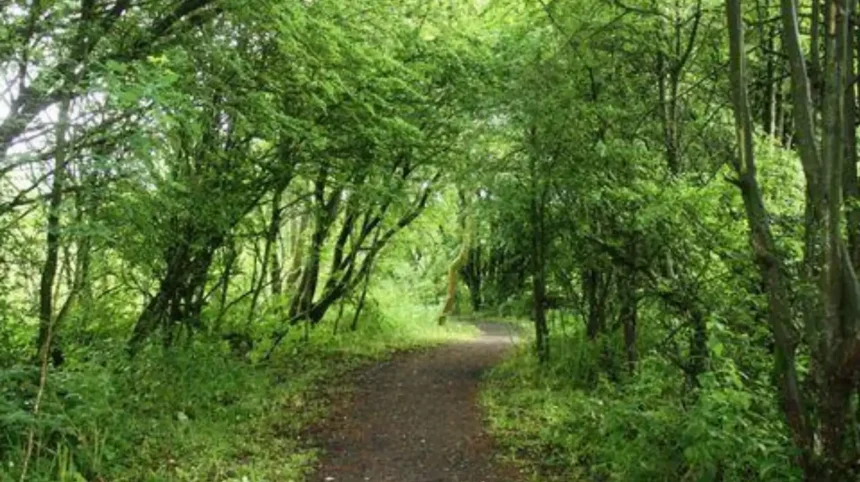
Garforth features 4 primary green areas for outdoor leisure, including the Lines Way nature corridor, Glebelands Recreation Ground, Hawk’s Nest Wood, and the nearby RSPB St Aidan’s Nature Park, which provide local residents and visitors with dedicated spaces for walking, wildlife observation, and recreation.
- How does the Lines Way function as an ecological corridor and walking route?
- What wildlife and conservation value does RSPB St Aidan’s Nature Park offer visitors near Garforth?
- Where are the best spots for family recreation and local green play in Garforth?
- How can business travellers and digital nomads utilize Garforth’s green spaces for remote work breaks?
The town of Garforth, situated in the City of Leeds metropolitan borough in West Yorkshire, balances suburban development with accessible natural habitats. The Lines Way serves as the backbone of local green infrastructure. This protected wildlife corridor spans approximately 4.5 miles along a disused railway line, connecting Garforth to Allerton Bywater. Dense deciduous woodland, wildflower meadows, and scrub habitats flank the path, supporting dozens of native bird species and small mammals.
Glebelands Recreation Ground, located off Ninelands Lane, provides formal green space within the urban centre. It incorporates open amenity grass fields, children’s play infrastructure, and structured sports boundaries. Hawk’s Nest Wood operates as a designated Local Wildlife Site (LWS), offering an undisturbed canopy layer dominated by ash, oak, and sycamore trees. This site functions as a protected ecological sanctuary where public access remains secondary to the preservation of native flora and fauna.
For broader excursions, visitors frequently access the wider regional network. The Leeds Country Way intersects Garforth, allowing long-distance walkers to traverse surrounding agricultural land and beck valleys. These environments support diverse outdoor itineraries for tourists, leisure travellers, digital nomads seeking offline breaks, and business travellers looking to maximise downtime.
How does the Lines Way function as an ecological corridor and walking route?
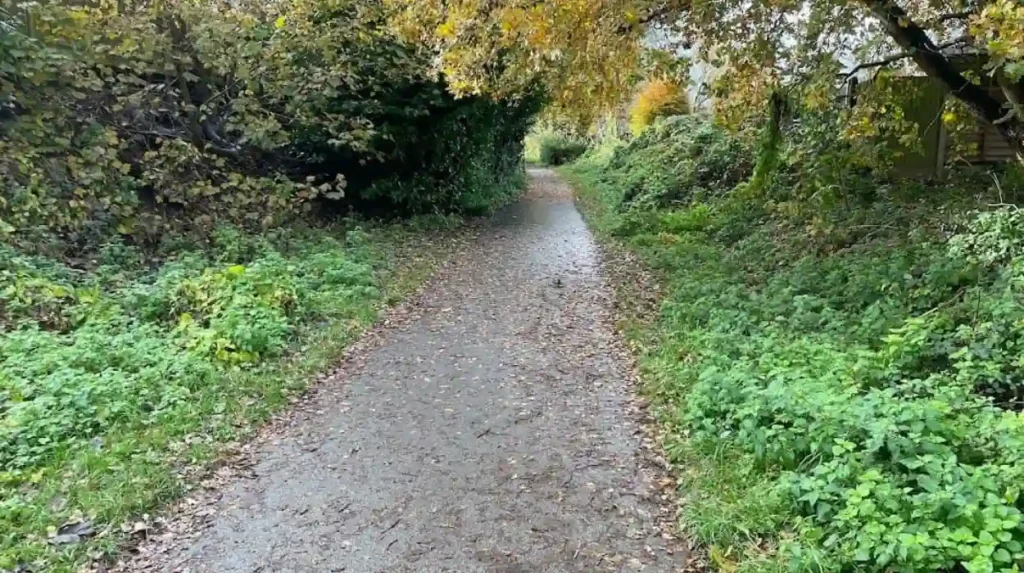
The Lines Way functions as a vital linear Local Wildlife Site and multi-user recreational trail, spanning 4.5 miles of regenerated industrial land that links urban Garforth directly to the Lower Aire Valley ecosystem.
Originally constructed as the Garforth-to-Castleford branch line of the Leeds, Pontefract and Junction Railway, the route closed to commercial rail traffic in the late 20th century. Natural succession transformed the ballast and embankments into a continuous ribbon of secondary woodland and calcareous grassland. Today, the path accommodates walkers, cyclists, and naturalists, functioning as an ecological migration route for local wildlife species.
The site’age and structural diversity create distinct micro-habitats. Canopy species such as silver birch (Betula pendula) and hawthorn (Crataegus monogyna) provide nesting sites for passerine birds, including blackcaps, robins, and blue tits. The ground flora features dominant patches of stinging nettles, ivy, and seasonal displays of red campion and cow parsley. As you explore the modern site, you are crossing land with a deep heritage. Read about the full [Insert Anchor Text for History Article Here] to understand its origins.
Management of the Lines Way is overseen by Leeds City Council in partnership with local volunteer conservation groups. Maintenance operations prioritize the retention of deadwood to support saproxylic invertebrates and fungi, while keeping clearance corridors open for public transit. Drainage ditches and ballast banks control water runoff, preventing soil erosion along the steep cuttings that define the route’s topography.
What wildlife and conservation value does RSPB St Aidan’s Nature Park offer visitors near Garforth?
RSPB St Aidan’s Nature Park, situated 2.1 miles from central Garforth, encompasses 400 hectares of open water, reedbeds, and wetlands that support over 200 bird species and serve as a major regional hub for conservation and eco-tourism.
Formerly an open-cast coal mine operated by Opencast Coal Executive, St Aidan’s underwent a multi-million-pound restoration project coordinated by the Royal Society for the Protection of Birds (RSPB) and Leeds City Council. The landscape transformed into an expansive aquatic reserve featuring Astley Lake, Newton Lake, and extensive reedbed networks fed by the River Aire. This major habitat restoration project created secure breeding grounds for nationally significant populations of wetland birds.
Visitors to St Aidan’s can observe 3 distinct breeding bird species of high conservation concern: the bittern (Botaurus stellaris), the black-necked grebe (Podiceps nigricollis), and the bearded tit (Panurus biarmicus). The site also records large wintering flocks of golden plovers, lapwings, and various migratory waterfowl. The reserve features 12 miles of graded trails, suitable for walking and cycling, equipped with elevated viewing screens and visitor facilities.
Data from conservation surveys indicates that St Aidan’s records over 100,000 visitors annually, contributing significantly to West Yorkshire’s green economy. The site operates under strict environmental zoning protocols. Certain reedbed sectors remain closed to the public during the spring breeding season to protect ground-nesting species from human disturbance, balancing public recreational demand with rigorous ecological protection standards.
Explore More Area Guide
Garforth Evening Guide: Dining & Leisure 2026
Garforth Indoor Activities Guide 2026
Where are the best spots for family recreation and local green play in Garforth?
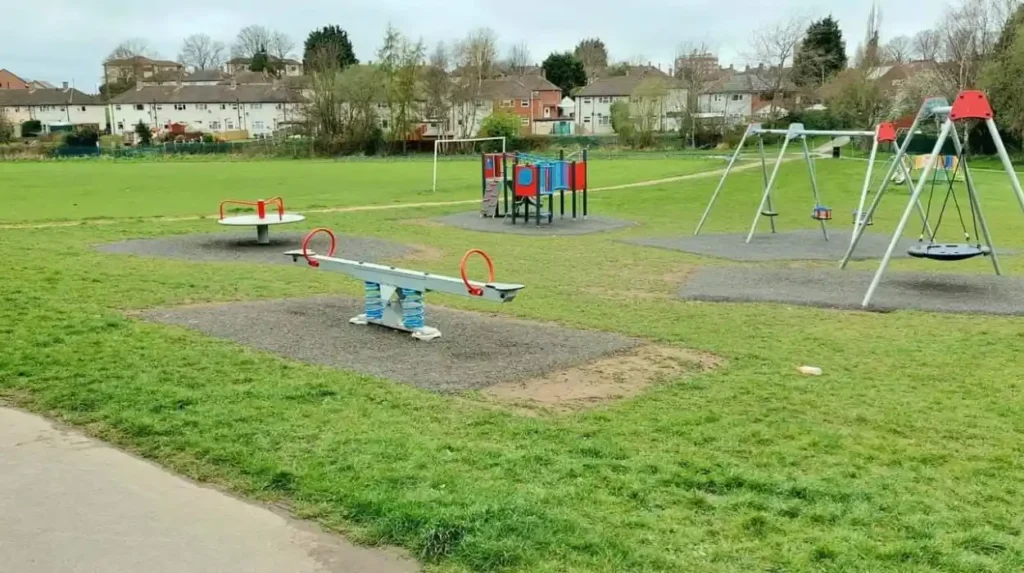
Garforth provides dedicated family-oriented green spaces through Glebelands Recreation Ground, Ninelands playing fields, and local pocket parks that integrate modern playground facilities with open grass pitches.
Glebelands Recreation Ground acts as the focal point for community sports and informal outdoor play within the residential core of Garforth. The facility maintains marked football pitches utilized by local youth leagues, alongside a fenced children’s play area featuring modern safety surfacing, swings, slides, and climbing structures. Perimeter mature trees provide natural shade, while open tarmac paths ensure accessibility for pushchairs and wheelchair users.
In addition to Glebelands, the town incorporates smaller neighborhood green pockets, such as the open amenity lawns surrounding Garforth Academy and the informal grass verges flanking Barley Hill Road. These localized spaces support brief recreational outings, dog walking, and community gatherings. Local authority management schedules ensure regular turf mowing, waste management, and safety inspections of all fixed play assets.
The integration of these urban green spaces within a 15-minute walking radius of Garforth’s commercial center encourages active travel. Residents and visitors can transition from retail streets to open parkland without relying on motorized transport, aligning with West Yorkshire municipal targets for carbon reduction and public health improvement.
How can business travellers and digital nomads utilize Garforth’s green spaces for remote work breaks?
Digital nomads and business travellers visiting Garforth utilize green spaces like the Lines Way and Main Street pocket gardens to incorporate 20-minute restorative outdoor breaks into remote working routines, enhancing cognitive focus and reducing screen fatigue.
Remote workers and corporate visitors based in Garforth’s temporary accommodations or local cafes frequently leverage proximity to natural settings. Psychological research consistently demonstrates that brief exposures to natural environments—often termed “green breaks”—lower cortisol levels, reduce mental fatigue, and improve sustained attention spans. The Lines Way provides an immediate transition from indoor desk environments to a tranquil, tree-lined corridor suitable for walking meetings or silent reflection.
Access points near Garforth railway station allow transient workers arriving via Northern Rail services to immediately integrate physical movement into their itineraries. Mobile connectivity remains stable along the urban fringes of these parks, enabling remote professionals to manage communications while utilizing outdoor benches and picnic tables.
Town planning initiatives across Leeds emphasize the integration of high-speed digital infrastructure with public realm improvements. This ensures that remote professionals operating outside traditional office settings can maintain productivity while accessing mental health benefits derived from local biodiversity and open-air environments.
What are the best nature spots to visit in Garforth?
The best nature spots in Garforth include the Lines Way, Glebelands Recreation Ground, Hawk’s Nest Wood, and nearby RSPB St Aidan’s Nature Park, offering walking routes, wildlife habitats, and family recreation areas.