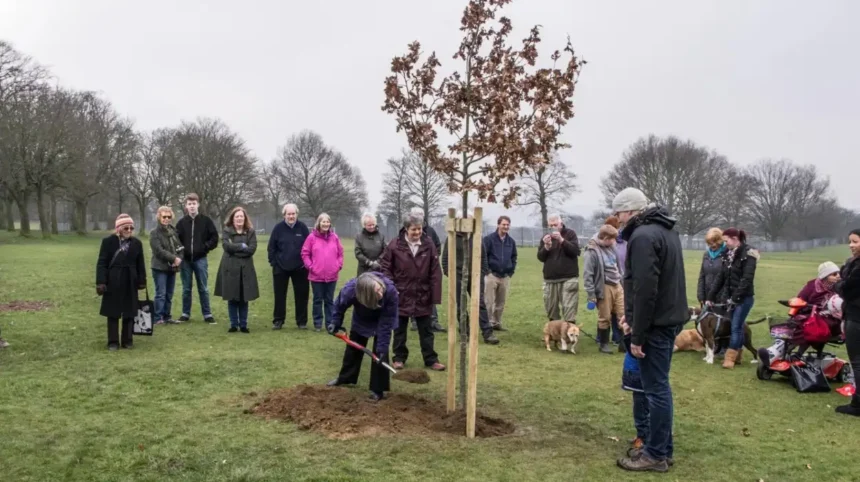
Headingley is an established residential and university district in north-west Leeds, West Yorkshire, with a network of public parks, wooded areas, community gardens and environmental initiatives. Its green spaces support urban wildlife, provide outdoor recreation and connect residents with nature. Local conservation groups help protect these environments through habitat management, tree planting, community gardening, environmental education and sustainable living projects.
- What Is Nature Conservation in Headingley?
- Which Nature Conservation Groups Operate in Headingley?
- Friends of Beckett Park
- Bedford Fields Community Forest Garden
- Headingley Community Orchard
- Woodhouse Ridge Action Group
- Friends of the Hollies
- Zero Carbon Headingley
- Where Can Visitors Explore Nature and Green Spaces in Headingley?
- How Can You Volunteer with Environmental Groups in Headingley?
- Woodland and habitat management
- Community gardening and orchard work
- Environmental clean-ups
- Sustainable living initiatives
- How Does Nature Conservation Protect Wildlife and Biodiversity in Headingley?
- Native plants and pollinators
- Trees and woodland habitats
- Ponds and wetland habitats
- Wildlife-friendly gardens
- What Is the Historical Background of Headingley’s Green Spaces?
- How Can Students and Universities Support Headingley Conservation?
- How Can Families and Visitors Participate in Local Environmental Activities?
- How Can Residents Join or Support Headingley Environmental Groups?
- What Environmental Challenges Affect Headingley and Its Green Spaces?
- How Can You Find Current Conservation Events and Volunteering Opportunities?
- Why Are Headingley’s Nature Conservation Groups Important for the Future?
Nature conservation in Headingley involves protecting existing habitats, improving biodiversity and encouraging responsible use of local green spaces. Community organisations work alongside residents, volunteers, educational institutions and Leeds City Council to maintain parks and strengthen environmental awareness. These activities provide practical opportunities for visitors, students, families and residents to participate in environmental improvement.
The local network includes Friends of Beckett Park, Bedford Fields Community Forest Garden, Headingley Community Orchard, Woodhouse Ridge Action Group, Friends of the Hollies and Zero Carbon Headingley. Each initiative has a different focus, from managing green spaces to promoting climate action and community sustainability. The local environmental directory maintained by Headingley Leeds provides an overview of these groups and their projects.
What Is Nature Conservation in Headingley?
Nature conservation in Headingley involves protecting wildlife, improving habitats and maintaining green spaces across the local area. Community groups, environmental organisations and public authorities support these objectives through practical conservation, sustainable gardening, environmental education and responsible management of natural resources.
Nature conservation means protecting plants, animals, habitats and ecological processes. In a built-up urban district such as Headingley, it also involves maintaining green corridors, supporting pollinating insects, improving soil quality and managing the effects of development on local ecosystems.
A green corridor is a connected strip of habitat that allows wildlife to move between larger green spaces. Wooded routes, gardens, parks and planted areas provide stepping stones for birds, insects and other animals. Maintaining connections between these places improves the ecological value of the wider urban landscape.
Headingley’s conservation activities take place in public parks, woodland areas, community gardens and other shared spaces. Projects include planting native species, removing invasive vegetation, maintaining footpaths and improving habitats. Residents also contribute by reducing waste, planting pollinator-friendly flowers and supporting local environmental campaigns.
Environmental action extends beyond wildlife protection. Sustainable communities also reduce unnecessary consumption, encourage reuse, improve access to nature and promote lower-carbon lifestyles. Groups such as Zero Carbon Headingley connect environmental awareness with practical changes in everyday life.
Which Nature Conservation Groups Operate in Headingley?
Headingley has several community-led environmental groups that support green spaces, gardening, woodland management and climate action. Examples include Friends of Beckett Park, Bedford Fields Community Forest Garden, Headingley Community Orchard, Woodhouse Ridge Action Group and Zero Carbon Headingley.
Headingley’s environmental network includes organisations with different responsibilities and activities. Some concentrate on individual parks, while others promote sustainable living or manage community growing spaces.
The following organisations provide useful starting points for people seeking local conservation opportunities.
Friends of Beckett Park
Friends of Beckett Park supports interest in the park’s upkeep, recreational value and natural environment. Beckett Park lies near Headingley and the Leeds Beckett University Headingley Campus. Its open lawns, mature trees, planted areas and walking routes provide outdoor space for students, residents and visitors.
Community involvement in a park helps identify maintenance needs, encourage responsible use and promote awareness of its landscape. People interested in this group should check its current website for meetings, events and volunteering opportunities.
Bedford Fields Community Forest Garden
Bedford Fields Community Forest Garden is a community growing project in the wider Headingley area. A forest garden combines trees, shrubs, herbs and other useful plants in a layered growing system inspired by woodland ecology.
This approach supports productive gardening while making use of different plant heights and growing conditions. Community forest gardens also provide opportunities to learn about soil health, composting, perennial plants and sustainable food production.
Volunteers and visitors should check the project’s website for current access arrangements and participation opportunities.
Headingley Community Orchard
Headingley Community Orchard connects community participation with fruit growing and local environmental awareness. Community orchards typically contain fruit trees and shared growing areas maintained through collective effort.
Orchards support urban greening, seasonal food production and environmental education. Flowering fruit trees also provide resources for pollinating insects, while mature trees offer shelter for wildlife.
Woodhouse Ridge Action Group
Woodhouse Ridge Action Group, commonly abbreviated to WRAG, supports the care and improvement of Woodhouse Ridge. This wooded green corridor lies between Headingley and the adjoining inner-city neighbourhoods.
Woodland conservation involves maintaining vegetation, protecting soil, managing access and supporting habitat diversity. Community involvement also helps raise awareness of litter, erosion and the effects of inappropriate use.
The University of Leeds Conservation Volunteers society works with WRAG on local environmental activities, including work associated with a small wetland area on Woodhouse Ridge. This relationship creates opportunities for practical habitat management and environmental learning.
Friends of the Hollies
Friends of the Hollies focuses on the local green space known as The Hollies, near Weetwood Lane. The area is part of Headingley’s wider network of parks and wooded spaces.
Community involvement in woodland and parkland helps protect the landscape’s recreational and ecological value. Activities organised by local friends groups depend on the needs of each site and the availability of volunteers.
Zero Carbon Headingley
Zero Carbon Headingley is a local environmental initiative associated with Headingley Development Trust. Its focus connects climate awareness with practical community action.
Climate action and nature conservation are related but distinct. Nature conservation focuses on habitats, species and ecological processes, while climate action addresses greenhouse gas emissions and the effects of a changing climate. Local projects can support both objectives through tree planting, sustainable transport, energy awareness and community engagement.
The wider local environmental directory also lists groups supporting other green spaces, including North Hyde Park Neighbourhood Association and Friends of West Park Fields. Their activities illustrate how neighbourhood organisations contribute to the management and appreciation of local green areas.
Where Can Visitors Explore Nature and Green Spaces in Headingley?
Headingley offers several green spaces for walking, wildlife observation and outdoor recreation. Examples include Beckett Park, Woodhouse Ridge, The Hollies, West Park Fields, Woodhouse Moor and nearby Meanwood Park, each providing different opportunities to experience Leeds’s urban environment.
Green spaces are an important part of Headingley’s environmental character. They provide places for recreation while supporting vegetation, birds, insects and other urban wildlife.
The local parks directory identifies several green spaces in and around Headingley. Each site has different landscape features, access arrangements and opportunities for environmental appreciation.
Beckett Park
Beckett Park provides open recreational space, mature trees and walking routes close to Leeds Beckett University’s Headingley Campus. Visitors can use the park for walking and observe how managed grassland, trees and planted areas contribute to an urban landscape.
People visiting for wildlife observation should remain on public paths where appropriate and avoid disturbing animals or damaging vegetation.
Woodhouse Ridge
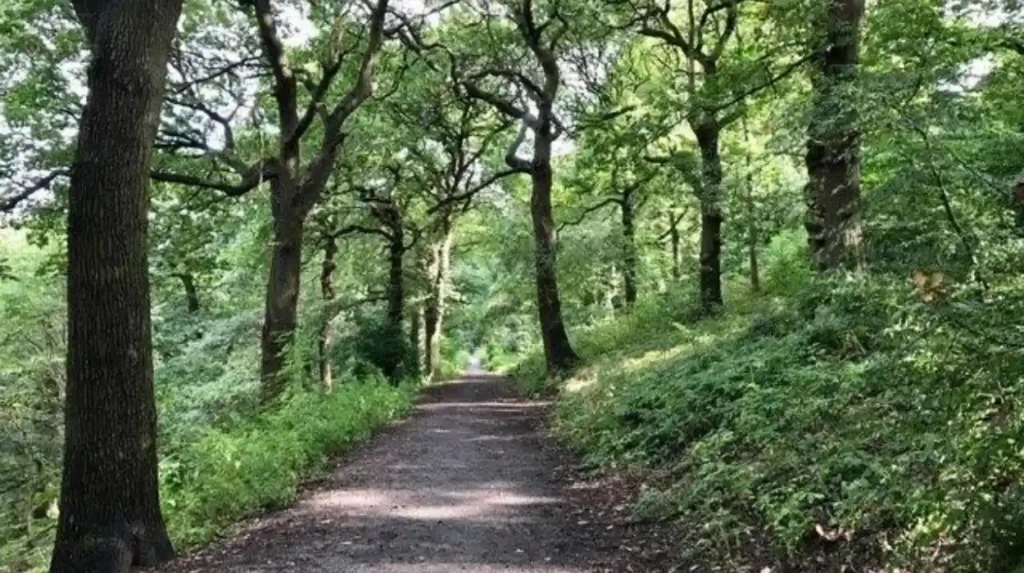
Woodhouse Ridge provides a wooded route through the local landscape. Woodland areas are valuable because trees, leaf litter, shrubs and fallen organic material create different conditions for plants, insects and other wildlife.
Visitors can help protect the site by taking litter home, respecting vegetation and following local access guidance. Volunteers should follow the instructions of the responsible conservation group when undertaking habitat work.
The Hollies
The Hollies is a local green space near Weetwood Lane. Its trees and landscaped areas contribute to the network of natural spaces in north-west Leeds.
Visitors interested in the area’s environmental value should look for opportunities to learn about woodland plants, seasonal changes and responsible park management.
West Park Fields
West Park Fields offers open green space in the wider Headingley area. Open fields and their surrounding vegetation provide different habitat conditions from dense woodland.
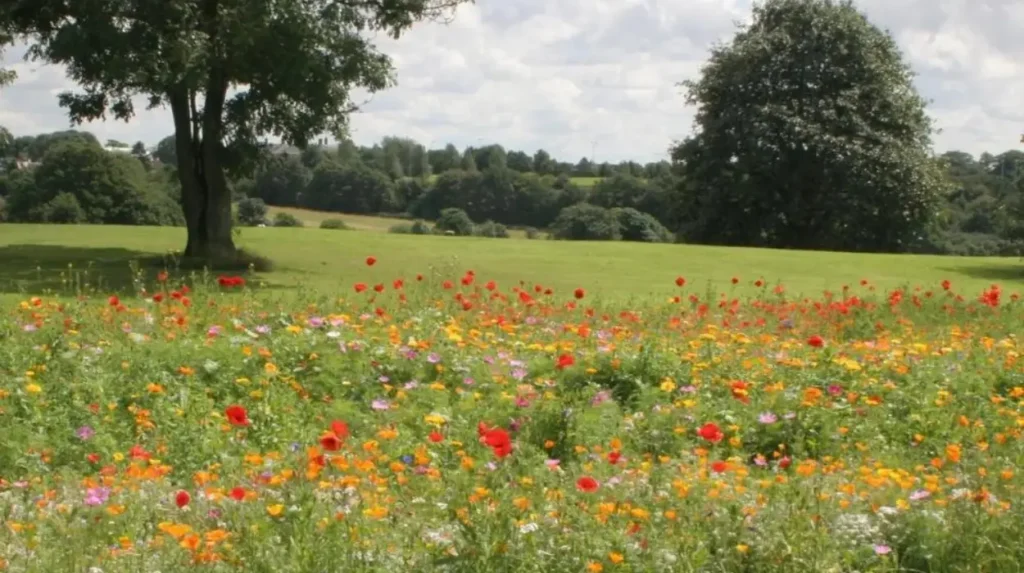
The ecological value of grassland depends on how it is managed. Flowering plants, seed-producing vegetation and suitable maintenance practices help support insects and other wildlife.
Woodhouse Moor and Meanwood Park
Woodhouse Moor is a major public open space near the University of Leeds, while Meanwood Park lies farther north within the wider local green network. Both are useful places for outdoor recreation and observing the relationship between urban communities and public green spaces.
Visitors should check current council information for access, facilities, events and any temporary restrictions before travelling.
How Can You Volunteer with Environmental Groups in Headingley?
People can support Headingley’s environment by joining organised conservation sessions, helping community gardens, maintaining green spaces and participating in environmental campaigns. Examples include woodland management with local volunteers, orchard care, community planting and sustainability activities organised through established groups.
Environmental volunteering means giving time to activities that improve habitats, reduce environmental harm or increase public understanding of nature. Opportunities vary according to the season, site requirements, volunteer capacity and the skills needed for each task.
Beginners do not necessarily need previous conservation experience. Organisers provide task-specific instructions and identify appropriate activities for new volunteers. Some roles require additional training, formal applications or minimum age requirements.
Woodland and habitat management
Woodland management tasks include removing selected invasive plants, maintaining paths, planting appropriate species and improving habitat conditions. Conservation work must follow site-specific guidance because indiscriminate cutting or vegetation removal can damage wildlife habitats.
Woodhouse Ridge is a practical starting point for people interested in local woodland conservation. The University of Leeds Conservation Volunteers society works with local environmental groups and organises activities in the wider Leeds area.
Community gardening and orchard work
Community gardens and orchards offer practical activities such as planting, weeding, composting and caring for fruit trees. These tasks help participants understand the relationship between soil, plants, insects and food production.
Bedford Fields and Headingley Community Orchard are relevant local projects for people interested in community growing. Volunteers should contact each organisation before attending to confirm its current programme and participation requirements.
Environmental clean-ups
Litter collection helps maintain public spaces and reduces the risk of waste entering waterways or harming wildlife. Organised clean-ups also raise awareness of waste prevention and responsible disposal.
Volunteers should use suitable equipment, follow the organiser’s safety instructions and avoid handling hazardous waste. Needles, chemicals and other dangerous items should be reported to the responsible authority rather than handled without appropriate training.
Sustainable living initiatives
Environmental participation also includes reducing household waste, improving energy awareness and supporting sustainable transport. Zero Carbon Headingley provides a local starting point for people interested in community-level climate action.
The University of Leeds Sustainability Service also identifies Leeds organisations that offer volunteering opportunities, including Bedford Fields, Hyde Park Source, Meanwood Valley Urban Farm, The Conservation Volunteers and Yorkshire Wildlife Trust. These provide additional options for people willing to travel beyond Headingley.
How Does Nature Conservation Protect Wildlife and Biodiversity in Headingley?
Nature conservation protects biodiversity by maintaining habitats, supporting native species and reducing pressures on urban ecosystems. In Headingley, woodland care, community planting, wildlife-friendly gardening and responsible park management help sustain ecological connections across residential areas and public green spaces.
Biodiversity describes the variety of living organisms in an area, including plants, animals, fungi and microorganisms. It also includes genetic variation and the range of habitats and ecological processes that support life.
Urban biodiversity depends on more than large nature reserves. Gardens, hedgerows, mature trees, ponds, grassland and woodland edges provide resources for wildlife throughout the year.
Native plants and pollinators
Native plants are species that occur naturally in a region. They often have established ecological relationships with local insects and other organisms.
Pollinators, including bees, butterflies and hoverflies, transfer pollen between flowers. This process supports the reproduction of many flowering plants. Wildlife-friendly planting can provide nectar, pollen and shelter in urban gardens and community growing areas.
Plant selection should reflect local conditions and the needs of the site. Organisers should avoid introducing invasive non-native plants that threaten surrounding habitats.
Trees and woodland habitats
Trees provide shade, store carbon, intercept rainfall and create habitats. Mature trees also develop features such as cavities and loose bark that provide shelter or nesting opportunities for some wildlife.
Young trees require suitable planting conditions and care during establishment. Tree planting programmes should therefore consider species selection, available space, soil conditions and long-term maintenance.
Woodland conservation also requires care around deadwood. Fallen branches and decaying wood support fungi, invertebrates and other organisms. Removing all dead material can reduce habitat diversity.
Ponds and wetland habitats
Ponds and wetlands provide breeding and feeding habitats for a range of organisms. Amphibians, aquatic invertebrates and water-associated plants depend on suitable water quality and habitat structure.
The University of Leeds Conservation Volunteers society reports work on a small wetland area within Woodhouse Ridge in coordination with WRAG. This demonstrates how community participation can support habitat regeneration at a local scale.
Wetland work requires careful planning because changes in water levels, vegetation and access can affect existing wildlife. Volunteers should follow the guidance of the responsible organisation.
Wildlife-friendly gardens
Private gardens contribute to urban biodiversity when they provide food, shelter and suitable growing conditions. Examples include planting flowering species, retaining suitable shrubs, reducing unnecessary pesticide use and creating small habitat features.
Garden owners should avoid disturbing active nests and should follow relevant wildlife protection laws. Hedge cutting and tree work require particular care during the bird breeding season.
What Is the Historical Background of Headingley’s Green Spaces?
Headingley’s green spaces reflect the area’s changing relationship with land, settlement and urban growth. Parks, wooded corridors and community gardens now provide environmental and recreational value, while local conservation groups help protect these spaces for future generations.
Headingley developed from a historic settlement into a densely connected Leeds neighbourhood. Urban expansion, residential development, educational institutions and changes in land use shaped the present landscape.
The surviving parks and wooded spaces provide a connection between the area’s built environment and its natural features. Their current value includes recreation, biodiversity, landscape character and community wellbeing.
Conservation projects also preserve local knowledge about the places people use. Community groups document maintenance needs, organise events and encourage residents to participate in decisions about their surroundings.
As you explore Headingley’s present-day parks and environmental projects, you are also encountering a landscape shaped by earlier generations. Read the full [Headingley History and Heritage Guide: From Historic Village to Modern Leeds Neighbourhood] to understand how the area developed and how its green spaces became part of the local environment.
This historical context helps explain why community stewardship matters. Protecting a park or woodland involves maintaining its ecological value while respecting its role in the wider neighbourhood.
How Can Students and Universities Support Headingley Conservation?
Students and universities support conservation through volunteer societies, environmental education, research and community partnerships. Examples include habitat management, native planting, wildlife observation and sustainability projects that connect academic learning with practical environmental improvement across Leeds.
Universities contribute to local environmental work by providing meeting networks, student societies, research expertise and opportunities for public engagement. Students can gain practical experience while supporting projects that benefit local communities.
The University of Leeds Conservation Volunteers society welcomes people interested in outdoor work and environmental conservation. Its activities include working with local groups, managing habitats and maintaining features such as ponds and paths. The society also identifies Woodhouse Ridge as a location for practical conservation work.
Students at Leeds Beckett University can also explore volunteering and sustainability opportunities through their institution and local organisations.
Environmental activities provide opportunities to develop practical skills. These include teamwork, project organisation, species identification, safe tool use and communication with community members.
Students should check membership requirements, event listings and eligibility rules before attending. Some activities are designed primarily for enrolled students, while other community projects accept volunteers from outside the university.
Researchers and student groups can also support conservation through wildlife surveys and habitat monitoring. Reliable monitoring requires consistent methods, accurate records and appropriate identification of species. Participants should follow the instructions of the project coordinator and avoid publishing sensitive information about vulnerable wildlife locations.
How Can Families and Visitors Participate in Local Environmental Activities?
Families and visitors can support conservation by joining suitable organised events, exploring public green spaces responsibly and learning about local wildlife. Examples include guided nature walks, supervised planting sessions, litter clean-ups and educational visits to community gardens and environmental centres.
Environmental participation does not always require a long-term commitment. A visitor with a free afternoon can explore a public park, attend a scheduled event or learn about a local conservation project.
Families should select activities according to the age of children, accessibility requirements and the physical demands of the task. Organisers determine whether children can participate and whether adult supervision is required.
Nature walks and wildlife observation
Nature walks help participants identify trees, flowers, birds and other organisms. They also encourage people to notice seasonal changes and the ecological relationships within urban green spaces.
Visitors should remain on designated routes where required, avoid damaging plants and observe animals from a respectful distance. Binoculars and a field notebook can help with wildlife observation without disturbing habitats.
Community gardening sessions
Community gardening introduces participants to growing practices, composting and soil care. Tasks such as sowing seeds and watering plants are suitable for many beginners, subject to the organiser’s guidance.
Participants should wear clothing appropriate for outdoor work and follow hygiene instructions when handling soil or compost. Tools should be used only as directed.
Educational visits
Meanwood Valley Urban Farm provides an additional environmental learning destination in the wider Leeds area. Established in 1980, the registered charity operates a working farm with gardens, woodland, animals and educational activities. Its site covers approximately 26 acres according to its official website.
The farm provides opportunities to learn about food growing, animal care and the relationship between urban communities and nature. It also offers volunteer roles, including work in its market garden, subject to application and induction requirements.
Visitors should confirm current opening times, admission prices, accessibility information and activity schedules before travelling.
How Can Residents Join or Support Headingley Environmental Groups?
Residents can support local environmental organisations by contacting group coordinators, attending public meetings, volunteering for scheduled tasks or contributing practical skills. Examples include helping with park maintenance, promoting events, supporting community gardens and participating in local sustainability initiatives.
The best way to join an environmental group is to identify a project that matches personal interests, availability and physical ability. Some people prefer practical outdoor work, while others contribute through communications, fundraising, administration or event organisation.
Contact the group directly
Most local groups provide information through a website, social media account or community directory. Contacting the organiser before attending helps establish whether the group currently accepts volunteers and whether advance registration is required.
Ask about the next event, meeting location, equipment requirements and any age restrictions. Confirm whether the work involves uneven ground, lifting or specialist tools.
Participate in community events
Public events introduce new participants to the group’s objectives and current projects. They also help residents understand how environmental decisions are made and how different organisations cooperate.
Some events focus on education rather than practical work. Talks, nature walks and community meetings provide alternatives for people who cannot undertake physically demanding activities.
Offer professional skills
Environmental groups also need help with planning, communications, fundraising, digital content and event coordination. People who work remotely or visit Headingley for business can ask organisers about short, clearly defined tasks.
Digital skills support the promotion of events, volunteer recruitment and environmental education. Professional experience in photography, web publishing, design or administration can be useful when a group needs those services.
People should agree on the task and expected time commitment before beginning. This approach helps community organisations use volunteers’ skills effectively.
What Environmental Challenges Affect Headingley and Its Green Spaces?
Headingley’s green spaces face environmental pressures associated with urban development, litter, habitat fragmentation and changing weather conditions. Examples include disturbance to woodland habitats, loss of flowering plants, pressure on public paths and the need to maintain trees and green corridors.
Urban conservation involves managing environmental pressures while accommodating the needs of residents and visitors. Green spaces must provide recreation and access without losing their ecological functions.
Habitat fragmentation
Habitat fragmentation occurs when a continuous natural area is divided into smaller, separated sections. Roads, buildings and other infrastructure can interrupt wildlife movement and reduce the size of available habitats.
Maintaining links between parks, gardens and wooded corridors helps support ecological connectivity. Community planting and careful landscape management can contribute to this objective.
Litter and waste
Litter affects the appearance and environmental quality of public spaces. Some discarded materials also pose risks to wildlife or enter drainage systems and waterways.
Visitors can help by taking their waste home, using appropriate bins and reducing disposable packaging. Community clean-ups provide an additional way to address existing litter.
Climate and weather pressures
Changing weather conditions affect vegetation, soil moisture and the management of urban green spaces. Hotter periods increase the importance of shade, while heavy rainfall can contribute to erosion and drainage problems.
Trees, healthy soils and suitable vegetation help manage some environmental pressures. Their effectiveness depends on good site design, appropriate maintenance and long-term planning.
Development and public access
Urban development creates competing demands for land. Planning decisions must consider housing, transport, public access, biodiversity and the protection of important green spaces.
Residents can contribute by engaging with public consultations and following proposals affecting their local environment. Leeds City Council provides information about parks, countryside management and community volunteering.
Explore More Area Guide
Burgerism Smash Burger Chain Expands to Leeds City Centre 2026
Headingley Gardening Groups and Allotment Opportunities Guide
How Can You Find Current Conservation Events and Volunteering Opportunities?
The most reliable way to find current conservation opportunities is to check official group websites, university volunteering pages and Leeds City Council information. Examples include local friends groups, Headingley Development Trust, the University of Leeds Conservation Volunteers and council-supported wildlife projects.
Environmental events change according to season, weather, volunteer availability and project requirements. An organisation’s general activities do not guarantee that a particular event is currently scheduled.
Start with the website of the group responsible for the green space or project you want to support. Check announcements, contact details and participation instructions before travelling.
Leeds City Council publishes information about volunteering in parks and green spaces. Its programme includes practical conservation, wildlife surveys, path maintenance and activities with local friends groups. The council also identifies Leeds Wildlife Volunteers and The Conservation Volunteers at Hollybush among its opportunities.
The University of Leeds Sustainability Service provides another route into local environmental volunteering. Its published directory includes organisations such as Bedford Fields, Meanwood Valley Urban Farm, The Conservation Volunteers and Yorkshire Wildlife Trust.
Before attending an event, confirm the meeting point, start time, duration, accessibility and equipment requirements. Check whether registration is mandatory and whether the activity has a minimum age.
For people visiting Headingley for a short stay, a public nature walk or an open community event is often easier to arrange than a role requiring induction or a regular commitment.
Why Are Headingley’s Nature Conservation Groups Important for the Future?
Headingley’s conservation groups help protect local green spaces, encourage environmental participation and strengthen connections between residents and nature. Examples include community orchards, woodland action groups, park friends organisations and climate initiatives that support long-term environmental awareness.
The future of urban conservation depends on maintaining existing habitats while improving the quality and connectivity of green spaces. Community organisations contribute by identifying local needs, involving residents and working with public authorities.
Their activities also support environmental education. People who participate in planting, habitat management or wildlife observation gain practical knowledge of how urban ecosystems function.
Community-led projects complement the work of councils, universities and specialist conservation organisations. Their local knowledge helps identify problems that require attention, while partnerships provide access to technical guidance and additional resources.
For visitors, participation offers a practical way to understand Headingley’s environmental character beyond its shops, cafés and university facilities. For residents, ongoing involvement supports the care of shared spaces and builds local environmental awareness.
The most effective starting point is straightforward: choose a local project, confirm its current arrangements and take part in an activity suited to your interests and availability.
Headingley’s network of green spaces and environmental groups provides a foundation for continued community action. Supporting these initiatives helps maintain accessible outdoor spaces, strengthen biodiversity and encourage responsible stewardship of the local environment.
What nature conservation groups operate in Headingley?
Headingley has several community environmental initiatives, including Friends of Beckett Park, Bedford Fields Community Forest Garden, Headingley Community Orchard, Woodhouse Ridge Action Group and Zero Carbon Headingley. These groups support green spaces, community gardening, habitat conservation and environmental awareness.