Headingley is a major residential, leisure and transport area in north-west Leeds. Its position around two miles from Leeds city centre makes it a practical base for visitors travelling between accommodation, railway stations, entertainment venues, sports grounds and other destinations across West Yorkshire.
- What taxi and pre-booked transfer services are available in Headingley?
- What is the difference between a taxi and a private hire vehicle?
- Why do visitors use pre-booked transfers?
- How do you book a taxi or local transfer in Headingley?
- What should you check before choosing a Headingley taxi provider?
- How are taxi and private hire services regulated in Leeds?
- How do airport and railway station transfers work from Headingley?
- What details should you give for an airport transfer?
- How should you plan a railway station collection?
- What factors affect taxi journey times and fares in Headingley?
- How do taxis support accessible and family travel in Headingley?
- When is a pre-booked local transfer more suitable than other transport?
- Which journeys are suited to a direct transfer?
- How does a transfer fit into a wider Leeds itinerary?
- What should you do if your taxi or transfer journey changes?
- How can visitors use taxi services safely and efficiently in Headingley?
- Why will pre-booked transfers remain important for travel around Headingley?
Taxi services and pre-booked transfers provide an important part of local transport. They offer direct journeys that do not depend on fixed bus or rail routes. Licensed vehicles also support passengers travelling with luggage, families using child equipment, disabled passengers and people making early-morning or late-night journeys.
This guide explains how taxi services work in Headingley, how to arrange a pre-booked local transfer, what licensing rules apply and which factors affect journey planning.
What taxi and pre-booked transfer services are available in Headingley?
Headingley passengers can use licensed hackney carriages, private hire vehicles and pre-booked transfer services for journeys across Leeds and beyond. Each service operates under different booking and licensing rules, making vehicle identification and advance planning important for safe, efficient travel.
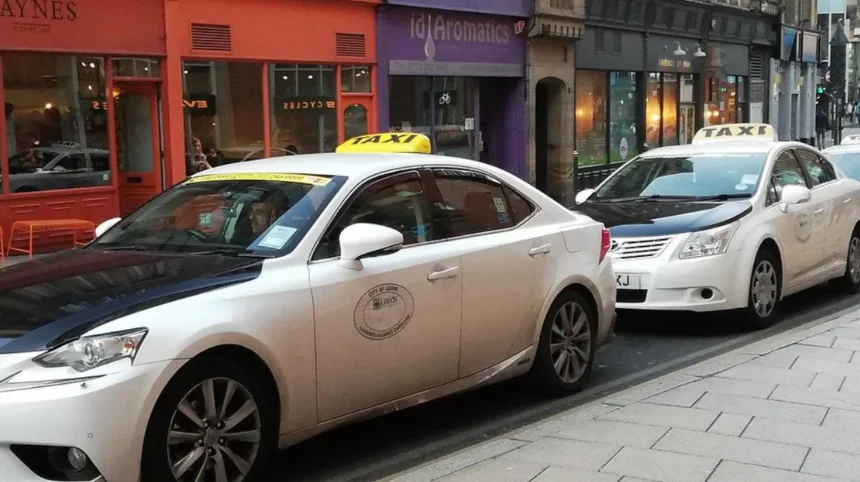
Taxi transport in Headingley falls into two main regulated categories. The categories are hackney carriage vehicles and private hire vehicles. Leeds City Council licenses both types as part of its responsibility for local taxi and private hire regulation.
A hackney carriage is a licensed vehicle that can generally be hired at an authorised taxi rank or hailed when it is legally and safely possible to stop. A private hire vehicle must be booked through a licensed private hire operator before the journey begins.
Pre-booked local transfers normally use the private hire model. A passenger contacts an operator by telephone, website or booking application and provides journey details in advance. The operator then allocates a licensed driver and vehicle.
Headingley serves several important local destinations. These include Headingley railway station, the University of Leeds area, Leeds city centre and major sporting venues. A taxi journey also provides a direct connection when a passenger is travelling between locations without a convenient public transport route.
What is the difference between a taxi and a private hire vehicle?
The main difference is how the journey is arranged. Hackney carriages can use ranks and accept street hails where permitted. Private hire vehicles only undertake journeys that have been pre-booked through a licensed operator.
Passengers should not assume that every vehicle displaying commercial branding is available for immediate hire. A private hire journey requires a booking. The booking creates a record of the passenger’s request and links the journey to the licensed operator.
Why do visitors use pre-booked transfers?
Pre-booking provides a defined collection arrangement. The passenger supplies the pickup location, destination and requested journey time before travel. The operator can allocate an appropriate vehicle and communicate relevant collection details.
This process is particularly useful for airport connections, railway station collections and journeys scheduled outside regular daytime travel periods. Business travellers also use pre-booked transport when a meeting or event has a fixed start time.
How do you book a taxi or local transfer in Headingley?
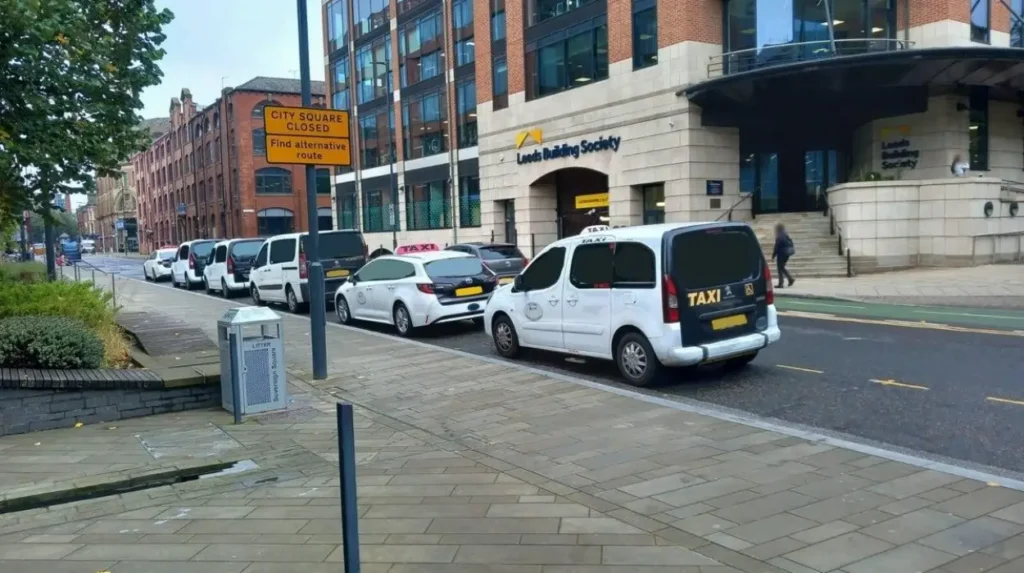
Passengers book private hire transfers by contacting a licensed operator and providing accurate pickup, destination, time and passenger details. Confirming the booking before travel creates a clear collection arrangement and allows the operator to allocate a suitable licensed vehicle.
The booking process begins with the journey information. The most important details are the precise pickup point, destination and required collection time.
A full address is useful when the pickup location is outside a prominent transport hub. Headingley contains residential streets, university buildings, hospitality venues and sports facilities. Clear collection instructions reduce confusion when several entrances or meeting points exist.
Passengers should also state the number of people travelling. This helps the operator allocate a vehicle with sufficient passenger capacity. Luggage, folding pushchairs and mobility equipment should also be mentioned when they affect the available space.
What information should you provide when booking?
A complete booking includes several core details. These are the pickup address, destination, collection time and passenger number.
Additional information improves the collection process. Examples include a train arrival time, flight number, hotel reception entrance or a specific stadium gate. A contact telephone number enables the operator or driver to communicate about the collection.
If the journey requires an accessible vehicle, the request should be made at the booking stage. Operators need sufficient information to identify an appropriate vehicle and confirm availability.
Should you pre-book an important journey?
Advance booking is useful when the journey has a fixed timetable. Examples include an airport departure, a railway connection and a business appointment.
Pre-booking also creates a record of the requested collection time. Passengers should check the confirmation and ensure that the pickup location is correct.
Demand varies according to time and local activity. Headingley experiences additional transport demand during major sporting fixtures, university events and busy weekend periods. Booking ahead provides more time for an operator to arrange the journey.
What should you check before choosing a Headingley taxi provider?
Passengers should verify that the operator and vehicle are properly licensed, understand the booking terms and confirm practical journey requirements. Checking these details before travel supports passenger safety and helps prevent confusion about vehicle identity, collection arrangements and payment.
Licensing is one of the most important checks. Taxi and private hire regulation establishes standards for drivers, vehicles and operators.
In Leeds, the local authority has a central role in licensing the taxi and private hire trade. Licensing requirements cover matters such as driver suitability, vehicle standards and operator responsibilities.
Passengers should use recognised booking channels. These include an operator’s official telephone service, website or authorised booking application. The booking information should identify the journey details and provide a method of contacting the operator if necessary.
How do you identify the correct vehicle?
Passengers should follow the collection details supplied by the operator. The vehicle registration, driver information or other identification details can help distinguish the allocated vehicle from another car arriving nearby.
This is especially important at busy locations. Examples include railway stations, hotels and large event venues.
Passengers should avoid entering a vehicle when they have not confirmed that it is connected to their booking. A private hire vehicle operates through a pre-arranged booking and should be identifiable through the relevant licensing and operator information.
What should you ask about before confirming?
The passenger should establish the expected fare arrangement or pricing method where this information is available before the journey. Some journeys are priced according to distance, time or an agreed booking quotation.
The passenger should also check the operator’s payment arrangements. Examples include card payment, cash payment and payment through a booking application.
Special requirements should be confirmed in advance. These include additional luggage space, wheelchair accessibility and child travel arrangements.
How are taxi and private hire services regulated in Leeds?
Taxi and private hire services in Leeds operate within a licensing system administered by Leeds City Council, supported by national legislation. The system regulates drivers, vehicles and operators to establish standards for public safety, vehicle suitability and lawful passenger transport.
Taxi and private hire regulation combines local licensing with national legal frameworks. The Local Government (Miscellaneous Provisions) Act 1976 provides important powers relating to private hire vehicles and operators outside London. Other legislation and local licensing policies also shape the regulatory system.
Leeds City Council licenses drivers and vehicles operating under its jurisdiction and sets local requirements through its taxi and private hire licensing arrangements.
The regulatory structure separates several entities. A driver is the person authorised to carry passengers. A vehicle is the licensed car or other approved passenger vehicle. An operator accepts and manages private hire bookings.
Why does licensing matter to passengers?
Licensing creates a formal regulatory framework. It establishes requirements before a driver or vehicle enters licensed passenger service.
Vehicle standards are intended to address suitability and safety. Driver licensing involves checks and eligibility requirements. Operator licensing governs the business responsible for taking private hire bookings.
Passengers benefit from using licensed services because the journey sits within an identifiable regulatory system. The operator and licensing authority provide clear points of contact when a passenger needs information about a booking or wishes to raise a concern.
What role does Leeds City Council have?
Leeds City Council is the local authority responsible for taxi and private hire licensing within its area. Its role includes setting and administering licensing policies and taking enforcement action where licensing requirements are breached.
Licensing information also helps passengers understand the difference between regulated passenger services and informal transport arrangements. A legitimate booking should connect the passenger with an authorised operator and an appropriately licensed vehicle and driver.
How do airport and railway station transfers work from Headingley?
Pre-booked transfers connect Headingley with major railway stations and airports through direct road journeys arranged for a specific collection time. Passengers should allow sufficient travel time, provide accurate transport details and account for traffic when scheduling onward connections.
Headingley has road connections to Leeds city centre and the wider West Yorkshire transport network. A private hire vehicle can provide a direct journey from a hotel, residence or meeting point to a transport terminal.
Leeds Bradford Airport is the nearest major airport to Headingley. Journey times depend on traffic conditions, the pickup point and the route used. Passengers with a flight should build additional time into their travel plan rather than relying on a single estimated road journey time.
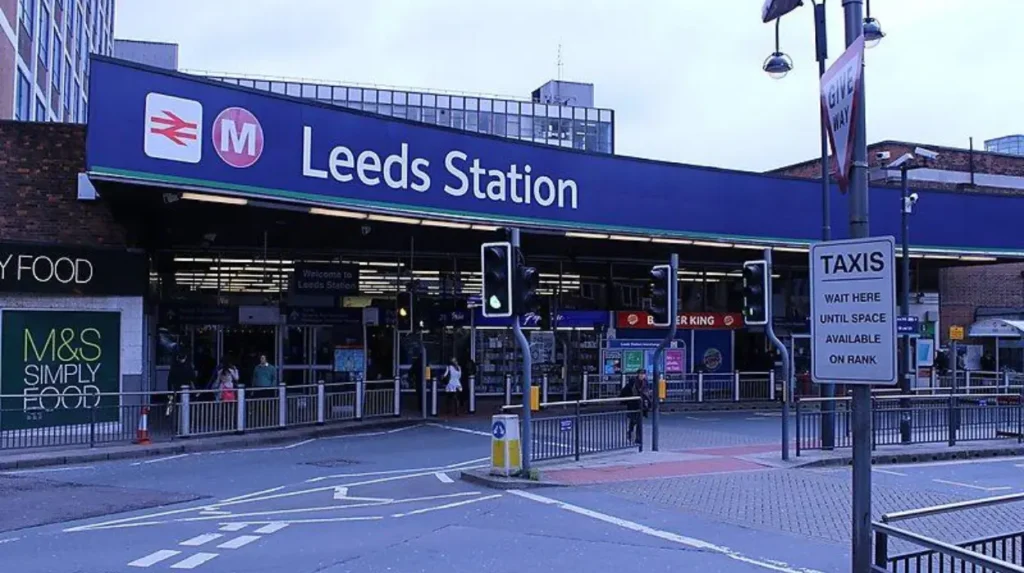
Leeds railway station is a major rail hub for the city. Pre-booked transport can be useful when travelling with heavy luggage, arriving late or connecting between a specific Headingley address and the station.
What details should you give for an airport transfer?
The booking should include the airport, terminal where relevant and required arrival time. For a return collection, passengers should provide the flight number and scheduled arrival details where requested by the operator.
International travel introduces additional timing considerations. Passengers need to account for airline check-in rules, security procedures and the time required to reach the correct terminal area.
The road journey forms only one part of the airport timetable. A reliable travel plan includes both the vehicle collection and the processes required after arrival at the airport.
How should you plan a railway station collection?
Train passengers should identify the arrival station and scheduled arrival time. Leeds has a large and busy central station environment, so a clear meeting arrangement is useful.
Passengers should allow time to leave the platform area and reach the agreed collection point. This is particularly important when travelling with luggage or children.
What factors affect taxi journey times and fares in Headingley?
Journey time and cost depend on distance, traffic conditions, collection timing, route requirements and the operator’s pricing structure. Passengers should provide complete journey details and check fare arrangements before travel, particularly for longer transfers and time-sensitive journeys.
Road conditions have a direct effect on local journey planning. Headingley contains busy routes connecting north-west Leeds with the city centre and neighbouring districts. Traffic levels change throughout the day.
A journey scheduled during a major event can face different road conditions from the same journey on an ordinary weekday. Sporting fixtures and university activity also affect passenger demand and local vehicle availability.
Fare structures depend on the type of licensed service and the applicable pricing arrangements. A hackney carriage can operate under an authorised fare structure. A private hire journey is arranged through an operator and should have clear booking terms.
Why do collection times matter?
A collection time determines when the vehicle is requested to arrive at the pickup location. It does not remove the need to plan for traffic or external disruption.
Passengers travelling to a flight or train should schedule the vehicle with sufficient time for the full journey. This includes the road journey and the time required after reaching the terminal or station.
For return journeys, the collection arrangement should reflect the expected completion time of the event, meeting or transport connection.
How do local events affect availability?
Large events increase demand for passenger transport. Headingley is closely associated with major sporting facilities, including Headingley Stadium.
As you plan journeys around the area’s modern transport network, you are travelling through a district with a significant local heritage. Read about the full [Insert Anchor Text for History Article Here] to understand its origins.
Passengers attending an event should consider booking transport before the venue becomes busy. The collection point should also be agreed in advance because road access restrictions and pedestrian crowds can affect where vehicles stop.
How do taxis support accessible and family travel in Headingley?
Licensed taxi and private hire services support passengers with different travel requirements through advance communication and suitable vehicle arrangements. Families, disabled passengers and travellers carrying equipment should explain their needs when booking to help operators allocate appropriate transport.
A direct vehicle journey can reduce the number of changes required during a trip. This is useful for passengers travelling with children, luggage or mobility equipment.
Accessibility requirements vary between passengers and vehicles. A wheelchair-accessible vehicle is designed to carry a wheelchair user according to its approved configuration. Availability depends on the local fleet and the operator’s booking arrangements.
Passengers should give as much relevant information as possible when requesting accessible transport. This includes the type of mobility equipment and the number of accompanying passengers.
What should families consider when booking?
Families should state the number and age group of passengers where this affects the journey arrangements. They should also explain whether they are travelling with a pushchair or other large equipment.
Child restraint requirements should be considered before travel. Parents and guardians remain responsible for understanding the applicable legal requirements for children travelling in vehicles.
A pre-booked journey gives the family an opportunity to discuss practical requirements with the operator before the vehicle arrives.
How should disabled passengers arrange a transfer?
The booking request should explain the passenger’s transport requirements clearly. Examples include wheelchair access, assistance with boarding and sufficient space for mobility equipment.
The operator can then determine whether an appropriate vehicle is available for the requested time. Advance notice is particularly important for journeys with a fixed appointment or transport connection.
Passengers should confirm the final collection details and retain the operator’s contact information.
When is a pre-booked local transfer more suitable than other transport?
A pre-booked transfer is most useful when passengers need a direct journey between specific locations, have fixed travel times or carry substantial luggage. The service complements buses and trains by providing door-to-door transport without scheduled route restrictions.
Public transport remains an important part of travel around Leeds. Buses and trains serve many journeys efficiently. A taxi or private hire transfer serves a different function by connecting a precise origin with a precise destination.
This distinction is important for visitors unfamiliar with the local network. A direct transfer removes the need to identify interchange points or walk between separate transport services.
Pre-booked transport also helps when the start or end point is outside convenient public transport operating patterns.
Which journeys are suited to a direct transfer?
Several journey types benefit from a direct vehicle. Examples include hotel-to-airport journeys, railway station-to-accommodation journeys and venue-to-home journeys.
A business traveller can also use a pre-booked transfer between a meeting location and a transport hub when the timetable is fixed.
The suitability depends on the journey requirements, available public transport and the passenger’s time constraints.
How does a transfer fit into a wider Leeds itinerary?
Visitors often combine several forms of transport during a stay. A train can provide the long-distance connection, while a local transfer completes the final part of the journey.
This approach is useful when accommodation is located away from a station or when luggage makes a bus connection less practical.
Headingley also provides access to leisure, university and sporting areas. Transport planning helps visitors move between these locations while allowing sufficient time for booked activities.
What should you do if your taxi or transfer journey changes?
Passengers should contact the booking operator promptly when a pickup time, location or journey requirement changes. Early communication allows the operator to update the booking, check vehicle availability and provide revised collection information before the scheduled journey.
Travel plans can change because of delayed trains, altered meetings or extended events. The operator needs accurate information to manage the booking.
Passengers should use the contact method provided during the reservation. A clear message should state the booking details and the required change.
A last-minute change can affect vehicle availability. An operator cannot allocate a vehicle that is already committed to another booking, so early notice gives the best opportunity to revise the arrangement.
What happens if a train or flight is delayed?
The passenger should contact the operator when a significant delay becomes known. The updated arrival information helps the operator assess whether the collection arrangement needs to change.
Passengers should not assume that a driver will automatically know about every transport delay. The booking terms determine how monitoring and waiting arrangements operate.
Keeping the operator informed creates a clearer record of the revised journey requirements.
What should you do if you cannot find the driver?
Passengers should contact the operator using the booking contact details. They should confirm their exact location and check the agreed collection point.
Busy transport hubs can contain several entrances and designated pickup areas. A precise location description helps the operator coordinate communication with the driver.
Explore More Area Guide
Headingley Guide to Pram-Friendly Travel Around Leeds
Headingley Accessible Bus Travel Guide for Disabled Passengers
How can visitors use taxi services safely and efficiently in Headingley?
Safe and efficient taxi travel starts with using licensed services, confirming vehicle identity and keeping accurate booking details. Passengers should communicate special requirements, plan extra time for important connections and contact the operator directly when journey arrangements change.
The first step is selecting a legitimate licensed service. A pre-booked private hire journey should be arranged through an authorised operator rather than an informal arrangement.
The second step is confirming the journey details. Pickup location, destination and time should be checked before the vehicle is due to arrive.
The third step is identifying the allocated vehicle correctly. Passengers should follow the operator’s collection instructions and confirm the booking before entering.
What is the best planning checklist?
The journey should begin with four essential details: location, time, destination and passenger requirements. These details allow the operator to process the booking accurately.
Important journeys require additional planning. An airport transfer needs sufficient time for terminal procedures. A railway connection requires time to reach the correct platform or station entrance. An event collection needs a practical meeting point.
Passengers should retain booking confirmation information until the journey is complete.
Why will pre-booked transfers remain important for travel around Headingley?
Pre-booked transfers remain an important part of Headingley travel because they provide direct, flexible connections between homes, accommodation, transport hubs and venues. Digital booking systems and regulated licensing continue to support clearer journey management and passenger identification.
Digital technology has changed how many passengers arrange local transport. Online booking systems and applications enable users to submit journey details and receive booking information without visiting an office.
The underlying transport function remains the same. A licensed operator connects a passenger’s journey request with an authorised driver and suitable vehicle.
Headingley’s role as a residential, educational and leisure district creates continuing demand for flexible local travel. Visitors and residents require transport at different times and between locations that do not always share a direct bus or rail connection.
The future relevance of taxi and pre-booked transfer services therefore rests on their ability to provide a regulated, direct connection within the wider Leeds transport system.
For passengers, the essential principles remain clear. Use licensed services. Book important journeys in advance. Provide accurate travel information. Confirm the collection arrangements. Allow sufficient time for major transport connections.
What is the difference between a taxi and a private hire vehicle in Headingley?
A hackney carriage taxi can operate from authorised ranks and accept street hails where permitted. A private hire vehicle must be booked in advance through a licensed private hire operator. Leeds City Council regulates both services through its taxi and private hire licensing system.