Headingley is a densely developed area of north-west Leeds where parks, gardens, trees, waterways and connected green spaces support a wide range of wildlife. Understanding these habitats helps visitors and residents recognise how urban biodiversity functions and why local green infrastructure has environmental value.
- What wildlife habitats are found in Headingley?
- Parks and public green spaces
- Private gardens and residential planting
- Green corridors and linear habitats
- Why is urban biodiversity important in Headingley?
- Which animals and plants contribute to Headingley’s urban biodiversity?
- Birds and urban habitats
- Mammals in the urban landscape
- Insects and other invertebrates
- Native and cultivated plants
- How do parks, gardens and trees create connected wildlife habitats?
- What pressures affect wildlife habitats in urban areas?
- How does biodiversity conservation work in Leeds and the wider urban landscape?
- How can visitors observe Headingley’s wildlife responsibly?
- What practical actions improve urban biodiversity?
- Create a wider range of habitat conditions
- Reduce unnecessary disturbance
- Record and learn about local nature
- What is the future of wildlife habitats and biodiversity in Headingley?
Urban biodiversity describes the variety of living organisms found within towns and cities. It includes native plants, fungi, insects, birds, mammals and other organisms, together with the habitats and ecological relationships that support them. In Headingley, biodiversity exists across formal parks, private gardens, roadside vegetation, mature trees, sports grounds and green corridors that connect the neighbourhood with the wider Leeds landscape.
The subject matters because urban nature provides measurable environmental functions. Vegetation stores carbon, intercepts rainfall, provides shade and creates feeding and breeding opportunities for wildlife. Accessible natural spaces also support recreation, education and the understanding of local environments.
Headingley sits within the wider ecological landscape of Leeds. Its built-up streets do not form a complete barrier to wildlife. Species move through networks of suitable habitat, using gardens, tree-lined routes, railway margins and larger green spaces. The quality, size and connection of these areas influence which species can survive in an urban setting.
What wildlife habitats are found in Headingley?
Headingley contains a network of urban wildlife habitats, including parks, gardens, mature trees, grassland, waterways and transport corridors. Each habitat provides food, shelter or breeding space, while connected green areas allow species to move through the wider urban landscape.
A habitat is the place where an organism finds the resources required to survive. These resources include food, water, shelter and suitable conditions for breeding. Urban habitats differ in size and management, but even small areas can contribute to the wider ecological network.
Parks and public green spaces
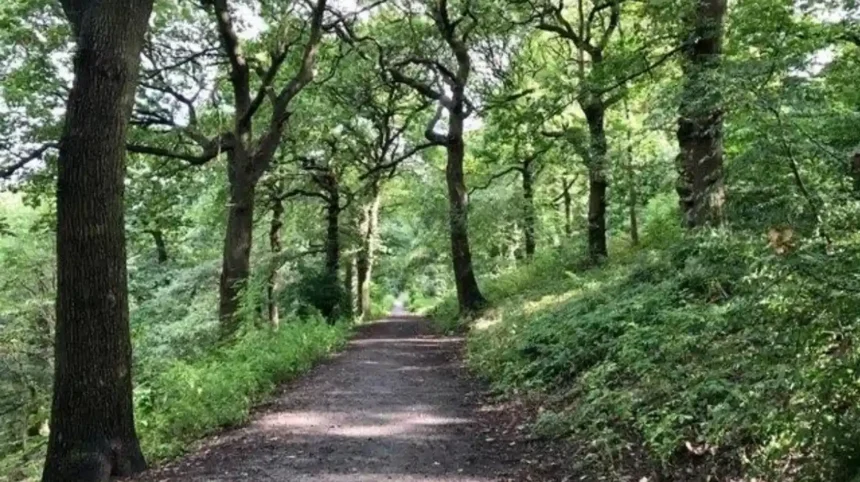
Public parks provide some of the largest accessible areas of vegetation within urban neighbourhoods. Grass, mature trees, shrubs and planted borders create different conditions for wildlife. A single park can contain several habitat types, including open grassland, woodland edges and areas of dense vegetation.
Trees are particularly important structural features. Mature trees provide nesting locations for birds and shelter for invertebrates. Their flowers, leaves, seeds and associated insects also form part of urban food chains.
Private gardens and residential planting
Private gardens form a significant part of the urban green network. Their combined area creates a patchwork of habitats across residential streets. Flowering plants support pollinating insects, while hedges and dense shrubs provide cover for birds and small mammals.
Gardens also function as stepping stones between larger green spaces. A stepping stone habitat is a smaller suitable area that helps wildlife move across a landscape where continuous habitat does not exist.
Green corridors and linear habitats
Green corridors are connected strips of vegetation that allow wildlife movement between larger habitat areas. Examples include tree-lined routes, railway land and vegetated boundaries.
Connectivity is a central principle of urban ecology. Isolated habitats support fewer opportunities for movement and genetic exchange than connected habitat networks. Green corridors therefore contribute to the resilience of urban wildlife populations.
Why is urban biodiversity important in Headingley?
Urban biodiversity supports ecological processes that keep neighbourhood environments functioning, including pollination, water management, soil formation and natural food chains. In Headingley, diverse habitats also strengthen green infrastructure, improve environmental quality and connect residents and visitors with local nature.
Biodiversity is commonly measured at several levels. Genetic diversity describes variation within a species. Species diversity describes the range of different species in an area. Ecosystem diversity describes the variety of habitats and ecological systems.
These levels are connected. A diverse urban environment generally contains a greater range of food sources, shelter types and ecological relationships.
Biodiversity supports ecosystem services
Ecosystem services are benefits that natural systems provide to people and the wider environment. Urban vegetation contributes to several important services.
Trees and plants intercept rainfall. This reduces the volume and speed of water reaching drains and hard surfaces. Vegetation also creates shade and helps moderate local temperatures during warm conditions.
Pollinating insects transfer pollen between flowers. Bees, hoverflies and butterflies are examples of pollinating insects. This process supports the reproduction of many flowering plants.
Soil organisms, including fungi and invertebrates, contribute to decomposition. Decomposition breaks down dead organic material and returns nutrients to the ecosystem.
Urban wildlife contributes to environmental awareness
Wildlife in cities provides regular opportunities to observe ecological processes without travelling to remote countryside. Birds feeding in trees, insects visiting flowers and fungi growing in decaying wood demonstrate different parts of local ecosystems.
For tourists and leisure travellers, urban nature adds another layer to understanding a destination. Public green spaces reveal how a city manages land, protects mature vegetation and balances development with environmental needs.
As you explore Headingley’s modern green spaces, you are also crossing land shaped by earlier settlement and development. Read about the full [Insert Anchor Text for History Article Here] to understand its origins.
Which animals and plants contribute to Headingley’s urban biodiversity?
Headingley’s urban biodiversity includes birds, mammals, insects, plants, fungi and soil organisms. Common urban species depend on different habitat features, such as mature trees, flowering plants, dense vegetation, dead wood and connected green spaces across the neighbourhood.
Urban wildlife is often most visible through birds and mammals, but less conspicuous organisms are equally important. Insects, fungi and microorganisms support food webs and nutrient cycles.
Birds and urban habitats
Birds use different parts of the urban environment according to their feeding and nesting requirements. Mature trees provide elevated nesting and roosting locations. Shrubs provide dense cover. Open grass areas support species that feed on the ground.
Bird diversity depends on habitat structure. An area containing only short grass offers fewer ecological niches than an area containing grass, shrubs, trees and flowering vegetation.
Mammals in the urban landscape
Small mammals use gardens, vegetation and connected green areas for shelter and movement. Hedgehogs are associated with connected garden landscapes where gaps in boundaries allow movement. Bats use the urban landscape for feeding and navigation, with trees and other landscape features forming important structural elements.
The presence of mammals depends on access to food, shelter and safe movement routes. Fragmented habitats create additional barriers.
Insects and other invertebrates
Invertebrates include insects, spiders, worms and many other animals without backbones. They are essential components of urban ecosystems.
Flowering plants provide nectar and pollen. Leaf litter and dead wood provide habitat for decomposers and other invertebrates. These organisms also provide food for birds, mammals and amphibians.
Native and cultivated plants
Plants form the physical foundation of most terrestrial habitats. Native plants are species that occur naturally in a region without being introduced through human activity. Cultivated plants are deliberately grown by people.
Both can contribute resources to urban wildlife. However, habitat value depends on plant type, structure, seasonal flowering patterns and management. A diverse planting scheme creates a wider range of resources than a uniform area with limited vegetation.
How do parks, gardens and trees create connected wildlife habitats?
Parks, gardens and trees create a connected habitat network by providing wildlife with feeding areas, shelter and movement routes. Small green spaces gain greater ecological value when they link with larger habitats instead of remaining isolated within heavily built-up areas.
Urban areas contain a mosaic of land uses. Buildings and roads occupy much of the surface, while green spaces are distributed between them. Wildlife responds to the pattern created by these different land uses.
Habitat connectivity
Habitat connectivity describes how easily organisms can move between suitable areas. Connected habitats reduce isolation and provide access to seasonal food and breeding sites.
There are two broad forms of connectivity. Structural connectivity refers to the physical arrangement of habitat. Functional connectivity refers to whether a species can actually move through the landscape.
A tree-lined route provides structural connectivity, but its functional value varies between species. A bird can cross a larger gap than some ground-dwelling animals.
The role of mature trees
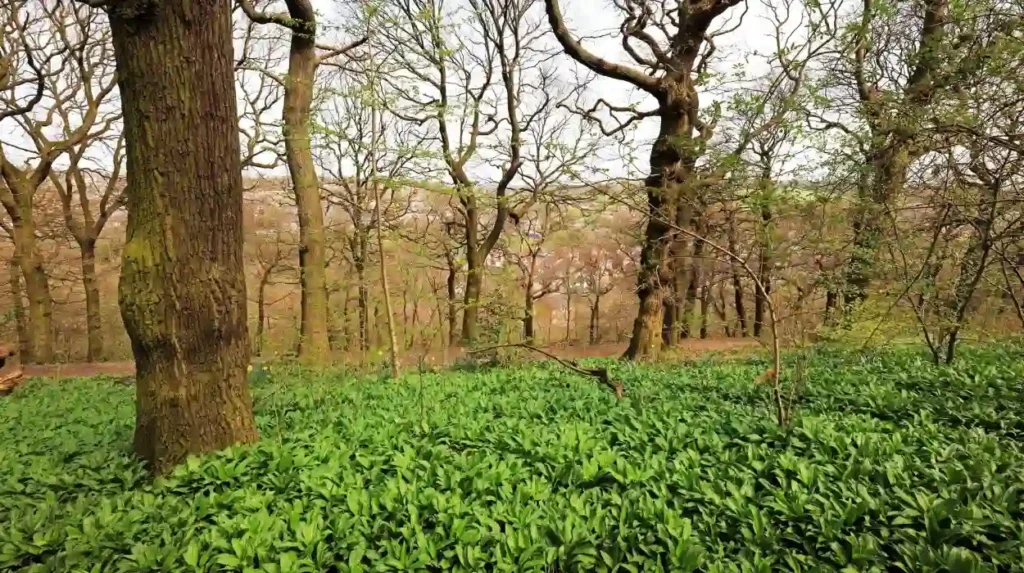
Mature trees provide ecological value that develops over long periods. Their size creates greater surface area for leaves, bark and branches. Older trees can also develop cavities and dead wood features.
Dead wood is an important habitat resource. It supports fungi and invertebrates, which then contribute to wider food webs. Retaining suitable dead wood within managed green spaces supports biodiversity when public safety requirements allow it.
Gardens as a neighbourhood network
Individual gardens are often small, but their combined area can be extensive. Connected planting creates routes across residential areas.
Hedges are particularly valuable landscape features. They provide shelter, nesting opportunities and movement routes. A varied hedge containing several plant species offers greater structural diversity than a single-species boundary.
What pressures affect wildlife habitats in urban areas?
Urban wildlife habitats face pressure from land development, habitat fragmentation, pollution, intensive management and climate change. Protecting biodiversity requires long-term planning that retains habitat features, improves ecological connections and reduces unnecessary damage to wildlife and vegetation.
Urban development changes land cover. Buildings and hard surfaces can replace vegetation, while roads create barriers to movement. The effects depend on the scale and location of development and the quality of remaining habitat.
Habitat loss and fragmentation
Habitat loss occurs when a suitable ecological area is removed or substantially altered. Habitat fragmentation occurs when continuous habitat is divided into smaller isolated sections.
Both processes affect wildlife populations. Smaller habitat patches generally support fewer resources, while isolation makes movement between patches more difficult.
Planning systems therefore consider green infrastructure and ecological networks when assessing land use. Green infrastructure is a strategically planned network of natural and semi-natural features that provides environmental and social benefits.
Intensive land management
Frequent mowing, removal of vegetation and excessive tidying can reduce habitat complexity. Wildlife requires different conditions at different stages of its life cycle.
Longer grass supports insects and provides cover. Flowering vegetation supplies resources for pollinators. Shrubs and trees provide vertical structure.
This does not mean every green space should remain unmanaged. Urban land has recreation, access and safety requirements. Biodiversity-focused management identifies areas where habitat features can be retained alongside public use.
Pollution and environmental change
Air, water and light pollution affect urban ecosystems. Artificial light at night can alter the behaviour of nocturnal species. Chemical pollution can affect soil and water quality.
Climate change also influences urban biodiversity. Rising temperatures and changing rainfall patterns affect growing seasons, water availability and species distribution.
Urban vegetation helps cities adapt to these changes by providing shade, storing water and improving environmental conditions.
How does biodiversity conservation work in Leeds and the wider urban landscape?
Biodiversity conservation in Leeds combines planning policy, habitat management, ecological evidence and community action. Local green spaces form part of a wider network, linking neighbourhood habitats with larger parks, woodlands, waterways and designated sites across the region.
Conservation is the protection, management and restoration of biodiversity. In urban areas, conservation often focuses on maintaining habitat networks while meeting the needs of housing, transport and public space.
The role of planning and green infrastructure
Planning decisions influence the future distribution of green space. New development can retain existing habitat features, create new planting and improve connections between ecological areas.
The National Planning Policy Framework provides the national planning context for England. Local planning authorities apply national requirements through local plans and development decisions.
Biodiversity is also linked to biodiversity net gain in England. Biodiversity net gain is an approach requiring qualifying development to deliver a measurable improvement in biodiversity, subject to the legal framework and relevant exemptions.
The approach uses habitat assessments to establish a baseline and measure ecological outcomes.
Larger ecological networks
Headingley does not exist as an isolated ecological unit. Its wildlife habitats connect with the wider Leeds landscape through green spaces and landscape features.
Waterways, woodlands and larger parks provide important ecological areas beyond the immediate neighbourhood. Wildlife movement operates across different geographical scales, from individual gardens to regional habitat networks.
Understanding this wider context helps explain why local habitat protection matters. The removal of a small feature can have consequences when it forms part of a route used by wildlife.
How can visitors observe Headingley’s wildlife responsibly?
Visitors can observe urban wildlife responsibly by staying on appropriate paths, avoiding disturbance, keeping a respectful distance and leaving natural features undamaged. Careful observation supports enjoyment and learning while protecting the habitats that wildlife depends on throughout the year.
Wildlife observation requires limited equipment. Binoculars help people watch birds without approaching them. A camera with a suitable zoom lens also allows observation from a distance.
The most important principle is to avoid changing animal behaviour. Feeding, approaching or handling wildlife can create stress and alter natural activity patterns.
Observe habitat features as well as animals
Urban biodiversity is easier to understand when visitors look beyond visible animals. Trees, flowers, leaf litter, dead wood and soil are all parts of the habitat system.
Seasonal changes also reveal different ecological processes. Spring brings new plant growth and increased bird activity. Summer supports abundant insect activity around flowering plants. Autumn produces seeds, fruits and falling leaves. Winter highlights the structure of trees and the importance of sheltered habitat.
These seasonal patterns make local green spaces relevant throughout the year.
Respect public and private spaces
Headingley contains both publicly accessible and privately managed green land. Visitors should remain within areas where public access is permitted.
Private gardens contribute significantly to biodiversity but are not public wildlife reserves. Responsible observation respects boundaries and avoids damage to plants, nesting areas and other habitat features.
Explore More Area Guide
Headingley Heritage Records and Historic Property Research
Headingley Guide to Leeds Newspaper Archives and Historical News
What practical actions improve urban biodiversity?
Urban biodiversity improves when people protect existing habitat, increase native and wildlife-friendly planting, connect green spaces and manage land with ecological diversity in mind. Small actions become more significant when repeated across gardens, streets and public spaces.
Effective action starts with protecting existing ecological value. Mature trees, established hedges and long-standing vegetation take years to replace.
Create a wider range of habitat conditions
Habitat diversity supports species diversity. Gardens and managed spaces can include several vegetation structures, such as trees, shrubs, flowering plants and grass.
Examples of habitat features include a hedge for cover, flowering plants for pollinators and a small area of longer grass for insects. Each feature supports different ecological functions.
Water is also an important resource. Any water feature requires safe design and appropriate maintenance to prevent pollution and protect people and wildlife.
Reduce unnecessary disturbance
Leaving suitable areas of leaf litter and retaining dead wood where safe provides habitat for decomposers and invertebrates. Reducing unnecessary pesticide use also protects organisms that form part of wider food chains.
Actions should suit the specific site. A small garden, public park and transport corridor have different management requirements.
Record and learn about local nature
Wildlife recording contributes information about species distribution. Citizen science is scientific research that includes public participation in observation or data collection.
Accurate records help researchers and conservation organisations understand changes in wildlife populations over time. Photographs, dates and locations can provide useful supporting information when submitted through recognised recording systems.
What is the future of wildlife habitats and biodiversity in Headingley?
The future of Headingley’s biodiversity depends on protecting existing habitats, improving ecological connections and integrating nature into long-term urban planning. Climate adaptation, habitat restoration and informed land management will determine how wildlife responds to continuing environmental and development pressures.
Urban populations and infrastructure needs continue to shape cities. Biodiversity therefore requires consideration as part of normal land management rather than as an isolated environmental issue.
Protecting existing natural assets
Established habitats contain ecological features that cannot be recreated immediately. Mature trees and long-established hedges demonstrate this principle.
New planting is important, but it does not instantly provide the same structural complexity as decades-old vegetation. Long-term protection and replacement planning are therefore essential.
Building resilient ecological networks
Resilience describes the ability of an ecological system to continue functioning during change. Diverse and connected habitats generally provide greater opportunities for species to respond to changing conditions.
Future urban biodiversity strategies will increasingly connect environmental functions. Tree planting, sustainable drainage, habitat restoration and public green space can address several urban needs when planned together.
Why local biodiversity has lasting importance
Headingley’s wildlife habitats demonstrate that biodiversity is not limited to remote nature reserves. Urban environments contain living ecological systems that require space, resources and connections.
For visitors, local nature provides another way to understand the neighbourhood. For residents, it shapes daily environmental quality. For the wider city, neighbourhood habitats contribute to a larger ecological network.
Protecting biodiversity therefore supports both local environmental conditions and broader conservation goals. Parks, gardens, trees and connected green spaces remain essential components of a sustainable urban landscape.
A clear understanding of Headingley’s wildlife habitats helps people recognise the value of ordinary green spaces. The ecological importance of an urban area is created through the combined contribution of many features, from mature trees and public parks to gardens, hedges and small patches of flowering vegetation. Maintaining these connected habitats strengthens urban biodiversity and supports a healthier, more resilient Leeds for the future.
What wildlife habitats are found in Headingley?
Headingley contains a range of urban wildlife habitats, including parks, private gardens, mature trees, grassland, hedgerows, waterways and green corridors. These areas provide food, shelter and breeding spaces for local wildlife.