
Horsforth offers a distinctive local shopping experience through independent retailers, community-focused businesses, traditional high streets, cafés, markets, and specialist stores that combine modern convenience with historic village character. Its retail environment serves residents, visitors, students, and professionals.
Horsforth is a suburban town in northwest Leeds, West Yorkshire, known for its strong community identity and independent retail culture. Unlike large city-centre shopping districts, Horsforth provides a compact shopping environment where visitors discover locally owned businesses alongside established retailers.
The area contains three recognised shopping streets within its boundaries, creating several retail clusters rather than one single commercial centre. These include New Road Side, Town Street, and Station Road areas, each providing different shopping experiences. Horsforth Town Council highlights the area’s village atmosphere, local businesses, regular markets, cafés, restaurants, and connections to surrounding destinations.
The shopping landscape reflects Horsforth’s historical development from an agricultural settlement into a connected Leeds suburb. The town’s independent identity remains visible through traditional shopfronts, locally operated stores, artisan businesses, and community events.
Modern Horsforth attracts several visitor groups. Tourists exploring Leeds use the area as a quieter alternative to central shopping districts. Residents visit independent shops for specialist products and personal service. Digital nomads and business travellers use cafés and local spaces as convenient daytime hubs.
Horsforth’s retail environment demonstrates how suburban shopping areas continue to adapt while maintaining local character.
How has Horsforth’s history influenced its independent shopping culture?
Horsforth’s shopping culture developed from its long history as an independent settlement, industrial centre, and transport-linked community. Medieval origins, wool production, stone industries, and 19th-century expansion shaped the streets and commercial patterns that influence local retail today.
Horsforth has a recorded history stretching back to the Domesday Book of 1086, where it appears under historical variations of the name Horseford. The settlement developed around transport routes, water crossings, agriculture, and later industrial activity.
During the medieval period, Kirkstall Abbey influenced land ownership and economic activity around Horsforth. The Cistercian monks developed agricultural systems and controlled significant areas of land before the Dissolution of the Monasteries in 1539 changed ownership patterns.
The industrial period transformed Horsforth’s economy. From the late 18th century, textile production became an important local activity. Woollen manufacturing, weaving, tanning, milling, and related industries created employment and increased demand for local services.
Transport improvements strengthened commercial growth. The construction of improved roads and the arrival of railway connections during the 19th century connected Horsforth with Leeds, Bradford, and Harrogate. The Leeds to Bradford railway opened in 1846, followed by the Leeds to Harrogate railway connection in 1849.
As you explore the modern shopping streets, you are walking through a landscape shaped by centuries of trade and community activity. Read about the full [Exploring shopping opportunities and independent retail businesses] to understand its origins and historical development.
Today’s independent shops continue this tradition of local commerce. Small retailers, makers, cafés, and service businesses operate within streets that evolved from historic village routes and industrial connections.
Where are the main shopping areas in Horsforth?
Horsforth’s main shopping areas are centred around New Road Side, Town Street, and Station Road. These locations provide independent retailers, food businesses, convenience stores, specialist services, and community-focused shopping opportunities within a walkable local environment.
Horsforth does not operate like a traditional enclosed shopping centre. Instead, retail activity spreads across several connected streets. This structure creates a high-street experience where visitors move between different businesses while exploring the wider neighbourhood.
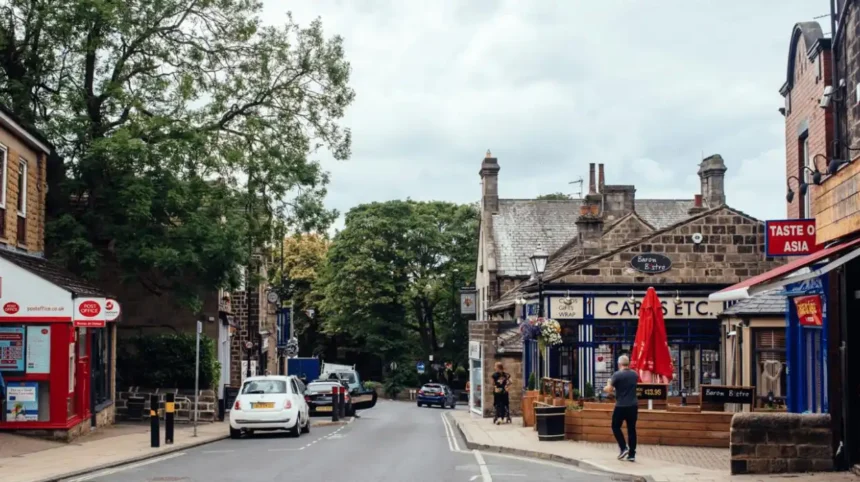
New Road Side is one of the busiest commercial areas in Horsforth. The street contains a mixture of independent shops, restaurants, cafés, health businesses, and everyday services. Its location near major transport routes makes it accessible for residents and visitors.
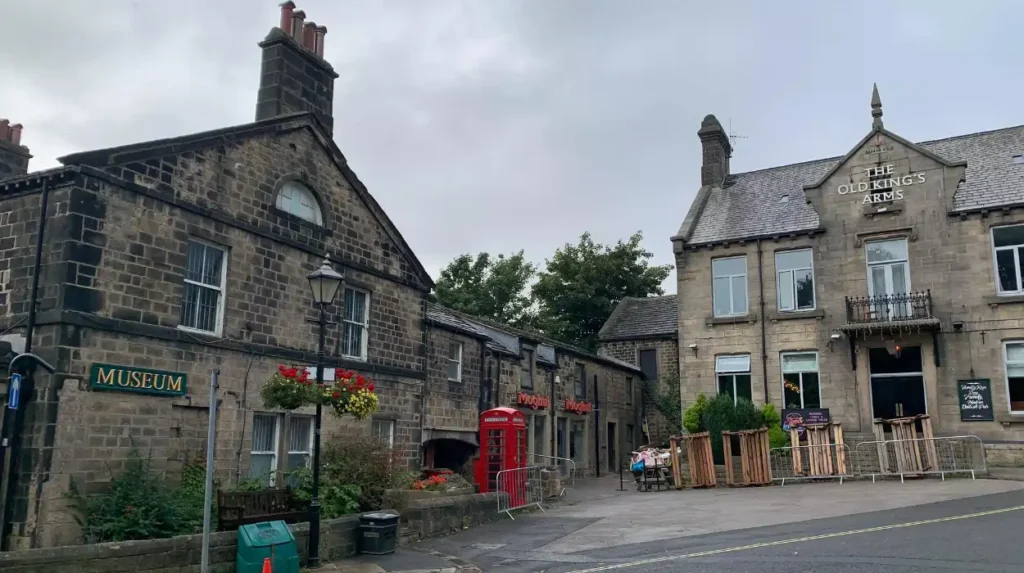
Town Street represents Horsforth’s historic core. The area retains elements of its village character through older buildings, traditional architecture, and independent businesses. Leeds City Council’s conservation information identifies Horsforth’s historic structures and streetscape as important elements of the area’s character.
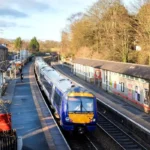
Station Road provides another retail cluster close to transport connections. The area benefits from nearby railway access, helping visitors combine shopping with travel around Leeds and West Yorkshire.
Horsforth’s shopping areas support different purchasing needs:
- Everyday retail, including groceries and household essentials.
- Specialist shopping, including handmade goods and lifestyle products.
- Food and drink businesses, including cafés and independent restaurants.
- Personal services, including beauty, wellbeing, and professional services.
This variety allows visitors to create flexible shopping trips based on interests, available time, and travel plans.
Explore more Area Guide
Top Things to Do in Horsforth for Visitors, Tourists and Weekend Travellers
Best Things to Do in Horsforth for Tourists and Leisure Travellers
What independent shops can visitors find in Horsforth?
Independent shops in Horsforth provide handmade products, gifts, lifestyle items, specialist goods, and personal services that reflect local creativity. These businesses offer alternatives to national chains through unique products, direct customer relationships, and community connections.
Independent retail is one of Horsforth’s strongest shopping features. Small businesses contribute to the area’s identity by offering specialist products that are not always available in larger retail centres.
Visitors looking for handmade goods can explore local creative retailers and maker-focused businesses. Stores such as Our Handmade Collective represent the growth of independent craft retail in Horsforth, providing space for locally produced items and creative sellers. Community discussions also highlight independent maker businesses in the area.
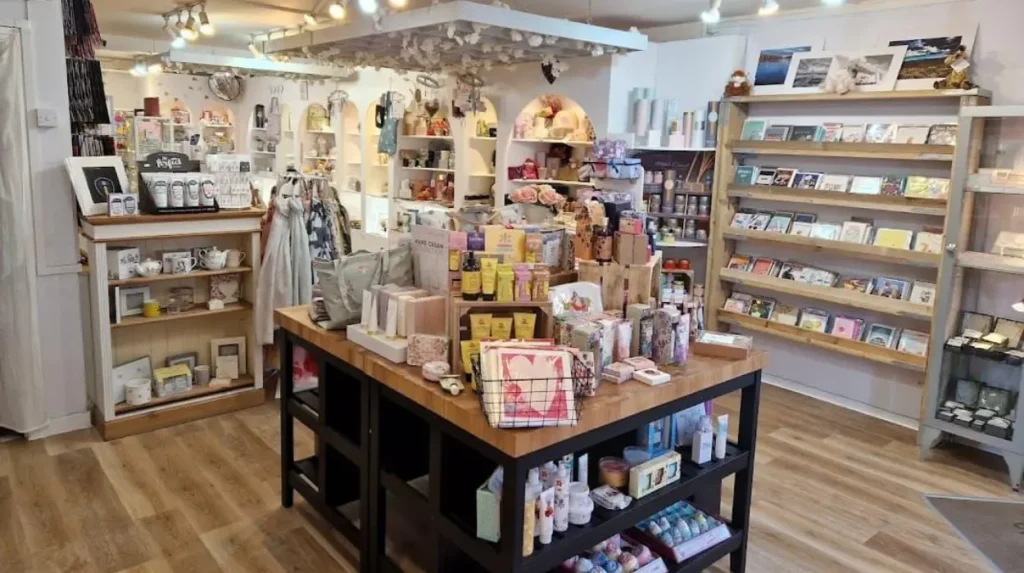
Lifestyle retailers provide another important part of Horsforth’s shopping offer. These businesses focus on carefully selected products, including home items, gifts, accessories, and locally produced goods.
Independent shops benefit the local economy by keeping spending within the community. Research into local retail environments shows that small businesses contribute to neighbourhood identity, employment opportunities, and consumer choice.
For visitors, independent shopping creates a more personal experience. Shop owners and staff often provide detailed product knowledge, local recommendations, and information about the origins of goods.
Horsforth’s independent retailers also support sustainable shopping habits by encouraging customers to purchase durable products, handmade items, and locally sourced goods.
What makes Horsforth a good shopping destination in Leeds?
Horsforth is a popular shopping destination because it combines independent retailers, local cafés, specialist shops, and community businesses within a walkable suburban setting. Visitors experience a quieter alternative to Leeds city-centre shopping while discovering unique local products and services.
Horsforth’s retail environment focuses on independent businesses rather than large shopping centres. The area’s streets, including New Road Side, Town Street, and Station Road, provide a mix of everyday shopping, specialist services, food businesses, and lifestyle retailers.