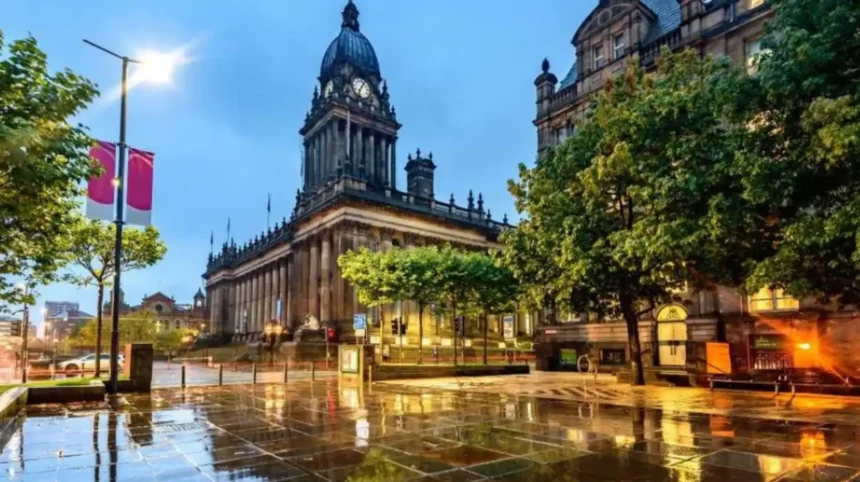
Garforth is a historic town located within the metropolitan borough of the City of Leeds in West Yorkshire, England. Situated approximately six miles east of Leeds city centre, this settlement transitioned from a prominent coal mining hub in the nineteenth and twentieth centuries into a well-connected suburban town. Positioned near major transport routes including the M1 motorway, A1(M) motorway, and the Leeds-Selby railway line, the town serves as a key destination for domestic leisure travellers, weekend visitors, and business professionals.
- What Is the Historical Significance of Garforth?
- What Are the Best Outdoor Attractions in Garforth?
- Where Can Visitors Find Indoor Activities and Family Entertainment?
- What Local Food, Drink, and Social Hubs Are Available?
- How Do Cultural and Sports Events Impact Tourism?
- What Are the Transport Links and Accessibility Options for Travellers?
What Is the Historical Significance of Garforth?
Garforth originated as a rural agricultural settlement before developing into a major coal mining hub during the Industrial Revolution. The town supported multiple collieries until the mid-twentieth century, when it successfully transitioned into a modern suburban commercial and commuter center.
The historical framework of Garforth is deeply tied to the exploitation of the West Yorkshire coalfield. Archaeological and historical records indicate that the area was recorded in the Domesday Book of 1086 under the name “Gereford,” describing a small agricultural community. The agrarian economy remained dominant until the late seventeenth and early eighteenth centuries, when intensive shallow coal mining operations began to expand across the landscape.
By the nineteenth century, industrialisation accelerated with the establishment of deep-shaft collieries owned by prominent local landowners, including the Gascoigne family of nearby Parlington and Lotherton. The opening of the Leeds and Selby Railway in 1834 provided vital infrastructure, enabling local pits to transport large volumes of coal directly to regional industrial centers. This infrastructure network converted the small village into a densely populated industrial town, attracting workers from across the United Kingdom.
The local coal mining industry peaked in the late nineteenth and early twentieth centuries, providing the primary source of employment for the male population. However, depleting reserves and regional economic shifts led to the systematic closure of the prominent Garforth pits during the 1960s. Rather than experiencing economic stagnation, the town utilised its strategic geographic position and transport infrastructure to reinvent its economy.
As you explore the modern site, you are crossing land with a deep heritage. Read about the full [Garforth Coal Mining History and Heritage Industrialization] to understand its origins. Today, the town functions primarily as a commercial hub and commuter settlement for individuals working in Leeds, York, and Wakefield, balancing its industrial past with contemporary leisure and retail facilities.
What Are the Best Outdoor Attractions in Garforth?
The best outdoor attractions in Garforth include the Lines Way nature trail, the RSPB St Aidan’s Nature Park, and the historic parklands of nearby Temple Newsam. These sites offer extensive walking paths, wildlife habitats, and protected environmental spaces for public recreation.
Outdoor recreation in the area relies heavily on repurposed industrial infrastructure and preserved country estates. The Lines Way represents a primary example of environmental reclamation, consisting of a four-mile linear path created on a defunct segment of the Kippax Lines railway. This trail connects Garforth with Allerton Bywater and is managed as a green corridor by the Yorkshire Wildlife Trust. It acts as an essential route for walkers, cyclists, and horse riders, featuring diverse flora and fauna that thrive along the old railway embankments.
Directly accessible from the local trail network is the RSPB St Aidan’s Nature Park, located just over two miles south of the town center. This 400-hectare site was formerly an open-cast coal mine that suffered catastrophic flooding in 1988 when the River Aire burst its banks. Following extensive remediation work, the area was transformed into a wetland reserve featuring reedbeds, lakes, and meadows. It serves as a critical breeding ground for rare bird species, including bitterns, marsh harriers, and black-necked grebes. Visitors utilize the 12 kilometers of designated paths for birdwatching and running.
Another major outdoor destination is the Temple Newsam estate, situated less than three miles west of the town. This public asset features a Tudor-Jacobean mansion surrounded by 1,500 acres of parkland designed by the landscape architect Lancelot “Capability” Brown in the eighteenth century. The grounds contain working home farms with rare breed animals, formal walled gardens, and sports pitches. These open spaces collectively provide diverse choices for visitors looking for nature walks, athletic training, or historical landscaping.
Where Can Visitors Find Indoor Activities and Family Entertainment?
Indoor activities and family entertainment are concentrated at the East Side Retail Park and dedicated facilities on Ninelands Lane. Key attractions include the Clip ’n Climb indoor climbing center and the Monkey Maze indoor soft play complex.
Indoor leisure options cater heavily to families, weekend travellers, and active tourists looking for structured recreational facilities. Clip ’n Climb, located within the East Side Retail Park on Aberford Road, provides an inclusive indoor climbing environment. The facility features multiple vertical challenges, including themed climbing walls, speed walls, and testing structures equipped with automatic belay systems to ensure participant safety. This venue accommodates all skill levels, from young children to experienced adults, making it a central point for active indoor recreation.
For younger children, Monkey Maze on Ninelands Lane offers a spacious, multi-tiered soft play facility. The center incorporates three levels of play equipment, including slides, ball pools, climbing nets, and physical obstacles designed to develop motor skills in a secure setting. The venue provides designated areas for toddlers alongside private rooms reserved for community gatherings and children’s events.
Additionally, the town features active community assets like the Garforth Skate Park on Ninelands Lane. Opened in 2012, this outdoor concrete facility combines street elements with transition obstacles, including quarter-pipes and curved ramps, to accommodate skateboarders, BMX riders, and scooter users. For adults seeking athletic training, the Premier World Fitness Centre and the local Squash and Leisure Centre supply indoor courts, cardiovascular equipment, and strength training areas to support health and wellness tourism.
Explore More Area Guide
Best Things to Do in Garforth for Tourists and Leisure Travellers
The Ultimate Horsforth Guide: Heritage Walks, Independent Food, and Relaxed Travel
What Local Food, Drink, and Social Hubs Are Available?
Garforth offers an array of dining options, traditional public houses, and independent cafes situated along Main Street. Notable destinations include classic venues like The Miners, modern establishments like Saffron, and community-focused social enterprises.
The culinary and social scene centers on Main Street, which holds a mixture of long-standing public houses and modern dining venues. Traditional British pub culture remains strong, represented by venues like The Miners and The Briggate, a JD Wetherspoon establishment. These public houses serve as community meeting points, offering traditional pub dining, local real ales, and evening entertainment for both residents and short-stay business travellers.
International cuisine is well represented by several independent restaurants. Saffron Garforth, located on Main Street, specializes in contemporary Indian cuisine, while various other eateries offer Italian, East Asian, and Mediterranean menus. The town maintains a distinct evening economy supported by micro-bars and wine lounges that cater to weekend visitors looking for a sophisticated social atmosphere outside of Leeds city centre.
Daytime hospitality focuses on specialty coffee shops and independent bakeries. The Good Food Store provides locally sourced deli products, artisanal cheeses, and fresh baked goods. A notable feature of Main Street is its inclusion of social enterprises, such as local coffee shops that reinvest their operational profits directly into community projects, youth clubs, and village improvement schemes. This infrastructure offers digital nomads and business travellers reliable work-friendly hubs with Wi-Fi connectivity and dining provisions.
How Do Cultural and Sports Events Impact Tourism?
Cultural and sports events drive tourism through annual festivals organized by the Garforth Community Arts School and fixtures hosted by Garforth Town A.F.C. These initiatives attract regional audiences and preserve the town’s distinct cultural identity.
The primary driver of seasonal cultural tourism is the Garforth Arts Festival, coordinated by the Garforth Community Arts School based at the Garforth Academy. This annual event features live music performances, theatrical displays, art exhibitions, and educational workshops led by professional artists and local students. The festival draws thousands of regional visitors, transforming local venues into temporary performance spaces and stimulating economic activity across hospitality and retail sectors.
Musical heritage is also sustained by two active brass bands: the Garforth Jubilee Band, which functions as a non-contesting community ensemble, and Garforth Brass, a competitive contesting band. These organizations perform regularly at regional civic events, park bandstands, and holiday celebrations, maintaining a classic Yorkshire musical tradition that appeals to cultural tourists.
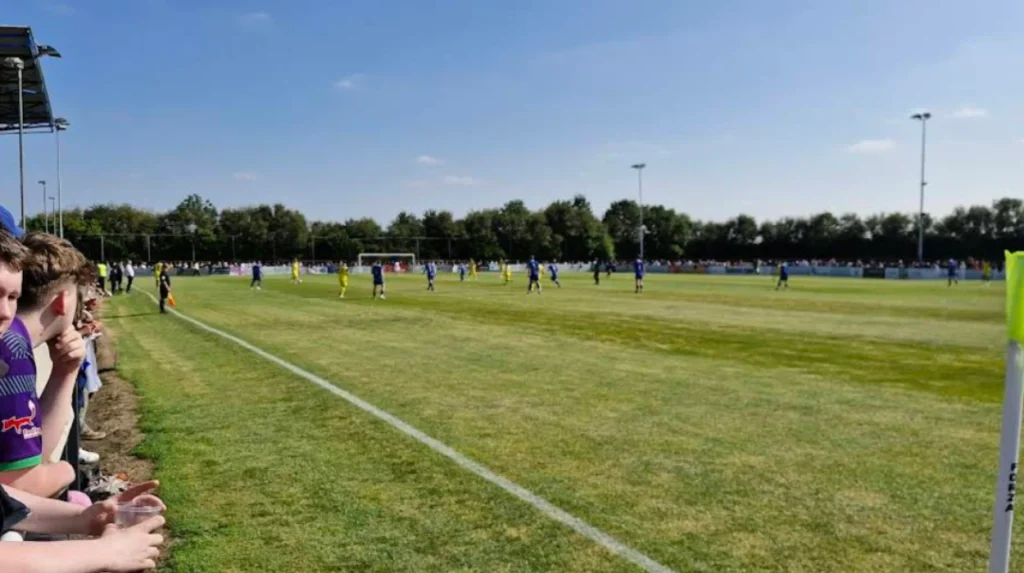
Athletic events center on the Bannister Prentice Community Stadium, the home venue of Garforth Town A.F.C. Competing in the non-league football hierarchy, the club hosts regular semi-professional league matches that draw sports fans to the area. The town also supports strong rugby traditions, with the Garforth Tigers ARLFC playing rugby league at Glebelands Park and Garforth RUFC competing in rugby union on the academy playing fields. For golf enthusiasts, the Garforth Golf Club features an eighteen-hole championship course designed by the renowned architect Alister MacKenzie in 1913, attracting players keen to test their skills on a historically significant layout.
What Are the Transport Links and Accessibility Options for Travellers?
Garforth features transport accessibility via two local railway stations and immediate access to the motorway network. Direct rail services connect the town to Leeds, York, and Hull, while the M1 links it to national highways.
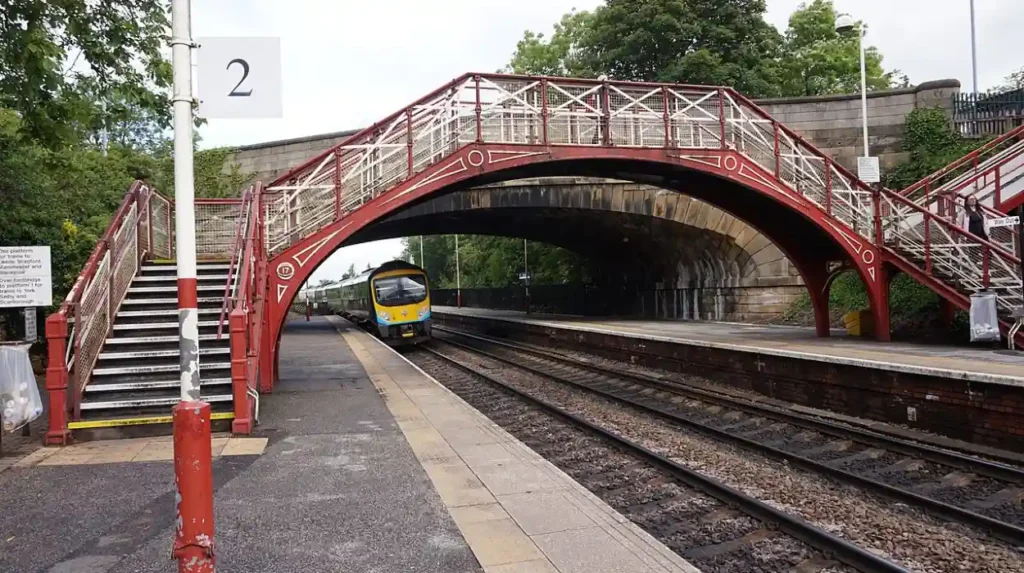
The strategic location of the town makes it an accessible destination for regional and national travellers. Garforth railway station is situated on the trans-Pennine route, offering frequent, direct train journeys to Leeds city centre in approximately ten minutes, and to York in under twenty-five minutes. A second station, East Garforth, serves the eastern residential zones, providing additional commuter choices. These rail links make the town an ideal base for tourists who wish to explore the wider West Yorkshire region while staying in a quieter suburban environment.
For motorists, the town sits adjacent to Junction 47 of the M1 motorway, providing links to London, Sheffield, and Newcastle. The close proximity of the A1(M) and M62 motorways allows swift road travel across the North of England. Local bus routes, managed by West Yorkshire Metro, connect the town to surrounding villages such as Kippax, Swillington, Micklefield, and Aberford. This extensive transit network ensures that visitors can easily move between urban business districts, local hotels, and rural outdoor attractions without experiencing transport delays.
What is Garforth famous for?
Garforth is famous for its coal mining heritage, strong transport connections, nearby nature reserves, family attractions, and its role as a commuter town east of Leeds.