Key Points
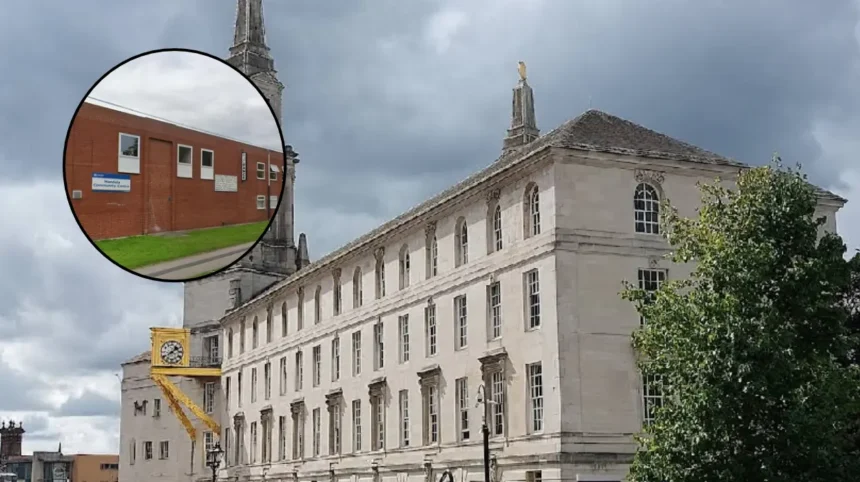
- Leeds City Council’s executive board has approved Community Asset Transfers (CATs) for two local facilities: the Mandela Centre in Chapeltown and Ebor Gardens Community Centre.
- Cultural organisation RJC Dance, which is already situated at the Chapeltown Road site and forms part of the Leeds West Indian Carnival, has secured a lease of up to 50 years.
- Project Hope Leeds, a charity dedicated to supporting disadvantaged communities in tackling poverty, will manage the Ebor Gardens centre on Haslewood Drive under a 25-year term.
- Both organisations successfully submitted formal bids to the council to take operational charge of the respective buildings.
- Official council reports noted that RJC Dance has operated out of the Mandela Centre for approximately a decade and has previously invested in structural improvements to the facility.
Leeds (The Leeds Times) September 16, 2026 —Local governance in West Yorkshire has shifted towards community-led stewardship as Leeds City Council’s executive board formally approved Community Asset Transfers (CATs) for the Mandela Centre in Chapeltown and the Ebor Gardens Community Centre. The decision, designed to secure the long-term future of both public spaces, hands operational control over to established local charities.
Under the new agreements, the cultural organisation RJC Dance will take over the Mandela Centre on Chapeltown Road. Simultaneously, Project Hope Leeds will assume management of the Ebor Gardens facility situated on Haslewood Drive. According to council documents, both groups successfully navigated the municipal bidding process to secure the properties.
What are the terms of the lease for the Mandela Centre in Chapeltown?
The cultural organisation RJC Dance has been granted a lease of up to 50 years for the Mandela Centre. RJC Dance is already a familiar fixture at the Chapeltown Road site and plays a foundational role in the organisation of the Leeds West Indian Carnival.
Municipal reports highlighted that RJC Dance has maintained a presence within the building for approximately ten years. During that tenure, the organisation has already committed private investment toward improving the facilities at the centre, establishing a deep-rooted operational history at the location.
Who will operate the Ebor Gardens Community Centre and for how long?
Management of the Ebor Gardens Community Centre on Haslewood Drive has been awarded to Project Hope Leeds. The charity, which focuses on assisting disadvantaged communities in tackling poverty, secured a 25-year term for the property.
The council’s executive board agreed to the transfer following the submission of a comprehensive operational bid by Project Hope Leeds, paving the way for the charity to expand its grassroots community support programmes from a dedicated neighbourhood base.
Explore More Leeds City Council News
Leeds Equal Pay Strike Ballot 2026
Background of the particular development
The practice of Community Asset Transfers (CATs) represents a widespread policy framework utilised by local authorities across the United Kingdom to transfer the management and ownership of public land and buildings to community-based organisations, such as charities, voluntary groups, and social enterprises.
In recent years, local government bodies like Leeds City Council have faced ongoing financial constraints, leading to a strategic shift in how municipal assets are maintained. By transitioning community centres and recreational facilities to local trusts and non-profit organisations, councils aim to protect valued public amenities from closure while empowering local leadership.
For facilities like the Mandela Centre and Ebor Gardens Community Centre, these transfers reflect a broader movement toward hyper-local governance. The Mandela Centre, situated in the heart of Chapeltown, has long served as a vital cultural and social hub for the area’s diverse communities. Similarly, Ebor Gardens Community Centre acts as an essential focal point for residents navigating socioeconomic challenges.
Allowing entrenched local entities—such as a ten-year incumbent like RJC Dance and a poverty-reduction specialist like Project Hope Leeds—to take the reins ensures that these buildings remain responsive to the specific cultural and welfare needs of the local population without relying solely on municipal funding streams.
Prediction
This development will likely lead to increased community engagement and improved financial sustainability for both the Mandela Centre and Ebor Gardens Community Centre. For the local residents, community groups, and vulnerable populations who rely on these spaces, the long-term leases provide much-needed stability, enabling the incoming charities to secure external grant funding and plan multi-year programmes. RJC Dance can expand its cultural arts and dance initiatives within a secure home, while Project Hope Leeds can scale its anti-poverty support services directly within the Ebor Gardens neighbourhood.
However, the transition also places a significant operational and financial burden on the charities, which must generate sufficient revenue and volunteer support to maintain the buildings over their respective 25-year and 50-year terms.