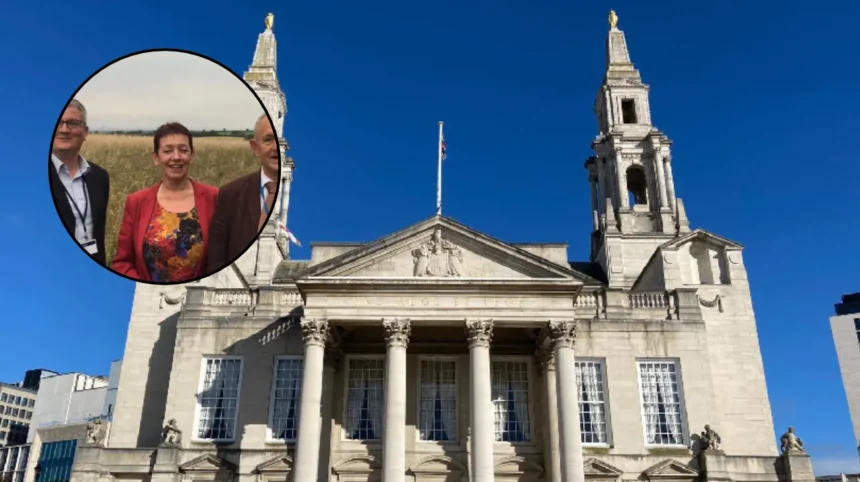
Key Points
- Keith Wakefield, the former leader of Leeds City Council, has passed away following a short illness.
- He served as a local councillor for 31 years, representing the Barwick and Kippax ward from 1988 to 2004, and the Kippax and Methley ward from 2004 until his retirement in 2019.
- Mr Wakefield held the position of Leeds City Council leader across two separate terms, from 2003 to 2004 and subsequently from 2010 to 2015.
- Tributes have poured in from political colleagues and local community figures, remembering him as a dedicated public servant who will be sorely missed.
Leeds (The Leeds Times) September 21, 2026 — Tributes have poured in across West Yorkshire following the death of Keith Wakefield, a towering figure in local government who twice served as the leader of Leeds City Council. As reported by journalists covering the regional development, Mr Wakefield passed away following a short illness, prompting an outpouring of grief and remembrance from across the political spectrum.
Mr Wakefield dedicated more than three decades of his life to public service within the region. His electoral career began in 1988 when he was elected to represent the Barwick and Kippax ward, a seat he held until 2004. Following boundary reviews, he transitioned to represent the Kippax and Methley ward from 2004 until he officially stepped down from local politics in 2019.
During his extensive 31-year tenure as a councillor, he ascended to the highest political office in the local authority, serving as leader from 2003 to 2004 and returning to steer the council through a second, longer term between 2010 and 2015.
How Did Political Colleagues React to the Passing of the Former Council Leader?
Colleagues who worked alongside Mr Wakefield during his tenure have stepped forward to share their memories of a leader defined by his commitment to public welfare and community development. Local news platforms have highlighted statements from various civic figures reflecting on his legacy.
Reflecting on his impact on the city, local reporting has underscored how deeply his leadership shaped modern Leeds during periods of significant financial and structural transition.
While formal statements continue to be collated from current council members and regional leaders, the prevailing sentiment across the community depicts a leader who championed public services and local regeneration with unwavering dedication.
Explore More Leeds City Council News
Leeds Council Confirms Rescheduled Lawnswood Roundabout Surfacing Leeds 2026
Leeds Community Centres Secured in New Leases, Leeds 2026
Background of the Particular Development
The passing of Keith Wakefield marks the end of an era for local politics in West Yorkshire. Serving during periods of immense fiscal challenge—particularly his second term as leader following the 2008 financial crisis—Mr Wakefield played a pivotal role in steering Leeds City Council through sweeping austerity measures while attempting to protect frontline services.
His 31-year presence as an elected representative provided a rare continuity of institutional memory within the local authority, seeing the council transition through multiple eras of national governance and local restructuring. His contributions to the civic landscape were previously recognised outside of day-to-day politics, including the awarding of an OBE and his appointment as an honorary alderman of the City of Leeds.
Prediction: How This Development Can Affect the Local Community and Leadership in Leeds
The loss of a political heavyweight like Keith Wakefield deeply affects the local community, particularly older generations of residents and political stakeholders in the Kippax, Methley, and Barwick areas who witnessed his grassroots engagement firsthand. For the broader audience of Leeds residents and local government observers, his passing serves as a poignant reminder of the shifting guard in regional politics, moving away from figures who shaped local administration toward the end of the 20th and early 21st centuries.
While his passing does not alter current council operations, it prompts renewed public reflection on the legacy of long-serving public servants and how historical leadership frameworks continue to influence contemporary local policy and community identity in Leeds.