

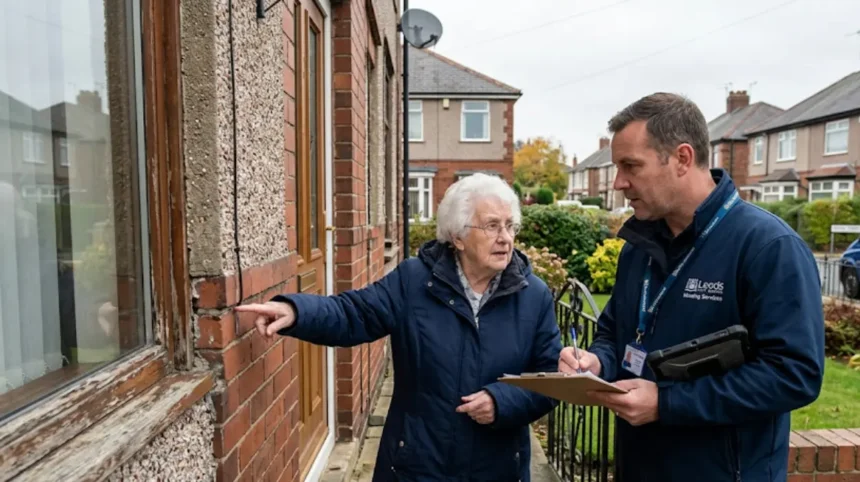
Residents of Garforth can access housing repair help through Leeds City Council’s housing services, contractor networks, and specialist support organisations like Care & Repair Leeds. Council tenants report repairs via the Tenant Portal or 24/7 helpline, while private homeowners and tenants qualify for enforcement, grants, or low-cost handyperson services depending on tenure and circumstances.
- Who provides housing repair help in Garforth?
- What types of housing repairs qualify for assistance?
- How do council tenants in Garforth report repairs?
- What support exists for private homeowners needing repairs in Garforth?
- How can private tenants in Garforth get landlords to complete repairs?
- What are the costs and eligibility criteria for housing repair assistance?
- What are the timescales for completing housing repairs in Garforth?
- Where can Garforth residents get in-person housing repair advice?
- What happens if housing repairs are not completed on time?
- How do residents access emergency housing repairs in Garforth?
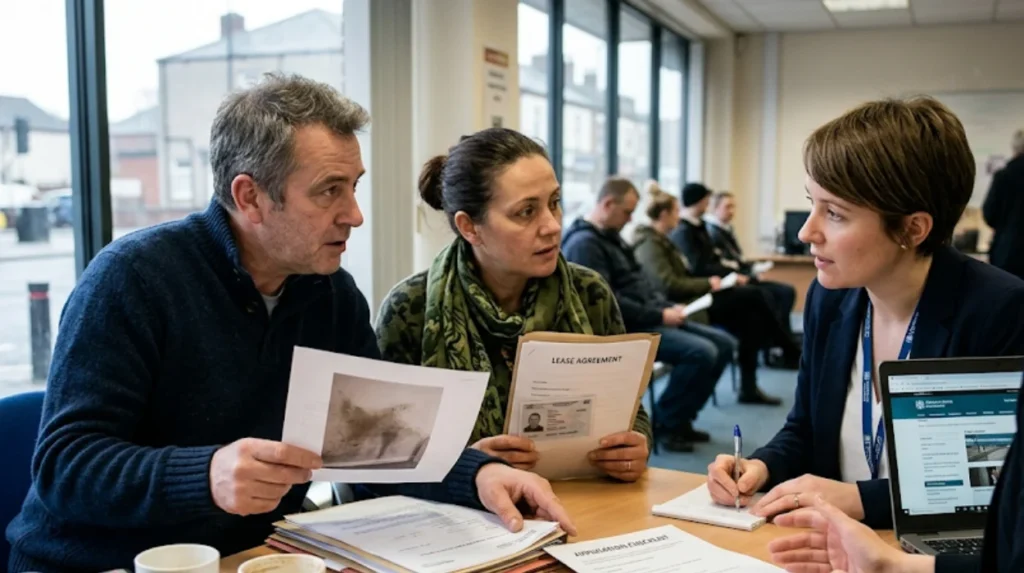
- What documentation is needed to apply for housing repair assistance?
- What are the long-term benefits of timely housing repairs in Garforth?
Who provides housing repair help in Garforth?
Leeds City Council delivers housing repair services for Garforth through contracted builders, emergency helplines, and community hubs, with specialist support from Care & Repair Leeds for vulnerable homeowners.
Garforth falls under Leeds City Council’s housing jurisdiction as part of the LS25 postcode district. The council manages repairs for its own tenants and leaseholders through a network of approved contractors including Leeds Building Services, which handles general repairs across LS25 properties. Emergency repairs operate 24 hours a day, 7 days a week through a dedicated freephone line.
Private sector residents access different support pathways. Homeowners in Garforth can contact Care & Repair Leeds, a charitable organisation providing advice, handyperson services, and hazard repairs for elderly or disabled residents. Private tenants receive assistance through the council’s Private Sector Housing Enforcement team, which investigates disrepair complaints and can compel landlords to complete necessary works.
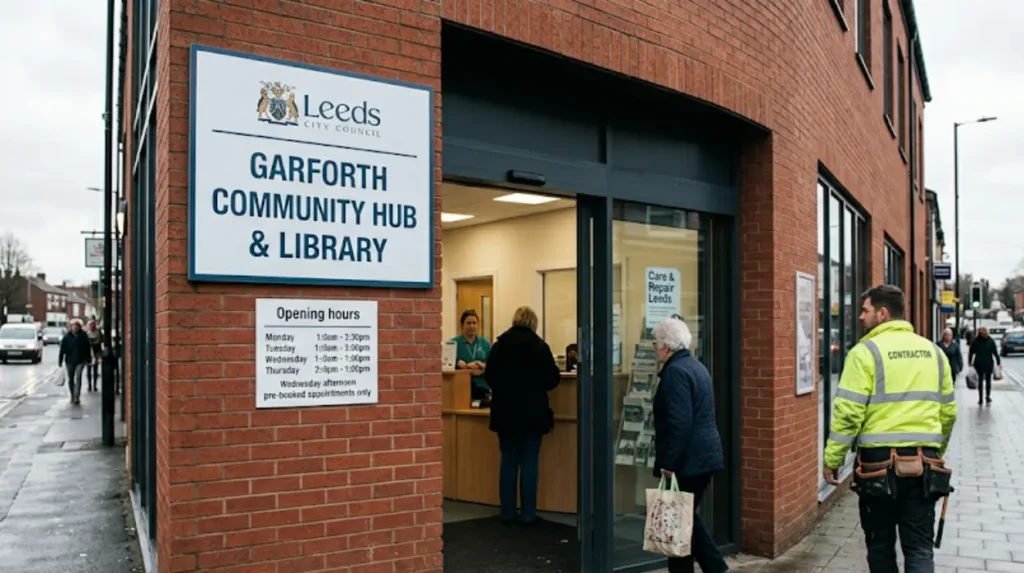
The Garforth Community Hub on Main Street provides in-person support for council tenants reporting repairs, alongside other housing and council services. Opening hours typically run Monday to Friday during standard business hours, with Wednesday afternoons reserved for pre-booked appointments only.
What types of housing repairs qualify for assistance?
Housing repairs qualify for assistance when they affect safety, security, or essential services including heating, water, electricity, structural integrity, or weatherproofing of the property.
Emergency repairs cover situations posing immediate risk to health or safety. These include gas leaks, complete loss of heating or hot water between 1 November and 30 April, severe water leaks or burst pipes, unsafe electrical fittings with sparking or bare wires, blocked sole toilets, and damaged external doors or windows compromising home security. The council targets emergency response within 3 hours, with hazards made safe within 24 hours.
Urgent non-emergency repairs address issues disrupting daily life without immediate danger. Examples include partial heating failures, leaking taps or pipes not causing flooding, minor electrical faults, and internal door or cupboard malfunctions. These repairs complete within 3 to 5 working days under council standards.
Routine repairs cover cosmetic or non-essential work such as minor plaster repairs, internal redecoration, faulty non-critical lighting, and general wear-and-tear maintenance. Completion targets stand at 20 working days for routine repairs. Batched repairs group similar works like guttering replacement or fence repairs into scheduled programmes finishing within 60 working days.
Private sector properties follow different standards. The Housing Act 2004 requires landlords to address Category 1 hazards (serious risks to health or safety) and Category 2 hazards (potential risks). Enforcement action can compel landlords to complete repairs within specified timelines, with civil penalties up to £30,000 for non-compliance.
How do council tenants in Garforth report repairs?
Council tenants in Garforth report repairs through the online Tenant Portal, the 24/7 freephone helpline 0800 188 4000, or in person at Garforth Community Hub during opening hours.
The Tenant Portal provides the fastest route for non-emergency repairs. Tenants register using their tenancy details, then submit repair requests with photos and descriptions. The portal tracks repair status, allows appointment rescheduling, and stores contractor contact information. Registration requires a valid email address and tenancy reference number.
Phone reporting remains available 24/7 on 0800 188 4000 (free from landlines and mobiles) or 0113 376 0410. Outside standard office hours (Monday, Tuesday, Thursday, Friday 9am–5pm; Wednesday 10am–5pm), only emergency repairs receive immediate response. Callers receive reference numbers for tracking and contractor assignment based on postcode and repair type.
In-person reporting at Garforth Community Hub supports residents preferring face-to-face contact or needing assistance with digital access. Staff accept repair requests during customer service hours and can provide translation or accessibility support. The hub also handles rent payments, housing benefit queries, and other tenancy matters.
Tenants grant third-party permission through the Tenant Portal or by notifying the council in writing. This allows family members, carers, or support workers to report repairs on the tenant’s behalf. The council maintains records of authorised representatives to prevent fraudulent reporting.
What support exists for private homeowners needing repairs in Garforth?
Private homeowners in Garforth access repair support through Care & Repair Leeds’ handyperson services, hazard repairs for eligible residents, and Disabled Facility Grants for accessibility adaptations.
Care & Repair Leeds offers the C&R Handyperson Service for small jobs including fixing loose railings, replacing tap washers, repairing door locks, and minor joinery or plumbing tasks. The service charges competitive rates and targets elderly or vulnerable residents wanting to remain independent at home. No job qualifies as too small, addressing the accumulation of minor defects that compromise safety or comfort.
The Hazard Repairs service provides free essential repairs up to £100 value for homeowners meeting specific criteria. Eligibility requires age 60 or over with council tax support, or under 60 with council tax support plus disability benefits. Repairs must address hazards such as faulty wiring, dangerous plumbing, or structural defects posing immediate risk. The service limits interventions to one job per household annually.
Disabled Facility Grants fund major adaptations including wet-floor showers, stairlifts, ramps, widened doorways, and downstairs bathrooms. Homeowners owning and living in their Garforth property apply through Adult Social Care, which arranges Occupational Therapist assessments. Grants cover up to £30,000 for eligible works, with means testing applied to applicants not receiving qualifying benefits.
Leeds Building Services undertakes private homeowner projects beyond grant funding, providing project management from initial assessment to completion. The service specialises in accessible design including bathroom adaptations, kitchen modifications, and structural alterations supporting independent living.
How can private tenants in Garforth get landlords to complete repairs?
Private tenants in Garforth request repairs directly from landlords first, then escalate to Leeds City Council’s Private Sector Housing Enforcement team if landlords fail to act within reasonable timeframes.
Tenants notify landlords or letting agents in writing, documenting defects with photos and dates. The Housing Act 2004 requires landlords to maintain properties free from Category 1 and Category 2 hazards. Reasonable timeframes vary by severity: emergency repairs (gas leaks, flooding) require immediate action, urgent repairs (heating failures in winter) within days, and routine repairs within weeks.
The council’s Private Sector Housing Enforcement team investigates complaints when landlords neglect responsibilities. Officers inspect properties, assess hazards using the Housing Health and Safety Rating System, and issue formal notices compelling repairs. Improvement Notices specify required works and deadlines, typically 14 to 28 days for urgent hazards.
Non-compliance triggers civil penalties up to £30,000 per breach or prosecution resulting in unlimited fines and criminal records. Recent enforcement in Beeston saw a landlord fined £537 plus £6,542 legal costs after ignoring an Improvement Notice, following prior £37,000 in civil penalties for unlicensed letting and disrepair.
Tenants receive free advice on eviction risks, harassment, and deposit protection through the council’s private tenant support service. The service guides residents through the enforcement process while protecting against retaliatory landlord action.
What are the costs and eligibility criteria for housing repair assistance?
Housing repair assistance costs range from free emergency council repairs to means-tested grants and competitive handyperson rates, with eligibility determined by tenure, income, age, and disability status.
Council tenants pay no direct charges for repairs classified as the landlord’s responsibility under tenancy agreements. This covers structural repairs, heating systems, plumbing, electrical installations, and weatherproofing. Tenants fund repairs to their own fittings, appliances, and damage caused by negligence or unauthorised alterations.
Private homeowners access free advice and assessments through Care & Repair Leeds, with charges applying only to actual works completed. The Handyperson Service operates on a fee-for-service basis with competitive market rates. Hazard Repairs remain free for eligible residents (60+ with council tax support, or under 60 with council tax support plus disability benefits), capped at £100 per job annually.
Disabled Facility Grants require means testing unless applicants receive Income Support, Income-based Jobseeker’s Allowance, Income-related Employment and Support Allowance, Pension Credit (Guarantee Credit), or Universal Credit. Grant funding covers up to £30,000 for approved adaptations, with homeowners contributing to costs exceeding this threshold or failing means tests.
Private tenants incur no costs for landlord-responsible repairs. Enforcement action through the council remains free, though tenants may face temporary accommodation costs if properties become uninhabitable during major works. Council Tax Support recipients qualify for additional assistance including priority processing and waived administrative fees.
What are the timescales for completing housing repairs in Garforth?
Housing repair timescales in Garforth range from 3-hour emergency response to 60 working days for batched repairs, with private sector enforcement typically completing within 14 to 28 days of formal notices.
Leeds City Council targets specific response windows by repair category. Emergency repairs receive attention within 3 hours, with hazards made safe within 24 hours. Urgent non-emergency repairs complete within 3 to 5 working days, while routine repairs finish within 20 working days.
Batched repairs group similar works into scheduled programmes finishing within 60 working days. Major works including structural repairs or post-flood restoration operate on individually agreed timelines based on planning complexity and contractor availability. Replacement projects such as new windows or doors require advance agreement on completion dates.
Private sector enforcement follows statutory timelines under the Housing Act 2004. Improvement Notices specify completion deadlines, typically 14 to 28 days for urgent hazards. Emergency Prohibition Notices take immediate effect, closing properties or specific rooms until repairs complete.
Care & Repair Leeds targets handyperson bookings within 2 to 4 weeks of request, prioritising vulnerable clients with urgent needs. Hazard Repairs schedule within 10 working days for eligible applicants, reflecting the service’s focus on immediate safety risks. Disabled Facility Grants complete assessments within 6 months, with works finished within 12 months for standard adaptations.
Where can Garforth residents get in-person housing repair advice?
Garforth residents obtain in-person housing repair advice at Garforth Community Hub on Main Street, Leeds City Council’s central housing offices, or Care & Repair Leeds’ headquarters on Roundhay Road.
Garforth Community Hub provides local access for council tenants reporting repairs, submitting forms, or discussing tenancy matters. Staff assist with online portal registration, repair tracking, and accessibility accommodations including translation services. The hub operates Monday to Friday 9am to 5pm, with Wednesday afternoons reserved for pre-booked appointments only.
Leeds City Council’s central housing enquiry service operates from Merrion House in the city centre, handling complex cases including enforcement complaints, adaptation grants, and multi-agency support. The Customer Service Centre accepts form submissions, ID verification, and housing benefit applications alongside repair queries.
Care & Repair Leeds maintains its headquarters at 323 Roundhay Road (LS8 4HT), offering home visits for assessments and advice sessions. The organisation specialises in supporting elderly, disabled, and vulnerable homeowners with repair planning, grant applications, and contractor oversight. Telephone advice operates on 0113 240 6009 during business hours, with email enquiries to enquiries@care-repair-leeds.org.uk.
Additional support comes from Leeds Directory’s community services database, listing local tradespeople, accessibility specialists, and financial assistance programmes. The directory provides neutral referrals without commercial bias, helping residents compare options and verify credentials.
What happens if housing repairs are not completed on time?
Incomplete housing repairs trigger escalation procedures including contractor complaints, council enforcement action, civil penalties for landlords, and formal disputes through housing ombudsman services.
Council tenants dissatisfied with contractor performance contact Leeds City Council on 0800 188 4000 or 0113 376 0410 to report delays, missed appointments, or substandard work. The council responds within 3 working days for standard complaints, prioritising urgent safety issues. Persistent failures allow tenants to submit formal complaints through the online system, with investigations by housing officers and potential contractor penalties.
Private tenants facing landlord inaction escalate to the Private Sector Housing Enforcement team. Officers inspect properties, document hazards, and issue statutory notices with legal deadlines. Non-compliance triggers civil penalties up to £30,000 per breach or prosecution in magistrates’ courts. Recent Beeston cases demonstrate enforcement effectiveness, with landlords facing cumulative penalties exceeding £37,000 plus legal costs.
Homeowners experiencing contractor delays use contract terms to demand completion or refunds. Care & Repair Leeds mediates disputes for vulnerable clients, leveraging its 30-year reputation to pressure underperforming builders. The organisation’s project managers oversee works from assessment to completion, preventing abandonment scenarios.
Formal disputes reach the Housing Ombudsman for council tenants or county courts for private sector cases. Tenants document all communications, repair requests, and health impacts to strengthen claims. Successful enforcement restores safe living conditions while penalising negligent landlords or contractors.
Explore More Help & Resources
How to report a pothole on Rothwell roads fast
How to get school support for your child in Pudsey
How do residents access emergency housing repairs in Garforth?
Residents access emergency housing repairs in Garforth through the 24/7 freephone line 0800 188 4000, with immediate response for gas leaks, flooding, no heating in winter, or security breaches.
Emergency repairs require immediate attention due to health, safety, or significant property damage risks. Qualifying emergencies include gas leaks (contact National Gas Emergency on 0800 111 999 first), complete loss of heating or hot water between 1 November and 30 April, severe water leaks or burst pipes, unsafe electrical fittings with sparking or smoke, blocked sole toilets, and damaged external doors or windows compromising security.
Callers to 0800 188 4000 or 0113 376 0410 reach out-of-hours teams outside standard office hours (Monday, Tuesday, Thursday, Friday 9am–5pm; Wednesday 10am–5pm). Operators triage calls, dispatch contractors within 3 hours, and ensure hazards are made safe within 24 hours. Reference numbers track emergency jobs through completion.
Private sector residents contact landlords or letting agents first for emergency repairs. Unresponsive landlords trigger council enforcement via the Private Sector Housing team, which can issue Emergency Prohibition Notices closing properties until repairs complete. Immediate life threats always warrant 999 calls to emergency services before housing helplines.
Preparation reduces emergency impact. Residents should know water stop-tap locations, keep mobile phones charged, and store essentials like buckets, blankets, hot water bottles, and torches. Northern Powergrid’s website provides outage updates and restoration timelines during power cuts affecting heating or water systems.
What documentation is needed to apply for housing repair assistance?
Housing repair assistance applications require proof of tenure, identity, income or benefits, property ownership or tenancy agreements, and evidence of defects through photos or inspection reports.
Council tenants need tenancy reference numbers and online portal credentials to report repairs digitally. Third-party authorisation requires written consent or portal registration of representatives. Emergency repairs accept verbal reports with follow-up verification.
Private homeowners applying for Care & Repair services provide proof of age (passport or driving licence), council tax bills confirming Leeds residency, and benefit award letters if claiming council tax support or disability benefits. Hazard Repair eligibility needs documentation showing age, income, and disability status.
Disabled Facility Grant applications demand Occupational Therapist assessments from Adult Social Care (0113 222 4403 for adults, 0113 222 4401 for children). Homeowners submit proof of ownership (mortgage statements or title deeds), income evidence for means testing, and detailed quotes from approved contractors. Grant funding covers up to £30,000 for approved works.
Private tenants seeking enforcement action document landlord communications, defect photos, and health impacts from disrepair. The council’s enforcement team conducts independent inspections using the Housing Health and Safety Rating System, requiring no tenant-supplied technical evidence beyond initial complaints.
All applicants benefit from keeping repair request logs with dates, reference numbers, and correspondence copies. This documentation strengthens escalation cases if contractors or landlords fail to complete works on schedule.
What are the long-term benefits of timely housing repairs in Garforth?
Timely housing repairs in Garforth prevent property deterioration, reduce energy costs, improve health outcomes, and maintain compliance with legal safety standards for landlords and homeowners.
Preventative maintenance avoids costly emergency interventions. Small leaks fixed early prevent structural damage from damp and mould, which Leeds City Council treats as serious hazards under the Housing Act 2004. Recent prosecutions show landlords facing £537 fines plus £6,542 legal costs for neglected damp, heating failures, and fire hazards.
Energy efficiency improvements through proper insulation, window repairs, and heating system maintenance reduce fuel bills. The council’s Queensview air-source heating installation lowered resident energy costs while cutting carbon emissions. Garforth homeowners accessing Care & Repair services report similar savings from draught-proofing and boiler repairs.
Health benefits include reduced respiratory issues from damp-free environments, fewer falls from repaired flooring and railings, and improved mental wellbeing from secure, comfortable homes. Hazard Repairs targeting elderly residents directly support independent living, delaying or preventing care home admissions.
Legal compliance protects landlords from enforcement action and tenants from hazardous conditions. Selective licensing schemes in Beeston and Harehills improved living conditions for an estimated 6,000 people before concluding in January 2025. Garforth’s private rental sector benefits from similar enforcement deterrence, with landlords proactively maintaining properties to avoid penalties.
Who provides housing repair help in Garforth?
Housing repair help in Garforth is provided by Leeds City Council for council tenants, Care & Repair Leeds for eligible homeowners, and the council’s Private Sector Housing Enforcement team for private tenants experiencing landlord disrepair.