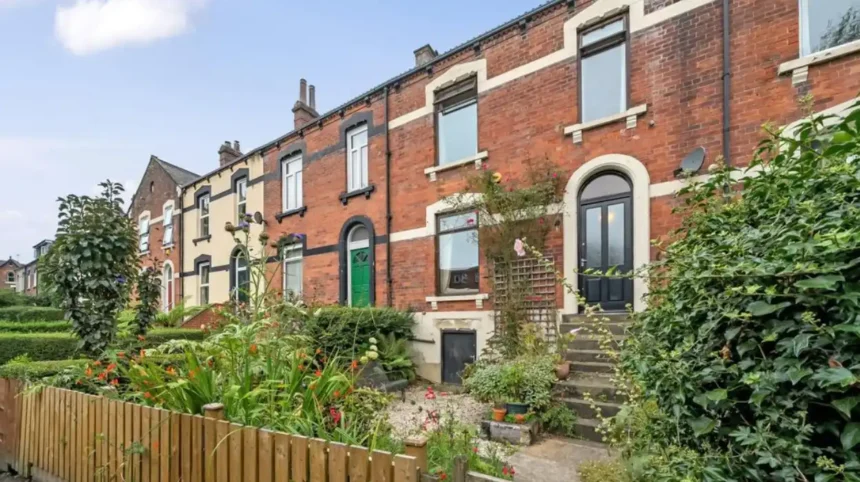
Buying a first home in Headingley, Leeds, involves understanding local property prices, mortgage affordability, housing types, transport links, legal requirements and the costs of home ownership. Headingley is an established residential district in north-west Leeds, known for its student population, Victorian architecture, independent businesses and proximity to the University of Leeds and Leeds Beckett University.
- Why Is Headingley Worth Considering for a First Home?
- What Are the Latest House Prices in Headingley and Leeds?
- Which Types of First Homes Are Available in Headingley?
- How Much Deposit and Mortgage Do First-Time Buyers Need?
- £10,000
- £20,000
- £30,000
- £40,000
- What Additional Costs Should First-Time Buyers Budget For?
- How Can Buyers Check a Headingley Property Before Making an Offer?
- Should First-Time Buyers Choose a Freehold or Leasehold Property?
- How Important Are Transport Links and Local Amenities in Headingley?
- What Is the Process for Buying a First Home in Headingley?
- What Should First-Time Buyers Consider for Long-Term Home Ownership?
- How Can First-Time Buyers Make an Informed Decision About Headingley?
For first-time buyers, the area offers a range of property options, including flats, terraced houses and larger period properties. The right choice depends on deposit savings, household income, commuting requirements, property condition and long-term plans.
The Office for National Statistics (ONS) reported that the average house price across Leeds was £246,000 in August 2026, while the average price paid by first-time buyers was £215,000. These figures cover the entire local authority district rather than Headingley alone, so buyers need to compare individual properties and recent local sales.
Why Is Headingley Worth Considering for a First Home?
Headingley is a residential area in north-west Leeds with established housing, university connections, local shops and public transport. First-time buyers researching the district need to compare property prices, housing conditions, commuting costs and ongoing ownership expenses before choosing a home.
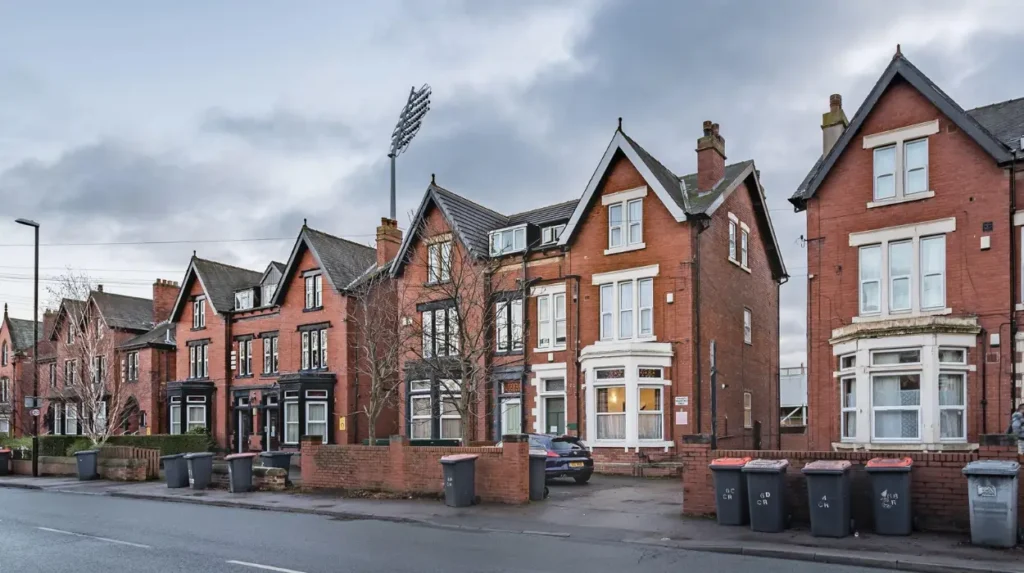
Headingley sits north-west of Leeds city centre and forms part of a wider group of residential neighbourhoods that includes Hyde Park, Burley and Far Headingley. Its housing stock includes traditional terraced houses, converted flats, purpose-built apartments and larger period homes.
The area’s character reflects its development during the nineteenth and twentieth centuries. Victorian and Edwardian buildings remain prominent in several streets, while later housing developments provide additional choices for buyers with different budgets.
Headingley attracts students, university employees, professionals, families and established residents. This mixture creates different housing requirements across the district. A first-time buyer seeking a compact flat has different priorities from someone looking for a two-bedroom house with outdoor space.
The local high street provides access to independent shops, supermarkets, cafés, restaurants and everyday services. Headingley also has leisure facilities and green spaces, while bus services and nearby railway stations connect the area with other parts of Leeds.
Buyers should assess the neighbourhood at different times of day. Student-related activity, traffic, parking demand and noise levels vary by street and season. A property on a busy road presents different practical considerations from a home on a quieter residential street.
Understanding the area’s background also helps explain its current housing character. The development of local streets, institutions and transport connections provides useful context for anyone comparing older homes with modern accommodation. Explore the planned [Insert Anchor Text for Headingley’s History Article Here] to understand how the district developed into one of Leeds’ established residential areas.
What Are the Latest House Prices in Headingley and Leeds?
House prices in Headingley depend on property type, size, condition, location and tenure. Leeds-wide statistics provide a useful starting point, but first-time buyers should compare recent completed sales in Headingley and nearby neighbourhoods before setting a realistic purchase budget.
The ONS reported the following provisional figures for Leeds in August 2026.
- Average house price: £246,000.
- Average first-time buyer purchase price: £215,000.
- Average price for a detached property: check the latest property-type breakdown.
- Average price for a terraced property: check the latest property-type breakdown.
- Average price for a flat or maisonette: check the latest property-type breakdown.
These figures represent different measures of the wider Leeds housing market. The first-time buyer average describes purchases by a particular buyer group, while the overall average includes different types of buyers and properties.
Headingley prices require more specific research. A one-bedroom flat, a two-bedroom terrace and a large Victorian house do not share the same price profile. Renovation requirements, parking arrangements, lease conditions and proximity to transport also affect individual property values.
The most useful starting point is the sold-price information published by HM Land Registry. Buyers can compare completed transactions on the same street or in nearby streets, paying attention to sale dates and property types. Asking prices provide information about current marketing but do not establish the final amount paid.
How Should Buyers Compare Property Prices?
Compare at least several properties with similar characteristics. For example, a buyer considering a two-bedroom terraced house should examine recent sales of similar houses rather than relying on the average price of all homes in Leeds.
Record the asking price, number of bedrooms, approximate floor area, property condition, tenure and distance from transport. This approach identifies whether a difference in price reflects the building itself, its location or the work required after purchase.
The ONS warns that local housing statistics can fluctuate because they are based on smaller numbers of transactions than national figures. Reviewing trends across a longer period gives a more reliable picture than interpreting one month’s movement in isolation.
Which Types of First Homes Are Available in Headingley?
First-time buyers in Headingley can investigate flats, terraced houses, converted Victorian properties and larger houses divided into apartments. Each option has different purchase costs, maintenance responsibilities, ownership arrangements and space requirements, making property type an important part of affordability planning.
Terraced houses
Traditional terraced houses are a recognisable feature of Headingley’s residential streets. A two-bedroom property provides separate living space and often a small rear yard or garden. Buyers need to check roof condition, damp, insulation, shared walls and previous alterations.
Flats and apartments
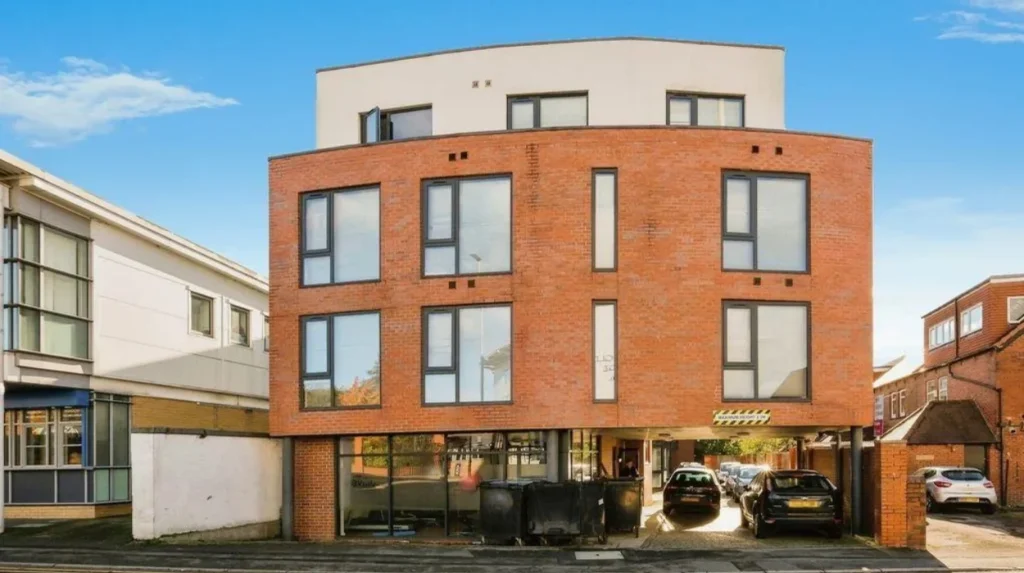
Flats provide an option for buyers who prioritise a smaller living space or lower purchase price. Some are purpose-built apartments, while others occupy converted older houses. Service charges, ground rent provisions, building maintenance and lease length require careful investigation.
Converted period properties
Converted Victorian and Edwardian houses offer character features such as high ceilings, bay windows and original architectural details. Buyers should establish whether the conversion has the necessary approvals, how communal areas are maintained and whether the building has outstanding repair requirements.
Semi-detached houses and larger homes
Buyers with a larger budget can compare houses offering additional bedrooms, gardens or parking. These properties also involve potentially higher heating, insurance and maintenance costs. The total cost of ownership matters more than the number of rooms alone.
The distinction between a house and a flat is not simply about floor space. Ownership arrangements can affect who pays for the roof, external walls, communal hallways, lifts and shared grounds.
A freehold house normally includes ownership of the property and the land within its legal boundaries. A leasehold flat grants the right to occupy the property for the remaining term of a lease, subject to its conditions. Some developments use commonhold or shared-freehold arrangements, so buyers should verify the precise legal structure.
How Much Deposit and Mortgage Do First-Time Buyers Need?
First-time buyers generally need a deposit, a mortgage agreement and enough savings to cover purchase expenses. The required deposit depends on the lender and mortgage product, while affordability assessments consider income, existing debts, regular spending and the ability to sustain repayments.
A mortgage is a loan secured against a property. The buyer contributes a deposit, and the lender provides the remaining purchase funds subject to its affordability and property checks.
For example, consider a hypothetical Headingley property priced at £200,000.
Illustrative deposit calculations for a £200,000 property
5% deposit
£10,000
10% deposit
£20,000
15% deposit
£30,000
20% deposit
£40,000
Illustrative examples, not mortgage offers. Product availability, interest rates and lender requirements vary.
A larger deposit reduces the amount borrowed. It also lowers the loan-to-value ratio, which compares the mortgage amount with the property’s value. Mortgage products with lower loan-to-value ratios often have more competitive interest rates, although the best available deal depends on the lender and the applicant’s circumstances.
How Do Buyers Establish Mortgage Affordability?
Mortgage lenders assess income, employment, regular commitments and credit history. They also consider whether the borrower can maintain repayments if circumstances change, such as an increase in interest rates or a reduction in income.
Prepare evidence of earnings, recent bank statements, existing credit commitments and savings. Self-employed applicants generally need additional evidence, such as tax calculations and business accounts.
A mortgage agreement in principle provides an indication of the amount a lender is prepared to consider. It is not a final mortgage offer or a guarantee of approval.
Compare the total cost of a mortgage rather than looking only at its headline interest rate. Arrangement fees, early repayment charges, the length of a fixed-rate period and the cost of switching deals affect the overall expense.
What Additional Costs Should First-Time Buyers Budget For?
Buying a first home involves expenses beyond the deposit and mortgage. Buyers need to budget for legal fees, property surveys, mortgage charges, searches, insurance, moving costs and applicable property taxes, alongside an emergency reserve for repairs and unexpected household expenditure.
The purchase budget should include both one-off costs and continuing expenses. Failing to account for these payments can leave a buyer short of the money required to complete the purchase or maintain the property afterwards.
Important costs include:
- Solicitor or conveyancer fees: Payment for the legal work involved in checking ownership, reviewing contracts and transferring the property.
- Property searches: Checks covering matters such as local authority records, drainage and environmental risks.
- Survey fees: Payment for an independent inspection of the property’s condition.
- Mortgage fees: Charges associated with arranging or administering a mortgage, depending on the product.
- Insurance: Buildings insurance where required by the lender, plus contents cover if appropriate.
- Moving expenses: Costs for transport, removal services and essential household purchases.
- Initial repairs: Money for urgent maintenance, replacement appliances or improvements identified during the buying process.
Do First-Time Buyers Pay Stamp Duty in England?
Stamp Duty Land Tax (SDLT) is a tax on certain property purchases in England and Northern Ireland. First-time buyer relief depends on the property’s price and the buyer meeting the eligibility conditions.
Under the rules in force in October 2026, eligible first-time buyers in England generally pay no SDLT on purchases up to £300,000. A reduced rate applies to the qualifying portion between £300,000 and £500,000. First-time buyer relief is unavailable for properties costing more than £500,000. Buyers should confirm the current rules and their eligibility before calculating the final budget.
For example, a qualifying first-time buyer purchasing a £250,000 home in England generally pays no SDLT under the relief rules. The same purchase price does not automatically qualify someone who has previously owned a residential property, including one outside the UK.
Why Is an Emergency Fund Important?
Ownership transfers repair responsibilities to the homeowner according to the property’s legal arrangements. A boiler failure, leaking roof or unexpected electrical repair can create immediate expenditure.
Keep savings separate from the deposit and completion funds. For a flat, examine the service-charge budget and any planned major works. For a house, account for maintenance of the roof, exterior, heating system and drainage.
How Can Buyers Check a Headingley Property Before Making an Offer?
Buyers should inspect a property’s condition, location, legal status and ongoing costs before committing to a purchase. A viewing, independent survey, mortgage valuation and solicitor’s searches provide different information, helping identify defects, restrictions and financial risks.
A viewing allows a prospective buyer to assess the layout, natural light, storage, noise and general condition. It does not replace a professional survey or legal investigation.
Inspect the visible condition of windows, gutters, roof coverings, walls, ceilings, plumbing and heating. Look for signs of damp, cracking, condensation and poorly completed alterations. Ask the estate agent about the age of major installations and any known defects.
Which Property Survey Should a First-Time Buyer Arrange?
A surveyor provides an independent assessment of a property’s physical condition. The appropriate inspection depends on the building’s age, construction, condition and complexity.
A RICS Home Survey Level 2 is commonly used for conventional properties that appear to be in reasonable condition. A RICS Home Survey Level 3 provides a more detailed examination for older, altered or more complex buildings.
A mortgage valuation serves a different purpose. The lender uses it to assess whether the property provides suitable security for the loan. It is not a substitute for a detailed condition survey.
For older Headingley houses, buyers should pay particular attention to roofing, chimney stacks, timber condition, damp, insulation and previous structural alterations. A surveyor can recommend further specialist investigations where the inspection identifies concerns.
What Legal Checks Are Required?
A conveyancer investigates the property’s legal position and handles the transfer of ownership. The work includes reviewing the title, examining search results, raising enquiries and checking the contract.
Local authority searches can identify relevant planning, building-control and other recorded matters. Water and drainage searches examine connections and related records, while environmental searches assess specified environmental risks.
Buyers should also establish whether extensions, loft conversions or other alterations have the necessary approvals and supporting documentation. If the property is leasehold, the solicitor should review the lease, service charges, ground rent provisions and relevant management arrangements.
Should First-Time Buyers Choose a Freehold or Leasehold Property?
Freehold and leasehold ownership create different legal responsibilities. A freehold buyer generally owns the property and its land, while a leasehold buyer owns a time-limited interest in the home. Buyers should examine ownership documents, recurring charges and restrictions before proceeding.
Freehold ownership is common for houses, although exceptions exist. The owner normally assumes responsibility for maintaining the property and complying with applicable legal obligations.
Leasehold ownership is common for flats. The lease sets out the rights and responsibilities of the leaseholder and freeholder, including rules covering repairs, alterations, payments and use of shared spaces.
A leasehold property can involve service charges for communal maintenance and building insurance. The lease also determines how certain costs are calculated and recovered. Buyers should examine recent service-charge accounts, planned major works and any reserve fund arrangements.
Lease length is another important consideration. A shorter remaining lease affects mortgage availability, resale prospects and the cost or complexity of extending the lease. There is no single lease length that determines every lender’s decision, so buyers should obtain advice based on the specific property.
Before making an offer on a flat in Headingley, ask the estate agent for the tenure, remaining lease term, annual service charge and ground rent details. Have a conveyancer review the legal documents before committing to the purchase.
How Important Are Transport Links and Local Amenities in Headingley?
Transport access and nearby amenities influence the practicality and long-term appeal of a first home. Buyers should assess journeys to work, university, shops, healthcare and leisure facilities, alongside public transport frequency, walking routes, parking availability and likely daily travel expenses.
Headingley has bus connections to Leeds city centre and other parts of the city. Headingley railway station and Burley Park railway station provide additional rail options, although the most convenient station depends on the property’s precise location and the destination.
Buyers should check actual routes and timetables rather than assuming every service runs frequently throughout the day. Evening, weekend and peak-time services can differ.
The area also has everyday amenities, including supermarkets, independent retailers, cafés, restaurants, sports facilities and green spaces. These services can reduce the need for some car journeys, depending on a household’s routine.
How Should Buyers Assess a Street Before Buying?
Visit the property during the morning commute, in the evening and at weekends. These visits provide a clearer picture of traffic, parking pressure, noise and activity than a single daytime viewing.
Check whether the property has a dedicated parking space, permit requirements or restrictions on nearby streets. Do not assume that a driveway, garage or parking area belongs to the property without checking the title and sale details.
Consider walking times to the nearest bus stop, railway station, supermarket and green space. For buyers who work remotely, also check mobile coverage, broadband availability and the suitability of the property for a dedicated workspace.
The most useful comparison is between the complete daily routine and the property’s total monthly cost. A lower purchase price does not automatically mean lower overall expenditure if commuting or maintenance costs are substantially higher.
What Is the Process for Buying a First Home in Headingley?
Buying a first home involves financial preparation, property searches, viewings, an offer, mortgage approval, legal checks, contract exchange and completion. Each stage has separate requirements, and the buyer should avoid making irreversible commitments before the relevant checks are complete.
The following sequence explains the main stages of a purchase in England.
- Calculate the budget. Work out the deposit, likely mortgage repayments, buying costs and emergency savings.
- Check mortgage options. Compare lenders and obtain an agreement in principle where appropriate.
- Search for properties. Compare Headingley homes by price, tenure, condition, transport access and ongoing costs.
- View and inspect. Examine the property, ask relevant questions and arrange an appropriate independent survey.
- Make an offer. Submit an offer through the estate agent and confirm any conditions in writing.
- Complete legal and mortgage checks. The conveyancer carries out searches and enquiries while the lender assesses the mortgage application and property valuation.
- Exchange contracts. Once the parties exchange contracts, the purchase becomes legally binding, subject to the contract terms.
- Complete the purchase. The funds are transferred, ownership is completed and the buyer receives the keys in accordance with the agreed arrangements.
The official GOV.UK guide states that buying a home takes around five months on average, although the timescale varies according to the transaction and any property chain. An offer is not legally binding until contracts are exchanged.
Buyers should maintain contact with their solicitor, mortgage lender and estate agent throughout the process. Responding promptly to document requests and arranging surveys early helps keep the transaction moving.
What Should Buyers Do Before Completion?
Arrange buildings insurance from the date required by the mortgage lender and purchase contract. Confirm the completion statement, transfer arrangements and the amount of money needed to complete.
Independently verify the solicitor’s bank details before sending substantial funds. Property transactions are vulnerable to payment diversion fraud, including emails impersonating legitimate conveyancing firms.
Prepare a moving budget and arrange utilities, council tax registration and any required changes of address. Once completion takes place, retain the legal documents, mortgage paperwork, warranties and survey report for future reference.
Explore More Area Guide
Headingley Property Prices and Leeds Housing Market Trends
Headingley Planning Applications and Development Guide 2026
What Should First-Time Buyers Consider for Long-Term Home Ownership?
A first home should meet current financial needs and remain practical as household circumstances change. Buyers should assess future maintenance, resale potential, room requirements, local transport, energy efficiency and the sustainability of mortgage payments before choosing a property.
Long-term planning is important when buying in Headingley. A property that suits a single buyer working in Leeds city centre has different requirements from a home intended for a growing household or someone working remotely.
Energy efficiency affects heating expenses and comfort. Review the property’s Energy Performance Certificate (EPC), heating system, insulation, windows and ventilation. Older properties require particular attention to maintenance and improvements, especially where original features or construction methods affect the available options.
Buyers should also assess the flexibility of the floor plan. A second bedroom can serve as a home office, while storage and outdoor space can influence the property’s suitability over time.
Resale considerations include the condition of the building, ownership arrangements, transport access and the demand for comparable homes. No property guarantees future price growth, so purchase decisions should be based on affordability and practical needs rather than assumptions about appreciation.
For flats, examine the building’s financial position and maintenance arrangements. For houses, establish the likely cost of repairing major components. These checks help first-time buyers understand the responsibilities that continue long after completion.
How Can First-Time Buyers Make an Informed Decision About Headingley?
An informed purchase combines local property research, mortgage affordability, professional inspections and legal checks. First-time buyers should compare individual homes, understand every recurring charge and retain sufficient savings after completion to manage repairs and ordinary household expenses.
Headingley offers several housing formats, from traditional terraced houses to flats and converted period buildings. Each presents different costs and responsibilities, so buyers should compare properties on their individual merits.
Start with completed sale prices, then establish a realistic mortgage budget. Add legal fees, surveys, applicable taxes, insurance, moving costs and maintenance reserves before deciding what to offer.
Assess the location in person and investigate transport connections, parking, amenities and noise. A surveyor should inspect the building, while a conveyancer verifies its legal status, ownership and relevant restrictions.
Finally, compare the total monthly cost of each shortlisted property. Mortgage repayments, service charges, utilities, council tax, insurance and commuting expenses all affect affordability.
The most suitable first home in Headingley is one that fits the buyer’s budget, meets everyday needs and has a legal and physical condition that the buyer understands before exchange of contracts.
Is Headingley a good area for first-time buyers?
Headingley offers a range of property types, including terraced houses, flats and converted period properties. Buyers should compare prices, transport links, local amenities and ongoing maintenance costs before choosing a home.