Headingley is a well-connected area of north-west Leeds with access to parks, woodland, river corridors and larger green spaces that support a wide range of urban and suburban birdlife. Birdwatching around the neighbourhood combines informal local observation with visits to established wildlife habitats across Leeds.
- What birdwatching opportunities are available around Headingley?
- Where are the best places to watch birds near Headingley?
- Meanwood Valley
- Woodhouse Ridge and nearby woodland
- The River Aire and waterside locations
- Larger nature sites across Leeds
- Which birds can visitors expect to see around Headingley?
- When is the best time of year for birdwatching in Headingley?
- How should beginners start birdwatching around Headingley?
- What equipment and resources are useful for local birdwatching?
- How can visitors watch birds responsibly around Headingley?
- Why is urban birdwatching important for Headingley and Leeds?
- Urban green infrastructure supports bird populations
- Birdwatching contributes to environmental awareness
- How can visitors plan a birdwatching day around Headingley?
- What is the long-term future of birdwatching opportunities around Headingley?
For tourists, residents, remote workers and business travellers, birdwatching provides a structured way to explore green spaces beyond Headingley’s busy shopping streets and sporting venues. The area’s position close to the Meanwood Valley and the River Aire corridor creates access to different habitats within a relatively short distance.
Birdlife changes throughout the year. Resident species remain present across seasons, while migrant birds arrive or pass through during spring and autumn. Waterbirds become especially visible at lakes and reservoirs, and woodland habitats support different species from open grassland and urban gardens.
What birdwatching opportunities are available around Headingley?
Headingley provides access to urban parks, mature woodland, river corridors, gardens and larger nature reserves, creating opportunities to observe common garden birds, woodland species, waterbirds and seasonal migrants throughout the year in Leeds and the surrounding West Yorkshire landscape.
Birdwatching in and around Headingley does not depend on a single dedicated reserve. The strongest opportunities come from combining several habitat types. Local parks provide easy access for short visits, while nearby valleys and waterways offer more varied vegetation and quieter conditions.
Urban green spaces support familiar species such as the blackbird, European robin, Eurasian blue tit and common wood pigeon. Mature trees increase the number of nesting and feeding opportunities. Shrubs and hedgerows provide cover, while grassland attracts birds feeding on insects and seeds.
The wider Leeds area expands the range of habitats available to visitors. Meanwood Valley contains woodland and open green space. The River Aire corridor provides waterside habitats. Larger sites elsewhere in the city and region provide wetlands, lakes and reservoirs.
Birdwatching works throughout the day, although early morning is generally productive because many birds are actively feeding and singing. Seasonal timing also changes the species present. Spring increases birdsong and migration activity, while winter makes some waterbirds and visiting northern species easier to observe.
Which habitats support the most birdlife?
Habitat diversity is a central factor in bird diversity. Woodland supports tree-nesting and woodland species. Wetlands support birds associated with open water and reed margins. Grassland attracts ground-feeding species and birds hunting invertebrates.
Urban gardens also form an important part of the local ecological network. Garden vegetation, trees and supplementary feeding stations provide food and shelter for species including house sparrows, great tits and goldfinches.
For a wider understanding of the natural spaces that support these species, visitors can connect birdwatching with other local outdoor exploration. A guide to [Insert Anchor Text for History Article Here] provides historical context for the landscapes and green corridors that shape the modern neighbourhood.
Where are the best places to watch birds near Headingley?
The most useful birdwatching locations near Headingley include local parks, the Meanwood Valley, woodland and riverside corridors, with larger wetland and reservoir sites across Leeds providing additional opportunities for observing waterbirds, migrants and specialist habitat species.
The best location depends on the birds a visitor wants to observe and the time available. Headingley itself is suitable for casual observation of urban birdlife, particularly in streets with mature trees, gardens and nearby green spaces.
Meanwood Valley
Meanwood Valley is one of the most significant accessible green corridors near Headingley. The valley includes woodland, grassland and areas associated with Meanwood Beck. This mixture supports a broader range of birds than a single open park.
Woodland birds use mature trees for nesting and feeding. Common woodland observations include great spotted woodpeckers, nuthatches, treecreepers and several tit species. Sightings depend on season, weather and habitat conditions.
The valley also provides a useful route for visitors who want to combine walking with wildlife observation. Quiet movement and regular pauses improve the chances of hearing birds before seeing them.
Woodhouse Ridge and nearby woodland
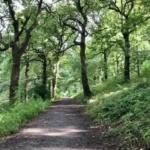
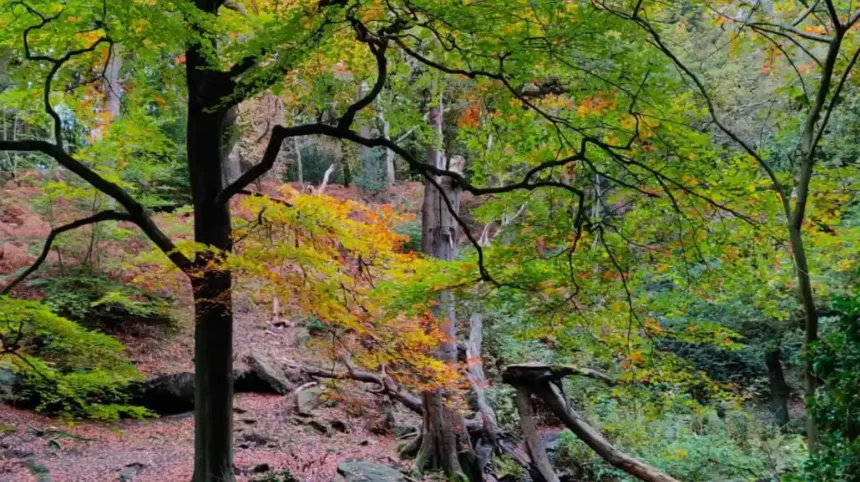
Woodhouse Ridge provides mature woodland and a substantial tree canopy close to the urban area. Woodland edges and clearings create transitions between habitat types, which are important feeding areas for many birds.
Birdwatchers should look and listen for species associated with deciduous woodland. The European robin, common chaffinch and Eurasian wren are frequently associated with woodland and garden environments. Woodpeckers become easier to locate through calls and drumming during the breeding season.
The site also demonstrates the importance of mature urban trees. Older trees provide nesting holes, shelter and invertebrate-rich bark. Retaining connected tree cover supports wildlife movement between green spaces.
The River Aire and waterside locations
The River Aire is a major watercourse running through Leeds. Riverside habitats differ from the streets and woodland around Headingley and create opportunities to observe birds associated with moving water and riverbanks.
The exact species present changes along different sections of the river. Birds using open water, bankside vegetation and nearby trees can all occur along the corridor. Visitors should use established paths and avoid disturbing waterside vegetation.
Waterways also connect habitats across the wider urban area. This ecological connectivity is important because birds move between feeding, nesting and resting areas.
Larger nature sites across Leeds
Visitors with more time can extend their search beyond Headingley. Leeds contains larger green and wetland sites that offer habitats not available in dense residential areas.
Water-based sites are particularly useful for observing ducks, geese, gulls and other birds associated with open water. Seasonal migration increases the importance of wetlands because migrating birds use suitable sites for feeding and resting.
A short local birdwatching visit and a longer trip to a larger nature site provide different experiences. Combining both approaches creates a more complete picture of Leeds birdlife.

Which birds can visitors expect to see around Headingley?
Visitors can regularly encounter common urban and woodland birds around Headingley, including robins, blackbirds, tits, wood pigeons and sparrows, while nearby woodland, waterways and larger wetlands add woodpeckers, waterbirds and seasonal migrant species.
The most reliable sightings are usually common resident birds. These species are present for much of the year and use gardens, parks and street trees.
The European robin is recognisable by its orange-red breast and is often heard singing from a visible perch. The common blackbird is widespread in gardens and green spaces. Male blackbirds are black with a yellow bill, while females are generally brown.
Tit species form an important part of local woodland and garden birdlife. The Eurasian blue tit, great tit and long-tailed tit use trees and shrubs for feeding. Their behaviour often makes them easier to locate by sound and movement.
House sparrows are closely associated with human settlements. Their presence depends on suitable nesting sites and local food resources. Goldfinches are often seen where seed-producing plants are available.
Woodland birds
Woodland habitats increase the possibility of observing specialist tree-associated species. Great spotted woodpeckers use mature trees and can be detected through calls, drumming and distinctive black, white and red plumage.
Nuthatches move actively along tree trunks and branches. Treecreepers use their curved bills to search bark for invertebrates. These species are more easily detected when birdwatchers remain still and listen carefully.
Spring brings increased birdsong because many species establish territories and breed during this period. Learning common calls improves identification because dense foliage often prevents a clear view.
Waterbirds
Waterbirds are more prominent at lakes, reservoirs and suitable river sections. Mallards are among the most familiar ducks found on urban and suburban water. Moorhens use vegetated water edges and are often visible swimming or walking near the shore.
Canada geese occur at many British urban waters, although they are a non-native species introduced to Britain. Different water bodies support different combinations of resident and visiting birds.
Responsible observation is important around water. Visitors should remain on designated paths and avoid approaching nesting or resting birds.
When is the best time of year for birdwatching in Headingley?
Birdwatching is possible throughout the year around Headingley, with spring providing active birdsong and migration, summer supporting breeding activity, autumn bringing migration and winter improving visibility while increasing the importance of local feeding and water habitats.
Every season offers different conditions. A year-round approach gives visitors the broadest understanding of local birdlife.
Spring birdwatching
Spring is strongly associated with birdsong. Many species sing more frequently as they establish and defend breeding territories. Migratory birds also return to Britain during this period.
Early morning is particularly useful because bird activity is concentrated around feeding and territorial behaviour. Visitors can identify species through repeated songs as well as visual characteristics.
Nesting birds require space and protection. Birdwatchers should avoid approaching nests or attempting to locate hidden nesting sites.
Summer birdwatching
Summer vegetation is dense, which can make visual observation more difficult. However, breeding activity continues and young birds become visible after leaving nests.
Insects provide an important food source for many species. Gardens, woodland edges and grassland support birds feeding on invertebrates.
Warm weather also encourages more people to use parks and paths. Quieter sections of green space can provide better conditions for observation.
Autumn birdwatching
Autumn is a major migration period. Birds travel between breeding areas and wintering grounds, and suitable habitats provide feeding and resting opportunities.
Woodland and park birds also become easier to locate in some areas as behaviour changes and mixed feeding groups form. Seasonal changes in foliage gradually improve visibility.
Winter birdwatching
Winter creates a different set of conditions. Deciduous trees lose leaves, improving views through woodland. Birds concentrate around reliable food and water resources.
Water sites can be particularly productive during winter. Visitors should check local conditions because species presence changes with weather and migration patterns.

How should beginners start birdwatching around Headingley?
Beginners should start with short visits to familiar green spaces, learn common local species, use binoculars when available and record observations, building identification skills through repeated visits across different habitats and seasons rather than searching immediately for rare birds.
Birdwatching does not require specialist equipment. Careful observation and patience are the essential starting points.
A simple pair of binoculars improves the ability to observe birds without approaching them. Binoculars with moderate magnification are suitable for general birdwatching because they provide a stable view and a useful field of vision.
A field guide or reputable bird identification resource helps distinguish similar species. Identification should use several features, including size, shape, plumage, behaviour, habitat and sound.
Start with common species
Learning common birds builds a reliable foundation. A beginner who recognises a robin, blackbird, blue tit and wood pigeon can then focus on unfamiliar species.
Repeated visits are more useful than trying to identify every bird during a single walk. The same location changes through the day and across seasons.
Keeping a simple record of date, location, weather and species observed also creates a personal record of local wildlife activity.
Use sound as an identification tool
Many birds are heard before they are seen. Birdsongs and calls carry through woodland, gardens and open spaces.
Sound identification improves with repeated listening. Beginners should learn a small number of common calls before adding more species.
Listening also reduces the need to move through sensitive habitat. A birdwatcher who pauses regularly creates less disturbance than someone constantly searching through vegetation.
What equipment and resources are useful for local birdwatching?
Useful birdwatching resources include binoculars, a field guide, weather-appropriate clothing, mapping tools and reputable wildlife recording platforms, while local conservation organisations and public nature information provide reliable guidance on habitats, species and responsible observation.
The equipment required depends on the length and purpose of the visit. Short urban walks require very little preparation, while longer visits to wetlands or woodland benefit from more planning.
Binoculars are the most useful piece of specialist equipment. A notebook or digital recording tool helps preserve observations. A smartphone can support identification and mapping, but observers should avoid relying on a single automated identification result.
Weather affects both birds and people. Waterproof clothing and suitable footwear improve comfort during visits to woodland and riverside paths.
Use reputable identification and recording resources
The Royal Society for the Protection of Birds, known as the RSPB, provides information about British birds and habitats. The British Trust for Ornithology, known as the BTO, supports bird research and citizen science.
Citizen science is public participation in scientific research. Bird records submitted by observers contribute information about species distribution and seasonal changes when collected through established recording systems.
The National Biodiversity Network, known as the NBN, supports the sharing and use of biodiversity information across the United Kingdom.
Local records are particularly valuable because bird populations vary between locations. A species common at one wetland is not automatically present in a nearby urban park.
How can visitors watch birds responsibly around Headingley?
Responsible birdwatching protects habitats by keeping distance from wildlife, following designated routes, controlling noise, avoiding nests and breeding sites, keeping dogs under appropriate control and sharing sensitive wildlife locations carefully to prevent disturbance and habitat damage.
Wildlife observation depends on the continued health of the habitats being visited. Birdwatchers should place the welfare of birds above the desire for a close photograph or sighting.
Distance is especially important during the breeding season. Birds that repeatedly move away from an observer are being disturbed. Stepping back allows normal feeding and resting behaviour to continue.
Nests should never be approached for photographs. Many nesting locations are vulnerable to accidental damage and repeated disturbance.
Follow site rules and access guidance
Parks, nature reserves and waterways have different access arrangements. Visitors should use public rights of way and follow signs relating to protected areas.
Dogs can disturb ground-feeding and ground-nesting birds. Owners should follow local control requirements and use leads where requested.
Litter creates risks for wildlife and reduces habitat quality. All waste should be taken away or placed in appropriate bins.
Protect sensitive location information
Rare breeding birds and vulnerable species require additional protection. Publicly sharing precise locations can attract unnecessary disturbance.
General location information is appropriate for common species. Sensitive records should be reported through established conservation and recording organisations.
Why is urban birdwatching important for Headingley and Leeds?
Urban birdwatching connects people with local biodiversity, supports public understanding of habitat quality and encourages wildlife recording, while parks, gardens, trees and green corridors provide ecological connections that help bird populations persist within the wider Leeds landscape.
Birdwatching provides direct evidence that urban areas contain functioning ecosystems. Birds respond to changes in food, nesting sites, vegetation and water quality.
This makes birds useful indicators of environmental conditions. A change in bird activity does not provide a complete measure of ecosystem health, but long-term bird records contribute to wider biodiversity monitoring.
Urban green infrastructure supports bird populations
Green infrastructure is the connected network of natural and semi-natural spaces within built areas. Parks, gardens, street trees, rivers and woodland corridors all form part of this network.
Connected habitats are important because birds do not use administrative boundaries. A bird can feed in one green space, nest in another and move through tree-lined streets between them.
Leeds contains dense urban districts alongside substantial parks, valleys and waterways. Protecting and improving these spaces supports both wildlife and public access to nature.
Birdwatching contributes to environmental awareness
Regular observation helps people recognise seasonal change. The arrival of migrants, the timing of birdsong and changes in winter waterbird numbers all demonstrate how local wildlife responds to the annual cycle.
Citizen science strengthens this connection. Structured surveys and submitted records provide researchers and conservation organisations with observations collected across large geographic areas.
For visitors, this creates an activity that is accessible without extensive travel. A short walk through a suitable green space can produce useful observations.
Explore More Area Guide
Headingley Wildlife Habitats and Urban Biodiversity Guide
Headingley Heritage Records and Historic Property Research
How can visitors plan a birdwatching day around Headingley?
A successful birdwatching visit combines a nearby green space with one contrasting habitat, allowing observers to compare urban, woodland or waterside birdlife while planning travel, weather, daylight and access arrangements before leaving their accommodation or workplace.
Start with a location close to Headingley for an early observation period. Mature trees and quieter park areas are useful for identifying common species.
A second location with a different habitat increases the range of possible sightings. Meanwood Valley provides woodland and green corridor habitat, while a larger water-based site broadens opportunities for observing waterbirds.
Visitors should allow time to stop. Birdwatching is based on observation rather than distance covered. Remaining quiet for several minutes often produces more sightings than walking continuously.
Public transport, walking and cycling can support local access, depending on the chosen destination. Visitors should check current travel arrangements before making a journey because services and access conditions change.
Digital nomads and business travellers can also use birdwatching as a short break between work commitments.
What is the long-term future of birdwatching opportunities around Headingley?
The future of birdwatching around Headingley depends on protecting mature trees, improving connected green spaces, maintaining healthy waterways and recording biodiversity, ensuring that urban development and public access continue alongside habitats that support diverse bird populations.
Urban development changes landscapes, but biodiversity can remain part of a growing city when green infrastructure is protected and managed effectively.
Mature trees are particularly valuable because they take decades to develop. Their loss cannot be immediately replaced by newly planted trees. Protecting existing canopy therefore has direct importance for many woodland and urban bird species.
Water quality and bankside vegetation also influence the value of rivers and streams. Healthy waterways support food chains that benefit birds and other wildlife.
Local recording will remain important. Long-term observations help identify changes in species distribution and seasonal timing. These records support conservation planning and scientific research.
For Headingley visitors and residents, the most accessible contribution is continued observation combined with responsible behaviour. Learning local species, respecting habitats and supporting reliable recording schemes strengthens the connection between people and urban nature.
Headingley offers a practical starting point for birdwatching in north-west Leeds. Local streets, gardens and parks support common urban birds, while nearby woodland, valleys and river corridors create access to more varied habitats.
Meanwood Valley and other connected green spaces provide useful opportunities to observe woodland birds and seasonal changes. The River Aire and larger water-based sites across Leeds expand the range of birds available to visitors.
The most effective approach is to watch regularly and across different seasons. Common species provide the foundation for identification, while changing habitats introduce new behaviour and bird communities.
Birdwatching also has a wider environmental value. It increases awareness of biodiversity and generates observations that support wildlife recording. Protecting trees, waterways and connected green spaces remains essential for maintaining birdwatching opportunities in Headingley and across Leeds.
Where are the best places for birdwatching near Headingley?
Birdwatching opportunities near Headingley include Meanwood Valley, Woodhouse Ridge, local parks and green corridors. These habitats support common garden birds, woodland species and seasonal visitors. Larger nature reserves and wetland sites across Leeds provide additional opportunities to observe waterbirds and migratory species.