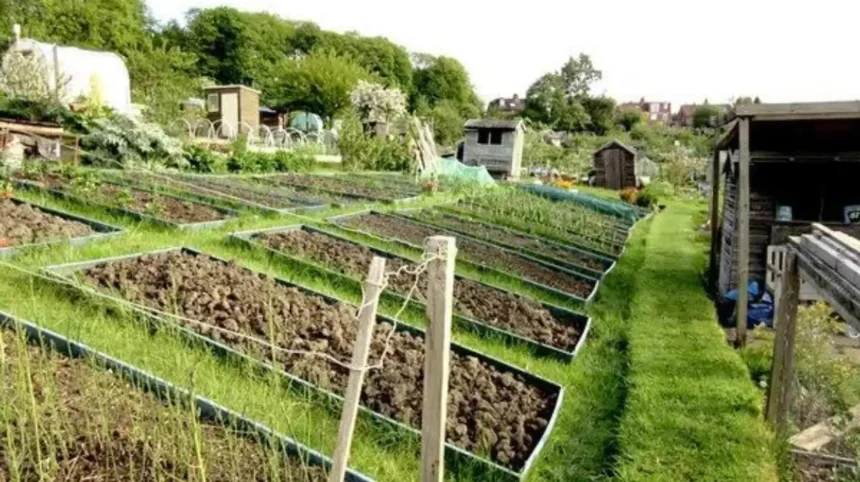
Headingley, in north-west Leeds, offers a range of opportunities for people interested in gardening, growing vegetables, joining community projects and spending time outdoors. Its allotment sites, community orchard, green spaces and environmental organisations provide practical ways to learn gardening skills and participate in local activities.
- What gardening groups and allotment opportunities are available in Headingley?
- Where can people find allotments in and around Headingley?
- Ash Road Allotments
- St Anne’s Road Allotments
- Woodhouse Moor Allotments
- Hollin Lane Allotments
- The Station Allotments Association
- How does someone apply for an allotment in Headingley?
- How much does an allotment cost in Leeds?
- Which gardening groups can people join in Headingley?
- Headingley Community Orchard
- Bedford Fields Community Forest Garden
- Friends of Beckett Park
- Other environmental groups
- What gardening activities can beginners learn through local groups?
- Soil preparation and composting
- Seed sowing and crop planning
- Watering and plant care
- Wildlife-friendly gardening
- What is the history of allotment gardening around Headingley?
- How do allotments and community gardens support sustainability?
- How can visitors and new residents participate in gardening activities?
- What should people consider before choosing a gardening group or allotment?
- What are the best next steps for finding gardening opportunities in Headingley?
An allotment is a rented plot of land used to grow fruit, vegetables, herbs and flowers. A gardening group brings people together to maintain gardens, share horticultural knowledge and improve local green spaces. Community orchards focus on fruit trees and shared growing spaces, while environmental volunteering groups undertake activities such as planting, pruning and habitat improvement.
Headingley and its surrounding neighbourhoods have several established allotment associations and community-led green initiatives. These include Ash Road Allotments, The Station Allotments Association, Hollin Lane Allotments and Headingley Community Orchard. The wider area also connects with gardening opportunities in Woodhouse, Burley, Meanwood and other parts of Leeds.
The most suitable option depends on whether someone wants to rent a private growing plot, volunteer occasionally, develop gardening skills or join a community project. Availability, eligibility, costs and participation arrangements differ between organisations, so prospective members should contact each group directly before making plans.
What gardening groups and allotment opportunities are available in Headingley?
Headingley offers allotment associations, community gardening initiatives, orchard projects and environmental volunteering opportunities. These activities serve different purposes, from growing personal food supplies to maintaining shared green spaces. People can select an option based on their interests, available time, experience and preferred level of involvement.
The local gardening network includes both individual growing opportunities and collective environmental projects. Allotment associations generally manage plots where members cultivate their own crops. Community gardening groups concentrate on shared tasks, while orchard initiatives support fruit trees and local biodiversity.
The Headingley community website identifies several nearby allotment locations, including Ash Road, St Anne’s Road, Woodhouse Moor and sites around the wider Headingley area. Hollin Lane and The Station also provide established allotment communities in north-west Leeds.
These organisations suit different needs. A person who wants to grow potatoes, tomatoes and salad leaves can pursue an allotment tenancy. Someone who prefers occasional outdoor volunteering can explore community orchards or local environmental groups.
Gardening opportunities also extend beyond food production. Volunteers help maintain flower beds, care for trees, support wildlife-friendly planting and improve shared public spaces. These activities connect gardening with neighbourhood improvement and environmental conservation.
Visitors should distinguish between public gardens and organised gardening sessions. A park is generally accessible for recreation, but participation in a gardening group requires permission from the relevant organisation. Allotment sites are working growing areas rather than unrestricted public attractions.
Where can people find allotments in and around Headingley?
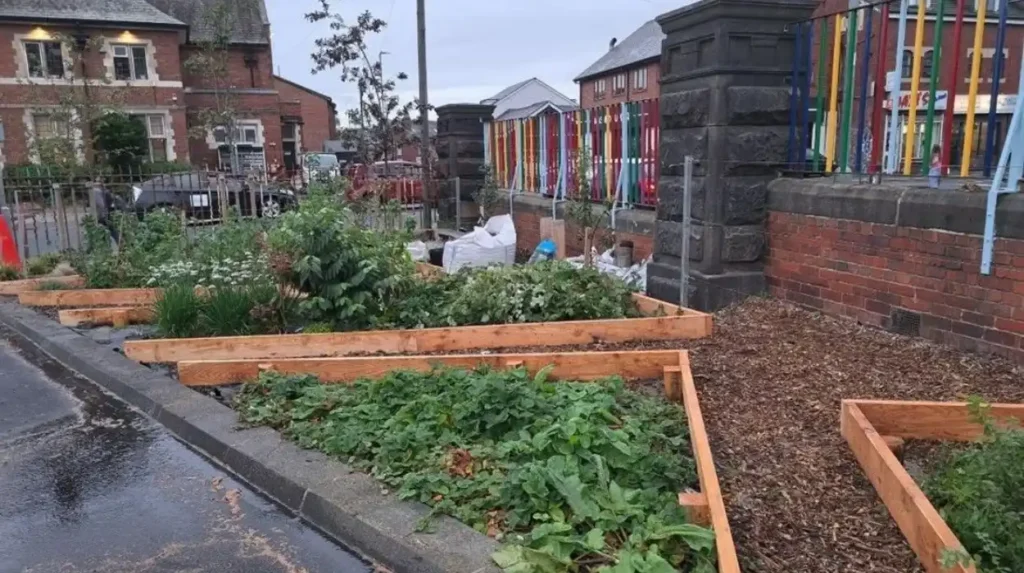
Several allotment sites serve Headingley and nearby neighbourhoods, including Ash Road, St Anne’s Road, Woodhouse Moor, Hollin Lane and The Station. Each site has its own management arrangements, plot availability and application process, so contact the relevant association before applying.
Ash Road Allotments
Ash Road Allotments is an established growing site in Headingley, Leeds LS6 3PW. The Ash Road Allotment Association welcomes gardeners with different levels of experience and encourages environmentally responsible growing.
Its members share knowledge about organic gardening, recycling and sustainable practices. The association also organises work parties, giving members opportunities to contribute to the maintenance of the wider site. Prospective gardeners can consult the association’s official website for current membership and plot information.
St Anne’s Road Allotments
St Anne’s Road Allotments is located on St Anne’s Road, Leeds LS6 3NZ. The Headingley community directory identifies the site as a local allotment opportunity and directs prospective applicants to Leeds City Council for further information.
People interested in this site should contact the council’s allotments service to confirm the correct application route, waiting-list arrangements and current availability.
Woodhouse Moor Allotments
Woodhouse Moor Allotments is situated on Woodhouse Lane, Leeds LS6 1AH. Its location makes it relevant to people exploring growing opportunities near central Headingley and the University of Leeds area. The Headingley community directory lists the site among the area’s allotment options.
Prospective members should check the latest contact details and management arrangements before submitting an application.
Hollin Lane Allotments
Hollin Lane Allotments sits where Meanwood, Weetwood and Headingley meet, close to the Meanwood Valley Trail. The association describes a community of approximately 100 plot holders and a site containing 50 full-sized plots, many of which are divided into smaller growing areas.
The site has basic facilities, including running water, a small car park, a tool-storage container and a composting toilet. The association reports that new tenants generally start with quarter plots because demand for allotment space is high. Applicants can join its waiting list through the contact details published on its official website.
The Station Allotments Association
The Station Allotments Association supports a community of approximately 100 plot holders and manages 45 plots of different sizes. The association promotes the growing of vegetables, fruit and flowers, alongside environmentally responsible gardening and wildlife-friendly practices.
Its website explains that waiting-list applicants receive offers according to the order of application. The size and condition of an available plot depend on the circumstances at the time it becomes vacant.
These sites offer different arrangements and facilities. Checking directly with the relevant association is the most reliable way to establish whether applications are open and what prospective tenants need to do.
How does someone apply for an allotment in Headingley?
Applying for an allotment involves identifying a suitable site, checking its management arrangements, submitting an application and joining a waiting list when necessary. Applicants should confirm the annual rent, plot size, tenancy conditions and expected maintenance responsibilities before accepting a plot.
The first step is to identify an allotment within a convenient travelling distance. Regular access matters because vegetables, fruit and flowers require ongoing attention throughout the growing season.
Leeds City Council operates an official allotment service covering council-controlled sites. Its interactive map helps people identify nearby allotments and distinguish council-managed locations from sites administered by associations, parish councils or private owners.
The application route depends on the site. Council-managed allotments follow the council’s procedures, while self-managed sites generally operate through their own associations. An application to one organisation does not automatically place someone on another site’s waiting list.
Applicants should prepare to provide the information requested by the relevant manager. They should also establish whether the association accepts applications from people living outside its immediate neighbourhood.
Waiting lists are a significant consideration. Leeds City Council’s published allotment information states that demand is high and that no vacant council plots were available when the page was last retrieved for this article. Availability changes, so applicants should check the live council information rather than treating this as a permanent position.
The Station and Hollin Lane also report waiting-list arrangements. Hollin Lane explains that applicants generally begin with quarter plots, while The Station manages applications in date-of-application order.
Before accepting an offer, inspect the plot if the association permits it. Establish whether it is cultivated or overgrown, what facilities are available, whether water charges apply and whether existing structures or materials remain on the land.
A smaller plot often provides a more manageable starting point for beginners. A large allotment requires more time for planting, watering, weeding, harvesting and seasonal maintenance.
How much does an allotment cost in Leeds?
Allotment costs depend on plot size, management arrangements and access to water. Leeds City Council publishes annual rental charges and separate water fees for eligible sites. Private and association-managed allotments set their own arrangements, so applicants should verify the latest charges before accepting a tenancy.
Leeds City Council publishes the following rental charges for the allotment year running from 1 October 2026 to 30 September 2027:
- Full plot of approximately 250 square metres: £81 per year.
- Half plot of approximately 125 square metres: £40.50 per year.
- Quarter plot of approximately 63 square metres: £20.25 per year.
These figures apply to the council’s published schedule. They do not automatically apply to every independently managed allotment in Headingley.
Council-managed plots with a water supply incur additional annual charges. The published rates are £22 for a full plot and £15.50 for a half plot. Applicants should confirm the applicable rate for their plot size and management arrangement, particularly if considering a quarter plot.
Other expenses include seeds, compost, tools, plant supports, netting and containers. Beginners can limit initial spending by growing a small selection of crops, borrowing permitted equipment and sharing materials where the association allows it.
The annual tenancy period also affects payment. Leeds City Council states that its allotment rent is payable in advance on 1 October. The council’s published conditions specify that an unpaid rent balance after 10 December results in automatic termination unless a different arrangement has been agreed in writing.
Eligible tenants should check whether a discount applies. The council lists potential discounts for people receiving a state pension, unemployed people, eligible disabled people and full-time students. Applicants should verify the current eligibility criteria directly with the council.
Which gardening groups can people join in Headingley?
Headingley has community-led organisations that focus on orchards, green spaces, environmental improvement and shared gardening activities. These groups provide alternatives to renting an allotment. Prospective volunteers should contact each organisation to confirm its activities, meeting arrangements and current opportunities.
Headingley Community Orchard
Headingley Community Orchard is an informal local initiative operating under the auspices of Headingley Development Trust, a community-owned organisation supporting sustainable development in Headingley.
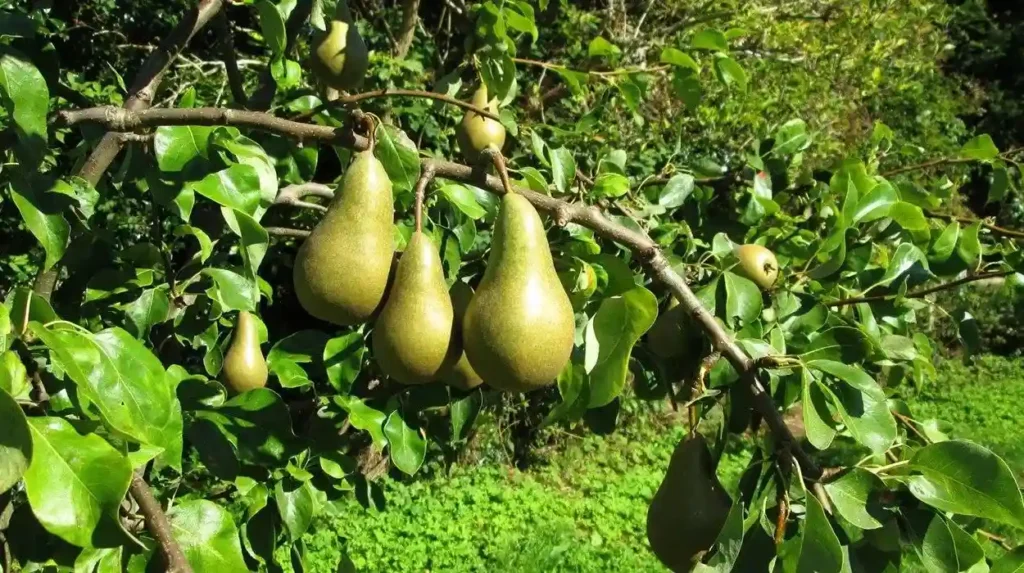
The orchard initiative began in spring 2012, when local people came together to establish small community orchards. Its aims include improving the local environment, supporting biodiversity, encouraging healthy eating and making productive use of locally grown fruit.
The group welcomes people interested in contributing time, practical skills, enthusiasm or financial support. Its activities connect fruit growing with environmental education and community participation.
Bedford Fields Community Forest Garden
Bedford Fields Community Forest Garden appears in Headingley’s local green-groups directory. A forest garden is a growing system that uses a mixture of plants at different heights, such as trees, shrubs, herbs and ground-cover plants, to create a productive and ecologically varied space.
People interested in this project should consult its official website to establish current activities and volunteering arrangements. The local directory provides a starting point for finding community-led environmental projects around Headingley.
Friends of Beckett Park
Friends of Beckett Park is a local group associated with the care and improvement of Beckett Park. Friends groups generally bring residents together to support public green spaces through volunteering, community activities and practical maintenance.
The Headingley green-groups directory lists the organisation as a local contact for people interested in park-related environmental activity. Prospective volunteers should check its website for current projects and opportunities.
Other environmental groups
Headingley’s wider green network also includes Friends of Meanwood Park, Friends of the Hollies, Friends of West Park Fields, North Hyde Park Neighbourhood Association and Woodhouse Ridge Action Group.
These organisations have different local responsibilities and priorities. Some concentrate on parks and woodland, while others support neighbourhood green spaces and environmental awareness. Their inclusion in the local green-groups directory provides a route for discovering opportunities beyond allotment gardening.
People should confirm that a group is active and accepting volunteers before travelling to a meeting or work session.
What gardening activities can beginners learn through local groups?
Beginners can develop practical skills in sowing seeds, preparing soil, composting, watering, pruning and harvesting by participating in suitable gardening projects. Allotment associations and community groups offer different learning environments, from individual plot management to supervised shared tasks.
Gardening groups provide opportunities to learn by doing. Experienced growers often understand local soil conditions, seasonal weather patterns, pest problems and suitable varieties for their particular site.
Soil preparation and composting
Soil preparation involves improving the growing medium before planting. Gardeners assess drainage, remove unwanted vegetation and incorporate suitable organic matter where appropriate.
Composting converts suitable garden and kitchen waste into a material that improves soil structure and supports plant growth. Allotment rules determine which materials can be composted and how shared composting facilities operate.
Seed sowing and crop planning
Seed sowing introduces beginners to planting depth, spacing, germination and transplanting. Common beginner crops include radishes, lettuce, spring onions and some varieties of beans.
Crop planning involves deciding where and when to grow different plants. A basic plan prevents overcrowding and helps gardeners organise successive sowings throughout the season.
Watering and plant care
New gardeners learn to recognise the water requirements of different crops. Young seedlings generally need consistent moisture, while established plants have different watering needs depending on their species, soil and weather conditions.
Regular observation helps identify plant stress, disease and pest damage before problems become more difficult to manage.
Wildlife-friendly gardening
Wildlife-friendly gardening incorporates features that support pollinating insects and other beneficial organisms. Examples include flowering plants, suitable native species, sheltering vegetation and carefully managed habitats.
The local allotment community includes people who grow flowers alongside edible crops. Both approaches contribute to the variety of plants found in shared growing spaces.
Beginners should ask about training sessions, informal demonstrations and opportunities to work alongside experienced members. The availability of these activities varies by association.
What is the history of allotment gardening around Headingley?
Allotment gardening developed as a way for people to cultivate food on small plots of land, particularly in urban and industrial communities. Headingley’s established allotment associations continue this tradition while adapting to contemporary interests in sustainability, biodiversity and diverse food crops.
The British allotment tradition has deep roots in access to land for household food production. Allotments have served practical purposes by enabling people to grow vegetables and fruit close to where they live.
The Second World War’s Dig for Victory campaign encouraged households and communities across Britain to increase domestic food production. Allotments became part of the wider effort to make food supplies more resilient during wartime shortages.
Leeds allotment sites have continued to serve local growers across successive generations. A documented example is Lidgett Lane Allotments in Roundhay, which was established in 1942 as part of the Dig for Victory campaign. The site now supports individual growing plots and a community based on shared maintenance and practical knowledge.
Hollin Lane Allotments also describes a long history of cultivation, probably dating to the Second World War. Its account documents changes in gardening practices, including a wider range of crops and increasing use of raised beds and no-dig methods.
These changes reflect the evolution of allotment gardening from traditional vegetable production towards a broader combination of food growing, environmental awareness and community activity.
As you explore Headingley’s present-day allotments, you are also encountering a landscape shaped by generations of local activity. Read the full [Headingley History and Heritage Guide] to understand the area’s wider historical development and how its neighbourhoods evolved.
How do allotments and community gardens support sustainability?
Allotments and community gardens support sustainability by enabling local food production, composting, plant diversity and shared environmental stewardship. Their benefits depend on responsible land management, suitable growing practices and consistent maintenance rather than simply the presence of cultivated plots.
Growing food locally connects people with the resources needed to produce everyday crops. Gardeners learn about planting seasons, soil fertility, water use and the time required to produce food.
Composting suitable organic material helps return nutrients to the soil and reduces the amount of garden waste sent for disposal. Effective composting requires appropriate materials and management to avoid problems such as pests or unpleasant odours.
Plant diversity supports a wider range of garden organisms. Allotments that combine fruit trees, flowering plants, vegetables and suitable wildlife habitats provide different resources throughout the year.
Community orchards contribute another dimension. Headingley Community Orchard identifies biodiversity, healthy eating, local fruit production and environmental improvement among its objectives.
Responsible water use is equally important. Gardeners can reduce unnecessary consumption by watering plants according to their needs, improving soil moisture retention and collecting rainwater where permitted.
The layout and management of each site influence its environmental performance. Composting facilities, shared tools, planting choices and water access all affect how a growing space operates.
These practices also develop practical environmental knowledge. Participants see how seasonal weather affects plants and how careful maintenance supports healthy growing conditions.
How can visitors and new residents participate in gardening activities?
Visitors and new residents can explore local gardening communities by contacting allotment associations, asking about public events, joining suitable volunteering sessions or attending community orchard activities. Organised participation requires prior confirmation because allotments and working gardens are not unrestricted public attractions.
People staying in Headingley for a short period generally benefit from activities that do not require a long-term tenancy. Community events, environmental volunteering and scheduled orchard activities offer more practical options than applying for an allotment that has a waiting list.
Longer-term residents can investigate both council-managed and association-managed plots. Those with limited gardening experience should ask whether a group welcomes beginners and whether tools or materials are provided.
Digital nomads and remote workers can combine outdoor activities with flexible working arrangements by scheduling gardening around their working hours. They should confirm session times rather than assume that a community garden operates as a drop-in facility.
Domestic business travellers can also explore public parks and community green spaces during their free time. However, taking part in practical gardening work requires agreement from the relevant group.
Before visiting, check the location, transport options, accessibility, opening arrangements and any equipment requirements. Wear suitable outdoor clothing and footwear for practical work.
Explore More Area Guide
Headingley Book Clubs and Reading Groups | Leeds Guide
Headingley Chess Clubs and Casual Gaming Groups: A Local Guide
What should people consider before choosing a gardening group or allotment?
The best choice depends on available time, preferred activities, budget, travel distance and the level of responsibility someone wants to accept. Comparing these factors helps people distinguish between a rented allotment, a shared gardening project and occasional environmental volunteering.
Time commitment is one of the most important considerations. An allotment needs regular attention, especially during planting, watering and harvesting periods. A community volunteer role offers a different commitment based on the group’s schedule and current projects.
Budget also matters. Council allotments have published annual rental charges, while independently managed sites set their own fees and conditions. Tools, compost, seeds and water access add to the overall cost of gardening.
Travel distance affects how easily people can maintain a plot. A nearby allotment is generally easier to visit regularly than one requiring a long journey.
Facilities vary between sites. Some offer running water, storage or parking, while others have more limited infrastructure. Hollin Lane, for example, describes basic facilities and no mains electricity.
People should also consider their main objective. Food production suits those who want to grow their own crops. Orchard projects suit people interested in fruit trees and shared environmental work. Park-focused groups are more relevant to volunteers who want to improve public green spaces.
Finally, applicants should read tenancy conditions and group guidance. Rules can cover plot maintenance, structures, water use, waste disposal, shared facilities and acceptable growing practices.
What are the best next steps for finding gardening opportunities in Headingley?
Start by identifying a nearby allotment or community project, then contact its organisers to confirm current availability and participation requirements. Compare costs, travel distance, time commitment and activities before choosing an option that fits your circumstances.
For an individual allotment, begin with the Leeds City Council allotments map and the local association directories. Contact each site directly because management arrangements and waiting lists differ.
For shared gardening, investigate Headingley Community Orchard, Bedford Fields Community Forest Garden and Friends of Beckett Park. Ask whether the group has upcoming sessions, whether beginners are welcome and what practical tasks need support.
For a small-scale start, consider growing herbs or vegetables in suitable containers at home, subject to the property’s rules. This approach provides basic experience with sowing, watering and harvesting without requiring an allotment tenancy.
Once involved, maintain a realistic schedule. Consistent care is more useful than starting a plot that becomes difficult to manage. Begin with a manageable growing area and expand only when time and experience allow.
Headingley’s gardening network offers routes into food growing, community participation and environmental improvement. Allotments suit people seeking a dedicated growing space, while orchard projects and local green groups provide alternatives for people who prefer shared work. By checking current arrangements directly with each organisation, residents and visitors can identify practical opportunities to engage with Headingley’s green spaces.
Where can I find allotments in Headingley, Leeds?
Headingley and the surrounding areas have several allotment sites, including Ash Road Allotments, St Anne’s Road Allotments, Woodhouse Moor Allotments, Hollin Lane Allotments and The Station Allotments. Contact each association to confirm availability and application requirements.