Headingley is a vibrant neighbourhood in north-west Leeds, West Yorkshire, known for its independent businesses, community facilities, green spaces and connections to the University of Leeds and Leeds Beckett University. These local features provide opportunities for residents, students, visitors and remote workers to support their mental wellbeing through physical activity, social interaction, creative interests and community participation.
- What mental wellbeing activities are available in Headingley?
- How do Headingley’s parks and green spaces support mental wellbeing?
- Where can people find community groups and social activities in Headingley?
- Which local organisations provide opportunities to connect?
- How can newcomers participate without feeling overwhelmed?
- How can volunteering improve wellbeing in Headingley?
- What creative and cultural activities support mental wellbeing in Headingley?
- How can exercise and physical activity support mental wellbeing in Headingley?
- Where can students in Headingley access mental health and wellbeing support?
- What support is available through the universities?
- What can students do when academic stress becomes difficult to manage?
- How can remote workers and visitors maintain mental wellbeing in Headingley?
- What professional mental health services are available near Headingley?
- How can residents access NHS talking therapies?
- When should someone contact a GP?
- What should people do during a mental health crisis?
- How can people find reliable wellbeing information and local support in Leeds?
- How does Headingley’s history shape its community wellbeing environment?
- How can people build a sustainable mental wellbeing routine in Headingley?
Mental wellbeing describes a person’s emotional, psychological and social wellbeing. It influences how people manage everyday stress, maintain relationships, make decisions and participate in their communities. Good mental wellbeing does not mean feeling happy all the time. It includes developing healthy coping strategies, maintaining social connections and accessing appropriate support during difficult periods.
Headingley offers several routes to community participation, from walking in nearby parks to joining local groups, attending cultural activities and accessing professional mental health services across Leeds. Understanding these options helps visitors identify suitable activities during a short stay and helps residents find opportunities for ongoing social connection.
What mental wellbeing activities are available in Headingley?
Mental wellbeing activities in Headingley include walking, community participation, exercise, creative hobbies and social events. Nearby green spaces, independent cafés, university facilities and community organisations provide opportunities to reduce isolation, establish routines and develop connections with other people.
Mental wellbeing activities are organised or informal experiences that support emotional health, social connection, physical activity and relaxation. They range from a short walk to structured group sessions and professional wellbeing programmes.
Headingley’s neighbourhood environment supports different approaches to wellbeing. Otley Road provides access to shops, cafés and local services. Residential streets connect people with community facilities, while nearby parks offer outdoor spaces for exercise and quiet recreation.
People seeking low-pressure activities can begin with a familiar daily routine. Walking to a local café, visiting a library or spending time outdoors introduces opportunities to leave the house and interact with others without committing to a formal programme.
Those seeking regular social contact can explore community groups, exercise classes, volunteering opportunities and creative workshops. Structured activities provide scheduled opportunities to meet people and develop shared interests.
University students also have access to institutional support through their respective universities. The University of Leeds and Leeds Beckett University provide student support services, although eligibility, appointment arrangements and programme availability depend on the institution and the individual’s circumstances.
Visitors should distinguish between general wellbeing activities and clinical treatment. Walking groups, fitness sessions and community events support everyday wellbeing, but they do not replace professional assessment or treatment for a mental health condition.
How do Headingley’s parks and green spaces support mental wellbeing?
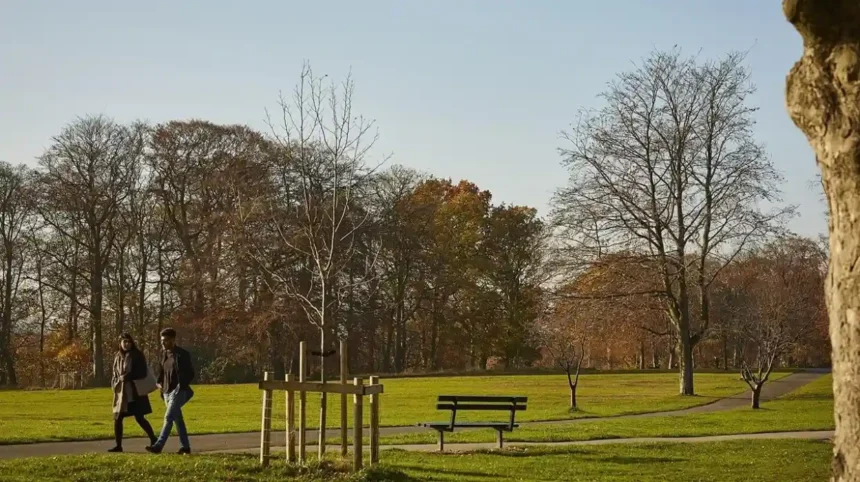
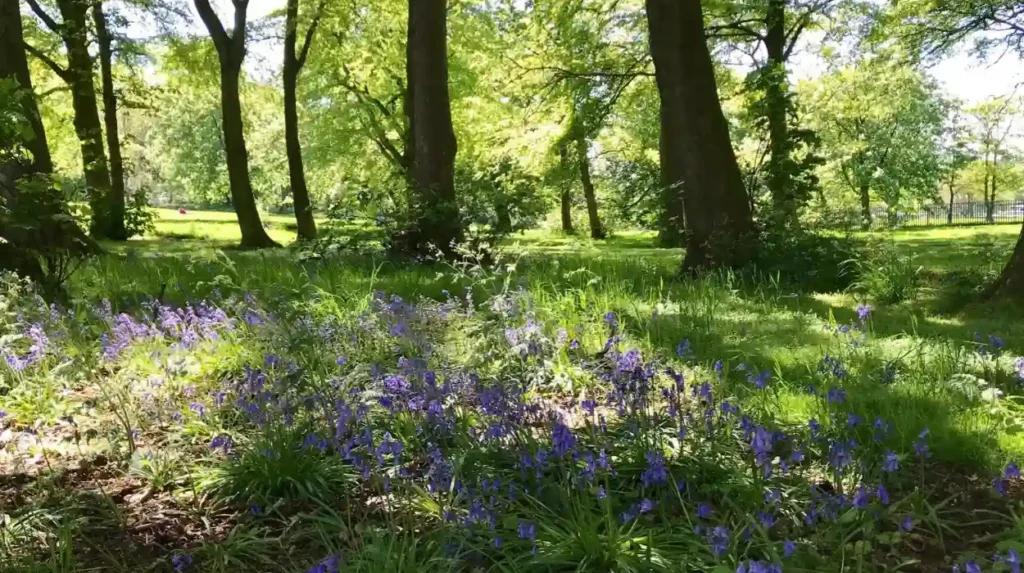
Green spaces support mental wellbeing by providing opportunities for movement, outdoor recreation and contact with nature. Headingley residents and visitors can explore nearby parks and public green spaces for walking, relaxation and informal social activities.
Contact with nature forms part of many public health approaches to wellbeing. Outdoor activity creates opportunities for physical movement, daylight exposure and breaks from work or study. Shared green spaces also provide accessible settings for meeting friends and participating in community activities.
Which green spaces are worth exploring?
Beckett Park provides green space near the Headingley and Headingley Campus area. Its landscaped grounds and walking routes offer opportunities for outdoor recreation. Visitors should check access arrangements before entering university-managed areas.
Kirkstall Abbey offers historic grounds and outdoor spaces a short journey from Headingley. The site combines heritage, landscape and opportunities for walking. Its open setting suits visitors interested in combining cultural exploration with time outdoors.
Woodhouse Moor provides public green space between central Leeds and the Headingley area. People use urban parks for walking, exercise and informal recreation.
Availability of facilities, opening arrangements and accessibility vary by location. Visitors should check current information before travelling, particularly when planning a route with mobility requirements.
How can walking become a regular wellbeing habit?
A manageable walking routine begins with a realistic distance and a convenient time. A short local walk during a lunch break or after work creates a repeatable habit without requiring specialist equipment.
Walking with another person adds social contact to physical activity. People who prefer independent exercise can choose familiar routes and gradually extend their distance according to comfort and ability.
Public parks also support informal group activities, including supervised walking meet-ups and community exercise sessions. Participants should confirm whether an advertised event is active, whether registration is required and whether any participation fee applies.
Research published in public health and environmental psychology has examined associations between green-space exposure, physical activity and mental wellbeing. These findings support the value of access to nature, while individual outcomes vary according to personal circumstances, the quality of the environment and the nature of the activity.
Where can people find community groups and social activities in Headingley?
Community groups help people build social connections through shared interests, regular meetings and practical activities. Headingley residents can investigate local community venues, libraries, volunteer organisations and neighbourhood networks to identify suitable opportunities.
Community participation means taking part in activities organised around a shared location, interest or purpose. Examples include book groups, walking meet-ups, craft sessions, community gardening and volunteering.
Regular social contact supports belonging and provides opportunities to develop relationships beyond work, education or family life. Community activities also introduce structure into weekly routines, which benefits people experiencing loneliness or adjusting to a new neighbourhood.
Which local organisations provide opportunities to connect?
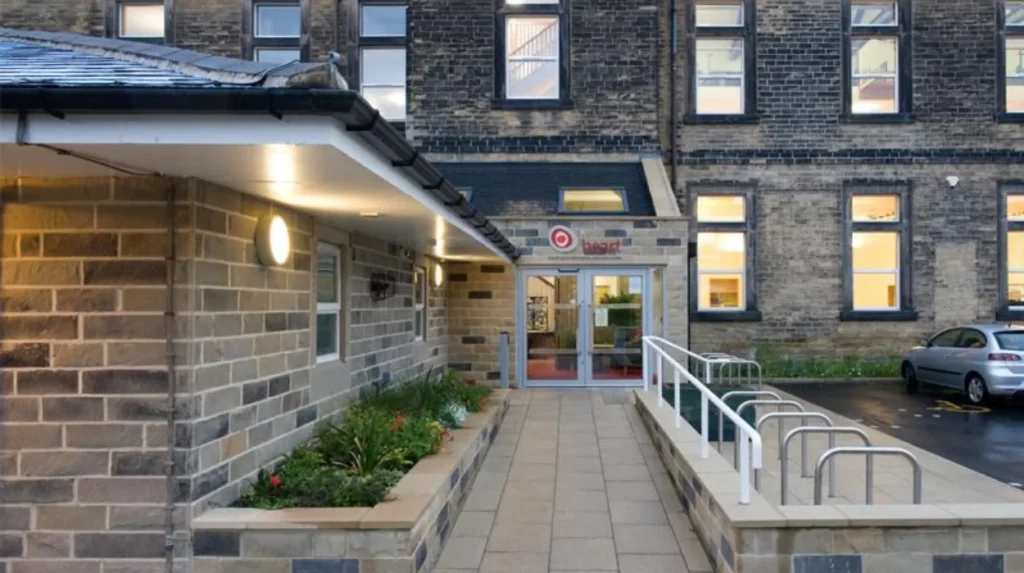
Headingley Enterprise and Arts Centre, commonly known as HEART, is a community-focused venue associated with arts, events and local activities. Its programme provides a starting point for finding creative sessions, community events and opportunities to meet people.
People should consult HEART’s current programme to confirm event dates, costs, booking requirements and accessibility arrangements.
Local libraries and community venues also provide useful starting points for discovering public activities. Leeds Libraries publishes information about its branches, services and events. A library visit provides an opportunity to explore reading groups, community sessions and other advertised activities where available.
Neighbourhood groups and community noticeboards can help residents discover activities that receive limited coverage in mainstream tourism guides. Examples include informal conversation groups, local volunteering projects and shared-interest meet-ups.
How can newcomers participate without feeling overwhelmed?
Newcomers can begin with a public event that has a clear schedule and an identified organiser. A one-off workshop or community gathering offers a straightforward introduction before committing to a recurring group.
People who prefer quieter environments can select book discussions, creative activities or small-group sessions. Those who enjoy physical activity can investigate walking groups, recreational sports and beginner-friendly exercise classes.
Checking the format before attending helps set expectations. Organisers can explain the group size, venue arrangements, cost, accessibility and whether participants need previous experience.
Community activities are not substitutes for mental health treatment. Their primary role is to provide opportunities for connection, participation and shared interests.
How can volunteering improve wellbeing in Headingley?
Volunteering creates opportunities to contribute to the local community, learn skills and meet people with shared interests. Residents can investigate charities, community projects, environmental groups and local events to find suitable roles.
Volunteering involves giving time or skills to support an organisation, community or public-interest activity. Examples include helping at a community event, supporting a charity shop, assisting with environmental projects and contributing to local arts programmes.
Volunteer work can provide structure, a sense of contribution and opportunities to develop social relationships. It also introduces people to different parts of the neighbourhood and helps them understand local needs.
Where should prospective volunteers look?
HEART provides a useful starting point for exploring community and cultural activity in Headingley. Local charities, faith and community organisations, environmental initiatives and Leeds-wide volunteering networks also advertise opportunities.
Prospective volunteers should confirm the role’s responsibilities, time commitment, training requirements and expenses policy. Some positions require safeguarding checks or specialist training, particularly when working with children or vulnerable adults.
A manageable commitment is often the most practical starting point. Helping at a single event provides an opportunity to assess the organisation and the nature of the work before accepting regular responsibilities.
Volunteering should remain compatible with personal health, employment and caring commitments. A suitable role offers a realistic level of responsibility rather than creating additional pressure.
What creative and cultural activities support mental wellbeing in Headingley?
Creative and cultural activities offer opportunities for self-expression, learning and social participation. Headingley residents can investigate arts venues, workshops, music activities, reading groups and community events to find activities that match their interests and budgets.
Creative participation includes activities such as drawing, painting, music, writing, photography, crafts and theatre. These activities provide structured ways to practise skills, express ideas and concentrate on a chosen task.
Community arts venues can make creative participation more accessible by offering workshops and group sessions. HEART is a relevant local venue to investigate for arts-related programmes and community events.
Which activities suit different interests?
People interested in visual arts can search for introductory drawing, painting or photography workshops. Those who enjoy music can investigate group singing, instrumental sessions and community performances.
Reading groups provide opportunities to discuss books and exchange ideas. Writing sessions and creative workshops offer additional ways to engage with language and artistic expression.
Visitors should check whether activities accept beginners, whether equipment is supplied and whether advance booking is necessary. Costs vary between free community sessions, subsidised programmes and paid workshops.
Creative activities support participation and enjoyment, but they do not automatically constitute art therapy or another clinical intervention. Art therapy is a professional therapeutic practice delivered by appropriately trained practitioners within a defined therapeutic relationship.
People seeking treatment rather than recreational activity should check the practitioner’s qualifications and the service’s clinical arrangements.
How can exercise and physical activity support mental wellbeing in Headingley?
Physical activity supports mental and physical health through movement, routine and opportunities for social interaction. Walking, cycling, swimming, recreational sports and group exercise provide different ways to build activity into daily life.
Physical activity includes movement that increases energy expenditure, from walking to organised sport. It supports general health and forms part of public health guidance on mental wellbeing.
The NHS recommends that adults work towards at least 150 minutes of moderate-intensity activity or 75 minutes of vigorous-intensity activity each week, alongside muscle-strengthening activity on at least two days. People should adapt activity to their ability and follow appropriate medical advice when necessary.
Which activities can people explore locally?
Walking is an accessible option because it requires little specialist equipment. Routes around Headingley and nearby parks provide opportunities for short outings, longer walks and social exercise.
Cycling offers another way to combine transport with physical activity. Riders should select routes appropriate to their experience, follow road safety requirements and check local cycle infrastructure before travelling.
Fitness classes and recreational sports provide structured sessions for people who prefer exercising with others. Leeds has a range of leisure facilities, and residents can check Leeds City Council information for details of local facilities and available programmes.
People returning to exercise after a long break should start at a comfortable level and increase activity gradually. The most suitable routine is one that fits personal circumstances and remains manageable over time.
Where can students in Headingley access mental health and wellbeing support?
Students living in Headingley can investigate university wellbeing teams, student advice services, general practice and NHS mental health services. The appropriate route depends on the student’s circumstances, urgency and eligibility for each service.
Headingley has strong connections to higher education through the University of Leeds and Leeds Beckett University. Student life brings opportunities for learning and friendship, alongside pressures associated with academic deadlines, finances, accommodation and changes in social circumstances.
University wellbeing services typically provide information, advice, signposting and access to relevant support. The exact services differ between institutions and change according to current provision.
What support is available through the universities?
The University of Leeds provides student support information through its official website. Students can investigate wellbeing appointments, counselling information, disability support and other relevant services.
The Leeds Beckett University also provides student support resources. Students should consult the university’s current guidance for information about wellbeing assistance, student advice and available referral routes.
Students should use the services associated with their own institution and check eligibility before booking. Some programmes require registration, an initial assessment or referral from another service.
What can students do when academic stress becomes difficult to manage?
Students can contact their university’s wellbeing team or student advice service when stress begins affecting study, sleep, relationships or everyday activities. Early contact helps identify available support and appropriate next steps.
Maintaining regular meals, sleep routines, physical activity and social contact supports general wellbeing. Study planning and discussions with academic tutors also help address workload pressures.
When symptoms persist, become severe or interfere with daily functioning, students should contact a GP or appropriate NHS service. Urgent mental health concerns require prompt professional assessment rather than relying solely on university activities or informal support.
How can remote workers and visitors maintain mental wellbeing in Headingley?
Remote workers and visitors can support their wellbeing by balancing work with movement, regular breaks and social contact. Headingley’s cafés, community venues, public spaces and transport links provide options for structuring time outside the home or workplace.
Remote work and travel can disrupt established routines. People working alone often have fewer spontaneous social interactions, while visitors can experience unfamiliar surroundings and limited contact with their usual support networks.
Headingley’s independent cafés and public venues offer places to take breaks and explore the neighbourhood. However, not every café provides reliable Wi-Fi, suitable working conditions or permission for extended laptop use. Visitors should check venue policies and make purchases appropriate to their stay.
How can workers create a healthier daily routine?
A practical routine separates focused work from breaks and leisure time. Workers can schedule a short walk, eat away from their desk and establish a clear end to the working day.
Community workshops, exercise classes and local events create opportunities to meet people outside professional settings. Attending a recurring activity helps establish familiarity with the neighbourhood.
Visitors staying for a few days can prioritise low-commitment activities, such as exploring a park, attending a public event or visiting a cultural venue. Longer-term visitors can investigate volunteering and regular community groups.
These approaches support everyday wellbeing, but people experiencing persistent anxiety, depression or other mental health difficulties should seek appropriate professional advice.
What professional mental health services are available near Headingley?
People seeking professional mental health support in Headingley can start with their GP, NHS 111, NHS talking therapies or Leeds-based mental health services. The correct route depends on symptoms, eligibility and whether immediate assistance is required.
Community activities support social connection and everyday wellbeing. Professional services provide assessment, psychological treatment, medication management and other forms of clinical care when appropriate.
The NHS is the publicly funded healthcare system in England. Its mental health services include primary care support, psychological therapies and specialist assessment.
How can residents access NHS talking therapies?
NHS Talking Therapies provides evidence-based psychological support for common mental health difficulties, including anxiety and depression. In England, eligible adults can usually refer themselves without first obtaining a GP referral.
Residents should check the current Leeds service arrangements and eligibility criteria through the official NHS website. Assessment determines which treatment is suitable and whether another service is more appropriate.
When should someone contact a GP?
A GP is an appropriate starting point when low mood, anxiety, sleep difficulties or emotional distress persist or affect everyday life. GPs assess symptoms, discuss treatment options and arrange referrals when required.
People should explain how long symptoms have continued and how they affect work, education, relationships or daily responsibilities. This information helps clinicians understand the situation and identify appropriate care.
What should people do during a mental health crisis?
A mental health crisis requires urgent assessment when someone is at immediate risk of harm or unable to remain safe.
In England, people can call NHS 111 and select the mental health option where available to obtain urgent mental health support. In an immediate life-threatening emergency, call 999 or attend an accident and emergency department.
People supporting someone in crisis should listen calmly, take concerns seriously and help them reach appropriate professional care. Community activities and informal conversations do not replace emergency intervention.
How can people find reliable wellbeing information and local support in Leeds?
Reliable wellbeing information comes from official health services, local government, universities and established community organisations. Residents should check service eligibility, current opening arrangements, referral procedures and contact details directly with the provider.
Local service information changes over time. A reliable directory should identify the provider, describe the service and explain how people access it.
The NHS website provides information about mental health conditions, treatment and service access. Leeds City Council publishes information about local services, community facilities and public health initiatives. University websites provide guidance for eligible students, while community organisations publish their own event programmes.
People comparing services should distinguish between professional healthcare, peer support and recreational activities. Peer support involves people sharing experiences and mutual encouragement. Recreational activities focus on participation and enjoyment. Clinical treatment involves assessment or interventions delivered by qualified healthcare professionals.
How should visitors check whether a service is suitable?
Visitors should confirm whether a service accepts people who live outside the area, whether registration is required and whether charges apply. Some community activities welcome visitors, while healthcare services follow specific eligibility and referral arrangements.
People with accessibility requirements should check venue access, toilet facilities, seating arrangements, transport options and available adjustments. Organisers can clarify whether an activity accommodates particular needs.
Privacy is another consideration. Participants should understand how an organisation handles personal information and whether a group expects members to share personal experiences.
No single activity or service suits everyone. Comparing practical arrangements helps people select appropriate support without relying on outdated listings or assumptions.
Explore More Area Guide
Headingley Disability Support and Independent Living Guide
Headingley Community Support for Older Residents: A Leeds Guide
How does Headingley’s history shape its community wellbeing environment?
Headingley’s development from a historic settlement into a connected urban neighbourhood shaped its residential character, public spaces and community institutions. Understanding this background helps explain the local environment in which modern wellbeing activities take place.
Headingley forms part of Leeds, a city whose growth accelerated during industrialisation and the expansion of transport, education and commerce. The wider neighbourhood developed through changing residential patterns, university growth and the expansion of local businesses.
Its mixture of residential streets, independent shops, educational institutions and green spaces creates a setting for community interaction. These features provide practical foundations for walking, volunteering, cultural participation and social activities.
For readers interested in the area’s development, [Headingley History and Heritage: From Historic Village to Modern Leeds Neighbourhood] offers a dedicated route to the historical background article. This historical context complements the present-day guide without confusing heritage information with current health service provision.
The connection between place and wellbeing is practical rather than automatic. Accessible facilities, welcoming organisations and suitable public spaces create opportunities for participation, while individual experiences depend on personal circumstances and the availability of support.
How can people build a sustainable mental wellbeing routine in Headingley?
A sustainable wellbeing routine combines manageable physical activity, regular social contact, meaningful interests and appropriate professional support. People in Headingley can begin with accessible local activities and adjust their routines as their needs, interests and circumstances change.
A routine does not need to involve several organised activities each week. Small, repeatable actions provide a practical starting point.
Someone who spends most of the day indoors can begin with a short walk. A person experiencing loneliness can attend a public community event. Someone seeking a stronger sense of purpose can investigate volunteering, while a student struggling with persistent stress can contact their university support team or GP.
What does a practical weekly routine look like?
A flexible routine can include several examples of everyday wellbeing activity:
- Outdoor activity: Walk through a local park or explore a familiar neighbourhood route.
- Social connection: Arrange a conversation with a friend or attend a community event.
- Creative participation: Join a workshop, practise an instrument or spend time drawing.
- Physical activity: Include walking, cycling or an appropriate exercise session.
- Community involvement: Investigate a volunteering opportunity or neighbourhood group.
- Professional support: Contact a healthcare provider when emotional difficulties persist or worsen.
These activities serve different purposes. Exercise supports physical health, social contact creates opportunities for connection, and creative interests provide structured leisure. Professional support addresses concerns that require assessment or treatment.
People should review their routines regularly. An activity that becomes burdensome is not automatically beneficial simply because it appears on a wellbeing checklist.
What should people remember when choosing local activities?
The most useful activity is one that matches a person’s needs, practical circumstances and interests. Cost, accessibility, travel time, group size and scheduling all influence whether an activity is sustainable.
People should confirm current event details with organisers and use official health services for clinical advice. They should also recognise when informal support is insufficient and professional assistance is necessary.
Headingley provides a range of opportunities to explore nature, culture, exercise and community participation. Combined with appropriate healthcare and realistic personal routines, these resources help residents, students, remote workers and visitors make informed choices about mental wellbeing.
Headingley’s community venues, nearby green spaces, cultural activities and connections to Leeds-wide services provide several routes to supporting mental wellbeing. Walking, volunteering, creative participation and group activities help people develop routines and social connections, while universities, GPs and NHS services provide pathways to professional support.
The most effective approach combines realistic daily habits with suitable community participation and timely healthcare when needed. Checking current service information ensures that residents and visitors choose activities that match their needs, accessibility requirements and circumstances.
What mental wellbeing activities are available in Headingley?
Headingley offers opportunities for walking, exercise, creative workshops, community events and volunteering. Residents and visitors can explore local parks, community venues and social groups to find activities that support wellbeing and social connection.